
Tools of the Trade: Essential Lawn Care Equipment Maintenance
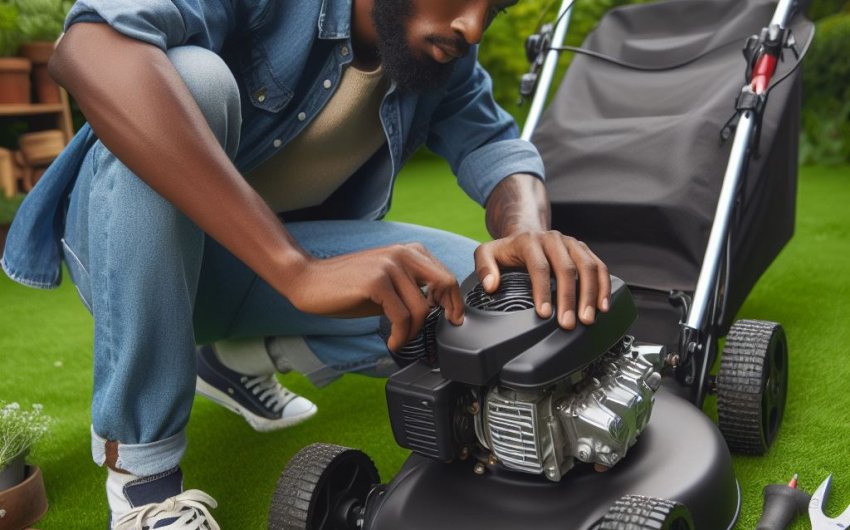
Essential lawn care equipment maintenance is not just about extending the life of your tools; it's crucial for achieving a healthy, well-groomed lawn. Regularly caring for your equipment, from mowers to trimmers, ensures they perform effectively and safely, making them true tools of the trade for any homeowner. This guide demystifies the simple steps to keep your gear in top condition.
Why is Regular Maintenance So Important for Your Lawn Equipment?
Regular maintenance is a non-negotiable aspect of responsible homeownership, particularly when it comes to your lawn care equipment. Neglecting these essential tools can lead to frustration, poor lawn health, and costly repairs. Understanding why regular maintenance is so important ensures your equipment remains reliable, effective, and truly worthy of the title "tools of the trade."
How Does Well-Maintained Equipment Benefit Your Lawn and Wallet?
Well-maintained equipment delivers a dual benefit, profoundly impacting both the health and appearance of your lawn and the thickness of your wallet. Neglecting your tools of the trade can lead to a cascade of problems, from unsightly turf to expensive repairs. Understanding these advantages highlights why essential lawn care equipment maintenance is a smart investment in both your yard and your finances.
Here's how well-maintained equipment benefits your lawn and wallet:
Benefits for Your Lawn:
- Cleaner, Healthier Cut:
- Mechanism: Sharp mower blades (and trimmer lines) make a clean, precise cut on each grass blade.
- Benefit: This "surgical" cut heals quickly, minimizing stress on the grass. Ragged cuts from dull blades tear the grass, leaving open wounds that lose more moisture and are highly susceptible to disease (e.g., brown patch, dollar spot). A healthy cut promotes a greener, more resilient lawn.
- Reduced Stress on Grass:
- Mechanism: Equipment running smoothly and efficiently places less stress on the turf.
- Benefit: Prevents unnecessary damage to grass crowns and roots from struggling engines or poorly adjusted blades.
- Better Fertilizer and Water Penetration:
- Mechanism: Properly functioning aerators and dethatchers create ideal conditions for water and nutrients to reach the root zone.
- Benefit: Ensures your lawn care efforts (fertilizing, watering) are maximally effective, leading to stronger, deeper roots.
- Aesthetically Pleasing Lawn:
- Mechanism: Sharp blades and properly adjusted equipment result in a uniform, even cut across the entire lawn.
- Benefit: A well-groomed, vibrant green lawn significantly enhances your home's curb appeal.
- Prevents Disease Spread:
- Mechanism: Clean equipment (especially blades) helps prevent the transfer of disease spores or weed seeds from one part of the lawn to another, or from a diseased lawn to a healthy one.
- Benefit: Reduces the risk of spreading lawn diseases.
Benefits for Your Wallet:
- Extended Equipment Lifespan:
- Mechanism: Regular cleaning, lubrication, and basic servicing prevent premature wear and tear on moving parts and engines.
- Benefit: Your mower, trimmer, and other tools will last much longer, delaying the need for expensive replacement purchases. This saves hundreds to thousands of dollars over time.
- Reduced Repair Costs:
- Mechanism: Catching minor issues early (e.g., changing spark plugs, air filters) prevents them from escalating into major, costly breakdowns (e.g., engine failure).
- Benefit: Minimizes unexpected repair bills.
- Improved Fuel Efficiency:
- Mechanism: A clean air filter, properly gapped spark plug, and sharp blades allow the engine to run more efficiently.
- Benefit: Uses less gasoline, saving money on fuel costs.
- Maximized Investment:
- Mechanism: You get the most out of your purchase by ensuring your equipment consistently performs at its best.
- Benefit: Your initial investment in lawn care tools is fully realized.
- Time Savings:
- Mechanism: Well-maintained equipment starts easily, runs smoothly, and completes tasks more quickly.
- Benefit: Less time spent struggling with faulty tools means more free time for you.
What are the Risks of Neglecting Your Lawn Care Equipment?
Neglecting your lawn care equipment carries a significant array of risks, impacting not only the quality of your yard but also your safety, wallet, and peace of mind. Failing to maintain these tools of the trade can quickly turn routine tasks into frustrating and dangerous endeavors. Understanding these potential pitfalls highlights why essential lawn care equipment maintenance is a critical responsibility for every homeowner.
Here are the risks of neglecting your lawn care equipment:
- Poor Lawn Health and Appearance:
- Dull Blades: The most common issue. Dull mower blades tear and rip grass blades instead of cleanly cutting them. This leaves ragged, brown tips that weaken the grass, make it more susceptible to disease and pests, and give the entire lawn a dull, unhealthy, "white" appearance.
- Uneven Cut: Improperly balanced blades or worn-out deck components lead to an uneven, choppy cut, diminishing aesthetic appeal.
- Disease Spread: Dirty blades can transfer fungal spores from diseased areas to healthy ones.
- Ineffective Tools: Unmaintained aerators, dethatchers, or spreaders won't perform their intended function effectively, leading to subpar results and wasted effort.
- Increased Repair Costs and Shorter Lifespan:
- Premature Wear: Lack of lubrication, dirty filters, and old fuel cause parts to wear out faster, leading to breakdowns.
- Major Breakdowns: Small, unaddressed issues (like a dirty spark plug) can cascade into major, expensive engine failures.
- Reduced Longevity: Equipment simply won't last as long, forcing you to buy replacements sooner than necessary.
- Reduced Efficiency and Increased Fuel Consumption:
- Engine Strain: Dirty air filters, fouled spark plugs, and dull blades make the engine work harder, consuming more fuel or electricity.
- Wasted Time: Equipment that runs poorly or stalls frequently wastes your valuable time and adds frustration.
- Safety Hazards:
- Vibrations/Kickback: Loose or unbalanced parts can cause excessive vibration or kickback, leading to loss of control.
- Thrown Debris: Dull or damaged blades are more prone to throwing debris unpredictably.
- Fuel Leaks: Untended fuel lines or tanks can leak, creating fire hazards.
- Malfunctions: Any unaddressed issue can lead to unexpected malfunctions while operating dangerous machinery.
- Environmental Impact:
- Increased Emissions: Engines running inefficiently produce more harmful pollutants.
- Fuel Spills: Unmaintained fuel systems are more prone to spills.
- Frustration and Dissatisfaction:
- Constantly struggling with unreliable equipment detracts from the enjoyment of lawn care.
- Poor lawn results despite your efforts can be disheartening.
What are the Essential Maintenance Tasks for Your Lawn Mower?
Your lawn mower is arguably the most important of your tools of the trade, and its regular upkeep is paramount for a pristine lawn and safe operation. Mastering the essential maintenance tasks for this key piece of equipment ensures it cuts cleanly and runs efficiently season after season. Understanding these steps is crucial for essential lawn care equipment maintenance.
How Do You Sharpen Blades, Change Oil, and Clean Your Mower Deck?
To keep your lawn mower running optimally and ensure a healthy, beautiful cut, mastering how to sharpen blades, change oil, and clean your mower deck are three fundamental maintenance tasks. These routine procedures are vital for essential lawn care equipment maintenance, directly impacting your mower's performance, lifespan, and the overall health of your lawn.
1. Sharpening Mower Blades:
- Why it's important: Sharp blades make a clean cut that heals quickly, preventing grass from tearing and turning brown. Dull blades stress the grass, making it susceptible to disease.
- When to do it: At least once per season, or more frequently (every 10-12 hours of mowing) if you notice ragged cuts, white tips on grass, or if you've hit something hard.
- Step-by-Step:
- Safety First: Disconnect the spark plug wire (for gas mowers) or remove the battery (for electric mowers) to prevent accidental starting.
- Empty Fuel Tank (Gas): If tilting the mower, ensure the fuel tank is empty to prevent spills.
- Remove Blade: Using a wrench, remove the bolt holding the blade in place. A blade removal tool can make this easier.
- Sharpen: Use a bench grinder, an angle grinder, a file, or a specialized lawn mower blade sharpener. Follow the original angle of the blade. Focus on creating a sharp edge, not a razor edge.
- Balance: After sharpening, balance the blade. A blade balancer ensures even weight distribution. An unbalanced blade can cause excessive vibration and damage the mower's engine.
- Reinstall: Reattach the blade securely, ensuring it's facing the correct direction. Reconnect the spark plug wire/battery.
2. Changing the Oil (for Gas Mowers):
- Why it's important: Engine oil lubricates moving parts, reduces friction, dissipates heat, and prevents wear. Old, dirty oil loses its lubricating properties and can lead to engine damage.
- When to do it: Typically after the first 5 hours of use (for a new mower break-in) and then annually or every 50 hours of operation, whichever comes first. Consult your owner's manual.
- Step-by-Step:
- Safety First: Disconnect spark plug wire.
- Run Engine Briefly: Run the mower for 5-10 minutes to warm the oil (makes it flow better), then shut off and disconnect spark plug.
- Locate Drain Plug/Dipstick: Most mowers drain oil through a plug on the bottom or by tipping and pouring through the dipstick tube.
- Drain Oil: Place an oil drain pan under the drain plug or under the dipstick tube if tipping. Remove the plug or tip the mower (usually with the air filter facing up to prevent fuel/oil spills).
- Replace Plug/Filter: Once oil is drained, replace the drain plug. If your mower has an oil filter, replace it now.
- Add New Oil: Refer to your manual for the correct type and amount of oil (e.g., SAE 30, 10W-30). Pour slowly.
- Check Level: Use the dipstick to ensure the oil level is correct. Do not overfill.
- Dispose: Take old oil to an authorized recycling center.
3. Cleaning the Mower Deck:
- Why it's important: Built-up grass clippings and debris on the underside of the deck can interfere with blade rotation, reduce cutting performance, create uneven cuts, and promote rust.
- When to do it: After every few uses, or at least a few times throughout the season.
- Step-by-Step:
- Safety First: Disconnect the spark plug wire (gas) or remove the battery (electric).
- Clear Deck Top: Brush or blow off loose clippings from the top of the deck.
- Tip Mower: Carefully tip the mower onto its side (usually with the carburetor and air filter facing up to prevent fluid leaks).
- Scrape/Brush: Use a plastic scraper tool or a stiff brush to remove caked-on grass and debris from the underside of the deck and around the blades.
- Rinse (Optional): Some people lightly rinse the underside, but ensure it dries completely before storage to prevent rust.
- Inspect: While cleaning, check the blade for damage and ensure all bolts are tight.
- Rust Prevention (Optional): After cleaning and drying, you can apply a thin coat of WD-40 or a silicone spray to the underside of the deck to help prevent rust.
What About Spark Plugs, Air Filters, and Fuel System Care?
Beyond the basics, attending to spark plugs, air filters, and the fuel system is crucial for maintaining your mower's engine health and efficiency. These components are vital for starting, running smoothly, and preventing costly breakdowns. Integrating these into your essential lawn care equipment maintenance routine ensures your tools of the trade deliver consistent, reliable performance.
4. Inspecting and Replacing Spark Plugs (for Gas Mowers):
- Why it's important: The spark plug creates the spark that ignites the fuel-air mixture in the engine. A dirty, worn, or incorrectly gapped spark plug can cause hard starting, misfires, and reduced engine power.
- When to inspect/replace: Inspect annually or every 25 hours. Replace every season or every 100 hours, whichever comes first, or if you notice starting problems.
- Step-by-Step:
- Safety First: Disconnect spark plug wire. Allow engine to cool.
- Remove Plug: Use a spark plug wrench to carefully unscrew and remove the old spark plug.
- Inspect: Look for signs of wear, carbon buildup, or damage.
- Gap (New Plug): If replacing, use a spark plug gapping tool to set the gap to your manual's specifications.
- Install New Plug: Screw in the new spark plug by hand to avoid cross-threading, then tighten with a wrench (don't overtighten). Reconnect the spark plug wire.
5. Cleaning or Replacing Air Filters (for Gas Mowers):
- Why it's important: The air filter prevents dirt, dust, and debris from entering the engine's carburetor and cylinders, where they can cause severe wear and damage. A clogged filter chokes the engine, reducing power and increasing fuel consumption.
- When to clean/replace: Inspect every 25 hours or at least once per season, more often in dusty conditions. Replace if visibly dirty or damaged.
- Step-by-Step (Paper Filter):
- Safety First: Disconnect spark plug wire.
- Locate Filter: The air filter is usually housed in a plastic case on the side or top of the engine.
- Remove Filter: Carefully remove the cover and pull out the paper filter.
- Inspect/Clean: Tap the filter gently on a hard surface to dislodge loose debris. Hold it up to a light source; if you can't see light through it, it's too dirty and needs replacement. Do NOT wash paper filters.
- Replace: Insert a new lawn mower air filter if needed, ensuring it's seated correctly. Replace the cover.
- Step-by-Step (Foam Filter):
- Clean: Wash foam filters in warm, soapy water. Rinse thoroughly.
- Dry & Oil: Allow to air dry completely, then lightly coat with clean engine oil, squeezing out any excess.
- Replace: Reinstall.
6. Fuel System Care (for Gas Mowers):
- Why it's important: Old, stale, or contaminated gasoline is a leading cause of hard starting and engine problems (especially in carburetors). Fuel degrades over time, particularly ethanol-blended fuels.
- When to perform: Before winter storage or if the mower will sit unused for more than a month.
- Step-by-Step:
- Use Fresh Fuel: Always start the season with fresh gasoline.
- Add Fuel Stabilizer: Add a fuel stabilizer to the fuel tank before filling, and fill with fresh fuel. Run the engine for 5-10 minutes to circulate the stabilizer. This is best if you plan to keep fuel in the tank for storage.
- Drain Fuel (Alternatively for Storage): For long-term storage, some prefer to completely drain the fuel tank and run the engine until it runs out of fuel (this empties the carburetor). This avoids issues with stale fuel.
- Inspect Fuel Filter (Optional): If your mower has an in-line fuel filter, inspect it annually and replace if dirty.
What Maintenance Do Other Essential Lawn Tools Need?
Beyond your mower, your other essential lawn tools also require consistent upkeep to perform effectively and last longer. From trimmers to hand tools, simple maintenance prevents frustrating malfunctions and ensures they are always ready for action. Including these items in your essential lawn care equipment maintenance routine keeps all your tools of the trade in peak condition.
How Do You Maintain String Trimmers, Edgers, and Blowers?
Your string trimmers, edgers, and blowers are vital supporting actors in your lawn care routine, each requiring specific maintenance to operate efficiently and safely. Overlooking these powerful tools can lead to frustration and premature wear. Understanding how to maintain them is crucial for essential lawn care equipment maintenance and keeping all your tools of the trade performing at their best.
1. String Trimmers (Weed Whips):
- Engine Maintenance (for Gas Trimmers):
- Spark Plug: Inspect and replace annually.
- Air Filter: Clean or replace annually, more often in dusty conditions.
- Fuel System: Use fresh fuel with stabilizer, or drain for storage. Use the correct fuel mix (oil-gasoline) for 2-stroke engines.
- Head and Line Maintenance:
- Clean Head: Regularly remove grass, dirt, and debris from the cutting head. Built-up grass can impede line feed.
- Replace Line: Always use the correct diameter and type of trimmer line specified for your model. Replace worn or broken line promptly.
- Lubricate Gearbox: Many trimmers have a small gearbox at the head that requires periodic lubrication with gear grease. Consult your manual.
- Safety: Always wear eye and ear protection. Check that guards are secure.
2. Edgers (Dedicated Edgers):
- Engine Maintenance (for Gas Edgers): Same as string trimmers (spark plug, air filter, fuel system).
- Blade Maintenance:
- Sharpen Blade: The metal blade on a dedicated edger should be sharpened regularly (annually or as needed) for a clean cut. Remove the blade first, following manual instructions.
- Check for Damage: Inspect the blade for bends, cracks, or excessive wear. Replace if damaged. A replacement edger blade is easy to install.
- Cleaning: Remove dirt and grass buildup from around the blade and guard.
- Safety: Always wear eye protection. Ensure guards are in place.
3. Leaf Blowers (Gas and Electric):
- Engine Maintenance (for Gas Blowers): Same as trimmers (spark plug, air filter, fuel system, correct fuel mix).
- Impeller/Fan Maintenance:
- Clear Debris: Regularly check and clear leaves, twigs, and other debris that can get sucked into the intake or caught in the impeller/fan assembly.
- Clean Intake Screen: Ensure the air intake screen is clear to prevent the engine from overheating or being starved of air.
- Housing/Nozzle Cleaning:
- Clean: Keep the housing and nozzle free of dirt and debris for efficient airflow.
- Battery Care (for Electric/Cordless Blowers):
- Charge Properly: Follow manufacturer's instructions for charging and storage.
- Storage: Store batteries in a cool, dry place away from direct sunlight. Avoid storing fully charged or fully depleted for extended periods.
- Safety: Always wear eye and ear protection. Avoid blowing debris towards people or property.
How Do You Care for Hand Tools, Sprayers, and Spreaders?
Even your non-motorized hand tools, sprayers, and spreaders deserve regular attention to remain effective and extend their lifespan. Simple cleaning and proper storage prevent rust, clogs, and malfunctions, ensuring these unsung tools of the trade are always ready for your lawn care tasks. Understanding this easy upkeep is vital for essential lawn care equipment maintenance.
1. Hand Tools (Rakes, Shovels, Hoes, Pruners, Loppers):
- Why it's important: Prevents rust, maintains sharpness, and extends life. Clean tools prevent the spread of soil-borne diseases.
- Routine Care:
- Clean After Each Use: Immediately after use, remove all dirt, mud, and plant sap from blades, tines, and handles. Use a stiff brush and water.
- Dry Thoroughly: Ensure all metal parts are completely dry to prevent rust.
- Sharpen Blades (Pruners, Shovels, Hoes): Regularly sharpen cutting edges with a file or sharpening stone for clean cuts that reduce plant damage. A pruning tool sharpener can maintain shears.
- Lubricate Moving Parts (Pruners, Loppers): Apply a few drops of light lubricating oil to pivot points.
- Oil Metal Surfaces (Shovels, Rakes): For long-term storage, wipe metal parts with an oil-soaked rag to prevent rust.
- Inspect Handles: Check wooden handles for splinters or cracks. Sand and oil as needed.
- Storage: Hang tools on a wall or store in a dry shed to keep them off the ground.
2. Sprayers (Handheld, Backpack, Hose-End):
- Why it's important: Prevents chemical residues from caking, clogging nozzles, or reacting with future chemicals. Ensures accurate and consistent spray patterns.
- Routine Care:
- Rinse Thoroughly After Each Use: Immediately after every use (even with water), thoroughly rinse the tank, hose, wand, and nozzle with clean water.
- Pump Clear Water: Pump clear water through the nozzle to flush out all components.
- Disassemble Nozzle: If possible, remove and clean the nozzle tip to prevent clogging. Use a soft brush or toothpick if needed.
- Air Dry: Allow all parts to air dry completely before reassembling and storing.
- Storage: Store in a cool, dry place away from direct sunlight. Do not store chemicals in the sprayer. Keep it out of reach of children and pets. A garden pump sprayer requires this care.
3. Spreaders (Broadcast, Drop, Handheld):
- Why it's important: Prevents fertilizer/seed from caking, corroding metal parts, or attracting pests. Ensures even application for future use.
- Routine Care:
- Empty Completely: After each use, empty all remaining fertilizer, seed, or lime from the hopper. Do not leave product in the spreader.
- Rinse Thoroughly: Use a hose to thoroughly rinse the hopper, agitator, gears, and wheels. Ensure all residues are removed.
- Dry Completely: Allow all parts to air dry completely to prevent rust and caking.
- Lubricate Gears: Apply a light, water-resistant lubricant (like silicone spray or white lithium grease) to any exposed gears or moving parts.
- Storage: Store in a dry area. Hang or store upright to prevent flat spots on tires (if applicable). A broadcast fertilizer spreader benefits greatly from this.
By dedicating time to essential lawn care equipment maintenance, you ensure your tools of the trade remain in peak working condition. This comprehensive approach, encompassing everything from sharpening mower blades and changing oil to caring for hand tools and sprayers, not only extends the lifespan of your valuable gear but also guarantees a safer, more efficient, and ultimately more rewarding lawn care experience.