
Drip by Drip: Sustainable Lawn Watering Practices
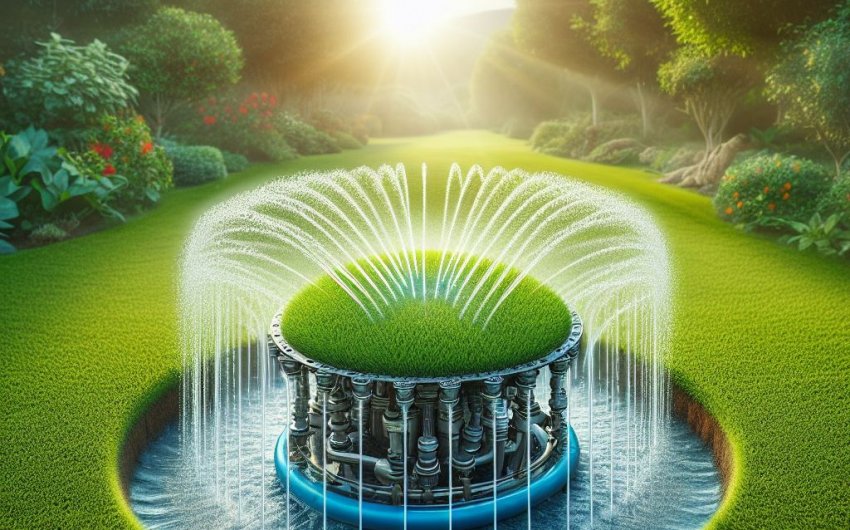
Sustainable lawn watering practices involve delivering the right amount of water to your turf at the optimal time, efficiently, and with minimal waste. Adopting a drip by drip approach, focusing on deep and infrequent watering, improving soil health, and utilizing smart irrigation are key to a resilient, green lawn that conserves precious resources. This guide reveals how to water smarter, not harder.
Why are Sustainable Lawn Watering Practices Essential Today?
Sustainable lawn watering practices are not merely a suggestion; they are an essential imperative in today's rapidly changing climate and with increasing demands on water resources. Traditional, wasteful watering habits can no longer be justified, as they deplete precious supplies and strain ecosystems. Embracing a drip by drip approach is crucial for environmental stewardship and maintaining a vibrant, green lawn responsibly.
What are the Environmental and Economic Impacts of Inefficient Watering?
Inefficient watering carries significant environmental and economic impacts, extending far beyond the boundaries of your property. Wasted water not only strains precious natural resources but also increases utility costs and contributes to broader ecological issues. Understanding these far-reaching consequences highlights why adopting sustainable lawn watering practices is paramount, encouraging a drip by drip approach to conservation.
Here are the environmental and economic impacts of inefficient watering:
Environmental Impacts:
- Depletion of Freshwater Resources:
- Problem: Landscape irrigation accounts for a substantial portion (often 30-70%) of residential water use. Inefficient methods mean vast quantities of potable water are wasted.
- Impact: This depletes aquifers, reduces water levels in rivers and lakes, and strains local water supplies, especially in drought-prone regions. This affects drinking water availability and ecosystem health.
- Water Pollution (Runoff):
- Problem: Excess water that runs off lawns and gardens carries fertilizers, pesticides, and other pollutants into storm drains.
- Impact: This polluted runoff contaminates local waterways, leading to algal blooms, dead zones, and harm to aquatic life.
- Soil Erosion:
- Problem: Rapid, heavy watering on slopes or compacted soils causes water to run off, taking valuable topsoil with it.
- Impact: Reduces soil fertility, damages plant roots, and contributes to sediment pollution in waterways.
- Energy Consumption:
- Problem: Pumping, treating, and delivering water to homes consumes significant amounts of energy.
- Impact: Higher energy consumption contributes to greenhouse gas emissions and climate change.
- Reduced Biodiversity:
- Problem: Overwatering can create conditions (e.g., fungal diseases) that reduce plant diversity and health in the lawn, potentially affecting the micro-ecosystem.
- Altered Ecosystems:
- Problem: Excessive reliance on supplemental irrigation can alter the natural hydrological cycles and ecological balance of an area.
Economic Impacts:
- Higher Water Bills:
- Problem: The most direct impact for homeowners. Wasting water means paying for water that never benefits your plants.
- Impact: Significantly increased monthly utility costs, especially in regions with tiered water pricing or during drought surcharges.
- Increased Fertilizer and Pesticide Costs:
- Problem: Inefficient watering can leach nutrients from the soil, requiring more frequent fertilization. Overwatering can also promote diseases, leading to more pesticide use.
- Impact: Higher expenses on lawn care products.
- Plant Replacement Costs:
- Problem: Over or under-watering leads to plant stress, disease, and death.
- Impact: The cost of replacing dead or unhealthy plants and turf.
- Property Damage:
- Problem: Poor drainage due to overwatering can lead to standing water, which can damage foundations, driveways, and other landscape features over time.
- Reduced Property Value:
- Problem: A consistently brown, unhealthy, or water-damaged lawn can detract from curb appeal.
- Impact: Potentially reduces home value.
- Fines and Restrictions:
- Problem: In many areas, inefficient watering or exceeding water use limits can result in fines, especially during drought conditions.
- Impact: Financial penalties on top of existing costs.
How Does a "Drip by Drip" Approach Benefit Your Lawn and the Planet?
Adopting a "drip by drip" approach to lawn watering is a revolutionary step that offers profound benefits for both your lawn and the planet. It's about precision, conservation, and fostering resilience, directly addressing the negative impacts of inefficient watering. This philosophy underpins all sustainable lawn watering practices, creating a healthier, more environmentally friendly landscape.
Here's how a "drip by drip" approach benefits your lawn and the planet:
Benefits for Your Lawn:
- Deep Root Growth: By delivering water slowly and allowing it to penetrate deeply, this approach encourages grass roots to grow much deeper into the soil. Deep roots make your lawn significantly more drought-tolerant and resilient to heat stress.
- Optimal Nutrient Uptake: Properly moist (but not waterlogged) soil ensures nutrients are dissolved and readily available for roots to absorb efficiently, leading to a healthier, greener lawn.
- Reduced Disease Risk: By keeping grass blades and the topsoil surface drier between watering, this method drastically reduces the conditions favorable for many fungal and bacterial diseases that thrive in prolonged dampness.
- Minimized Weed Growth: A drier topsoil layer discourages the germination of many shallow-rooted weed seeds, reducing competition for water and nutrients.
- Healthier Soil Structure: The wetting and drying cycle supports beneficial soil microorganisms and helps maintain good soil structure and aeration.
- Vigorous, Lush Appearance: A well-hydrated lawn with a robust root system simply looks healthier, denser, and more vibrant.
- Less Thatch Buildup: Healthy soil and proper water management contribute to a balanced thatch layer that decomposes naturally.
Benefits for the Planet:
- Significant Water Conservation: This is the core benefit. By minimizing evaporation, runoff, and overwatering, a "drip by drip" approach drastically reduces overall water consumption.
- Impact: Helps preserve precious freshwater resources, reduces strain on municipal water supplies, and supports natural ecosystems dependent on these sources.
- Reduced Water Pollution: Less wasted water means less runoff carrying fertilizers and pesticides into storm drains and ultimately into rivers, lakes, and oceans.
- Impact: Protects aquatic life and prevents harmful algal blooms.
- Lower Energy Consumption: Less water pumping and treatment translates to reduced energy use.
- Impact: Lowers your carbon footprint and contributes to combating climate change.
- Sustainable Ecosystem: Promotes a more balanced and biodiverse garden ecosystem by supporting beneficial insects (not killed by chemical pesticides washed away by runoff) and healthy soil life.
- Reduced Erosion: Water that penetrates deeply reduces surface runoff and, consequently, soil erosion.
- Cost Savings: Directly translates to lower utility bills for homeowners, making environmental stewardship financially beneficial.
What are the Core Principles of Efficient Lawn Watering?
Mastering the core principles of efficient lawn watering is fundamental to adopting sustainable lawn watering practices and ensures every drop of water delivered counts. It's about understanding when, how, and how much to water, aligning your efforts with your lawn's actual needs. These principles are vital for a successful drip by drip approach, optimizing turf health and conserving resources.
Why is "Water Deeply and Infrequently" the Golden Rule for Lawns?
"Water deeply and infrequently" is truly the golden rule for lawns because it fundamentally transforms how your grass accesses water, directly enhancing its drought tolerance and overall health. This approach, central to all sustainable lawn watering practices, ensures that every watering session encourages robust root development rather than fostering shallow, vulnerable growth. Understanding this principle is paramount for a successful drip by drip strategy.
Understanding "Water Deeply":
- What it means: Applying enough water in a single session to moisten the soil to a significant depth, typically 6-8 inches for most established lawns.
- Why it's crucial:
- Encourages Deep Root Growth: Grass roots will naturally grow downwards, seeking out moisture. If water is consistently available deeper in the soil, the roots will follow. This creates a much more extensive and resilient root system.
- Access to More Water: Deep roots can access a larger reservoir of moisture stored in the soil, making the grass inherently more tolerant to dry spells and requiring less frequent watering.
- Efficient Nutrient Uptake: Water carries dissolved nutrients. When water penetrates deeply, nutrients are available throughout the root zone, maximizing absorption.
Understanding "Water Infrequently":
- What it means: Allowing the top layer of soil to partially dry out between watering sessions, and only watering when your lawn truly shows signs of thirst. You avoid watering on a rigid, daily schedule.
- Why it's crucial:
- Promotes Root Exploration: When the surface soil dries, it forces the grass roots to grow deeper, actively searching for moisture. This reinforces the deep root system encouraged by deep watering.
- Reduces Disease Risk: Keeping the grass blades and the topsoil surface drier for longer periods reduces the conditions favorable for many fungal diseases (e.g., brown patch, dollar spot) that thrive in constant dampness.
- Discourages Weeds: Many shallow-rooted weeds struggle to germinate and establish in a topsoil that dries out between waterings.
- Improves Soil Aeration: The drying out process allows air to re-enter the soil pores, which is essential for root respiration and healthy soil microbial activity.
How to Implement this Golden Rule:
- Measure Water Applied: Use empty tuna cans or a rain gauge to determine how long your sprinklers need to run to deliver 1-1.5 inches of water per session.
- Observe Your Lawn: Look for signs of thirst: dull bluish-gray color, grass blades curling, or footprints remaining in the grass.
- Use a Soil Probe/Meter: Stick a soil moisture meter or screwdriver into the lawn. If it's hard to push in or registers dry at 3-4 inches deep, it's time to water.
- Adjust Frequency Seasonally: During hot, dry periods, you might water every 3-5 days. In cooler weather or after rain, you might go 7-10 days or longer.
What is the Optimal Time of Day to Water Your Lawn?
Choosing the optimal time of day to water your lawn is a non-negotiable principle for sustainable lawn watering practices, directly impacting water efficiency and disease prevention. Watering at the wrong time can lead to significant waste and foster an unhealthy environment for your grass. Understanding this precise window is key to a truly effective drip by drip approach.
The Optimal Time of Day to Water:
- Early Morning (4 AM to 10 AM): This is the ideal window for almost all lawns.
- Why it's optimal:
- Minimizes Evaporation: Temperatures are typically cooler, and winds are calmer in the early morning. This means the vast majority of the water you apply will penetrate the soil and reach the grassroots before it evaporates into the atmosphere.
- Reduces Disease Risk: Watering in the morning allows the grass blades to dry completely before the evening. Prolonged leaf wetness, especially overnight, creates the perfect humid environment for many common fungal diseases (e.g., brown patch, dollar spot, powdery mildew) to germinate and spread rapidly.
- Replenishes Moisture Loss: Grasses naturally lose water through transpiration overnight. Morning watering replenishes this loss, ensuring the plant is well-hydrated before facing the heat of the day.
- Stronger Recovery: Morning watering supports vigorous growth and recovery.
- Why it's optimal:
Times to Avoid Watering:
- Midday (11 AM to 4 PM): Generally, avoid if possible.
- Why: This is when temperatures are highest and winds are often strongest. A significant amount of water will evaporate before it ever reaches the roots, making it extremely inefficient and wasteful. While water will still get to the roots, it's done at a high cost in terms of water lost.
- Evening/Night (After 4 PM): Strongly Avoid.
- Why: Watering in the evening leaves the grass blades wet for extended periods, potentially 10-16 hours until the next morning's sun can dry them. As explained, this is a prime condition for the rapid development and spread of most fungal lawn diseases.
Key takeaway: Set your irrigation system, whether manual or automated, to complete its cycles by 10 AM at the latest.
How Does Knowing Your Soil Type Impact Your Watering Schedule?
Knowing your soil type is a crucial piece of the puzzle for establishing effective sustainable lawn watering practices, as different soil compositions dictate how quickly water drains and how much it retains. Tailoring your watering schedule to your specific soil ensures optimal hydration without waste. This personalized approach is a fundamental aspect of a drip by drip strategy.
Impact of Soil Type on Watering Schedule:
- Sandy Soils:
- Characteristics: Large, coarse particles with large pore spaces. Water drains very quickly.
- Impact on Watering: Sandy soils have low water-holding capacity. Water passes through rapidly, so nutrients can also leach out.
- Watering Strategy: Requires slightly more frequent, but still deep, watering sessions than clay soils. You might water every 2-4 days during hot, dry periods to ensure roots get enough moisture. Avoid very heavy watering that simply drains below the root zone.
- Improvement: Adding organic matter (compost) is vital to improve water retention.
- Clay Soils:
- Characteristics: Very small, fine particles with small pore spaces. Water drains slowly and is held tightly by the soil particles.
- Impact on Watering: Clay soils have high water-holding capacity. They can become easily waterlogged if overwatered, leading to oxygen deprivation for roots and runoff.
- Watering Strategy: Requires less frequent, but still deep, watering sessions. You might water every 5-7 days or longer, allowing the soil to dry out between applications. The "cycle and soak" method is often necessary for clay soils, where you water in short bursts, allow it to penetrate, and then resume. This prevents runoff.
- Improvement: Incorporating organic matter (compost) and aeration are crucial to improve structure, drainage, and aeration.
- Loam Soils:
- Characteristics: An ideal blend of sand, silt, and clay, often with good organic matter content. Has a balanced mix of pore sizes.
- Impact on Watering: Loam soils have good water-holding capacity and drainage. They are the most forgiving soil type.
- Watering Strategy: Follow the general "deep and infrequent" rule, adjusting based on observed plant needs and weather.
How to Determine Your Soil Type:
- Ribbon Test: Take a small amount of moist soil, roll it into a ball, then try to press it between your thumb and forefinger to form a ribbon.
- Sandy: Won't form a ribbon or forms a very short, gritty one (less than 1 inch).
- Loam: Forms a ribbon 1-2 inches long, feels smooth and slightly gritty.
- Clay: Forms a long, flexible ribbon (2+ inches) that is sticky.
- Professional Soil Test: A soil test kit can provide a more precise analysis of your soil texture.
What Water-Saving Technologies Optimize Lawn Watering?
Integrating water-saving technologies is a proactive and highly effective step for optimizing lawn watering, transforming traditional methods into precise, efficient systems. These innovations are central to sustainable lawn watering practices, automating decisions and delivering water with minimal waste. Leveraging these tools is crucial for a truly drip by drip approach to conservation.
How Do Smart Controllers and Rain Sensors Maximize Water Efficiency?
Smart controllers and rain sensors are powerful technological advancements that work in tandem to maximize water efficiency in your irrigation system. They are key tools in sustainable lawn watering practices, making automatic adjustments that prevent overwatering and unnecessary water use. Understanding how they function together is central to a drip by drip approach, optimizing your lawn watering.
Smart Controllers:
- How They Work: These advanced irrigation controllers go beyond simple timers. They integrate various data sources to automatically adjust watering schedules in real-time, often without manual intervention.
- Weather-Based: Connect via Wi-Fi to local weather stations or use on-site weather sensors (like temperature, solar radiation) to calculate evapotranspiration (ET), which is the amount of water lost from the soil and plants. They then replenish only that amount.
- Soil-Moisture Sensor Based: Work with soil moisture sensors placed directly in the soil. The controller initiates watering only when the soil moisture drops below a predetermined threshold at the root zone.
- Benefits for Water Efficiency:
- Prevents Unnecessary Watering: Automatically skips watering cycles if it has rained, if temperatures are too low (to prevent freezing), or if the soil is already sufficiently moist.
- Optimized Scheduling: Adjusts duration and frequency of watering based on real-time conditions, saving water by not overwatering in cooler weather or after rain.
- Remote Access: Many allow you to monitor and adjust your system from a smartphone or computer, providing ultimate control and awareness.
- Reduces Runoff: Can implement "cycle and soak" for clay soils or slopes to ensure water penetrates without waste.
- Investment: A smart sprinkler controller is an initial investment that often pays for itself in water savings over a few seasons.
Rain Sensors:
- How They Work: A relatively simple device (often a small cup that collects rain or a moisture-absorbing disk) connected to your irrigation timer. When it detects a predetermined amount of rainfall, it temporarily interrupts the watering cycle.
- Benefits for Water Efficiency:
- Prevents Watering During/After Rain: Ensures your sprinklers don't run when it's already raining or the ground is sufficiently wet from recent precipitation.
- Cost-Effective: A much more affordable option than a full smart controller if you're looking for basic automation.
- Essential Add-on: Many local codes require rain sensors for new irrigation systems. A wireless rain sensor for sprinklers can be easy to install.
- Limitations: Less sophisticated than smart controllers; they only react to rain, not other weather factors like temperature or humidity. They don't predict future rainfall.
How They Maximize Efficiency Together:
- While a rain sensor is a good start, a smart controller offers a much more comprehensive and proactive approach to water efficiency by considering multiple weather variables. Many smart controllers include rain sensing capabilities or integrate with external rain sensors. Together, they form an almost foolproof system for ensuring your lawn only gets water when it truly needs it.
What are High-Efficiency Sprinkler Heads and Drip Systems?
High-efficiency sprinkler heads and drip systems are fundamental components of sustainable lawn watering practices, directly enhancing water delivery and significantly reducing waste. These technologies ensure that water reaches your lawn and plants precisely and effectively, embodying the drip by drip philosophy. Understanding their unique advantages is crucial for optimizing your lawn watering.
High-Efficiency Sprinkler Heads:
- How They Work: These are modern sprinkler nozzles and rotor heads designed to deliver water more uniformly and precisely than older models.
- Multi-Stream Rotating Nozzles: Instead of a single spray, these nozzles emit multiple rotating streams of water, which are larger, more uniform, and less susceptible to wind drift and evaporation. They apply water at a slower rate, allowing better absorption.
- Pressure-Compensating Nozzles: Deliver a consistent flow rate regardless of water pressure fluctuations, ensuring even watering across an entire zone.
- Benefits for Water Efficiency:
- Reduced Water Waste: Minimizes misting, fogging, and wind drift, which are major sources of evaporation with older spray heads.
- Improved Uniformity: Ensures all parts of the lawn within a zone receive the same amount of water, eliminating dry spots and overwatered areas.
- Better Absorption: Slower application rates allow water to soak into the soil more effectively, especially in clay soils or on slopes, reducing runoff.
- Can Retrofit Existing Systems: Many existing pop-up sprinkler bodies can be retrofitted with these new, efficient nozzles. Look for water-saving sprinkler nozzles.
Drip Irrigation Systems:
- How They Work: A network of flexible tubing, emitters, and micro-sprayers that deliver water slowly and directly to the plant's root zone, at or below the soil surface.
- Benefits for Water Efficiency:
- Minimal Evaporation: Since water is delivered directly to the root zone, very little is lost to evaporation from the sun or wind.
- No Runoff: The slow application rate allows water to be absorbed immediately, preventing surface runoff, even on slopes.
- Targeted Delivery: Waters only the plants you intend to irrigate, avoiding wasteful watering of pathways, weeds, or non-vegetated areas.
- Healthier Plants: Keeps foliage dry, significantly reducing the risk of fungal diseases. Promotes deep, efficient root growth.
- Flexibility: Easily customizable for garden beds, containers, trees, shrubs, and even densely planted areas.
- Can Be Automated: Easily connect to a simple hose timer or a smart controller. A drip irrigation starter kit with timer is a great solution.
- Ideal For: Vegetable gardens, flower beds, trees, shrubs, and containers. Less suitable for covering large, uniform lawn areas due to initial installation complexity and aesthetic preference.
Comparison Table: Sprinkler vs. Drip (Generalities)
| Feature | Traditional Sprinklers (older) | High-Efficiency Sprinklers | Drip Irrigation |
|---|---|---|---|
| Water Delivery | Overhead spray | Overhead spray (finer) | Direct to root zone |
| Evaporation Loss | High | Moderate | Very Low |
| Runoff Potential | High | Moderate | Very Low |
| Targeting | Broad area | Broad area | Precise plant-level |
| Disease Risk | Higher (wet foliage) | Moderate | Lower (dry foliage) |
| Best For | Lawns (less efficient) | Lawns (more efficient) | Beds, shrubs, containers |
How Can You Optimize Your Lawn's Environment for Water Conservation?
Optimizing your lawn's environment for water conservation is a foundational component of sustainable lawn watering practices, creating conditions where your turf inherently uses less water to thrive. This involves improving soil health, choosing resilient grass, and adopting smart maintenance. These long-term strategies are crucial for a truly drip by drip approach, making your lawn self-sufficient and reducing external inputs.
What Role Does Soil Health and Organic Matter Play in Water Retention?
Soil health and organic matter are perhaps the most critical elements in optimizing your lawn's environment for water conservation, acting as a powerful natural sponge beneath your turf. Healthy, organic-rich soil fundamentally changes how water is absorbed and retained, making it a cornerstone of sustainable lawn watering practices. Understanding their profound role is vital for a true drip by drip approach.
The Role of Organic Matter in Soil Water Retention:
- Acts Like a Super-Sponge: Organic matter (decomposed plant and animal material) has an incredible capacity to absorb and hold water, often many times its own weight. It functions like countless tiny reservoirs throughout the soil profile.
- Improves Soil Structure (Aggregation):
- In Clay Soils: Organic matter helps to "flocculate" (clump together) dense clay particles, creating larger pore spaces. This improves both drainage (preventing waterlogging and root rot) and, paradoxically, the overall water-holding capacity.
- In Sandy Soils: Organic matter binds loose, coarse sand particles together, preventing water from rapidly draining away. It gives sandy soil "body," significantly improving its ability to retain moisture and nutrients.
- Reduces Evaporation: Soil rich in organic matter helps to insulate the deeper soil from direct sun and wind, thereby reducing water loss through evaporation from the surface.
- Supports Microbial Life: Organic matter is the primary food source for beneficial soil microorganisms (bacteria, fungi, earthworms). A thriving microbial community improves soil aggregation and enhances nutrient cycling, all contributing to better water management.
- Nutrient Buffering: Organic matter helps buffer the soil against rapid changes in pH, ensuring nutrients remain available to plants, which in turn leads to stronger, more efficient roots for water uptake.
How to Increase Organic Matter in Your Lawn's Soil:
- Leave Grass Clippings:
- Method: After mowing, leave short, finely chopped grass clippings on your lawn (mulch mowing).
- Benefit: They quickly decompose, returning organic matter and valuable nutrients directly to the soil. This is the easiest and most consistent way to add organic matter. Use a mulching lawn mower for optimal results.
- Topdress with Compost:
- Method: Spread a thin layer (1/4 to 1/2 inch) of high-quality, finished compost over your entire lawn annually or bi-annually. Rake it in gently.
- Benefit: Directly adds concentrated organic matter, significantly improving soil structure and water retention. A topdressing spreader can make this job easier for larger areas.
- Core Aeration:
- Method: Removes small plugs of soil from your lawn.
- Benefit: Alleviates compaction and, importantly, creates thousands of channels for air, water, and organic matter (from topdressing or clippings) to penetrate deeply into the soil. This helps integrate organic matter throughout the root zone. Rent a core aerator machine for larger lawns.
How Do Drought-Tolerant Grasses and Proper Mowing Conserve Water?
Integrating drought-tolerant grasses and proper mowing techniques are powerful, proactive measures for optimizing your lawn's environment for water conservation. These choices fundamentally reduce your lawn's inherent water needs and enhance its ability to retain moisture. They are indispensable for any sustainable lawn watering practices and crucial for achieving a true drip by drip approach.
Drought-Tolerant Grasses:
- How they conserve water:
- Adapted to Low Water: These grass varieties have evolved or been bred with characteristics that allow them to survive and often thrive with significantly less water than traditional turfgrasses.
- Deep Root Systems: Many (e.g., Tall Fescue, Bermuda, Zoysia) develop extensive, deep root systems that can tap into deeper soil moisture, requiring less frequent surface watering.
- Efficient Water Use: Some varieties (e.g., Buffalograss, Fine Fescues) have mechanisms like narrower blades or faster dormancy entry to reduce water loss through transpiration.
- Benefits:
- Reduced Watering Frequency: Significantly cuts down on your irrigation needs, especially during dry spells.
- Resilience: Your lawn stays greener longer and recovers faster during and after drought.
- Lower Water Bills: Direct savings on utility costs.
- Action:
- When establishing a new lawn or overseeding, choose drought-tolerant varieties suited to your climate (e.g., Buffalograss for arid plains, Tall Fescue for transition zones, Zoysia/Bermuda for warm regions). A drought-tolerant grass seed mix can be purchased.
Proper Mowing Techniques:
- Mowing at the Highest Recommended Height:
- How it conserves water: Taller grass blades create a denser canopy that shades the soil surface. This shading keeps the soil cooler and dramatically reduces water evaporation from the soil. More leaf surface also means more photosynthesis, fueling deeper root growth.
- Benefits: Your lawn stays moist longer, requires less frequent watering, and has stronger roots to access deeper moisture.
- Action: Set your mower blade to the upper end of the recommended range for your grass type (e.g., 3-4 inches for cool-season, 2-3 inches for warm-season).
- Leaving Grass Clippings (Mulch Mowing):
- How it conserves water: Short, finely chopped grass clippings, when left on the lawn, act as a natural mulch layer. This layer further shades the soil surface and helps to reduce evaporation.
- Benefits: Retains soil moisture, adds organic matter to the soil (which improves water retention), and returns valuable nutrients.
- Action: Use a mulching mower or a mulching blade. Ensure clippings are short enough to disappear.
- Using a Sharp Mower Blade:
- How it conserves water: A clean, sharp cut on a grass blade allows the wound to heal quickly, minimizing water loss (transpiration) from the cut edge. Dull blades tear and shred the grass, leaving ragged edges that lose water more rapidly.
- Benefits: Reduces water stress on individual grass plants.
- Action: Sharpen your mower blade at least once per season.
How Does Weed and Thatch Control Impact Water Conservation?
Weed and thatch control are critical, often overlooked, aspects of optimizing your lawn's environment for water conservation. By eliminating competitors for moisture and ensuring water reaches the soil, these practices are essential for sustainable lawn watering practices. Understanding their role is vital for a truly effective drip by drip approach, maximizing every drop.
Weed Control and Water Conservation:
- Weed Competition:
- How they waste water: Weeds compete directly with your desirable turfgrass for every available drop of water in the soil. Many weeds (especially broadleaf weeds like dandelions with deep taproots) are incredibly efficient at absorbing moisture, effectively stealing water that your grass needs.
- Impact: Leads to stressed, thirsty grass and necessitates more frequent watering to keep the lawn hydrated.
- Water Conservation Benefits:
- Reduces Competition: By eliminating weeds, all available water (from irrigation or rainfall) goes directly to your grass.
- Healthy Turf: A dense, weed-free lawn is stronger and more resilient, with a robust root system capable of efficiently absorbing water.
- Action:
- Pre-Emergent Herbicides: Apply in spring (for summer annuals like crabgrass) or fall (for winter annuals) to prevent weed seeds from germinating. A crabgrass preventer applied at the right time is highly effective.
- Post-Emergent Herbicides: For existing weeds, apply post-emergent (selective) herbicides when weeds are actively growing, or hand-pull for a chemical-free approach.
- Healthy Lawn: A dense, healthy lawn naturally chokes out many weeds by shading the soil and outcompeting them.
Thatch Control and Water Conservation:
- What is Thatch: A layer of undecomposed organic matter (dead grass, roots, stems) that accumulates between the green grass blades and the soil surface.
- How it wastes water:
- Water Repellent Barrier: An excessive thatch layer (more than 1/2 inch thick) can become hydrophobic, meaning it repels water. When you irrigate, water can sit on top of the thatch, run off, or evaporate before it ever reaches the underlying soil and grass roots.
- Shallow Rooting: Thatch can also encourage grass roots to grow horizontally within the thatch layer itself, instead of penetrating the soil. These shallow roots are highly vulnerable to drying out quickly.
- Harbors Pests/Diseases: A thick, moist thatch layer is a breeding ground for pests and diseases, which can further stress the grass and increase its water needs.
- Water Conservation Benefits:
- Improved Water Penetration: By removing excessive thatch, water can move freely from the surface down into the soil, ensuring it reaches the roots effectively.
- Deep Root Growth: Eliminating thatch encourages roots to grow deeper into the soil, where they can access a more stable water supply.
- Reduced Surface Evaporation: While thatch can trap water, a healthy soil layer below a thin thatch allows for more efficient moisture management.
- Action:
- Core Aeration: This is excellent for managing thatch, as it helps break it up and introduces soil to aid decomposition.
- Dethatching: If thatch is over 1/2 inch thick, physically remove it with a power dethatcher in the appropriate season for your grass type. A dethatching machine rental is typically required.
- Mowing: Adhering to the "one-third rule" and leaving short clippings helps prevent excessive thatch buildup.
By thoroughly embracing these sustainable lawn watering practices, you commit to a "drip by drip" philosophy that conserves precious water resources while simultaneously cultivating a healthier, more vibrant lawn. From understanding core principles and leveraging water-saving technologies to optimizing your soil's environment and actively managing weeds and thatch, this comprehensive approach transforms your turf into a resilient, eco-friendly landscape that thrives with minimal waste.