
Thatch-Free Thrive: Lawn Dethatching Methods Demystified
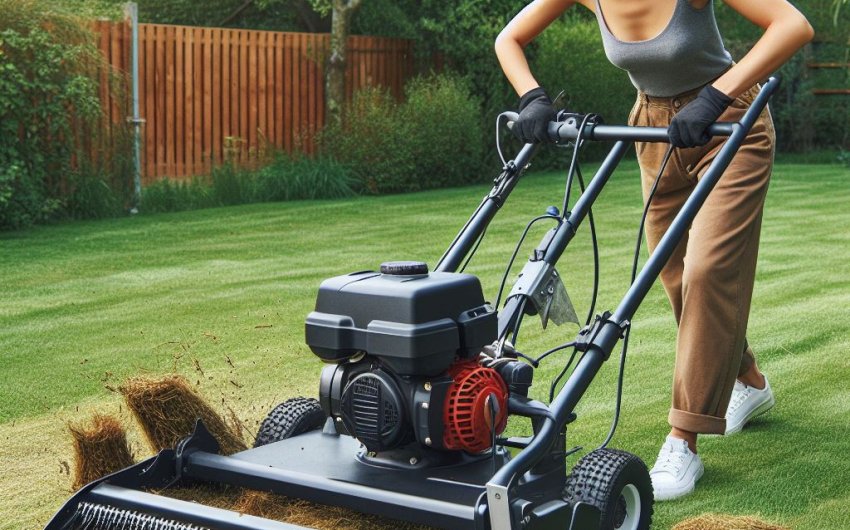
Lawn dethatching methods demystified involve understanding what thatch is, why it's harmful, and choosing the right tools and timing to remove it. Achieving a thatch-free thrive is crucial for your lawn's health, as it ensures proper nutrient and water absorption, leading to a greener, more resilient turf. This guide explains how to effectively manage thatch.
What Exactly is Thatch and Why is it Harmful to Your Lawn?
Thatch is a layer of organic material that accumulates between the green blades of grass and the soil surface, composed of dead grass stems, roots, and other debris. While a thin layer (less than 1/2 inch) can be beneficial, an excessive buildup is detrimental to your lawn. Understanding what thatch is and why it's harmful is the first step in the lawn dethatching methods demystified approach to achieving a thatch-free thrive.
How Does Thatch Form and What are Its Negative Impacts?
Thatch forms as a natural byproduct of lawn growth and decay, but when it accumulates too quickly for microorganisms to break it down, it becomes a problem. Understanding this formation process and its many negative impacts is crucial for effective lawn dethatching methods demystified. Addressing these issues is key to achieving a thatch-free thrive and a healthier lawn.
How Thatch Forms:
- Natural Accumulation: Thatch is a natural layer of undecomposed or partially decomposed organic matter. It consists primarily of dead grass stems, rhizomes (underground stems), stolons (above-ground stems), crowns, and some roots.
- Imbalance of Production vs. Decomposition: It forms when the rate at which organic matter is produced (grass growth) exceeds the rate at which it breaks down (decomposition by soil microorganisms).
- Contributing Factors to Excessive Thatch:
- Over-fertilization (especially nitrogen): Stimulates rapid top growth, leading to more dead organic material.
- Compacted Soil: Reduces air and water movement, which stifles the activity of beneficial microorganisms responsible for decomposition.
- Improper pH: Soil pH outside the optimal range (6.0-7.0) can inhibit microbial activity.
- Pesticide Use: Some pesticides can harm beneficial earthworms and microorganisms that help break down thatch.
- Infrequent Aeration: Prevents soil-dwelling microbes from mixing with the thatch layer.
- Certain Grass Types: Some grass types, particularly those with aggressive stolon/rhizome growth (e.g., Bermuda, Zoysia, St. Augustine), are more prone to thatch buildup.
Negative Impacts of Excessive Thatch (Thicker than 1/2 inch):
- Blocks Water and Nutrients: A thick thatch layer can become hydrophobic (repel water), preventing irrigation or rainfall from reaching the soil and grass roots. Nutrients from fertilizer also get trapped in the thatch instead of reaching the soil.
- Result: Lawns become drought-stressed, even with adequate watering, and suffer from nutrient deficiencies.
- Restricts Air Exchange: Thatch creates a dense barrier that chokes off vital oxygen to the grass roots and beneficial soil microorganisms.
- Result: Weakened roots, reduced microbial activity, and overall poor lawn health.
- Harbors Pests and Diseases: The moist, protected environment within a thick thatch layer is an ideal breeding ground and hiding place for many lawn pests (e.g., chinch bugs, sod webworms) and fungal disease pathogens (e.g., brown patch, dollar spot).
- Result: Increased susceptibility to pest infestations and disease outbreaks.
- Encourages Shallow Rooting: Grass roots tend to grow into the thatch layer itself, seeking moisture and nutrients.
- Result: Creates a shallow, weak root system that is highly vulnerable to heat, drought, and traffic damage.
- Reduced Herbicide Effectiveness: Pre-emergent herbicides can get trapped in the thatch layer, preventing them from forming an effective barrier in the soil where weed seeds germinate.
- Poor Winter Survival: Thatch can create an insulating layer that prevents the soil from freezing properly, leading to increased winter injury or snow mold.
How Do You Know if Your Lawn Needs Dethatching?
Knowing if your lawn needs dethatching is crucial for preventing the negative impacts of excessive thatch and ensuring your lawn dethatching methods demystified approach is well-timed. Many visible signs, combined with a simple inspection, can indicate it's time for this important maintenance step to achieve a thatch-free thrive.
Here's how to tell if your lawn needs dethatching:
- Perform the "Finger Test" (Most Reliable):
- Action: Find an inconspicuous spot in your lawn. Use a trowel or spade to cut a small, pie-shaped wedge of turf, about 2-4 inches deep.
- Observation: Examine the cross-section. You will see green grass blades on top, then a brownish, spongy layer (thatch), and then the soil.
- Diagnosis: If the thatch layer is 1/2 inch thick or more, your lawn needs dethatching. If it's less than 1/2 inch, it's beneficial and usually doesn't require removal.
- Visual Cues and Performance Issues:
- Spongy Feel Underfoot: Your lawn feels excessively soft and spongy when you walk on it, almost like a thick carpet.
- Water Doesn't Penetrate: You water your lawn, but the water beads up on the surface, runs off, or doesn't seem to soak in effectively. This indicates the thatch is acting as a barrier.
- Drought Stress Despite Watering: The grass shows signs of wilting or browning during dry spells, even though you've watered, because the water isn't reaching the roots.
- Weak, Thinning Grass: The lawn appears thin, unhealthy, and is struggling to grow vigorously.
- Increased Pest and Disease Problems: You notice recurring issues with diseases (like brown patch) or pests (like chinch bugs), as thatch provides a perfect habitat for them.
- Poor Response to Fertilizer: You fertilize your lawn, but it doesn't green up or respond as well as it should, indicating nutrients are trapped in the thatch.
- Visible Roots in Thatch: If you see grass roots growing horizontally within the thatch layer instead of vertically down into the soil.
What Does a Healthy Thatch Layer Look Like?
- A thin layer of thatch (less than 1/2 inch) is actually beneficial. It helps insulate the soil, reduce minor fluctuations in soil temperature, and provides some cushioning. This layer decomposes naturally and constantly. Your goal is to manage thatch, not eliminate it entirely.
When is the Best Time to Dethatch Your Lawn?
Knowing when is the best time to dethatch your lawn is as crucial as identifying the need for it. Timing this intensive process incorrectly can severely stress your turf and hinder its recovery. Aligning dethatching with your grass type's active growth phase is a key step in lawn dethatching methods demystified and achieving a healthy, thatch-free thrive.
What Season and Conditions are Ideal for Dethatching Cool-Season Grass?
For cool-season grasses, determining the ideal season and conditions for dethatching is critical to ensure a rapid and healthy recovery. This active growth period allows the turf to quickly fill in any disturbed areas and rebound vigorously. Precision in timing is key for effective lawn dethatching methods demystified for cool-season varieties, guaranteeing a successful path to a thatch-free thrive.
Ideal Time for Dethatching Cool-Season Grasses (Kentucky Bluegrass, Tall Fescue, Fine Fescue, Perennial Ryegrass):
- Best Time: Early Fall (Late August to October).
- Why: This is the most preferred time. Cool-season grasses are actively growing and storing energy in the fall, making them well-equipped to recover from the stress of dethatching.
- Benefits: Moderate air temperatures are ideal for healing. Warm soil temperatures promote rapid root growth. Weed competition from summer annuals is diminishing. It also perfectly precedes fall overseeding and fertilization, allowing new seeds and nutrients to reach the soil effectively.
- Second Best Time: Early Spring (March to Early May).
- Why: Can also be done in early spring, once the grass has fully greened up and before summer heat sets in.
- Risks: If done too late in spring, the stress of dethatching followed by summer heat and potential drought can severely damage the lawn. Spring weed germination is also a factor.
- Avoid:
- Summer: Do not dethatch in summer. Cool-season grasses are often stressed or semi-dormant in the heat, and dethatching will likely kill them.
- Winter: Do not dethatch in winter when the grass is dormant or the ground is frozen.
Ideal Lawn and Weather Conditions for Dethatching Cool-Season Grass:
- Actively Growing Grass: Ensure your lawn is green and actively growing, not dormant or stressed.
- Moist Soil (Not Wet): The soil should be moist enough to allow dethatching equipment to penetrate and pull thatch effectively, but not so wet that it's muddy, which can tear up turf. Water your lawn lightly a day or two before if needed.
- Moderate Temperatures: Aim for daytime temperatures generally between 50-70°F (10-21°C).
- Relatively Dry Thatch: The thatch layer itself should ideally be somewhat dry, as wet thatch is heavy and clogs equipment.
- Upcoming Fertilization/Overseeding: Dethatching is often combined with aeration, overseeding, and fertilization. Timing it before these activities allows nutrients and seeds to directly reach the soil.
What Season and Conditions are Ideal for Dethatching Warm-Season Grass?
For warm-season grasses, choosing the ideal season and conditions for dethatching is essential to ensure vigorous recovery and prevent undue stress. This aggressive maintenance task must coincide with their peak active growth period to minimize harm and maximize benefits. Precision in timing is a key aspect of lawn dethatching methods demystified for warm-season varieties, crucial for a thatch-free thrive.
Ideal Time for Dethatching Warm-Season Grasses (Bermuda, Zoysia, St. Augustine, Centipede, Bahia):
- Best Time: Late Spring to Early Summer (Late April to July).
- Why: This is during their most active growth phase. Warm-season grasses thrive in hot temperatures, so they can recover quickly from the stress of dethatching and rapidly fill in any disturbed areas.
- Benefits: Allows for strong regrowth, especially if followed by a good fertilization and watering program. It also coincides well with the best time for warm-season grass overseeding (if applicable).
- Avoid:
- Early Spring: Do not dethatch too early in spring when warm-season grasses are just breaking dormancy. They are still weak and need energy for green-up, not recovery from dethatching.
- Late Summer/Fall: Dethatching too late in the season (late summer/fall) can stress the grass right before it enters winter dormancy, leading to increased winter injury.
- Winter: Do not dethatch in winter when warm-season grasses are dormant and brown.
Ideal Lawn and Weather Conditions for Dethatching Warm-Season Grass:
- Fully Green and Actively Growing: Your lawn must be completely green and growing vigorously, having fully emerged from winter dormancy.
- Moist Soil (Not Wet): The soil needs to be moist enough for dethatching equipment to work effectively without tearing up the turf, but not saturated. Water your lawn lightly a day or two before if needed.
- Warm Temperatures: Daytime temperatures should be consistently warm, generally between 75-90°F (24-32°C), which is when these grasses are at their most robust.
- Upcoming Fertilization/Overseeding: Dethatching sets the stage for these activities, ensuring nutrients and seeds can reach the soil efficiently.
What Are the Different Lawn Dethatching Methods?
Understanding the different lawn dethatching methods is essential for choosing the right approach for your lawn's specific needs, size, and budget. From manual tools to powerful machines, each method offers varying levels of effectiveness and labor intensity. This breakdown of lawn dethatching methods demystified will help you select the best path to a thatch-free thrive.
How Do Manual Dethatching Tools Work for Smaller Lawns?
For smaller lawns or specific problem areas, manual dethatching tools offer an effective, albeit labor-intensive, approach to removing thatch. These tools put the power directly in your hands, allowing for precise control without the need for heavy machinery. Understanding how manual dethatching tools work is key for homeowners seeking a hands-on method to achieve a thatch-free thrive.
Manual Dethatching Tools:
- Dethatching Rake (Thatch Rake):
- How it Works: This specialized rake has short, rigid, sharp tines (often curved) designed to dig into the thatch layer just above the soil surface. You pull it firmly across the lawn, and the tines physically pull out loosened thatch.
- Pros:
- Inexpensive: Very affordable to purchase.
- Good for Small Areas: Ideal for small lawns, high-thatch spots, or areas inaccessible to power equipment.
- Precise Control: Allows you to focus on specific problem zones.
- Good Exercise: Provides a workout.
- Cons:
- Labor-Intensive: Extremely physically demanding and time-consuming for medium to large lawns.
- Less Effective for Thick Thatch: May struggle to remove very thick, compacted thatch layers effectively compared to power tools.
- Application Tips:
- Mow your lawn low beforehand.
- Work in sections, pulling the rake firmly through the thatch.
- Collect the pulled-up thatch as you go.
- A dethatching rake is a must-have for smaller yards.
- Regular Garden Rake (with limitations):
- How it Works: While not designed for dethatching, a very stiff, heavy-duty garden rake can be used for very light thatch removal or to loosen up the surface after mowing.
- Pros: Already have one.
- Cons: Not very effective for significant thatch. Primarily good for surface debris.
- Application Tips: Use vigorously but carefully to avoid damaging healthy grass.
Advantages of Manual Dethatching for Smaller Lawns:
- Cost-Effective: Minimal upfront investment.
- Environmentally Friendly: No fuel emissions, no chemical use.
- Targeted: Allows you to focus efforts on specific problem areas.
- Gentle (with care): Less aggressive than power machines, reducing risk of excessive turf damage.
How Do Power Dethatchers and Verticutters Operate for Larger Lawns?
For larger lawns with significant thatch buildup, power dethatchers and verticutters are the most efficient and effective lawn dethatching methods demystified. These machines aggressively remove excessive thatch, preparing your turf for improved health and vigor. Understanding how power dethatchers and verticutters operate is key for homeowners needing robust solutions to achieve a thatch-free thrive.
Power Dethatchers (also called Power Rakes or Dethatcher Machines):
- How They Operate: These motorized machines typically use a spinning cylinder with vertical tines, flails, or blades that aggressively rotate and mechanically pull up the thatch from the lawn surface.
- Mechanism: The tines penetrate the thatch layer, catch the dead organic material, and lift it to the surface where it can be collected.
- Pros:
- Highly Efficient: Can cover large areas quickly and effectively.
- Deep Thatch Removal: Much more effective at removing thick, compacted thatch layers than manual methods.
- Less Labor-Intensive: Significantly reduces physical effort compared to a thatch rake.
- Cons:
- Can Be Aggressive: If set too deep or used improperly, can damage healthy grass.
- Requires Collection: Generates a large amount of debris that needs to be raked up and disposed of.
- Rental Cost/Purchase: Requires rental or purchase, which is an investment.
- Maintenance: Need to be cleaned and refueled.
- Application Tips:
- Adjust Depth: Crucially, set the tines to the correct depth (just touching the soil surface or slightly below) to remove thatch without severely tearing up healthy grass roots.
- Make Multiple Passes: For very thick thatch, make one pass in one direction, then a second pass perpendicular to the first.
- Mow Low: Mow the lawn to its lowest recommended height beforehand.
- Moist Soil: Work on moist (not wet) soil.
- Collect Debris: Be prepared to rake up a substantial amount of thatch debris. A lawn sweeper can help with collection.
- Recommendation: Rent a power dethatcher from a home improvement store.
Verticutters (Vertical Mowers or Slit Seeders - when used for thatch):
- How They Operate: Similar to a power dethatcher, but often uses stiffer, more narrowly spaced vertical blades that slice down into the soil and thatch layer.
- Mechanism: These blades slice through the thatch, often cutting existing grass stolons and rhizomes, which can stimulate new growth (for warm-season grasses). They also create slits in the soil.
- Pros:
- Very Effective: Excellent for severe thatch and for preparing a seedbed for overseeding.
- Stimulates Growth: The slicing action can be beneficial for warm-season grasses that spread by stolons/rhizomes.
- Dual Purpose: Can be used for thatch removal and overseeding simultaneously if equipped as a slit seeder.
- Cons:
- More Aggressive: Can cause more visible disruption to the lawn than a standard power dethatcher.
- Requires More Skill: Improper use can damage the turf.
- Typically Rental: Usually larger, heavier machines available for rent.
- Application Tips:
- Adjust Blade Depth: Set carefully to just penetrate the thatch layer and lightly nick the soil.
- Combine with Overseeding: The slits created are perfect for grass seed, making it ideal to follow immediately with overseeding.
- Recommendation: A verticutter rental is best for very thick thatch or if you plan to overseed.
How Do You Care for Your Lawn After Dethatching?
Caring for your lawn immediately after dethatching is just as important as the dethatching itself, ensuring rapid recovery and maximizing the benefits. This post-dethatching care is crucial for your lawn to achieve a healthy, thatch-free thrive and is a critical component of lawn dethatching methods demystified. Neglecting these steps can hinder recovery and reduce the impact of your efforts.
What are the Essential Steps for Lawn Recovery After Dethatching?
The essential steps for lawn recovery after dethatching focus on providing optimal conditions for regrowth and rejuvenation, allowing your turf to heal and strengthen. Dethatching is an aggressive process, so diligent follow-up care is paramount for achieving a healthy, thatch-free thrive. These actions are crucial for effective lawn dethatching methods demystified.
Here are the essential steps for lawn recovery after dethatching:
- Clean Up All Debris (Crucial!):
- Action: Immediately after dethatching, thoroughly rake up and remove all the loosened thatch debris from your lawn. You will be surprised how much there is!
- Why: Leaving it on the lawn will smother the grass, block sunlight, and prevent water/nutrients from reaching the soil. It can also harbor pests and diseases.
- Equipment: Use a stiff rake or consider a lawn sweeper for larger areas.
- Disposal: Compost it if you have a robust compost pile and no disease issues, or dispose of it in yard waste bags.
- Overseed (Highly Recommended):
- Action: Immediately after dethatching (and cleaning up debris), spread high-quality grass seed over your entire lawn or specifically on thin and bare spots.
- Why: Dethatching (especially if combined with aeration) creates an ideal seedbed, allowing excellent seed-to-soil contact. Overseeding helps thicken your lawn, fill in any sparse areas, and introduce newer, more resilient grass varieties.
- Seed Choice: Select a grass seed blend appropriate for your climate and existing grass type. A good lawn overseeding mix is essential.
- Apply Starter Fertilizer:
- Action: Immediately after spreading seed, apply a starter fertilizer (high in phosphorus) to promote strong root development in the new seedlings.
- Why: New grass needs phosphorus to establish a robust root system.
- Water Consistently (Critical!):
- Action: Begin watering your lawn immediately after dethatching, overseeding, and fertilizing. Keep the top inch or two of the soil consistently moist (but not soggy) for the next 2-3 weeks, or until new grass has germinated and is established.
- Why: New seeds need constant moisture to germinate. Even a brief drying out can kill sprouting seeds. The disturbed existing grass also needs consistent water to recover.
- Method: Water lightly and frequently (2-3 times a day) in the early morning. A programmable hose timer is invaluable here.
- Traffic Control:
- Action: Minimize foot traffic, pet activity, and lawn equipment use on the dethatched and newly seeded areas for at least 2-3 weeks.
- Why: Protects fragile new seedlings and prevents compaction of the newly loosened soil.
What Ongoing Care Prevents Future Thatch Buildup?
Ongoing care is paramount for preventing future thatch buildup, ensuring your lawn maintains its healthy, thatch-free thrive long after initial dethatching. Consistent adherence to proper lawn care practices is the best defense, cultivating an environment where organic matter decomposes naturally. These strategies are integral to a sustainable lawn dethatching methods demystified approach.
Here's what ongoing care prevents future thatch buildup:
- Mow at the Correct Height (Taller):
- Why it helps: Taller grass promotes deeper root growth and a healthier plant overall. It also encourages a slower, healthier decomposition of existing organic matter. Scalping (cutting too short) stresses the grass, leading to more dead material and often shallow roots, which can exacerbate thatch.
- Action: Maintain the highest recommended mowing height for your grass type.
- Leave Grass Clippings (Mulch Mowing) - The Right Way:
- Why it helps: Short, fine grass clippings are an excellent source of nitrogen and organic matter. As they decompose, they feed the soil and promote microbial activity, which in turn helps break down thatch. Many studies show that leaving short clippings does NOT contribute to thatch.
- Action: Always follow the "one-third rule" (never remove more than one-third of the grass blade at once) to ensure clippings are short. Use a mulching mower for best results.
- Water Deeply and Infrequently:
- Why it helps: Encourages deep root growth and allows air to penetrate the soil surface between waterings. This supports beneficial microorganisms that break down thatch. Constant surface wetness can lead to a mushy thatch layer that resists decomposition.
- Action: Water thoroughly when the lawn shows signs of thirst.
- Fertilize Appropriately (Avoid Over-fertilization):
- Why it helps: A balanced fertilization program provides grass with the nutrients it needs without promoting excessive, rapid top growth, which contributes to thatch. Over-fertilizing, especially with nitrogen, can stimulate lush growth that dies back quickly, adding to the thatch layer.
- Action: Base your fertilization on a soil test and use slow-release, balanced fertilizers. Consider organic lawn fertilizers.
- Aerate Regularly:
- Why it helps: Core aeration is crucial. It directly relieves compaction and, importantly, brings soil microorganisms from the deeper soil up into the thatch layer. These microbes are essential for breaking down thatch.
- Action: Aerate annually or biennially.
- Maintain Optimal Soil pH:
- Why it helps: Beneficial soil microorganisms (which break down thatch) thrive within a specific pH range (typically 6.0-7.0). If the pH is too high or too low, their activity is inhibited, slowing down thatch decomposition.
- Action: Conduct a soil test every 3-5 years and amend with lime or sulfur as needed to balance the pH. A soil pH test kit is useful for regular checks.
- Topdressing with Compost:
- Why it helps: Regularly applying a thin layer of compost (especially after aeration) introduces fresh organic matter and a healthy dose of beneficial microbes directly into the soil and thatch layer, speeding up decomposition.
- Action: Apply a thin layer of compost for lawns once or twice a year.
By demystifying lawn dethatching methods and embracing a holistic approach, you empower yourself to achieve a true thatch-free thrive. Understanding what thatch is, when and how to remove it, and implementing diligent ongoing care practices ensures your lawn remains healthy, vibrant, and resilient. This comprehensive strategy is key to enjoying a lush, green turf that optimally absorbs water and nutrients for years to come.