
Nature's Arsenal: Non-Toxic Alternatives to Chemical Pesticides
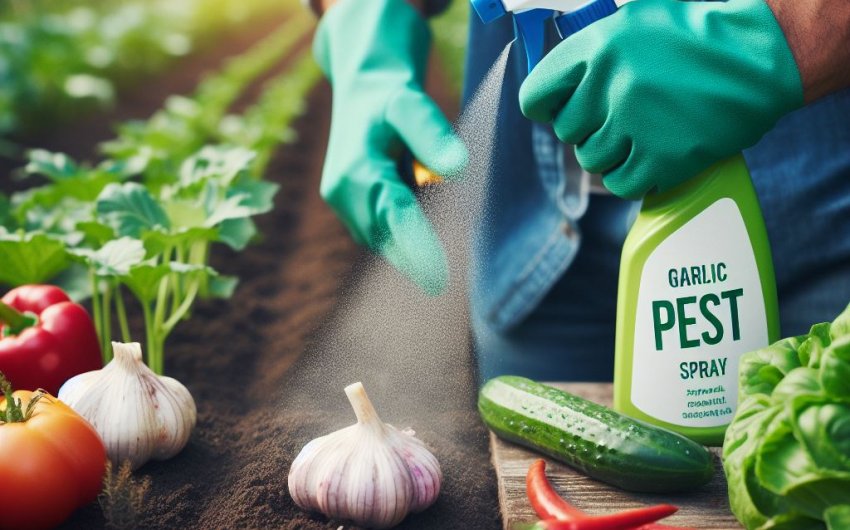
Nature's arsenal offers a vast array of non-toxic alternatives to chemical pesticides, providing effective and environmentally sound ways to manage pests in your garden. These sustainable methods prioritize prevention, ecological balance, and natural substances to protect your plants without harming beneficial organisms, people, or the planet. This guide details safe and powerful solutions for a healthy garden.
Why Should You Choose Non-Toxic Pest Control?
Choosing non-toxic pest control is a conscious and crucial decision for cultivating a healthier, safer, and more vibrant garden and home environment. Traditional chemical pesticides can offer quick fixes but often come with hidden costs and unintended consequences. Opting for non-toxic alternatives to chemical pesticides means embracing nature's arsenal to protect your plants and well-being.
What are the Dangers of Chemical Pesticides?
The dangers of chemical pesticides extend far beyond simply killing nuisance bugs, posing significant risks to human health, beneficial insects, pets, and the wider environment. While often effective at their intended purpose, their broad-spectrum action and persistence can have severe unintended consequences. Understanding these hazards highlights why embracing non-toxic alternatives to chemical pesticides is so vital for a healthy ecosystem.
Here are the dangers of chemical pesticides:
- Harm to Human Health:
- Direct Exposure: Can cause immediate symptoms like skin irritation, eye damage, respiratory problems, headaches, and nausea.
- Long-Term Effects: Linked to more serious chronic conditions, including neurological disorders, endocrine disruption, certain cancers, and reproductive issues, especially with prolonged exposure.
- Vulnerable Populations: Children, pregnant women, and individuals with compromised immune systems are particularly susceptible to the negative effects.
- Residue on Food: Traces of pesticides can remain on fruits and vegetables, leading to dietary exposure.
- Damage to Beneficial Insects and Pollinators:
- Non-Selective Killing: Many chemical pesticides are broad-spectrum, meaning they kill indiscriminately. They don't just target pests; they also kill beneficial insects like ladybugs, lacewings, parasitic wasps, and ground beetles that naturally control pest populations.
- Pollinator Decline: Hugely detrimental to vital pollinators like bees (honeybees, bumblebees) and butterflies, contributing to their alarming population declines. Pesticides can kill them directly, or impair their navigation, foraging, and reproduction.
- Environmental Contamination:
- Water Pollution: Rain and irrigation can wash pesticides from your garden into storm drains, rivers, lakes, and oceans, contaminating water sources and harming aquatic life.
- Soil Contamination: Pesticides can accumulate in the soil, affecting soil microorganisms crucial for nutrient cycling and overall soil health.
- Air Drift: Sprayed pesticides can drift on wind currents, contaminating neighboring properties, natural areas, and even distant regions.
- Harm to Pets and Wildlife:
- Direct Ingestion: Pets can ingest pesticide residues by walking on treated lawns or chewing on treated plants.
- Secondary Poisoning: Birds, small mammals, and other wildlife can be poisoned by eating insects that have been exposed to pesticides.
- Habitat Destruction: Reduces the food sources (insects) and overall health of ecosystems, impacting the entire food web.
- Pest Resistance:
- Evolutionary Pressure: Over-reliance on a single type of chemical pesticide creates strong selective pressure, leading to pests developing resistance to that chemical over time.
- "Pesticide Treadmill": This forces users to apply stronger doses or switch to even harsher chemicals, creating an endless cycle.
- Destroying Natural Balance: By killing off natural predators, chemical pesticides can disrupt the ecological balance in your garden, sometimes leading to secondary pest outbreaks (where a minor pest becomes a major problem because its natural enemies are gone).
What are the Benefits of a Chemical-Free Garden and Home?
A chemical-free garden and home offers a sanctuary of health and vitality, providing a safe haven for your family, pets, and the wider ecosystem. By embracing non-toxic pest control, you unlock a multitude of benefits that extend far beyond simply dealing with bugs. Understanding these advantages highlights why choosing nature's arsenal is such a powerful and positive shift.
Here are the benefits of a chemical-free garden and home:
- Enhanced Safety for Family and Pets:
- Peace of Mind: No worries about children playing barefoot on the lawn, pets nibbling on plants, or inhaling airborne residues.
- Reduced Health Risks: Minimizes exposure to potential carcinogens, neurotoxins, and endocrine disruptors associated with many chemical pesticides.
- Protection of Beneficial Insects and Pollinators:
- Thriving Ecosystem: Allows natural predators (ladybugs, lacewings, predatory wasps) to flourish, providing free and effective pest control.
- Supports Pollination: Essential for fruit and vegetable production, and vital for the health of wild plant populations. Your garden becomes a haven for bees and butterflies.
- Improved Environmental Health:
- Clean Waterways: Eliminates pesticide runoff, preventing contamination of local rivers, lakes, and oceans.
- Healthy Soil: Supports a diverse community of soil microorganisms and earthworms, which are crucial for nutrient cycling, soil structure, and plant vitality.
- Cleaner Air: Reduces airborne pollutants from pesticide application.
- Sustainable and Resilient Garden:
- Natural Balance: Encourages the establishment of a self-regulating ecosystem where nature handles most pest problems.
- Stronger Plants: Healthy plants grown in rich, living soil are inherently more resistant to pests and diseases.
- Long-Term Solutions: Focuses on prevention and ecological health, rather than temporary chemical fixes.
- More Diverse and Vibrant Ecosystem:
- Attracts a wider variety of birds, beneficial insects, and other wildlife, making your garden a lively and engaging space.
- Promotes biodiversity, contributing to a healthier planet.
- Empowerment and Education:
- Learning about natural pest control methods deepens your understanding of ecology and gardening.
- Provides a sense of accomplishment in cultivating a thriving, chemical-free environment.
- Better-Tasting Produce: If you grow fruits and vegetables, they will be free from synthetic pesticide residues, often leading to a purer flavor.
What is Integrated Pest Management (IPM) for Non-Toxic Control?
Integrated Pest Management (IPM) is a foundational philosophy for effective non-toxic pest control, emphasizing a holistic and strategic approach rather than relying solely on single solutions. It’s a cyclical process of observation, prevention, and targeted intervention that uses multiple, often natural, tactics. Understanding IPM is key to harnessing nature's arsenal for sustainable pest management.
How Does IPM Work to Control Pests with Minimal Harm?
Integrated Pest Management (IPM) works by systematically addressing pest problems with minimal harm to the environment, focusing on prevention, monitoring, and diverse control methods. It's an intelligent, multi-layered approach to non-toxic pest control that leverages understanding of pest biology and ecosystem dynamics. IPM ensures you use nature's arsenal effectively, only escalating intervention when necessary.
How IPM Works (Key Principles and Steps):
- Identification:
- Accurate Diagnosis: The first and most critical step. Correctly identify the specific pest causing the problem. Misidentification can lead to ineffective and unnecessary treatments.
- Know the Life Cycle: Understand the pest's biology, habits, and life stages. This is crucial for knowing when and where they are most vulnerable.
- Monitoring and Scouting:
- Regular Inspections: Frequently inspect your plants and garden for early signs of pest activity or damage. Early detection makes control much easier.
- Pest Traps: Use sticky traps or pheromone traps to monitor pest populations and determine if numbers are increasing.
- Establish Action Thresholds: Not every pest sighting requires intervention. IPM sets thresholds for when pest populations or damage levels become economically or aesthetically unacceptable, prompting action.
- Prevention (Cultural Controls):
- Healthy Plants: The best defense. Strong, healthy plants are naturally more resistant to pests.
- Proper Watering: Avoid over or under-watering.
- Appropriate Fertilization: Don't over-fertilize, especially with nitrogen. Use organic options.
- Good Air Circulation: Space plants correctly, prune for airflow.
- Right Plant, Right Place: Choose plants suited to your climate and site conditions.
- Sanitation: Remove and destroy diseased or heavily infested plant parts. Clear garden debris where pests might overwinter.
- Weed Control: Manage weeds that can act as alternative hosts for pests.
- Companion Planting: Grow plants together that repel pests or attract beneficial insects.
- Healthy Plants: The best defense. Strong, healthy plants are naturally more resistant to pests.
- Control Methods (Least Toxic First - Escalation):
- Mechanical/Physical Controls:
- Hand-picking: For larger pests (slugs, hornworms).
- Barriers: Row covers to exclude insects, copper tape for slugs. A garden row cover kit can be very effective.
- Traps: Sticky traps for whiteflies, fruit fly traps.
- Strong Water Spray: To dislodge aphids, spider mites.
- Biological Controls:
- Beneficial Insects: Encourage or release natural predators like ladybugs, lacewings, parasitic wasps, predatory mites.
- Beneficial Nematodes: Microscopic worms that target specific soil pests (e.g., grubs, flea beetle larvae). A beneficial nematodes grub killer is a great organic option.
- Organic/Botanical Controls:
- Insecticidal Soaps: For soft-bodied insects (aphids, mites, whiteflies).
- Horticultural Oils: Suffocates a range of pests and eggs.
- Neem Oil: Acts as an antifeedant, repellent, and growth regulator.
- Bacillus thuringiensis (Bt): A bacterium that specifically targets caterpillars.
- Conventional Pesticides (Last Resort in Traditional IPM): In strictly non-toxic IPM, these are avoided entirely. If used (e.g., by commercial growers), they are highly targeted, used minimally, and rotated to prevent resistance.
- Mechanical/Physical Controls:
- Evaluation:
- Assess Effectiveness: After implementing control measures, monitor the results. Did the chosen method work?
- Adjust Strategy: If the problem persists, re-evaluate and choose a different method or combination. IPM is a dynamic process.
What Role Do Beneficial Insects Play in Your Garden's Ecosystem?
Beneficial insects are the unsung heroes of your garden's ecosystem, playing a vital role in natural pest control and pollination. By attracting and protecting these allies, you empower nature's arsenal to manage pests for you, drastically reducing the need for chemical intervention. Understanding their contributions is fundamental to successful non-toxic pest control and a thriving garden.
The Role of Beneficial Insects in Your Garden:
- Natural Pest Control (Predators and Parasitoids):
- Predators: These insects actively hunt and consume pest insects. They are a highly effective, continuous form of pest control.
- Examples:
- Ladybugs (Lady Beetles): Voracious eaters of aphids, mites, and scale insects. Both adults and larvae are predatory.
- Lacewings: Larvae (often called "aphid lions") are formidable predators of aphids, mealybugs, thrips, and other soft-bodied pests.
- Hoverflies (Syrphid Flies): Adult flies resemble bees, but their larvae are efficient aphid predators.
- Predatory Mites: Target spider mites.
- Ground Beetles: Primarily nocturnal, they feed on slugs, snails, cutworms, cabbage maggots, and other soil-dwelling pests.
- Praying Mantises: Large, generalist predators that eat a wide range of insects.
- Examples:
- Parasitoids: These insects lay their eggs on or inside host pest insects. The developing parasitoid larva then feeds on and eventually kills the host.
- Examples: Tiny parasitic wasps (e.g., Braconid wasps) that attack aphids, caterpillars, whiteflies, and scale.
- Predators: These insects actively hunt and consume pest insects. They are a highly effective, continuous form of pest control.
- Pollination:
- Essential for Reproduction: Many beneficial insects, especially bees (honeybees, bumblebees, solitary bees) and butterflies, are critical pollinators for fruits, vegetables, and flowering plants.
- Increased Yields: Ensures good fruit set and seed production in your garden.
- Decomposition and Soil Health:
- Mechanism: Some insects (e.g., certain beetles, springtails) contribute to the breakdown of organic matter in the soil, helping to cycle nutrients.
- Benefit: Improves overall soil health, which in turn supports stronger, more pest-resistant plants.
How to Attract and Protect Beneficial Insects:
- Plant Diversity: Grow a variety of flowering plants that provide nectar and pollen throughout the growing season.
- Favorites: Plants with small, accessible flowers (e.g., dill, fennel, cilantro, parsley, cosmos, yarrow, sweet alyssum) are particularly attractive.
- Native Plants: Often excellent food sources and habitats for native beneficial insects. Consider adding pollinator friendly wild flower seeds.
- Avoid Chemical Pesticides: This is paramount. Broad-spectrum pesticides kill beneficials along with pests.
- Provide Water Sources: A shallow dish with pebbles or a bird bath can provide water for insects.
- Offer Shelter: Leave small areas of undisturbed soil, leaf litter, or brush piles where beneficials can overwinter or shelter.
- Companion Planting: Some plants can actively repel pests or attract beneficials when planted near certain crops.
- Purchase and Release (Supplemental): You can purchase beneficial insects (like live ladybugs for garden or lacewing larvae) for release, but ensure your garden provides a welcoming habitat for them to stay.
What are Effective Organic and Botanical Pest Control Methods?
When prevention and beneficial insects need a boost, effective organic and botanical pest control methods offer powerful, targeted solutions without the harshness of synthetic chemicals. These options harness nature's arsenal to tackle specific pest problems, providing a safe and sustainable way to protect your plants. Understanding these tools is key to successful non-toxic pest control.
How Do Insecticidal Soaps and Horticultural Oils Work?
Insecticidal soaps and horticultural oils are two highly effective and widely used non-toxic alternatives to chemical pesticides, providing immediate results against many common garden pests. They work through physical means rather than poisoning, making them safe for people, pets, and the environment when used correctly. Understanding their modes of action is crucial for nature's arsenal.
Insecticidal Soaps:
- How They Work:
- Mode of Action: These are specially formulated soaps made from potassium salts of fatty acids. They work as contact insecticides, meaning they must directly hit the pest to be effective.
- Disrupt Cell Membranes: When the soap solution contacts soft-bodied insects, it dissolves or disrupts their outer protective layer (exoskeleton) and suffocates them by interfering with their breathing pores (spiracles).
- No Residual Effect: Once the spray dries, it loses its insecticidal properties, meaning it poses minimal harm to beneficial insects that arrive later.
- Target Pests: Highly effective against soft-bodied insects such as:
- Aphids
- Spider Mites
- Whiteflies
- Mealybugs
- Thrips
- Scale Crawlers (the mobile nymph stage)
- Application Tips:
- Direct Contact: Thoroughly spray affected plants, ensuring complete coverage of pests, including the undersides of leaves.
- Test First: Always test a small, inconspicuous area of the plant first to check for sensitivity, especially on young or stressed plants.
- Water Quality: Use soft water if possible, as hard water can reduce effectiveness.
- Reapply as Needed: Since there's no residual effect, reapply every 5-7 days if pest populations persist.
- Ready-to-use: Convenient insecticidal soap spray options are available.
- Pros: Safe, non-toxic, breaks down quickly, targets soft-bodied pests.
- Cons: Only works on contact, can sometimes cause slight leaf burn on sensitive plants, requires reapplication.
Horticultural Oils (e.g., Neem Oil, Mineral Oil, Soybean Oil):
- How They Work:
- Mode of Action: These are highly refined oils (often mineral-based, vegetable-based, or neem-based) that work by smothering insects and mites. They coat the pests, blocking their breathing pores.
- Disrupt Life Cycle: They can also disrupt insect feeding, mating, and egg-laying, and even kill insect eggs and overwintering stages.
- No Persistent Residue: Like insecticidal soaps, they typically break down relatively quickly, minimizing harm to beneficial insects once dry.
- Target Pests: Effective against a wider range of pests than insecticidal soaps, including:
- Aphids
- Spider Mites (especially effective)
- Whiteflies
- Mealybugs
- Scale Insects (especially dormant stage and crawlers)
- Thrips
- Leafhoppers
- Some caterpillar eggs
- Application Tips:
- Thorough Coverage: Coat all parts of the plant, especially undersides of leaves, to ensure pests are smothered.
- Test First: Crucial to test a small area of the plant for sensitivity, especially in hot, humid, or extremely cold conditions.
- Temperature Matters: Avoid applying when temperatures are above 90°F (32°C) or below 40°F (4°C), or when plants are stressed, as this can cause leaf burn.
- Timing: Apply during cooler parts of the day.
- Dormant vs. Growing Season: "Dormant oils" are heavier and used on deciduous plants in winter. "Summer oils" are lighter and safe for use on foliage during the growing season. A horticultural oil spray is typically labeled for both.
- Pros: Broad-spectrum, suffocates pests, low toxicity, effective against eggs/overwintering stages, often fungicidal properties (e.g., neem oil).
- Cons: Can cause leaf burn if used improperly, requires reapplication.
What are Botanical Insecticides and Biological Controls?
Botanical insecticides and biological controls represent advanced, yet natural, tools within nature's arsenal for non-toxic pest control. Botanical insecticides derive from plants, offering targeted action with lower environmental impact, while biological controls harness living organisms to manage pests. Understanding these methods is key to effective and sustainable garden protection.
Botanical Insecticides:
These are pesticides derived from naturally occurring plants. While considered "natural," they can still be potent and should be used with caution and according to label instructions.
- Neem Oil (Azadirachtin):
- Source: Extracted from the seeds of the neem tree.
- How it Works: More than just an oil, its active compound, azadirachtin, acts as an antifeedant (pests stop eating treated plants), growth regulator (disrupts insect hormones, preventing them from maturing), and repellent. Some systemic action can occur when absorbed by the plant.
- Target Pests: Wide range of insects including aphids, whiteflies, mealybugs, leaf miners, spider mites, thrips, and young caterpillars. Also has some fungicidal properties (e.g., powdery mildew).
- Pros: Broad-spectrum but generally considered safer for beneficials (as they don't consume the treated plant) and the environment. Breaks down relatively quickly.
- Application: Dilute concentrate and spray thoroughly. Reapply every 7-10 days if needed. A cold-pressed neem oil concentrate is a versatile product.
- Pyrethrins (Natural Pyrethrum):
- Source: Extracted from chrysanthemum flowers.
- How it Works: Acts as a neurotoxin, causing rapid "knockdown" (paralysis) and death of insects on contact.
- Target Pests: Very broad-spectrum, effective against many flying and crawling insects, including aphids, whiteflies, beetles, caterpillars, and ants.
- Pros: Very fast acting, breaks down quickly in sunlight (low residual effect).
- Cons: Can be harmful to beneficial insects (including bees) if they are directly sprayed or come into contact while wet. Use cautiously, targeting only affected plants and during non-pollinator activity times (e.g., evening).
- Rotenone: (Less commonly used now due to higher toxicity concerns)
- Source: Derived from the roots of tropical plants (e.g., Derris spp.).
- How it Works: Acts as a stomach and contact poison, disrupting cellular respiration.
- Cons: While natural, it's highly toxic to fish and can be harmful to beneficial insects and humans. Its use has declined, and it's restricted in many areas. Generally not recommended for home gardeners aiming for non-toxic solutions.
Biological Controls (Microbial Insecticides):
These utilize living microorganisms or their byproducts to control pests.
- Bacillus thuringiensis (Bt):
- Source: A naturally occurring soil bacterium.
- How it Works: Produces protein crystals that are toxic only to specific insect groups when ingested. The crystals dissolve in the alkaline gut of susceptible insects, causing them to stop feeding and eventually die. It is harmless to humans, pets, birds, fish, and other insects.
- Target Pests: Different strains target different pests:
- Bt var. kurstaki (Btk): Effective against many caterpillars (cabbage loopers, tomato hornworms, armyworms, tent caterpillars).
- Bt var. israelensis (Bti): Targets mosquito and black fly larvae.
- Bt var. galleriae (Btg): Targets Japanese beetle larvae (grubs).
- Pros: Highly specific, targets pests without harming beneficial insects or other wildlife. Very safe.
- Application: Mix with water and spray on foliage where caterpillars are feeding. Needs to be reapplied after rain. A Bt caterpillar killer is a popular choice.
- Beneficial Nematodes:
- Source: Microscopic, naturally occurring roundworms. Different species target different pests.
- How it Works: They are parasites that actively seek out and infect certain insect larvae (e.g., grubs, cutworms) in the soil. They enter the pest's body, release bacteria that kill it, and then reproduce inside.
- Target Pests: Primarily soil-dwelling insect larvae, including grubs (Japanese beetle, June beetle), flea beetle larvae, cutworms, sod webworms, fungus gnat larvae, and others.
- Pros: Highly specific, non-toxic to humans, pets, plants, and non-target insects. Effective for difficult-to-reach soil pests.
- Application: Mix with water and apply to moist soil. Water immediately after application to help them penetrate. Available as a beneficial nematodes grub control.
What are Physical Barriers and Mechanical Pest Control Methods?
When it comes to non-toxic pest control, physical barriers and mechanical methods offer highly effective, direct ways to protect your plants without any chemical applications. These strategies leverage simple tools and techniques from nature's arsenal to either remove pests or prevent them from ever reaching your plants. They are excellent choices for targeted and immediate pest management.
How Can Row Covers and Traps Protect Your Plants?
Row covers and traps are simple yet highly effective physical barriers and mechanical pest control methods that offer immediate and chemical-free protection for your garden plants. These tools are invaluable for non-toxic pest control, shielding crops from unwanted insects and monitoring pest populations. Integrating them into nature's arsenal helps to proactively safeguard your harvest.
Row Covers:
- What they are: Lightweight, breathable fabric made of spun-bonded polypropylene or similar material that is draped over plants or supported by hoops.
- How they work: Act as a physical barrier, preventing flying and crawling insects from landing on plants, feeding, or laying eggs.
- Benefits for Protection:
- Excludes Pests: Keeps out a wide range of common pests, including cabbage moths (preventing cabbage worms), squash bugs, cucumber beetles, flea beetles, onion maggots, and carrot rust flies.
- Chemical-Free: Provides protection without any sprays.
- Other Benefits: Can also offer slight protection from light frost, wind, and intense sun.
- Application Tips:
- Install Early: Place row covers immediately after planting or seeding, before pests arrive or emerge.
- Secure Edges: Anchor the edges firmly with soil, rocks, or garden fabric staples to prevent pests from crawling underneath.
- Pollination: Remove covers from plants that require insect pollination (e.g., squash, cucumbers) once they start flowering, or hand-pollinate.
- Types: Available in various weights and sizes. You can find floating row covers that rest directly on plants or use garden hoops for row covers for more headroom.
- Cons: Can be cumbersome to manage, may exclude beneficial insects as well, needs removal for pollination.
Traps:
- What they are: Devices designed to attract and capture specific pests.
- How they work: Lure pests using visual cues (color), scents (pheromones, kairomones), or food baits, then capture them on a sticky surface, in a container, or drown them.
- Benefits for Protection:
- Monitoring: Primarily used to monitor pest populations, helping you determine when pest numbers are increasing and when control measures might be needed.
- Mass Trapping (Sometimes): For some pests, if populations are low or localized, traps can help reduce numbers.
- Chemical-Free: No pesticides used.
- Types of Traps:
- Sticky Traps: Brightly colored (often yellow or blue) cards coated with a sticky adhesive. Attracts flying insects.
- Target Pests: Whiteflies, aphids, fungus gnats, thrips, leafminers. A yellow sticky trap is very common.
- Pheromone Traps: Use synthetic insect sex hormones to attract male insects.
- Target Pests: Specific moths (e.g., codling moth), Japanese beetles (use with caution, see below).
- Bait Traps: Use food or other attractants.
- Target Pests: Slugs and snails (beer traps), fruit flies (vinegar traps), earwigs (rolled newspaper).
- Sticky Traps: Brightly colored (often yellow or blue) cards coated with a sticky adhesive. Attracts flying insects.
- Application Tips:
- Placement: Place traps strategically near affected plants, but sometimes away from them if the trap attracts pests to the area (e.g., Japanese beetle traps can attract more beetles than they catch).
- Regular Check: Monitor traps frequently and empty or replace them as needed.
- Identify First: Ensure you know what pest you're trying to trap.
- Cons: Not always effective for large infestations, some traps (like Japanese beetle traps) can draw more pests into your garden than they capture, requiring careful placement away from desired plants.
What are Manual Removal and Cultural Practices for Pest Control?
Manual removal and cultural practices are fundamental, hands-on approaches to non-toxic pest control, representing some of the simplest yet most effective techniques from nature's arsenal. These methods empower gardeners to proactively manage pests directly or indirectly, fostering a healthier garden environment without reliance on chemical sprays. They are core components of an integrated pest management plan.
Manual Removal Methods:
- Hand-Picking:
- How it works: Physically pick pests off plants and dispose of them (e.g., crush them, drop them into a bucket of soapy water).
- Best for: Larger, slower-moving insects like slugs, snails, tomato hornworms, squash bugs, Japanese beetles, and large caterpillars.
- Benefits: Highly targeted, immediate, chemical-free.
- Tips: Check plants daily, especially undersides of leaves. Do it in the early morning or evening when some pests are more active.
- Blasting with Water:
- How it works: Use a strong stream of water from a garden hose to dislodge soft-bodied pests from plants.
- Best for: Aphids, spider mites, and whiteflies.
- Benefits: Quick, chemical-free, effective.
- Tips: Do this in the morning so foliage dries quickly to prevent fungal diseases. Repeat as needed. A garden hose nozzle with jet spray is useful.
- Pruning/Removing Infested Parts:
- How it works: Cut off and destroy leaves, stems, or branches that are heavily infested with pests or show signs of disease.
- Best for: Localized infestations (e.g., a few aphid-covered leaves), or if plants are heavily diseased.
- Benefits: Prevents spread, immediately reduces pest population.
- Tips: Dispose of infected material in the trash, not compost, to avoid spreading pests or diseases. Use clean, sharp pruning shears.
Cultural Practices (Preventative and Supportive):
- Promote Plant Health (Your First Line of Defense):
- How it works: Healthy, vigorous plants are more resistant to pest infestations and can often tolerate some damage without succumbing.
- Actions:
- Proper Soil: Ensure good soil structure and fertility (add compost!).
- Right Plant, Right Place: Choose plants suited to your climate, sun exposure, and soil pH.
- Appropriate Watering: Water deeply and infrequently to encourage strong root systems.
- Balanced Fertilization: Use organic fertilizers to promote steady growth, avoiding excessive nitrogen that can produce tender, attractive foliage for pests.
- Benefits: Reduces plant stress, making them naturally less appealing and more resilient to pests.
- Sanitation and Garden Cleanliness:
- How it works: Removing potential hiding spots and breeding grounds for pests.
- Actions:
- Remove Debris: Clear fallen leaves, weeds, and spent plant material from garden beds.
- Clean Tools: Sanitize gardening tools regularly to prevent disease spread.
- Destroy Infested Plants: Promptly remove and dispose of heavily infested plants.
- Benefits: Reduces overwintering pest populations and prevents initial infestations.
- Crop Rotation (for vegetable gardens):
- How it works: Planting different families of crops in different areas of the garden each year.
- Benefits: Breaks the life cycle of soil-borne pests and diseases that might build up in one spot if the same crop is grown repeatedly.
- Companion Planting:
- How it works: Strategically planting certain species near each other that either repel pests or attract beneficial insects.
- Examples: Marigolds (repel nematodes), nasturtiums (trap aphids), dill/fennel (attract parasitic wasps).
- Benefits: Natural pest deterrents and beneficial insect attractants.
- Maintain Good Air Circulation:
- How it works: Proper spacing between plants and pruning for airflow.
- Benefits: Reduces humidity around plants, which discourages many fungal diseases that weaken plants and make them pest-prone.
By proactively integrating non-toxic alternatives to chemical pesticides into your gardening routine, you unlock the full power of nature's arsenal. From fostering beneficial insects to employing organic sprays and physical barriers, these comprehensive strategies ensure effective pest management. This approach not only protects your plants but also cultivates a safer, healthier, and more vibrant garden ecosystem for you, your family, and the environment.