
Drainage Dilemmas: Resolving Issues for Healthier Soil
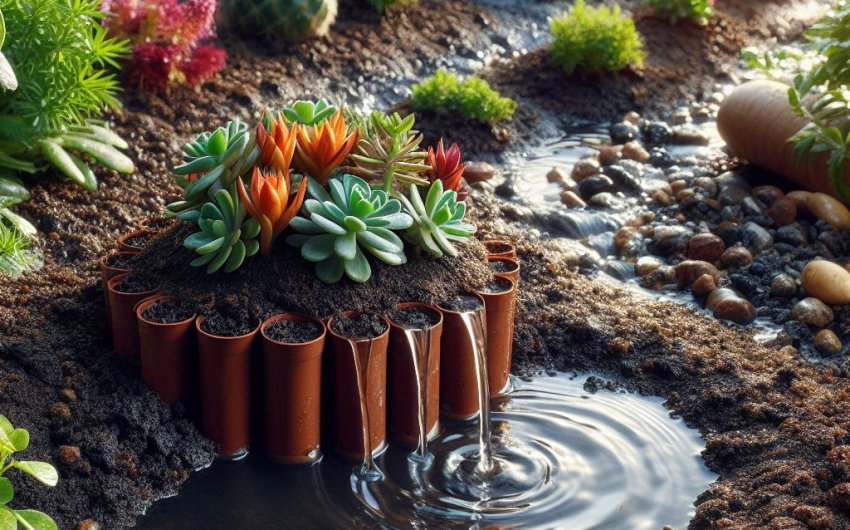
Resolving drainage dilemmas in your garden is paramount for achieving healthier soil and, consequently, more robust plants. Poor drainage, often manifesting as standing water or constantly soggy earth, suffocates plant roots and creates an inhospitable environment for most beneficial soil life. Addressing these issues not only improves water movement but also enhances aeration and nutrient availability, laying the foundation for a thriving garden that can overcome even the trickiest drainage dilemmas.
What Exactly is Poor Drainage in Soil?
Poor drainage in soil is a common garden problem where water accumulates in the root zone for extended periods after rain or irrigation, failing to percolate downwards at a healthy rate. Instead of flowing through, the water sits, creating conditions that are detrimental to the health of most garden plants. Recognizing this issue is the first step in resolving your drainage dilemmas.
Here's a closer look at what poor drainage in soil is:
- Waterlogging:
- The Main Symptom: The most obvious sign of poor drainage is waterlogging, where the soil remains saturated with water for hours or days after watering or rainfall. This can manifest as standing puddles, squishy ground, or soil that just never seems to dry out.
- Lack of Oxygen: When soil is waterlogged, all the tiny air pockets (pore spaces) between soil particles become filled with water. This pushes out the oxygen that plant roots need to "breathe" and survive.
- Impact on Roots:
- Root Suffocation: Plant roots, like all living cells, require oxygen for respiration (converting sugars into energy). In waterlogged conditions, roots are essentially suffocated due to lack of oxygen.
- Root Rot: Prolonged lack of oxygen weakens roots, making them susceptible to attack by anaerobic bacteria and fungi, leading to root rot. Affected roots turn black or mushy and can no longer absorb water or nutrients, leading to the eventual death of the plant.
- Soil Structure Degradation:
- Compaction: Heavy, poorly draining soils (like clay) are often prone to compaction, where soil particles are pressed together, further reducing pore spaces and inhibiting both water percolation and air circulation.
- Reduced Microbial Activity: Many beneficial soil microorganisms also require oxygen and healthy soil conditions to thrive. Poor drainage can reduce their activity, impacting nutrient cycling and overall soil fertility.
- Nutrient Leaching or Lock-Up:
- Leaching (Anaerobic Conditions): In some waterlogged soils, certain nutrients can be lost through leaching or transformed into unavailable forms under anaerobic (oxygen-lacking) conditions.
- Nutrient Unavailable: Plant roots damaged by lack of oxygen cannot effectively absorb nutrients, even if they are present in the soil.
- Factors Contributing to Poor Drainage:
- Soil Composition: Heavy clay soil is the most common culprit due to its tiny particles and limited pore space.
- Hardpan: An impervious layer of compacted soil or rock beneath the topsoil that prevents water from moving downwards.
- Slope and Topography: Low-lying areas or depressions in the landscape can act as "collection points" for water.
- High Water Table: If the natural water table is close to the surface, it prevents effective drainage.
- Compaction: Foot traffic, heavy machinery, or construction can severely compact soil.
- Poorly Chosen Pots: Containers without drainage holes or with blocked drainage holes.
Recognizing these signs and understanding the underlying mechanisms of poor drainage is the crucial first step in finding effective solutions to create healthier soil that truly supports thriving plant life.
Why is Good Drainage So Important for Healthy Soil and Plants?
Good drainage is not merely a convenience for gardeners; it's an absolutely fundamental requirement for healthier soil and, by extension, the robust growth and survival of almost all garden plants. Without adequate drainage, even the most fertile soil and perfectly chosen plants will struggle, illustrating why resolving drainage dilemmas is often the single most impactful improvement a gardener can make.
Here's why good drainage is so important for healthy soil and plants:
- Ensures Oxygen for Roots:
- Root Respiration: Plant roots, just like us, need to "breathe." They take in oxygen (O₂) from the air pockets in the soil and release carbon dioxide (CO₂) through a process called respiration. This process is vital for converting stored sugars into energy for growth, water, and nutrient uptake.
- Waterlogging Suffocates: In poorly drained, waterlogged soil, all these essential air pockets are filled with water, depriving roots of oxygen. This leads to suffocation and root death.
- Good Drainage Allows Air: Good drainage ensures that after watering or rain, excess water moves away, leaving behind crucial air pockets filled with oxygen.
- Prevents Root Rot:
- Anaerobic Conditions: Lack of oxygen in waterlogged soil creates an anaerobic environment (without oxygen) that favors the growth of harmful anaerobic bacteria and fungi.
- Root Decay: These pathogens attack and decompose the stressed roots, leading to root rot, which manifests as mushy, blackened, and foul-smelling roots.
- Plant Death: Root rot quickly compromises the plant's ability to absorb water and nutrients, leading to wilting, yellowing, stunted growth, and eventually, the death of the plant.
- Facilitates Nutrient Uptake:
- Active Absorption: Roots actively absorb water and dissolved nutrients. This process requires energy, which roots generate through oxygen-dependent respiration.
- Impaired Uptake: If roots are suffocated or rotting due to poor drainage, their ability to take up essential nutrients is severely impaired, even if those nutrients are abundant in the soil. This can lead to nutrient deficiencies and chlorosis (yellowing leaves).
- Supports Beneficial Soil Microorganisms:
- Aerobic Life: The vast majority of beneficial soil microorganisms (bacteria, fungi, earthworms) that are crucial for breaking down organic matter, cycling nutrients, and building healthy soil structure require oxygen to thrive.
- Healthy Ecosystem: Good drainage fosters a diverse and active community of these aerobic microbes, which in turn leads to healthier, more fertile soil.
- Promotes Deeper Root Growth:
- When soil is well-drained, roots will naturally grow deeper into the soil profile in search of water and nutrients.
- Benefits: Deeper roots make plants more stable, more resilient to drought, and better able to access a wider range of resources.
- Reduces Soil Compaction:
- Well-drained soil, especially when rich in organic matter, tends to have better structure, making it less prone to compaction. This, in turn, further improves drainage and aeration.
- Manages Soil Temperature:
- Soggy soils warm up more slowly in spring and can remain colder longer, delaying planting and growth. Well-drained soils warm more quickly and maintain a more stable temperature.
In essence, good drainage is the invisible cornerstone of a thriving garden. It’s the constant renewal of air and moisture in the root zone that enables plants to breathe, absorb nutrients, and resist disease, thereby ensuring healthier soil and productive, resilient plant life capable of overcoming any drainage dilemmas.
How Can I Identify Poor Drainage in My Garden?
Identifying poor drainage is the critical first step in resolving your garden's drainage dilemmas and moving towards healthier soil. Often, the signs are quite obvious, but sometimes they can be subtle, requiring a bit of observation and a simple test. Recognizing these clues early can prevent extensive plant damage and help you pinpoint problematic areas.
Here's how you can identify poor drainage in your garden:
- Standing Water:
- Obvious Sign: The most blatant indicator is water puddling on the surface after rain or irrigation and remaining there for an extended period (more than a few hours). If you have standing water for a day or two, you definitely have poor drainage.
- Soggy or Mucky Soil:
- Appearance and Feel: Even if water doesn't stand, if the soil consistently feels soggy, squishy, or mucky to the touch, or takes an unusually long time to dry out after moisture, it indicates poor drainage. It might look dark and damp even days after rainfall.
- "Squish Test": Step on the soil. If water squishes up around your feet, it's poorly drained.
- Foul or Musty Odor:
- Anaerobic Conditions: Constantly waterlogged soil creates an anaerobic environment (lacking oxygen). This often leads to a distinct foul, sour, or rotten-egg smell (hydrogen sulfide gas) emanating from the soil due to the activity of anaerobic bacteria.
- Salt or Mineral Deposits on Soil Surface:
- Evaporation Effect: In some cases, poor drainage can lead to water evaporation from the soil surface, leaving behind visible white or crusty salt and mineral deposits.
- Plant Symptoms (Warning Signs):
- Wilting Even When Wet: Plants may wilt even when the soil is visibly wet. This is because their roots are rotting and cannot absorb water.
- Yellowing Leaves (Chlorosis): Leaves may turn yellow, sometimes uniformly, sometimes with green veins (chlorosis), due to root damage and impaired nutrient uptake.
- Stunted Growth: Plants will grow slowly, appear weak, and lack vigor.
- Root Rot: If you dig up a struggling plant, inspect the roots. Healthy roots are typically white or tan and firm. Rotted roots will be black, mushy, and often smell foul.
- Plant Death: Persistent poor drainage eventually leads to the death of most non-bog-dwelling plants.
- Specific Weeds: The presence of certain water-loving weeds (e.g., sedges, rushes, horsetail) can also indicate persistently wet soil.
- The Percolation Test (The Definitive Test):
- This is the most reliable way to accurately assess drainage rate.
- How to Do It:
- Dig a hole in the problematic area, about 12 inches deep and 12 inches wide.
- Fill the hole with water and let it drain completely. This pre-wets the soil.
- Once it has drained, immediately fill the hole with water again.
- Measure how much the water level drops over a specific time (e.g., 1 hour).
- Interpretation:
- Excellent Drainage: Drains 4-6 inches per hour or more.
- Good Drainage: Drains 2-4 inches per hour.
- Adequate Drainage: Drains 1-2 inches per hour.
- Poor Drainage: Drains less than 1 inch per hour, or takes more than 8-12 hours to drain completely. If water remains in the hole after 24 hours, drainage is severely poor.
By systematically observing your garden and performing the percolation test, you can accurately diagnose poor drainage and begin to implement effective solutions for healthier soil and thriving plants.
What Are the Best Strategies to Improve Garden Drainage?
Once you've identified poor drainage as a problem, the good news is that there are many effective strategies to improve your garden's drainage and move towards healthier soil. The best approach often involves a combination of methods, tailored to the severity of your drainage dilemmas and the scale of your garden. Some solutions are simple and surface-level, while others require more significant excavation.
Here are the best strategies to improve garden drainage:
1. Amending the Soil (Most Common and Effective for Beds):
- Add Organic Matter: This is the most important and beneficial long-term solution. Incorporate generous amounts of organic matter into your soil, such as:
- Well-rotted compost (organic compost)
- Shredded leaves
- Pine bark fines
- Composted manure
- Why it works: Organic matter acts like a sponge, improving the structure of heavy clay soils by creating larger pore spaces for water and air, and simultaneously increasing the water-holding capacity of sandy soils. It also feeds beneficial soil microbes.
- Add Grit/Sand (with Caution): In very heavy clay, adding coarse sand or horticultural grit (like perm-till or expanded shale) can help, but it must be added in large quantities (e.g., 25-50% by volume) to be effective. Adding too little sand to clay will just create concrete!
- How to Amend: Dig down 12-18 inches and mix in organic matter thoroughly. This is usually done for garden beds or planting holes.
2. Raised Beds (For Severe Localized Drainage Issues):
- How it Works: Constructing raised beds (raised garden bed kits) allows you to create a completely new, optimal growing environment above problematic native soil.
- Benefits: You fill the beds with a custom mix of well-draining topsoil, compost, and other amendments, ensuring excellent drainage regardless of the underlying heavy clay or hardpan.
- Considerations: Ensure the beds are deep enough (at least 12 inches, preferably 18-24 inches) and consider adding a layer of hardware cloth at the bottom to deter burrowing pests.
3. French Drains and Perforated Pipes (For Larger Areas):
- How it Works: A French drain is a trench filled with gravel, containing a perforated pipe that directs water away from a problematic area.
- Benefits: Collects excess subsurface water and channels it to a more suitable discharge point (e.g., a dry well, rain garden, or storm drain).
- When to Use: Ideal for larger areas with persistent waterlogging, soggy lawns, or areas where water collects against foundations. This is a more involved, often professional, solution.
4. Swales and Rain Gardens (For Managing Runoff):
- How they Work:
- Swale: A shallow, broad, vegetated ditch or depression designed to slow down, spread out, and soak in stormwater runoff.
- Rain Garden: A landscaped depression designed to collect and absorb rainwater runoff from impervious surfaces like roofs and driveways.
- Benefits: Both effectively manage surface water, allowing it to infiltrate the soil slowly rather than pooling or running off quickly, which can cause erosion elsewhere. They also create beautiful, biodiverse habitats.
5. Berms and Grading (For Redirecting Surface Water):
- How they Work: Carefully reshaping the land by creating gentle slopes (grading) or raised mounds (berms) to direct surface water away from vulnerable areas.
- Benefits: Prevents water from pooling in low spots or flowing towards house foundations.
- Considerations: Requires careful planning to ensure water is directed to an appropriate area and doesn't cause problems elsewhere.
6. Breaking Up Hardpan:
- What it is: A compacted layer of soil below the topsoil that is impermeable to water.
- Solution: This often requires specialized equipment (like a subsoiler or broadfork) to break up the layer. Deep digging and persistent amendment with organic matter over time can also help.
7. Container Gardening:
- How it Works: For particularly problematic areas where in-ground drainage is impossible, growing plants in pots or raised containers provides complete control over the growing medium and drainage.
By choosing the appropriate strategies and applying them diligently, you can effectively resolve your drainage dilemmas, transforming waterlogged, unhealthy soil into a well-draining, aerated environment that supports thriving plants and contributes to a truly healthier soil.
How Does Organic Matter Improve Soil Drainage?
Organic matter is truly the unsung hero of healthy soil, and its ability to dramatically improve soil drainage is one of its most valuable contributions. For gardeners struggling with drainage dilemmas, incorporating abundant organic matter is often the single most effective and sustainable long-term solution. It's a natural wonder worker, fundamentally transforming soil structure from the ground up, leading to significantly healthier soil.
Here's how organic matter improves soil drainage:
- For Heavy Clay Soils (Breaking Up Compaction):
- Clay Particle Structure: Clay soils are made up of very tiny, plate-like particles that pack together tightly. This leaves very little space (pore space) for water to drain through or for air to circulate. That's why clay soils become waterlogged.
- Organic Matter's Role: When organic matter (like compost, shredded leaves, or aged manure) is added to clay soil, it acts as a binder and a physical spacer.
- Creates Aggregates: Organic matter glues tiny clay particles together into larger, more stable clumps called aggregates.
- Increases Pore Space: These aggregates create larger, more numerous air pockets (macropores) within the soil.
- Channels for Water: These macropores act like tiny channels, allowing water to percolate downwards much more easily and quickly.
- Improved Aeration: The increased pore space also allows essential oxygen to penetrate the soil, benefiting roots and beneficial microbes.
- For Sandy Soils (Improving Water Retention, Indirect Drainage Benefit):
- Sandy Particle Structure: Sandy soils are made up of relatively large, coarse particles with very large pore spaces. Water drains through them so rapidly that nutrients are often leached away, and plants suffer from drought.
- Organic Matter's Role: In sandy soils, organic matter acts like a sponge.
- Holds Water: It soaks up and retains water and dissolved nutrients, making them available to plants for longer.
- Indirect Drainage Benefit: While sandy soils drain too well, improving their water retention with organic matter means the soil isn't constantly parched, which can indirectly lead to better overall water management for plants and a more stable soil environment. It also provides food for microbes.
- Feeds Soil Microbes:
- Microbial "Glue": Organic matter is the primary food source for a vast array of beneficial soil microorganisms (bacteria, fungi, earthworms).
- These microbes, in turn, produce sticky substances and create a fungal network (mycorrhizae) that further bind soil particles into stable aggregates, enhancing soil structure and long-term drainage. Earthworms also create tunnels that improve aeration and drainage.
- Reduces Compaction:
- Soil rich in organic matter is naturally more resilient to compaction from foot traffic or heavy rain. Its improved structure helps maintain open pore spaces.
- Long-Term Improvement:
- Unlike quick fixes (like simply adding sand to clay, which often fails), the addition of organic matter provides a sustainable, long-term improvement to soil drainage because it continuously improves soil structure, supports microbial life, and builds the overall health of the soil.
By becoming a regular habit in your gardening routine, incorporating organic matter is the single most powerful tool for solving drainage dilemmas, leading to a permanently healthier soil that nurtures robust plant growth.
What are the Differences Between Surface and Subsurface Drainage Issues?
When tackling drainage dilemmas in your garden, it's helpful to distinguish between surface drainage issues and subsurface drainage issues, as each requires different diagnostic clues and often different solutions to achieve healthier soil. While both ultimately lead to waterlogging, their origin and manifestation vary significantly.
Here's a comparison of surface and subsurface drainage issues:
| Feature | Surface Drainage Issues | Subsurface Drainage Issues |
|---|---|---|
| Problem | Water collects on the soil surface and doesn't run off effectively. | Water penetrates the surface but accumulates below ground, usually in the root zone. |
| Appearance | - Standing puddles or sheets of water on the lawn/garden bed. - Water slowly disappears over hours/days. | - Soil remains soggy, squishy, or mucky long after surface water is gone. - Plants show symptoms of waterlogging (wilting, yellowing, root rot) even with no visible surface water. - Percolation test is very slow. |
| Causes | - Poor grading/leveling: Depressions, low spots, uneven topography. - Soil compaction at the surface. - Hard surfaces: Patios, driveways directing water to beds. - Insufficient slope: Water has nowhere to flow. - Heavy rainfall exceeding absorption rate. | - Heavy clay soil: Predominant cause due to tiny particles. - Hardpan layer: Impervious layer below topsoil. - High water table: Permanent ground water is too close to surface. - Compacted subsoil: From construction or heavy machinery. |
| Impact | - Waterlogging of surface roots. - Erosion if runoff is too fast initially. - Mosquito breeding grounds. - Prevents access/use of garden area. | - Root suffocation and rot (most damaging). - Impaired nutrient uptake. - Anaerobic soil conditions (foul smell). - Long-term plant decline and death. |
| Solutions | - Regrading/sloping: Reshaping the land. - Installing swales or rain gardens: To collect and absorb runoff. - French drains (surface inlets): To capture and divert. - Improving surface infiltration: Aeration, adding organic matter. | - Amending with organic matter (long-term). - Raised beds: To create new soil profile. - French drains (subsurface pipes): To remove perched water. - Breaking up hardpan: Deep tilling/subsoiling. - Planting water-tolerant plants. |
| Test | Observe standing water after rain. | Percolation test (dig a hole, fill with water, measure drainage rate). |
Why the Distinction Matters:
- Targeted Treatment: If you have standing water that eventually drains after a day, you might have a surface issue that can be fixed with grading or a simple swale. If the surface drains quickly but your plants are still dying from root rot, you likely have a subsurface problem requiring deeper amendments or a sub-surface drain.
- Resource Allocation: Understanding the specific drainage dilemma helps you avoid ineffective solutions. For example, simply aerating a lawn might help surface drainage but won't solve a deep hardpan issue. Similarly, digging a French drain might be overkill if simple grading is sufficient for surface runoff.
By recognizing whether your drainage dilemmas are surface-level or hidden beneath the soil, you can apply the most appropriate strategies to create truly healthier soil that optimally supports your garden plants.