
Christmas Rose Magic: Festive Beauty in the Garden
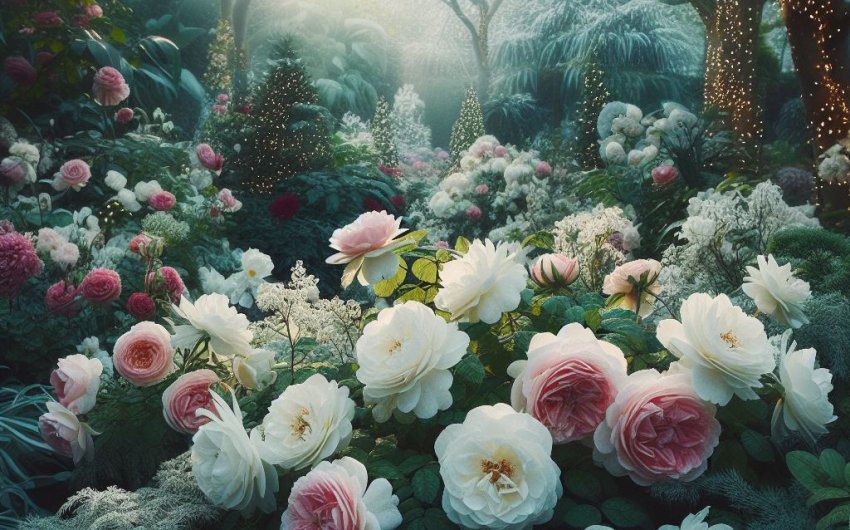
Gardeners seeking a touch of festive beauty in their garden during the darkest months of the year will find the Christmas Rose (Helleborus niger) to be a truly magical perennial. Unlike many plants that succumb to winter's chill, the Christmas Rose bravely unfurls its delicate, often pure white, cup-shaped flowers, sometimes even through a blanket of snow, bringing unexpected charm and color when the garden is otherwise dormant. Its ability to bloom precisely around the holiday season makes it a cherished and enchanting addition to any winter landscape.
What Exactly is a Christmas Rose?
The Christmas Rose is a captivating perennial plant, scientifically known as Helleborus niger. Despite its common name, it is not a rose at all; rather, it belongs to the Ranunculaceae family, making it a relative of buttercups and delphiniums. It earns its festive moniker from its remarkable ability to bloom in the midst of winter, often around Christmas time, bringing an unexpected burst of festive beauty to the garden when most other plants are dormant or under snow.
Here's a closer look at what a Christmas Rose is:
- Botanical Classification:
- Genus: Helleborus
- Species: niger (the specific species commonly known as the Christmas Rose)
- Family: Ranunculaceae (Buttercup family)
- Not a Rose: It gets the "rose" in its name from the rose-like shape of its flowers and its winter bloom time, but it lacks the thorns and genetic makeup of true roses.
- Origin:
- Native Habitat: The Christmas Rose is native to the mountainous regions of central and southern Europe, including the Alps, Apennines, and Carpathians. Its origins in these cold regions explain its remarkable cold hardiness.
- Growth Habit:
- Evergreen Perennial: It is an evergreen perennial, meaning its foliage remains green throughout the year, even in winter. It forms a neat, mounding clump of leathery leaves.
- Clump-Forming: Grows as a compact, slowly spreading clump, reaching about 1-1.5 feet tall and wide.
- Foliage:
- Dark Green, Leathery: The leaves are basal, meaning they grow directly from the base of the plant. They are typically deep green, leathery, and often deeply lobed or divided, providing good evergreen groundcover and texture in the winter garden.
- Flowers (The Star Attraction):
- Bloom Time: The defining characteristic is its bloom time. Christmas Rose flowers typically emerge in late autumn to mid-winter, often from November through March, with peak flowering around December or January, depending on the climate and specific cultivar.
- Appearance: Flowers are large (often 2-4 inches across), cup-shaped, and usually a pristine pure white, sometimes with a pink flush as they age. Some cultivars have pink or greenish tints.
- Resilience: The flowers are remarkably tough, able to withstand light snow and frost, often emerging through a dusting of white, adding to their magical appeal.
- Long-Lasting: The blooms are incredibly long-lasting, sometimes persisting for many weeks.
- Toxicity:
- All Hellebores are Toxic: It's important to note that all parts of the Christmas Rose are toxic if ingested, due to the presence of compounds like helleborin. Handle with care, and wear gloves if you have sensitive skin, as sap can cause irritation. Keep away from pets and small children.
- Hardiness:
- Very cold hardy, typically thriving in USDA Zones 3-8 (though exact zones can vary by cultivar).
In summary, the Christmas Rose (Helleborus niger) is a cherished evergreen perennial known for its incredible ability to produce exquisite white, rose-like flowers in the heart of winter, bringing unique festive beauty to the garden when little else is in bloom.
Why is the Christmas Rose So Special for Winter Gardens?
The Christmas Rose holds a truly unique and special place in the winter garden, captivating gardeners with its unexpected blooms and resilient spirit during a time when most other plants are dormant or have faded. Its ability to defy the cold and bring a touch of festive beauty to the garden during the darkest months makes it an invaluable and enchanting perennial.
Here's why the Christmas Rose is so special for winter gardens:
- Unrivaled Winter Blooms:
- Out-of-Season Color: This is its most significant feature. While many plants offer winter interest through berries or evergreen foliage, very few actually produce abundant, showy flowers in the dead of winter. The Christmas Rose stands almost alone in this regard, bursting into bloom from late November through March, with peak around the Christmas season.
- A Welcome Sight: Seeing its pristine white, cup-shaped flowers bravely unfurl against a backdrop of bare branches or even a dusting of snow is a truly magical and uplifting sight for any gardener weary of winter's monochrome. It brings hope and beauty during a typically dormant period.
- Evergreen Foliage:
- Winter Structure: Beyond its flowers, the Christmas Rose provides year-round interest with its leathery, deep green foliage. This evergreen basal clump adds structure and texture to the winter garden, serving as a reliable groundcover even when not in bloom.
- Contrast: The dark green leaves provide a beautiful contrast to its white flowers and to the muted tones of a winter landscape.
- Cold Hardiness and Resilience:
- Toughness: Despite their delicate appearance, the flowers are remarkably cold-hardy. They can withstand freezing temperatures, light snow, and even brief hard freezes, often simply nodding their heads under the snow to re-emerge unscathed when conditions lighten.
- Longevity: Once established, Christmas Roses are long-lived and will return year after year, providing reliable winter cheer.
- Low Maintenance:
- Beyond providing the right initial conditions, Christmas Roses are relatively low maintenance. They don't require heavy pruning, constant deadheading, or fussy care, making them an effortless source of winter beauty.
- Deer and Rabbit Resistant:
- Due to their toxic compounds, Christmas Roses are generally deer and rabbit resistant, making them a safe choice in gardens where these animals are a nuisance.
- Versatile Design Use:
- Their compact, mounding habit and shade tolerance make them versatile for various garden settings:
- Woodland Gardens: Perfect for naturalizing under deciduous trees.
- Shady Borders: Brighten up otherwise dark areas.
- Containers: Bring close to the house on a patio or by a doorway for easy viewing in winter.
- Rock Gardens: Thrive in well-drained spots.
- Cut Flower Potential: The blooms, when cut and floated in a bowl of water, can make a stunning indoor arrangement during the holidays.
- Their compact, mounding habit and shade tolerance make them versatile for various garden settings:
The unique combination of its exquisite out-of-season blooms, reliable evergreen foliage, and remarkable resilience in cold weather truly sets the Christmas Rose apart, making it a truly special perennial for bringing festive beauty to the garden and lifting spirits through the winter months.
What Are the Ideal Growing Conditions for a Christmas Rose?
To ensure your Christmas Rose (Helleborus niger) thrives and delivers its full festive beauty in the garden during the colder months, it's essential to provide its ideal growing conditions. While known for its hardiness, catering to its specific preferences will result in a healthier plant, more abundant blooms, and greater longevity.
Here are the ideal growing conditions for a Christmas Rose:
- Sunlight:
- Partial to Full Shade: Christmas Roses thrive in partial shade to full shade. This means they prefer morning sun with protection from intense afternoon sun, or dappled shade throughout the day.
- Woodland Setting: A classic location is under the canopy of deciduous trees. They appreciate some winter sun when the trees are bare but prefer shade during the hot summer months.
- Avoid: Too much direct, hot afternoon sun can scorch their leaves and stress the plant, leading to fewer flowers. Deep, dense shade might result in sparse blooms.
- Soil:
- Rich, Organic, and Well-Drained: This is paramount. Christmas Roses demand soil that is rich in organic matter, which provides nutrients and retains moisture.
- Excellent Drainage: Critically, the soil must be exceptionally well-drained. They absolutely cannot tolerate "wet feet" or consistently soggy conditions, which will lead to root rot and death.
- Texture: A loamy soil texture, amended with compost, is ideal. Heavy clay soils must be significantly amended with compost, grit, or sand to improve drainage.
- pH: They prefer a slightly alkaline to neutral soil pH, ideally between pH 6.5 and 7.5. If your soil is very acidic, you might need to add a bit of garden lime to raise the pH. A soil pH meter can help you determine your soil's current pH.
- Water:
- Consistent Moisture: During their active growing season (spring through fall) and especially in their first year of establishment, Christmas Roses require consistent moisture. The soil should remain evenly moist but not waterlogged.
- Drought Tolerance (Once Established): Once well-established, they show some drought tolerance but will still perform best with regular moisture, especially during dry spells.
- Mulch's Role: A 2-3 inch layer of organic mulch (like shredded leaves, compost, or aged bark) is highly beneficial. It helps retain soil moisture, keeps the roots cool, and suppresses weeds.
- Temperature and Hardiness:
- Cold Hardy: Christmas Roses are very cold-hardy, typically thriving in USDA Zones 3-8 (sometimes 9 in cool microclimates). They are designed for cold winters.
- Cool Temperatures for Bloom: The onset of cooler temperatures in autumn is what triggers their bloom cycle, allowing them to flower in winter.
- Air Circulation:
- Good air circulation around the plants helps prevent potential fungal issues. Ensure they aren't planted in overly dense, stagnant locations.
By carefully providing these conditions – particularly rich, well-drained, slightly alkaline soil in partial to full shade with consistent moisture – your Christmas Rose will flourish, rewarding your efforts with its full Christmas Rose magic and stunning blooms in the heart of winter.
How Do You Plant a Christmas Rose for Success?
Planting a Christmas Rose (Helleborus niger) correctly is crucial for its establishment and long-term health, ensuring it becomes a reliable source of festive beauty in your garden year after year. These beautiful perennials prefer specific conditions at planting time, so taking a few careful steps will set them up for optimal growth and abundant winter blooms.
Here’s a step-by-step guide on how to plant a Christmas Rose for success:
Step 1: Choose the Right Time
- Ideal Time: The best time to plant Christmas Roses is in fall (late September to November) or in early spring (March to April), once the ground is workable.
- Why: These cooler seasons allow the plant to establish its root system without the stress of extreme summer heat or deep winter freezes. Fall planting allows for root development before winter, and spring planting gives them a full season to grow.
Step 2: Select the Perfect Location
- Sunlight: Choose a spot with partial shade to full shade. This means a location that gets morning sun and afternoon shade, or dappled shade throughout the day. Under deciduous trees is often ideal. Avoid intense, direct afternoon sun.
- Soil Drainage: This is paramount. The chosen site must have excellent drainage. Hellebores are highly intolerant of "wet feet," which causes root rot.
- Space: Consider the mature size of the plant, which forms a clump about 1-1.5 feet tall and wide. Space plants about 18-24 inches apart to allow for good air circulation and future growth.
- Shelter: A location that offers some protection from strong winter winds can be beneficial, though they are generally quite tough.
Step 3: Prepare the Soil
- Amend Generously with Organic Matter: Dig a wide and deep planting area (e.g., 18-24 inches in diameter and 1 foot deep). Incorporate a significant amount of organic matter, such as well-rotted compost (garden compost), leaf mold, or aged manure.
- Why: Organic matter improves soil structure, enhances drainage in heavy soils, and increases moisture retention in sandy soils, while also providing slow-release nutrients.
- Adjust pH (If Needed): Christmas Roses prefer slightly alkaline to neutral soil (pH 6.5-7.5). If your soil is acidic, you may need to incorporate some garden lime at planting time, mixing it thoroughly into the soil. A soil pH meter can help guide this.
- Weed Removal: Thoroughly remove all weeds and grass from the planting area.
Step 4: Plant the Christmas Rose
- Prepare the Plant: Gently remove the Christmas Rose from its nursery container. If the roots are tightly circling the root ball, carefully loosen them with your fingers or make a few shallow vertical cuts with a clean knife to encourage outward growth.
- Dig the Hole: Dig a planting hole that is twice as wide as the plant's root ball and just as deep.
- Crucial Planting Depth: This is important for hellebores. Plant the Christmas Rose so that the crown of the plant (where the stems emerge) is just at or slightly above the soil surface. Planting too deep is a common mistake and can lead to crown rot and poor flowering.
- Place the Plant: Center the Christmas Rose in the hole.
- Backfill: Fill the hole with the prepared soil, gently tamping it down to remove large air pockets. Avoid mounding soil up against the crown.
- Water In: Water the plant thoroughly after backfilling to settle the soil around the roots.
Step 5: Essential Aftercare
- Mulch: Apply a 2-3 inch layer of organic mulch (e.g., shredded leaves, aged bark, compost) around the base of the plant, keeping it a few inches away from the crown.
- Benefits: Mulch helps retain soil moisture, keeps the roots cool, suppresses weeds, and adds organic matter as it decomposes.
- Consistent Watering (First Year): For the entire first year after planting, provide consistent and deep watering. The soil should remain moist but not soggy. This is vital for establishment.
- No Fertilizer (First Year): If you've amended the soil with compost, a newly planted Christmas Rose typically won't need additional fertilizer in its first year.
- Pest and Disease Monitoring: While generally resistant, keep an eye on new plants for any signs of stress.
- Wear Gloves: Remember that all parts of the plant are toxic. It's a good practice to wear gloves when handling them.
By meticulously following these planting steps, your Christmas Rose will establish a strong foundation, allowing it to flourish into a stunning display of Christmas Rose magic, bringing joy and festive beauty to your garden for many winters to come.
How Do You Care for a Christmas Rose During the Growing Season?
Caring for a Christmas Rose (Helleborus niger) during its primary growing season (spring through fall, before its winter bloom) is relatively simple, as these hardy perennials are quite low-maintenance. The goal is to provide consistent conditions that foster healthy foliage and build the energy reserves needed for its spectacular winter show, ensuring continuous festive beauty in your garden.
Here’s how to care for a Christmas Rose during the growing season:
- Watering:
- Consistent Moisture: Christmas Roses prefer consistently moist, but not waterlogged, soil during their active growing period from spring to fall.
- Deep Watering: Water deeply and regularly, especially during dry spells and in warmer climates. Allow the top inch or two of soil to dry out slightly before watering again.
- Drought Tolerance (Once Established): Once well-established (after 1-2 years), they show some drought tolerance, but will perform best with supplemental water during prolonged dry periods.
- Mulch's Role: Maintain a 2-3 inch layer of organic mulch (shredded leaves, aged bark, compost) around the base of the plant. This is crucial for retaining soil moisture, keeping roots cool, suppressing weeds, and slowly adding organic matter. A soil moisture meter can help you gauge watering needs.
- Fertilization:
- Light Feeder: Christmas Roses are not heavy feeders. If your soil is rich in organic matter, they may need very little supplemental fertilizer.
- Timing: A light application of a balanced, slow-release granular fertilizer (slow release fertilizer for perennials) or a handful of compost in early spring as new growth emerges is usually sufficient.
- Avoid Excess Nitrogen: Too much nitrogen can promote lush foliage at the expense of flowers.
- Optional: A liquid feed for blooming plants at half-strength can be applied in early fall to help bud development.
- Pruning / Deadheading:
- No Deadheading Needed: Unlike many perennials, Christmas Roses do not typically require deadheading to encourage re-bloom. The flowers are long-lasting, and many gardeners leave them to enjoy their full duration.
- Foliage Removal: The main pruning task is to remove any old, damaged, or unsightly leaves in late winter or early spring just as new flower buds begin to emerge. This helps showcase the flowers and removes any leaves that might harbor fungal spores. Use sharp, clean pruning shears (garden pruning shears).
- Wear Gloves: Always wear gloves when handling Hellebore foliage and stems due to their toxic sap.
- Pest and Disease Control:
- Generally Resistant: Christmas Roses are quite robust and generally resistant to most common pests and diseases when grown in ideal conditions.
- Monitor for Aphids: Occasionally, aphids might appear on new growth or flower buds. A strong spray of water or insecticidal soap (organic insecticidal soap) can control them.
- Hellebore Black Spot: This fungal disease can cause unsightly black or brown spots on leaves. Remove and destroy affected leaves promptly. Ensure good air circulation. In severe cases, use a fungicidal spray.
- Weed Control:
- The layer of mulch helps suppress weeds. Hand-pull any weeds that manage to grow around the plant, taking care not to disturb the roots.
By consistently providing adequate moisture, light fertilization, and strategic foliage management, your Christmas Rose will remain a healthy and beautiful plant, reliably delivering its festive beauty in the garden and its unique winter charm.
How Do You Prepare a Christmas Rose for Winter?
Preparing a Christmas Rose (Helleborus niger) for winter is one of its most appealing aspects: it's incredibly low-maintenance, a testament to its cold-hardy nature. Unlike many tender perennials that demand significant winter protection, the Christmas Rose is designed to brave the cold, bringing its Christmas Rose magic and blooms even through snow. A few simple steps ensure its continued resilience and a spectacular return each winter.
Here’s how to prepare a Christmas Rose for winter:
- Late Fall Watering (Crucial for Winter Hydration):
- Before the ground freezes solid in late autumn, ensure your Christmas Rose receives a deep, thorough watering.
- Why: Even though it's going into winter, evergreen plants like Hellebores still need moisture in their foliage and roots to prevent desiccation (drying out) from winter winds and sun. A well-hydrated plant is much more resilient to cold.
- Avoid: Do not water immediately before a hard freeze if the soil is already saturated, as this could promote crown rot. Water when the soil is dry but not frozen.
- Mulching (Highly Recommended for Protection and Moisture):
- Insulation: Apply a generous layer of organic mulch around the base of the plant in late fall.
- Material: Use 2-4 inches of shredded leaves, pine needles, or aged bark.
- Timing: Apply the mulch after the ground has frozen lightly (this prevents it from becoming a warm haven for rodents and ensures the plant is dormant).
- Why: Mulch helps to:
- Insulate the Crown: Protects the plant's crown (the central growing point) from extreme cold.
- Prevent Frost Heave: Moderates soil temperature fluctuations, preventing "frost heave" where plants are pushed out of the ground by alternating freezing and thawing cycles, which can damage roots.
- Retain Moisture: Keeps the soil moisture more consistent, especially important during dry winter periods.
- Caution: Keep mulch a few inches away from the very center of the crown to prevent moisture buildup and potential rot.
- Foliage Management (Pruning for Blooms):
- Timing: The ideal time to prune the old, unsightly foliage of Christmas Roses is in late winter or very early spring, just as the new flower buds begin to emerge from the center of the clump, or even after the flowers have started to open.
- Why:
- Showcase Blooms: Removing the old leaves (which may look tattered after winter) allows the beautiful new flowers to be seen clearly without obstruction.
- Disease Prevention: Old leaves can sometimes harbor fungal spores (like Hellebore Black Spot). Removing them before new growth emerges reduces the chance of spores splashing onto the new flowers and leaves.
- How to Prune: Use sharp, clean pruning shears to cut the old leaves down to the ground.
- Wear Gloves: Always wear gloves when handling Hellebore foliage and stems due to their toxic sap, which can cause skin irritation.
- No Fall Fertilization:
- Avoid fertilizing in late summer or fall, as this encourages tender new growth that will be easily damaged by frost, making the plant less winter-hardy. Stop fertilizing by mid-summer at the latest.
- Potted Christmas Roses:
- If you're growing Christmas Roses in containers in colder zones, consider providing extra protection. This might involve:
- Moving the pots into an unheated garage, shed, or sheltered porch.
- Burying the pots in the ground for insulation.
- Grouping pots together and insulating with straw or burlap.
- Ensure pots have excellent drainage so they don't become waterlogged and freeze solid, which can damage roots.
- If you're growing Christmas Roses in containers in colder zones, consider providing extra protection. This might involve:
By following these simple yet effective steps, your Christmas Rose will be well-prepared to endure the winter, safeguarding its resilience and ensuring its magical return with beautiful blooms, bringing true festive beauty to the garden when it's most needed.
What Are Common Pests and Diseases of Christmas Roses?
While Christmas Roses (Helleborus niger) are generally robust and low-maintenance, making them a hardy source of festive beauty in the garden, they are not entirely immune to all pests and diseases. Being aware of the most common issues and knowing how to address them can help keep your hellebores healthy and ensure their continued stunning winter display.
Here are some common pests and diseases of Christmas Roses:
Common Pests:
- Aphids:
- Problem: Small, soft-bodied insects, often green, black, or gray, found clustered on new growth, flower buds, or the undersides of leaves.
- Damage: They suck sap from the plant, causing distorted new growth, curled leaves, and sometimes a sticky residue called "honeydew," which can lead to sooty mold. Heavy infestations can weaken the plant and reduce flowering.
- Solution: For light infestations, spray with a strong jet of water to dislodge them. For more severe cases, use insecticidal soap (organic insecticidal soap) or neem oil (neem oil for plants), ensuring thorough coverage.
- Prevention: Encourage beneficial insects like ladybugs.
- Slugs and Snails:
- Problem: These mollusks feed on tender new foliage, especially in spring, leaving irregular holes and shiny slime trails.
- Damage: Mostly aesthetic, but can be severe on young plants.
- Solution: Hand-pick at dusk or after rain. Use beer traps. Apply organic slug bait (organic slug bait) containing iron phosphate. Create physical barriers like copper tape or sharp grit.
- Hellebore Aphids:
- Problem: A specific type of aphid (Macrosiphum hellebori) that only feeds on hellebores. Often found on flower stems and buds.
- Damage: Similar to other aphids, causing distorted growth and sticky honeydew.
- Solution: As above, water jet or insecticidal soap.
- Deer and Rabbits:
- Problem: While Hellebores are generally considered deer and rabbit resistant due to their toxicity, a very hungry animal might take an exploratory bite.
- Damage: Nibbled foliage.
- Solution: Usually not a persistent problem for Hellebores, but if damage occurs, additional repellents or physical barriers may be needed for other plants.
Common Diseases:
- Hellebore Black Spot (Coniothyrium hellebori):
- Problem: The most common and recognizable disease of hellebores. Appears as distinct black or dark brown spots on the leaves and sometimes the stems and flowers. Spots can enlarge and merge.
- Cause: A fungal disease favored by wet conditions and poor air circulation. Spores often overwinter on old, infected leaves.
- Damage: Mainly aesthetic, making foliage unsightly. Can weaken plants if severe.
- Solution: Crucially, remove and destroy all affected leaves immediately when you see them (do not compost). Improve air circulation by proper spacing. Consider applying a fungicide (garden fungicide spray) early in the season if it's a recurring problem.
- Prevention: Regular removal of old foliage in late winter/early spring is the best preventative measure. Keep the area around the plant clean.
- Botrytis Blight (Gray Mold):
- Problem: A fuzzy gray mold appears on flowers, leaves, or stems, especially in cool, wet, humid conditions.
- Cause: Fungal disease often affecting stressed or damaged tissue.
- Damage: Can rot flowers and soft new growth.
- Solution: Remove and destroy affected parts. Improve air circulation. Avoid overhead watering.
- Prevention: Good sanitation and proper spacing.
- Crown Rot:
- Problem: The crown (base of the plant) becomes soft and mushy, leading to wilting and eventual plant death.
- Cause: Overwatering and poorly drained soil are the primary culprits, especially if planted too deeply or mulched too heavily against the crown.
- Damage: Often fatal.
- Solution: Very difficult to treat.
- Prevention: Crucial. Ensure excellent soil drainage at planting. Plant with the crown at or slightly above soil level. Avoid overwatering.
By regularly inspecting your Christmas Rose and proactively addressing any issues with these common pests and diseases, you can ensure your hellebores remain healthy, vibrant, and continue to bring their special festive beauty to the garden year after year.
How Can Christmas Roses Enhance Your Winter Garden Design?
The Christmas Rose (Helleborus niger) is a true gem for winter garden design, offering an unparalleled opportunity to inject festive beauty and vitality into a landscape that might otherwise be bleak and dormant. Its unique bloom time and elegant appearance allow for creative placements that maximize its impact, transforming the darkest months into a season of unexpected charm.
Here's how Christmas Roses can enhance your winter garden design:
- Providing Early Winter Color:
- Unrivaled Timing: This is its most significant design contribution. When most plants are dormant, the pure white, rose-like flowers of the Christmas Rose emerge, providing a focal point of color and life in late autumn, through winter, and into early spring.
- Contrast with Snow: The white blooms are particularly striking against a backdrop of dark evergreen foliage or a dusting of snow, creating a classic winter scene.
- Creating a Winter Wonderland View:
- Close to the House: Plant Christmas Roses where they can be easily seen and appreciated during winter. Ideal spots include:
- Near pathways or sidewalks you frequently use.
- In containers by the front door or on a sheltered patio.
- Under windows that you look out of regularly.
- Along the front edge of a shaded border.
- Elevated Planting: Consider planting them on a slightly raised mound or in a large container that can be brought closer, making it easier to view their nodding blooms without bending too far in the cold.
- Close to the House: Plant Christmas Roses where they can be easily seen and appreciated during winter. Ideal spots include:
- Evergreen Foliage for Structure and Texture:
- Year-Round Interest: The deep green, leathery foliage of the Christmas Rose provides constant texture and structure in the garden, even outside of its bloom period. This is valuable in winter when deciduous plants are bare.
- Contrast with Textures: Its foliage contrasts beautifully with finer textures of ornamental grasses (like Hakonechloa) or the broader leaves of hostas, creating year-round interest.
- Companion Planting for Enhanced Winter Scenes:
- Winter-Blooming Companions: Pair Christmas Roses with other winter-interest plants to create a captivating tableau:
- Winter Heath (Erica carnea): Low-growing, produces pink, purple, or white flowers in winter.
- Winter Aconite (Eranthis hyemalis): Tiny, bright yellow flowers that emerge very early, sometimes pushing through snow.
- Snowdrops (Galanthus nivalis): Delicate white bells that bloom even earlier than Christmas Roses.
- Winter-flowering Hellebores (e.g., H. orientalis hybrids): Other hellebore species that bloom later in winter, offering a wider range of colors.
- Evergreen Shrubs: Plant against a backdrop of small evergreen shrubs (like boxwood, sarcococca, or dwarf conifers) to highlight their blooms.
- Structural Elements: Incorporate winter-interest shrubs with colorful bark (e.g., Red Twig Dogwood) or berries (e.g., Winterberry Holly) to provide additional visual appeal.
- Winter-Blooming Companions: Pair Christmas Roses with other winter-interest plants to create a captivating tableau:
- Containers for Flexibility and Focus:
- Portable Beauty: Planting Christmas Roses in beautiful containers allows you to place them in prominent spots during winter, such as near an entryway, on a patio, or even as a temporary indoor decoration in a cool, bright spot (though they prefer to stay outdoors).
- Winter Groupings: Group potted Christmas Roses with other cold-tolerant evergreen foliage plants or pansies for a festive winter arrangement.
- Under Deciduous Trees:
- Naturalistic Woodland Setting: Their preference for partial to full shade makes them ideal for naturalizing under deciduous trees. In winter, they receive more light from the bare canopy, and in summer, they get the crucial shade they need. The falling leaves provide natural mulch.
By thoughtfully placing and combining the Christmas Rose with other winter-hardy plants and elements, you can create a magical winter garden that bursts with unexpected life and color, truly enhancing your landscape with Christmas Rose magic and enduring festive beauty in the garden.