
Easy Plants to Care For: Your Guide to Effortless Greenery
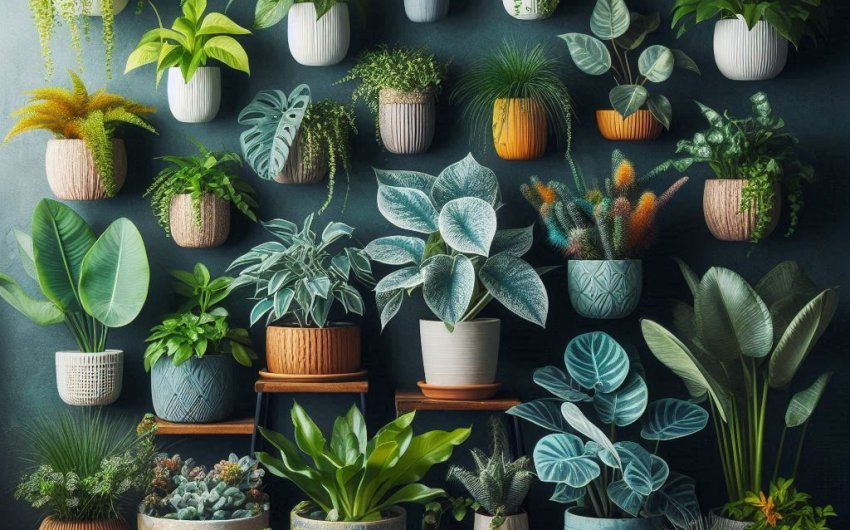
Easy plants to care for are those that forgive occasional neglect, tolerate a range of indoor conditions, and require minimal attention to thrive, making them perfect for beginners or busy individuals. These resilient green companions bring beauty without the fuss.
What Makes a Houseplant "Easy to Care For"?
An "easy to care for" houseplant is one that possesses a remarkable ability to adapt and survive even when faced with less-than-perfect conditions or inconsistent attention. These plants are ideal for anyone looking to add greenery to their home without a significant time commitment or specialized knowledge.
Key characteristics that define an easy-care plant include:
- Drought Tolerance: They can handle periods of dry soil without wilting or dying, making occasional missed waterings less impactful. This is a major factor for busy people.
- Low Light Forgiveness: While most plants prefer bright indirect light, easy-care varieties often tolerate medium to even low light conditions without significant decline.
- Pest Resistance: They are naturally more robust and less susceptible to common houseplant pests like spider mites or mealybugs.
- Tolerance to Fluctuations: They can handle some variation in temperature and humidity, adapting to typical indoor environments.
- Slow Growth Rate: Slower growth means less frequent repotting and pruning.
- Resilience: They bounce back easily from minor neglect.
What Are the Best Easy Plants to Care For for Beginners?
For anyone new to plant parenting, starting with the best easy plants to care for ensures a positive and rewarding experience. These plants are forgiving and resilient, building confidence.
Snake Plant (Sansevieria trifasciata)
The Snake Plant, also known as Mother-in-Law's Tongue, is renowned for its architectural, upright leaves and almost indestructible nature. It's truly one of the most forgiving plants.
- Why it's easy: Extremely drought-tolerant, tolerates a wide range of light conditions (from low to bright indirect), and rarely bothered by pests.
- Care tips: Water sparingly; allow soil to dry out completely between waterings. Can go weeks without water. Prefers bright indirect light but survives in low light.
- Varieties: 'Laurentii' (yellow edges), 'Zeylanica' (green stripes), 'Cylindrica' (round leaves).
- Consider: A tall SNAKE PLANT LAURENTII.
ZZ Plant (Zamioculcas zamiifolia)
The ZZ Plant is another superstar for neglectful owners. Its waxy, dark green leaves grow on upright stems, creating a sleek, modern look. Its thick rhizomes (underground stems) store water, making it incredibly drought-resistant.
- Why it's easy: Extremely drought-tolerant (can go a month or more without water), thrives in low to bright indirect light. Almost impossible to kill from underwatering.
- Care tips: Water only when soil is completely dry. Less is more! Avoid direct sun.
- Consider: A robust ZZ PLANT ZAMIOCULCAS.
Pothos (Epipremnum aureum)
Pothos, often called Devil's Ivy, is a vining plant with heart-shaped leaves that come in various shades of green, yellow, and white. It's versatile and can be grown in hanging baskets or trailing from shelves.
- Why it's easy: Tolerates medium to low light, very forgiving with watering (will show signs like drooping when thirsty, but perks up quickly), and easy to propagate.
- Care tips: Water when the top 2-3 inches of soil are dry. Let it dry out between waterings. Can thrive in various light conditions, but variegation is best in brighter light.
- Varieties: 'Golden Pothos', 'Marble Queen', 'Neon Pothos'.
- Consider: A vibrant GOLDEN POTHOS PLANT.
Spider Plant (Chlorophytum comosum)
Spider Plants are famous for their arching, variegated leaves and their ability to produce "spiderettes" or baby plants that dangle from the mother plant.
- Why it's easy: Very adaptable to various light conditions (prefers bright indirect), tolerant of some neglect, and visually tells you when it needs water (leaves fade or look dull). Non-toxic to pets.
- Care tips: Water when the top inch of soil is dry. Use filtered water if your tap water contains fluoride, which can cause brown tips.
- Consider: A charming SPIDER PLANT LIVE.
Cast Iron Plant (Aspidistra elatior)
True to its name, the Cast Iron Plant is incredibly tough and can survive in conditions where other plants would wither. It has large, dark green, glossy leaves.
- Why it's easy: Extremely tolerant of low light, irregular watering, and cool temperatures. Virtually indestructible.
- Care tips: Water when the top few inches of soil are dry. Can tolerate very low light but will grow faster in medium light.
- Consider: A resilient CAST IRON PLANT LIVE.
What Are Some Flowering Easy Plants to Care For?
Even if you're looking for easy plants to care for, you don't have to sacrifice blooms! Several low-maintenance plants offer beautiful flowers with minimal fuss.
Peace Lily (Spathiphyllum)
The Peace Lily is a graceful plant known for its dark green leaves and elegant white "flowers" (actually modified leaves called spathes). They are excellent at communicating their needs.
- Why it's easy: Very vocal about needing water (they dramatically droop when thirsty but perk up quickly after watering). Tolerates low to medium light.
- Care tips: Water when leaves begin to droop. Prefers bright indirect light for best flowering. Avoid overwatering.
- Consider: A beautiful PEACE LILY PLANT.
Christmas Cactus (Schlumbergera)
The Christmas Cactus is a popular flowering succulent that produces vibrant blooms in shades of pink, red, white, or orange, typically around the winter holidays.
- Why it's easy: Relatively forgiving with watering, thrives on neglect to a degree, and its flowering cycle is predictable with proper care.
- Care tips: Water when the top inch of soil is dry. Needs bright, indirect light. To encourage blooms, give it a period of cooler temperatures and reduced light in the fall.
- Consider: A blooming CHRISTMAS CACTUS PLANT.
Kalanchoe (Kalanchoe blossfeldiana)
Kalanchoe succulents are known for their cheerful, long-lasting clusters of small, brightly colored flowers atop fleshy green leaves. They come in many colors and are very hardy.
- Why it's easy: Drought-tolerant (being a succulent), requires minimal watering, and provides extended periods of bloom.
- Care tips: Water only when the soil is completely dry. Needs bright light to flower well. Avoid getting water on the leaves to prevent rot.
- Consider: A vibrant KALANCHOE PLANT.
What Are Some Succulent Easy Plants to Care For?
Succulents are inherently among the easy plants to care for due to their ability to store water in their leaves, stems, or roots. This makes them highly drought-tolerant and forgiving of missed waterings.
Echeveria
Echeverias are stunning rosette-forming succulents that come in a vast array of colors, shapes, and textures, often with beautiful powdery coatings or vibrant tips.
- Why it's easy: Extremely drought-tolerant, thrives on bright light, and requires very infrequent watering.
- Care tips: Water only when soil is completely dry. Needs lots of bright light to maintain compact shape and color. Ensure excellent drainage.
- Consider: A colorful ECHEVERIA SUCCULENT ASSORTMENT.
Haworthia
Haworthias are small, sculptural succulents that resemble miniature aloes. They are known for their spiky or beaded leaves, often with translucent "windows" at the tips.
- Why it's easy: Very low water needs, tolerant of slightly lower light conditions than many other succulents, and slow-growing.
- Care tips: Water sparingly when soil is completely dry. Prefers bright indirect light but can handle some lower light spots.
- Consider: A unique HAWORTHIA PLANT.
Aloe Vera (Aloe barbadensis miller)
The Aloe Vera plant is not only easy to care for but also functional, known for the soothing gel inside its leaves. Its fleshy, spiky leaves grow in a rosette.
- Why it's easy: Extremely drought-tolerant, relatively pest-free, and hardy.
- Care tips: Water when the soil is completely dry. Needs bright, indirect light. Avoid letting water sit in the rosette.
- Consider: A healthy ALOE VERA PLANT.
Crassula ovata (Jade Plant)
The Jade Plant is a classic succulent with thick, woody stems and plump, oval-shaped leaves. It resembles a miniature tree and can live for decades with proper care.
- Why it's easy: Very drought-tolerant, survives in a range of light conditions, and is incredibly resilient.
- Care tips: Water when the soil is completely dry. Prefers bright light for best growth. Avoid overwatering.
- Consider: A mature JADE PLANT.
How to Choose the Right Easy Plant for Your Home?
Even with easy plants to care for, making the right choice for your specific home environment will maximize your success and enjoyment.
Assess Your Light Conditions
- Bright Indirect Light: This is ideal for most houseplants. It means the plant is near a window but not in direct sunbeams.
- Medium Light: A few feet from a bright window or in a room with a decent amount of ambient light.
- Low Light: A dimly lit corner, a north-facing window, or a room far from large windows.
- Direct Sun: South or west-facing windows with unfiltered sun for several hours.
Consider Your Watering Habits
- Forgetful Waterer: If you tend to forget to water, choose succulents, ZZ plants, or Snake Plants that thrive on dryness.
- Overwaterer: If you tend to water too often, pick plants that can tolerate consistently moist soil (but still prefer not to be soggy), like a Peace Lily, or actively train yourself to check the soil first.
- Busy Schedule: Plants that need watering only every few weeks are best.
Evaluate Humidity
- Dry Homes: If you live in a very dry climate or run heating/AC constantly, stick to plants that don't need high humidity (succulents, Snake Plant, ZZ Plant, Pothos).
- Humid Homes: If your home is naturally humid, you have more options.
Size and Space
- Growth Habit: Consider how large the plant will get and whether it will fit comfortably in your chosen spot.
- Vining vs. Upright: Do you want something to trail down from a shelf (Pothos) or stand tall (Snake Plant, ZZ Plant)?
Pet Safety
- Toxic vs. Non-Toxic: Many common houseplants are toxic if ingested by curious pets. Always research a plant's toxicity if you have animals.
- Non-Toxic Easy Options: Spider Plant, Areca Palm, Boston Fern, African Violet.
- Toxic Easy Options: Pothos, Snake Plant, ZZ Plant, Peace Lily, Aloe Vera, Kalanchoe, most Succulents.
What is the Best Potting Mix for Easy Care Plants?
Even easy plants to care for need the right foundation: good quality potting mix. The key is proper drainage.
General Potting Mix (for most easy plants like Pothos, Peace Lily, Spider Plant)
- A good quality INDOOR POTTING MIX is a great start.
- To improve drainage further, mix in some PERLITE (about 1 part perlite to 3 parts potting mix). Perlite creates air pockets and prevents compaction.
- Ensures a mix that drains well but still retains some moisture.
Succulent & Cactus Mix (for Snake Plant, ZZ Plant, Aloe, Jade, Kalanchoe, Echeveria, Haworthia)
- These plants need extremely sharp drainage. Use a specialized CACTUS AND SUCCULENT POTTING MIX.
- These mixes contain more gritty materials like sand, pumice, or perlite to allow water to pass through quickly.
Importance of Drainage Holes
- Always use pots with drainage holes! This is non-negotiable for healthy plants, especially for easy-care varieties that are often killed by overwatering. A drainage hole allows excess water to escape, preventing root rot.
Basic Care Tips for All Easy Plants to Care For
Even the easy plants to care for benefit from a few foundational care practices that ensure their long-term health and vitality.
- Water Based on Soil, Not a Schedule: This is the most crucial tip. Stick your finger into the soil (2-3 inches deep for most, completely dry for succulents). Water only when it feels dry enough for that specific plant.
- Provide Proper Lighting: Place your plant where it will get the amount of light it prefers. Even low-light tolerant plants will appreciate medium indirect light for optimal growth.
- Use Pots with Drainage Holes: As mentioned, this prevents soggy soil and root rot. Always empty excess water from saucers.
- Avoid Over-Fertilizing: Easy-care plants typically don't need much fertilizer. Fertilize only during the spring and summer growing seasons, and often at half the recommended strength.
- Clean Leaves: Dust accumulates on leaves, blocking light. Wipe leaves gently with a damp cloth every few weeks.
- Monitor for Pests (Occasionally): While easy-care plants are resistant, always keep an eye out. Catching pests early makes them easier to manage.
- Repot When Necessary: Most easy-care plants don't need frequent repotting. When roots are circling the pot or growth slows dramatically, it's time to move to a slightly larger pot with fresh soil. Usually every 1-3 years.
By choosing from these easy plants to care for and following these simple guidelines, you can effortlessly introduce the beauty and benefits of houseplants into your life, transforming your home into a greener, more vibrant space.