
The Best Big Statement Houseplants to Transform Your Space
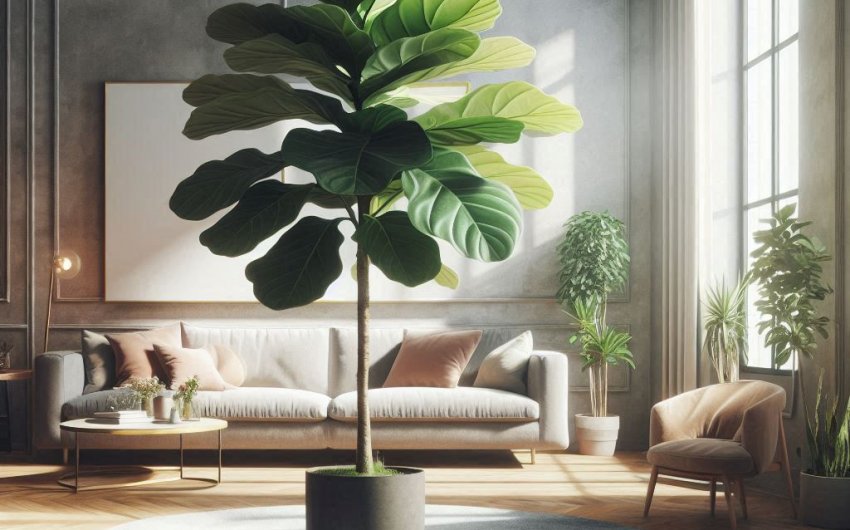
Big statement houseplants are large, striking plants that serve as focal points in a room, adding dramatic visual appeal, height, and natural texture. They instantly elevate interior decor and bring a vibrant, living presence to any space.
What Defines a "Big Statement Houseplant"?
A "big statement houseplant" is more than just a large plant; it's a living piece of decor designed to capture attention and define a space. These plants are typically chosen for their impressive size, unique foliage, or architectural form, acting as a natural sculpture or a vibrant splash of green. They stand out and command presence, unlike smaller plants that might blend into the background.
Key characteristics often include:
- Height: Generally plants that reach at least 3-4 feet tall, often much taller.
- Broad Leaves or Striking Foliage: Leaves that are unusually large, interestingly shaped, or vividly colored.
- Unique Form: A distinctive growth habit, like a tree-like trunk, a cascading shape, or an upright, columnar structure.
- Visual Impact: They create a sense of scale, depth, and a connection to nature indoors.
- Focal Point: These plants are often strategically placed to draw the eye and anchor a room.
What Are the Best Big Statement Houseplants for Bright, Sunny Spaces?
Bright, sunny spaces are ideal for many big statement houseplants that originate from tropical or sub-tropical regions, thriving on ample light to produce their impressive foliage.
Fiddle Leaf Fig (Ficus lyrata)
The Fiddle Leaf Fig is arguably the quintessential statement plant, known for its enormous, glossy, violin-shaped leaves. Its upright, tree-like growth habit makes it a dramatic focal point.
- Light: Prefers bright, indirect light. Can tolerate a few hours of direct morning sun but avoid harsh afternoon sun.
- Water: Water thoroughly when the top 2-3 inches of soil are dry. Ensure good drainage.
- Humidity: Prefers high humidity but tolerates average indoor humidity. Misting can help.
- Care Tip: Rotate regularly to encourage even growth. Wipe leaves to keep them dust-free and glossy. They can be finicky initially but thrive once settled.
- Consider: A healthy FIDDLE LEAF FIG TREE.
Bird of Paradise (Strelitzia nicolai)
The Bird of Paradise boasts large, banana-like leaves that fan out dramatically, giving it an unmistakable tropical feel. While it can bloom with striking orange and blue flowers, it's primarily grown indoors for its impressive foliage.
- Light: Needs very bright light, including several hours of direct sun, to thrive and potentially bloom.
- Water: Keep soil consistently moist but not soggy during the growing season; allow to dry out slightly in winter.
- Humidity: Appreciates high humidity; misting or a humidifier is beneficial.
- Care Tip: Leaves may naturally split, which is normal and adds to its character.
- Consider: A robust BIRD OF PARADISE PLANT.
Rubber Plant (Ficus elastica)
The Rubber Plant is a classic for good reason. Its large, thick, glossy leaves come in various shades, from dark green to burgundy ('Burgundy') and variegated ('Tineke', 'Ruby'). It grows into an impressive indoor tree.
- Light: Bright, indirect light is best. Can tolerate some direct morning sun. Lower light will lead to less vibrant color, especially in variegated varieties.
- Water: Water when the top 1-2 inches of soil are dry.
- Humidity: Tolerates average indoor humidity but appreciates higher levels.
- Care Tip: Wipe leaves regularly to keep them shiny and dust-free.
- Consider: A striking RUBBER PLANT BURGUNDY.
Yucca Cane (Yucca elephantipes)
The Yucca Cane is a tough and architectural plant, featuring thick, woody stems topped with sword-like, spiky leaves. It offers a desert-modern aesthetic and is incredibly forgiving.
- Light: Prefers bright light, including direct sun. Can tolerate lower light but won't thrive as much.
- Water: Drought-tolerant. Allow soil to dry out completely between waterings. Overwatering is the main killer.
- Humidity: Not fussy about humidity.
- Care Tip: Excellent for beginners or those who travel frequently.
- Consider: A tall YUCCA PLANT LIVE.
What Are the Best Big Statement Houseplants for Moderate to Low Light?
Not all homes have abundant bright light. Fortunately, several big statement houseplants thrive in moderate or even lower light conditions, making them versatile choices for various rooms.
Monstera Deliciosa (Swiss Cheese Plant)
The Monstera Deliciosa is beloved for its iconic, fenestrated (holey) leaves that develop as the plant matures. Its sprawling, vining habit can be trained up a moss pole to create a tall, impressive specimen.
- Light: Prefers bright, indirect light. Can tolerate medium light, but new leaves may not develop fenestrations. Avoid direct sun.
- Water: Water when the top 2-3 inches of soil are dry.
- Humidity: Appreciates high humidity; misting helps.
- Care Tip: Provide a MOSS POLE FOR PLANTS for vertical growth and aerial root support.
- Consider: A mature MONSTERA DELICIOSA PLANT.
Snake Plant (Sansevieria trifasciata)
The Snake Plant, or Mother-in-Law's Tongue, is incredibly resilient and striking with its upright, sword-like leaves. It's available in various heights and variegations, making it a powerful vertical element.
- Light: Extremely versatile. Thrives in bright, indirect light but tolerates low light conditions remarkably well. Avoid direct, intense afternoon sun.
- Water: Very drought-tolerant. Allow soil to dry out completely between waterings. Overwatering causes rot.
- Humidity: Not fussy.
- Care Tip: Perfect for beginners. Wipe dust from leaves.
- Consider: A tall SNAKE PLANT LAURENTII.
ZZ Plant (Zamioculcas zamiifolia)
The ZZ Plant is another incredibly low-maintenance option. Its waxy, dark green leaves grow in a graceful, upright arching pattern, adding a lush, sculptural element.
- Light: Tolerates low light very well. Thrives in medium to bright indirect light. Avoid direct sun.
- Water: Extremely drought-tolerant. Water when soil is completely dry, often every 2-4 weeks or longer.
- Humidity: Not fussy.
- Care Tip: Its rhizomes store water, making it very forgiving of neglect.
- Consider: A large ZZ PLANT ZAMIOCULCAS.
Dracaena fragrans 'Massangeana' (Corn Plant)
The Corn Plant is characterized by its thick, woody cane-like stems topped with long, strap-like green leaves, often with a yellow stripe down the center. It offers vertical height and a classic tropical look.
- Light: Prefers medium to bright indirect light. Can tolerate lower light but may become leggy. Avoid direct sun, which can scorch leaves.
- Water: Water when the top 1-2 inches of soil are dry. Sensitive to fluoride and chlorine in tap water; use filtered or distilled water if possible.
- Humidity: Tolerates average indoor humidity.
- Care Tip: Brown tips often indicate too little humidity or chemical sensitivity in water.
- Consider: A multi-stemmed DRACAENA FRAGRANS PLANT.
Areca Palm (Dypsis lutescens)
The Areca Palm is a classic choice for adding a lush, tropical vibe. Its feathery, arching fronds create a soft, airy presence, and it can grow quite tall, reaching the ceiling in ideal conditions.
- Light: Prefers bright, indirect light. Can tolerate medium light but will grow slower. Avoid direct sun.
- Water: Keep soil consistently moist but not soggy during the growing season; allow to dry out slightly in winter.
- Humidity: Requires high humidity to prevent brown tips. Misting frequently or using a humidifier is highly recommended.
- Care Tip: Brown tips are common if humidity is too low or water quality is poor.
- Consider: A vibrant ARECA PALM LIVE.
How Do I Choose the Right Big Statement Houseplant for My Space?
Selecting the ideal big statement houseplant involves more than just aesthetics; it's about matching the plant's needs with your home's environment and your lifestyle.
Consider Your Light Conditions
- Measure Light: Observe how much natural light your desired spot receives throughout the day. Is it bright direct sun, bright indirect, medium, or low light?
- Plant Match: Choose plants known to thrive in those specific light conditions. Never force a high-light plant into a low-light corner, or vice versa, if you want it to flourish.
Evaluate Humidity Levels
- Natural Humidity: Some homes are naturally more humid than others. Plants like Fiddle Leaf Figs and Areca Palms will struggle in very dry air.
- Humidifier: Are you willing to invest in a PLANT HUMIDIFIER if your chosen plant requires high humidity?
Assess Available Space
- Current Size vs. Mature Size: Don't just consider the plant's current size. Research its potential mature height and spread to ensure it won't quickly outgrow its spot.
- Room Flow: Ensure the plant won't block pathways, obscure windows, or make the room feel cramped.
Consider Your Lifestyle and Care Commitment
- Beginner-Friendly: If you're new to plants or travel often, opt for resilient, low-maintenance options like the Snake Plant or ZZ Plant.
- Experienced Plant Parent: If you enjoy regular plant care and troubleshooting, more demanding plants like the Fiddle Leaf Fig might be a good fit.
- Watering Habits: Are you prone to overwatering or underwatering? Choose plants that forgive your habits.
Pet Safety
- Toxic vs. Non-Toxic: Many common houseplants are toxic if ingested by pets. If you have curious pets, always research a plant's toxicity level. Some statement plants, like Monstera and Fiddle Leaf Fig, are toxic. Areca Palms, Boston Ferns, and Spider Plants are generally considered non-toxic.
Aesthetic Preference
- Match Decor: Does the plant's shape, leaf texture, and color complement your existing decor style (modern, bohemian, minimalist, traditional)?
- Impact: What kind of statement do you want to make? Do you want bold and dramatic, or soft and lush?
What Kind of Potting Soil Do Big Statement Houseplants Need?
The right potting soil is fundamental to the health of big statement houseplants. It must provide proper drainage, aeration, and nutrient retention for their extensive root systems.
General Characteristics of Good Potting Soil
- Well-Draining: This is paramount. Standing water leads to root rot, especially in larger pots.
- Aerated: Roots need oxygen. A chunky mix allows air pockets.
- Moisture Retentive: While draining well, it must hold enough moisture to keep the plant hydrated between waterings.
- Nutrient-Rich: Provides a good base of nutrients for robust growth.
Components of a Good Mix
For most tropical big statement houseplants (Fiddle Leaf Fig, Monstera, Rubber Plant, Areca Palm), a custom blend often works best.
- Base (Peat Moss or Coco Coir): Provides moisture retention.
- PREMIUM COCO COIR is an excellent sustainable option.
- Aeration (Perlite or Pumice): Essential for drainage and preventing compaction.
- Drainage/Structure (Orchid Bark or Horticultural Charcoal): Especially good for Aroids like Monstera, providing chunky texture and air pockets.
- Nutrients (Worm Castings or Compost): A natural, slow-release source of nutrients and beneficial microbes.
DIY Potting Mix Example (for most large tropicals)
- 2 parts high-quality potting mix (peat or coco coir-based)
- 1 part perlite or pumice
- 1 part orchid bark (optional, but good for Ficus, Monstera)
- 1/4 part worm castings
For succulents and cacti (like Yucca, large Sansevieria): use a specialized CACTUS AND SUCCULENT SOIL MIX, which is much grittier and drains faster.
What Are the Best Pots for Big Statement Houseplants?
Choosing the right pot is almost as important as the right plant and soil. The pot impacts drainage, stability, and aesthetic appeal.
Material Considerations
- Terracotta/Clay:
- Pros: Porous material promotes airflow to roots, allows soil to dry out faster, which is great for plants prone to root rot or those that prefer drier conditions (like succulents, Snake Plants, ZZ Plants).
- Cons: Can dry out soil too quickly for moisture-loving plants; heavy when large.
- Ceramic/Glazed:
- Pros: Wide range of stylish designs and colors, retains moisture longer (good for plants that like consistent moisture), can be very heavy and stable for tall plants.
- Cons: Non-porous, so drainage is solely reliant on drainage holes. Can lead to overwatering if not careful.
- Plastic:
- Pros: Lightweight, affordable, retains moisture well, easy to move. Good for initial planting.
- Cons: Can look less premium. Needs careful watering to avoid sogginess.
- Fiberglass/Resin:
- Pros: Lightweight, durable, often looks like ceramic or concrete but without the weight, good for very large plants.
- Cons: Can be more expensive. Retains moisture like plastic.
Size and Drainage
- Drainage Holes are Non-Negotiable: Every pot for a living plant must have drainage holes at the bottom to prevent waterlogging and root rot.
- Upsizing Gradually: When repotting, only go up one pot size (e.g., from 10-inch to 12-inch). Too large a pot holds too much soil and moisture, leading to root rot.
- Stability: For tall, top-heavy plants (like Fiddle Leaf Figs), choose a heavy pot or a wide-based pot to prevent tipping.
How Do I Care for My Big Statement Houseplant?
Caring for big statement houseplants involves more than just watering; it's about creating a consistent, favorable environment.
Watering Properly
- Feel the Soil: The most reliable method is to stick your finger 2-3 inches into the soil. Water only when it feels dry to the touch for most plants. For succulents/ZZ plants, let it dry out completely.
- Water Thoroughly: When you water, do so until water drains from the bottom. Discard any standing water in the saucer after 15-30 minutes.
- Consistent Schedule (Flexible): While a schedule helps, always adjust based on light, temperature, and season. Plants need less water in winter.
Light & Placement
- Observe: Pay attention to how your plant reacts to its light source. Leggy growth or small new leaves mean more light is needed; scorched leaves mean too much direct sun.
- Rotate: Rotate your plant every few weeks to ensure even growth and prevent it from leaning towards the light.
Humidity
- Group Plants: Grouping plants creates a microclimate with higher humidity.
- Humidifier: For humidity-loving plants, a PLANT HUMIDIFIER is the most effective solution.
- Pebble Trays: While they offer a slight humidity boost, they are less effective than humidifiers. Place a layer of pebbles in a tray and fill with water, ensuring the pot doesn't sit in water.
Fertilizing
- Growing Season Only: Fertilize during the active growing season (spring and summer) when the plant is putting out new growth. Reduce or stop in fall and winter.
- Dilute: Always dilute liquid fertilizers to half or quarter strength to avoid nutrient burn.
- Type: Use a balanced ALL-PURPOSE LIQUID PLANT FOOD or one specifically formulated for foliage plants.
- Do Not Fertilize a Stressed Plant: Never fertilize a dry, recently repotted, or struggling plant.
Pruning and Cleaning
- Dusting: Large leaves collect dust, which blocks light and hinders photosynthesis. Wipe leaves regularly with a damp cloth. A soft MICROFIBER CLOTH FOR PLANTS works well.
- Dead/Yellow Leaves: Remove any dead, yellowing, or damaged leaves promptly to redirect the plant's energy and prevent pest/disease issues.
- Shaping: Prune to maintain desired shape and size, or to encourage bushier growth.
Repotting
- Signs: Look for roots circling the pot, water draining too quickly, or stunted growth. Most big statement houseplants need repotting every 1-3 years.
- Size: Only go up one pot size.
- Fresh Soil: Always use fresh, good quality potting soil when repotting.
How Can I Prevent Common Problems with Big Statement Houseplants?
Preventing problems is easier than curing them. Proactive care for your big statement houseplants will ensure they remain healthy and impressive.
Overwatering
- Prevention: The most common killer. Always check soil moisture before watering. Ensure excellent drainage.
- Symptoms: Yellowing leaves, wilting despite wet soil, mushy stems, rotten odor from soil, fungus gnats.
Underwatering
- Prevention: Don't let plants dry out for too long, especially tropicals.
- Symptoms: Crispy, brown leaves (often starting at tips), drooping or dull foliage.
Insufficient Light
- Prevention: Place plants according to their light needs.
- Symptoms: Leggy growth (long stems, sparse leaves), small new leaves, dull color, lack of variegation (in variegated plants).
Pests
- Prevention: Inspect new plants carefully before bringing them home. Isolate new plants for a few weeks if possible. Check your plants regularly (weekly) for any signs of pests.
- Common Pests: Spider mites (fine webbing, tiny dots on leaves), mealybugs (white, cottony masses), scale (small, brown bumps), fungus gnats (tiny flies around soil).
- Treatment: For spider mites, increase humidity and use NEEM OIL SPRAY. For mealybugs, use rubbing alcohol on a cotton swab. Isolate infested plants immediately.
Brown Leaf Tips
- Cause: Often due to low humidity, inconsistent watering, or fluoride/chlorine in tap water (especially for Dracaenas, Palms).
- Prevention: Increase humidity, water consistently, use filtered or rainwater if your tap water is problematic.
Temperature Fluctuations and Drafts
- Prevention: Avoid placing plants near drafty windows, air conditioning vents, or heat sources. Most tropical plants prefer stable temperatures between 65-80°F (18-27°C).
- Symptoms: Sudden leaf drop, wilting, stunted growth.
By understanding these common issues and implementing preventative measures, your big statement houseplants will not only survive but truly flourish, becoming vibrant, eye-catching centerpieces in your home. These impressive plants offer more than just beauty; they bring a living, breathing connection to nature indoors, enhancing your space and well-being.