
The Best Terrarium Plants for Thriving Miniature Worlds
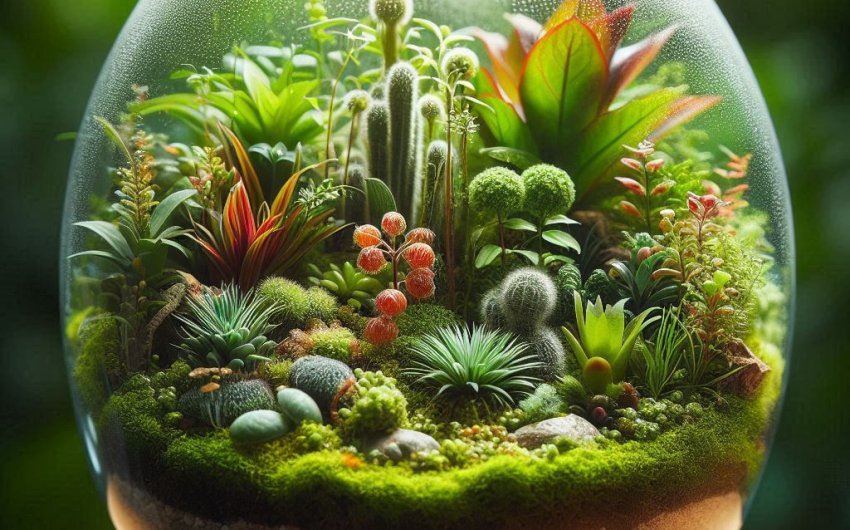
The best terrarium plants are those that thrive in high humidity, require minimal light, and remain small in stature, creating a self-sustaining miniature ecosystem. These plants are ideal for both closed and open terrarium environments.
What Makes a Plant Ideal for a Terrarium?
A plant is ideal for a terrarium if it can adapt to the unique conditions within a glass enclosure. These conditions typically involve high humidity, consistent moisture, and limited airflow, especially in closed terrariums. Key characteristics include:
- Compact Size: Terrariums have limited space. Plants that stay small or grow very slowly are preferred to prevent them from outgrowing the enclosure quickly.
- High Humidity Tolerance: Many terrariums, especially closed ones, maintain high humidity levels. Plants that naturally thrive in humid environments, like tropical rainforest undergrowth, are perfect.
- Low Light Needs: Light often enters terrariums from one side, and plants might be partially shaded. Those that prefer indirect or low light conditions will do best.
- Slow Growth Rate: This minimizes the need for frequent pruning and allows the miniature landscape to remain stable for longer.
- Moisture Tolerance (but not waterlogged): While terrariums are humid, the soil still needs to drain somewhat. Plants that enjoy consistently moist (but not soggy) soil are suitable.
- Pest and Disease Resistance: A contained environment can quickly spread pests or diseases. Healthy, robust plants are less susceptible.
What Are the Best Plants for Closed Terrariums?
Closed terrariums are like miniature greenhouses, maintaining high humidity and a consistent internal climate. The best terrarium plants for these sealed environments are those that love moisture and don't mind the recycled air.
Fittonia (Nerve Plant)
Fittonia, also known as the Nerve Plant, is a classic terrarium choice due to its striking variegated leaves. Its vibrant colors (pink, red, white, or green veins) against dark green foliage add an immediate pop of color.
- Why it's great: Thrives in high humidity, stays compact, and its spreading habit creates a nice groundcover.
- Care tips: Keep soil consistently moist; prefers indirect light. Can be pruned to maintain size.
- Varieties: 'Red Anne', 'White Anne', 'Pink Angel'.
- Fittonia Plants Live
Peperomia Varieties
Many Peperomia species are perfectly suited for terrariums. They are known for their varied leaf shapes, textures, and compact growth habits. Some popular choices include Peperomia caperata (ripple peperomia) and Peperomia obtusifolia (baby rubber plant).
- Why it's great: Wide variety of looks, compact, and tolerant of stable terrarium conditions.
- Care tips: Water when the top inch of soil feels dry; avoid overwatering. Bright, indirect light is best.
- Popular types: 'Rosso', 'Green', 'Marble'.
- Peperomia Plant Collection
Selaginella (Spikemoss)
Selaginella, often called spikemoss, looks like a miniature fern or moss and is an excellent groundcover for terrariums. It loves high humidity and adds a delicate, textural element.
- Why it's great: Lush, moss-like appearance, thrives in consistently moist, humid conditions.
- Care tips: Keep soil moist; appreciates very high humidity. Prefers low to medium indirect light.
- Varieties: 'Jemmy', 'Kraussiana'.
- Selaginella Live Plant
Miniature Ferns
Small, delicate ferns are perfect for adding a jungle feel to a terrarium. Look for dwarf varieties or young plants of species like Maidenhair Fern (Adiantum species), Button Fern (Pellaea rotundifolia), or Lemon Button Fern (Nephrolepis cordifolia 'Duffii').
- Why it's great: Creates a lush, natural forest floor look, thrives in high humidity.
- Care tips: Keep soil consistently moist; prefers indirect light. Avoid direct sun, which can scorch delicate fronds.
- Consider: ASPARAGUS FERN (DWARF).
Mosses
Various types of moss are fundamental for closed terrariums, acting as a natural carpet. They help retain moisture, contribute to humidity, and provide a soft, vibrant green layer.
- Why it's great: Excellent moisture retention, authentic forest floor look, low maintenance.
- Care tips: Keep consistently moist; thrives on humidity. No direct light needed.
- Types: Sheet moss, cushion moss, sphagnum moss.
- Live Terrarium Moss
Baby's Tears (Soleirolia soleirolii)
Baby's Tears is a delicate, creeping plant with tiny, bright green leaves that quickly form a dense mat. It's excellent for filling in spaces and creating a soft, lush groundcover.
- Why it's great: Rapidly spreads to cover soil, creates a beautiful texture, and loves humidity.
- Care tips: Requires consistently moist soil; avoid drying out. Bright, indirect light.
- Baby's Tears Plant
Pilea involucrata (Friendship Plant)
The Friendship Plant is known for its textured, crinkled leaves, often with dark veins and sometimes a reddish underside. It's a relatively small plant perfect for adding unique foliage.
- Why it's great: Beautiful textured leaves, stays compact, and enjoys humid conditions.
- Care tips: Keep evenly moist; avoid soggy soil. Bright, indirect light.
- Pilea Plant Live
What Are the Best Plants for Open Terrariums (Dish Gardens)?
Open terrariums, often called dish gardens, have more airflow and lower humidity than closed ones. The best terrarium plants for these environments are those that tolerate drier conditions and don't mind slightly less consistent moisture. Succulents and cacti are popular choices.
Succulents (Echeveria, Haworthia, Gasteria)
Succulents are very popular for open terrariums due to their striking forms and low water needs. They store water in their fleshy leaves, making them ideal for drier environments.
- Why it's great: Drought-tolerant, diverse shapes and colors, low maintenance.
- Care tips: Requires excellent drainage (use a cactus/succulent soil mix). Water sparingly when soil is completely dry. Needs bright light, even some direct sun.
- Popular types:
- Echeveria: Rosette-forming, wide range of colors.
- Haworthia: Spiky, architectural, often resembles aloe. Tolerates slightly lower light than other succulents.
- Gasteria: Thick, tongue-shaped leaves, often speckled.
- Succulent Plant Pack
Cacti (Mammillaria, Opuntia (dwarf varieties))
Cacti are perfect for creating a desert-like scene in an open terrarium. Choose small, slow-growing varieties that won't quickly outgrow the container.
- Why it's great: Extremely drought-tolerant, adds unique texture and form.
- Care tips: Very well-draining soil (cactus mix is essential). Water rarely, only when soil is completely dry. Needs very bright light, even direct sun.
- Avoid: Large, fast-growing cacti.
- Live Cactus Plant
Air Plants (Tillandsia)
Air Plants don't need soil at all! They absorb moisture and nutrients from the air through specialized scales on their leaves. This makes them incredibly versatile for open terrariums, allowing for creative arrangements on rocks, wood, or simply nestled among other plants.
- Why it's great: No soil needed, unique appearance, very low maintenance.
- Care tips: Mist regularly (several times a week) or soak in water for 20-30 minutes once a week. Allow to dry completely after soaking to prevent rot. Bright, indirect light.
- Tillandsia Air Plants
Crassula ovata 'Minima' (Dwarf Jade Plant)
This miniature version of the classic Jade plant is a small succulent tree that can add a fantastic structural element to an open terrarium. Its tiny, fleshy leaves and woody stems give it a bonsai-like appeal.
- Why it's great: Dwarf size, tree-like form, very hardy, drought-tolerant.
- Care tips: Water when soil is dry. Needs bright light.
- Dwarf Jade Plant
How Do I Choose the Right Plants for My Terrarium Type?
Choosing the right plants depends on whether you have a closed (sealed) or open (unsealed) terrarium. This decision dictates the humidity and airflow levels your plants will experience.
Closed Terrarium Plant Selection
- Humidity Lovers: Focus on plants that thrive in high humidity and consistently moist soil. Think tropical undergrowth.
- Slow Growers: Choose plants that won't quickly outgrow the confined space.
- Mold/Rot Resistance: Plants that can handle continuous moisture without rotting easily.
- Examples: Fittonia, Peperomia (most types), Selaginella, Baby's Tears, miniature ferns, various mosses.
Open Terrarium Plant Selection
- Drought Tolerant: Prioritize succulents, cacti, and air plants that prefer drier conditions and less humidity.
- Good Drainage: The soil mix for open terrariums needs excellent drainage to prevent root rot.
- Light Requirements: These plants generally need brighter light than closed terrarium plants.
- Examples: Echeveria, Haworthia, Gasteria, small cacti, Tillandsia, Crassula ovata 'Minima'.
What Kind of Soil Do Terrarium Plants Need?
The soil mix, often called substrate, is crucial for the health of your terrarium plants. The type of soil depends on whether you're building a closed or open terrarium.
Soil for Closed Terrariums
For closed terrariums, a good quality potting mix that drains well but also retains moisture is essential.
- Layers: A typical closed terrarium soil setup includes layers:
- Drainage Layer: Small pebbles, gravel, or LAVA ROCKS at the very bottom (about 1 inch) to collect excess water.
- Charcoal Layer: A thin layer of HORTICULTURAL CHARCOAL (1/2 inch) helps filter water and prevent odors.
- Mesh/Screen: Optional, but a small piece of mesh screen on top of the charcoal prevents soil from mixing into the drainage layer.
- Potting Mix: About 2-4 inches of HIGH-QUALITY POTTING MIX (peat-based or coco coir-based with perlite/vermiculite for aeration).
- Key properties: Good drainage, good moisture retention, and aeration.
Soil for Open Terrariums (Succulent/Cactus Terrariums)
Open terrariums, especially those with succulents and cacti, require extremely well-draining soil to prevent root rot.
- Drainage Layer: Still beneficial, but the primary drainage comes from the soil mix itself.
- Soil Mix: A specialized CACTUS AND SUCCULENT POTTING MIX is mandatory. These mixes contain a higher percentage of inorganic materials like perlite, pumice, coarse sand, or grit.
- Avoid: Standard potting soil, which retains too much moisture for these plants.
What Are the Light Requirements for Terrarium Plants?
Light is a critical factor for terrarium plants, but generally, less is more to avoid overheating and scorching.
Closed Terrarium Light
- Indirect Bright Light: Most closed terrarium plants (ferns, fittonia, peperomia) prefer bright, indirect light. Think of the light under a rainforest canopy.
- Avoid Direct Sun: Direct sunlight, especially through glass, can quickly magnify heat and scorch delicate leaves, turning your terrarium into an oven.
- Low Light Tolerance: Many terrarium plants are quite tolerant of lower light conditions, though too little light will lead to leggy growth and dull colors.
- LED Grow Lights: If natural light is insufficient, small LED grow lights designed for indoor plants can provide the necessary illumination without excessive heat. A good option is a SMALL LED GROW LIGHT.
Open Terrarium Light
- Bright Light: Succulents and cacti in open terrariums generally require bright light, and many can even tolerate a few hours of direct sunlight.
- South or West-Facing Window: These are often ideal spots.
- Monitor: Even with bright light, observe your plants. If they look bleached or scorched, they might be getting too much direct sun. If they stretch and look leggy, they need more light.
How Do I Maintain My Terrarium Plants?
Maintaining terrarium plants is relatively simple, especially for closed systems, but attention to detail ensures their long-term health.
Closed Terrarium Maintenance
- Watering: This is the most unique aspect.
- Initial Watering: Water lightly after planting, ensuring the soil is moist but not soggy.
- Self-Sustaining Cycle: Once sealed, the terrarium recycles water. You might only need to water once every few weeks, months, or even less frequently.
- Condensation Check: Look for condensation. If glass is perpetually fogged, it's too wet; if there's no condensation, it's too dry. A healthy terrarium should have condensation on one side of the glass.
- Misting vs. Watering: For small top-ups, misting with a FINE MISTER is often enough. For dry soil, a small pour near the base of the plants.
- Pruning:
- Keep Small: Plants will still grow. Use long tweezers or small scissors to prune back any growth that touches the glass or becomes too large.
- Remove Dead Material: Promptly remove any yellowing, decaying, or dead leaves or plant parts to prevent mold and rot.
- Air Circulation: Briefly open a closed terrarium once a week or every few weeks for 15-30 minutes to allow for fresh air exchange and prevent excessive humidity and mold.
- Pest Control: If pests appear, address them immediately. Isolate the terrarium and use gentle, natural pest control methods suitable for enclosed spaces.
Open Terrarium Maintenance
- Watering: Water much less frequently than closed terrariums.
- Succulents/Cacti: Water only when the soil is completely dry, usually every 2-4 weeks. Allow water to drain fully.
- Air Plants: Mist several times a week or soak weekly, ensuring they dry completely afterward.
- Light: Ensure plants receive ample bright light, as discussed above.
- Pruning: Trim any leggy growth or damaged leaves.
- Dusting: In open environments, plants can collect dust. Gently brush off dust from succulents or mist air plants.
- Fertilizing: Generally not needed for open terrariums as plants are grown for their size, not rapid growth. If you do, use a very diluted liquid fertilizer sparingly during the growing season.
How Do I Troubleshoot Common Terrarium Plant Problems?
Even with the best terrarium plants, issues can arise. Knowing how to troubleshoot helps keep your miniature world thriving.
Problem: Mold or Fungus Growth
- Cause: Too much humidity, poor air circulation, or decaying organic matter.
- Solution:
- Increase Airflow: Open the terrarium lid for several hours or even a day to dry it out.
- Remove Decaying Material: Carefully remove any dead leaves or decaying plant parts using long tweezers.
- Reduce Watering: If you've been adding water, stop for a while.
- Use Activated Charcoal: Ensure you have a charcoal layer in your substrate to help absorb impurities.
Problem: Leaves Turning Yellow or Brown
- Cause:
- Yellow: Often indicates overwatering or too little light.
- Brown/Crispy: Usually means too little humidity, underwatering, or too much direct sunlight.
- Solution:
- Overwatering: Reduce watering frequency, ensure proper drainage.
- Underwatering: For closed terrariums, mist more frequently; for open, check soil moisture.
- Humidity: For closed, ensure lid is sealed; for open, mist air plants more.
- Light: Move to a brighter spot (yellow) or away from direct sun (brown/crispy).
Problem: Leggy or Stretched Growth (Etiolation)
- Cause: Insufficient light. Plants stretch towards a light source to try and get more light.
- Solution: Move the terrarium to a brighter location with more indirect light. If natural light is scarce, consider adding a grow light. Prune back leggy growth to encourage bushier development.
Problem: Pests
- Cause: Introduced on new plants or existing in unsterilized soil.
- Solution:
- Isolate: Immediately isolate the affected terrarium.
- Manual Removal: For larger pests like mealybugs, use a cotton swab dipped in rubbing alcohol to wipe them off.
- Natural Sprays: For small infestations, a very diluted neem oil spray can be carefully applied, ensuring good ventilation afterward. Be cautious as enclosed spaces can trap strong odors.
- Fungus Gnats: These common tiny flies indicate consistently wet soil. Let the terrarium dry out more between waterings. Yellow sticky traps can catch adults.
Problem: Plant Dying/Rotting
- Cause: Almost always overwatering and lack of drainage, leading to root rot.
- Solution:
- Assess and Act Quickly: If a plant looks mushy or is visibly rotting, gently remove it.
- Examine Roots: Trim off any mushy, black, or smelly roots.
- Dry Out: Allow the terrarium to air out for an extended period.
- Repot/Replace: If the root rot is severe, the plant may not be salvageable. Replace with new, healthy plants and ensure the substrate has excellent drainage.
By understanding the specific needs of various best terrarium plants and creating the right environment, you can enjoy a flourishing, low-maintenance slice of nature in your home.