
The Best Soil for Thriving Indoor Plants
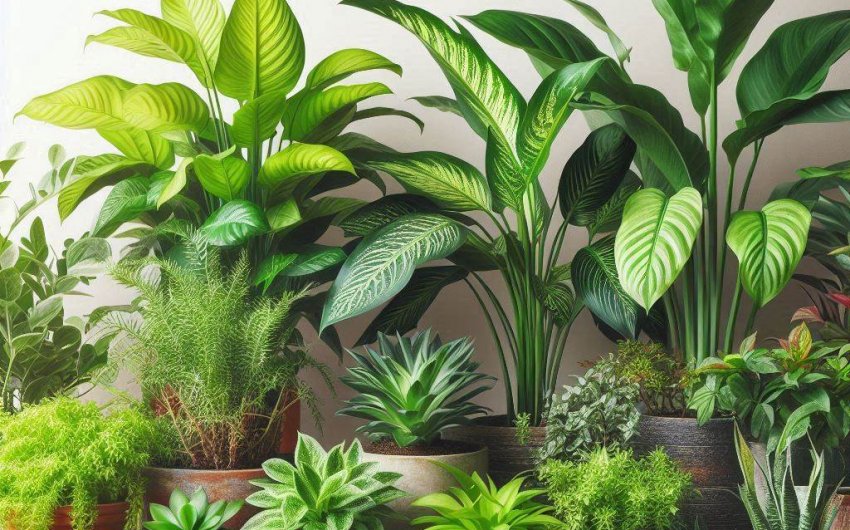
The best soil for indoor plants provides optimal drainage, aeration, and nutrient retention, crucial for healthy root development and overall plant vitality. It's a balanced blend that supports your plants from the ground up.
What is the Best Potting Soil for Indoor Plants?
The best potting soil for indoor plants is not "garden soil" but rather a specialized potting mix designed for containers. It's lighter, drains better, and is typically sterile to prevent pests and diseases. Look for mixes that are specifically labeled for indoor use.
Why Can't I Use Garden Soil for Indoor Plants?
You cannot use garden soil for indoor plants because it is too heavy, compacts easily, and often contains pathogens, weed seeds, and insects. Garden soil lacks the necessary aeration and drainage that indoor plants require to prevent root rot in a confined pot. It becomes waterlogged quickly, suffocating delicate roots.
What Are the Essential Components of Good Indoor Potting Mix?
Good indoor potting mix is made of several essential components working together to create an ideal environment for roots. These components ensure proper drainage, aeration, and nutrient supply.
Peat Moss or Coco Coir
Peat moss and coco coir are primary base materials. Both offer excellent water retention while still allowing for good aeration.
- Peat Moss: Known for its ability to hold many times its weight in water, peat moss slowly releases moisture to plant roots. It's also acidic, which is beneficial for many indoor plants. However, its harvesting raises environmental concerns for some.
- Coco Coir: A sustainable alternative to peat moss, coco coir is made from coconut husks. It also retains water well, provides good aeration, and has a neutral pH, making it versatile for a wider range of plants. It often comes in compressed bricks that expand when watered. Consider COCO COIR BRICK for an eco-friendly option.
Perlite
Perlite is a lightweight, white volcanic rock that provides crucial aeration and drainage. It prevents soil from compacting and allows roots to breathe. Without perlite, soil can become dense, leading to waterlogging and root suffocation. It looks like small white foam balls and is a vital ingredient for a fluffy, well-draining mix. You can often find a large bag of PERLITE to mix into your existing soils.
Vermiculite
Vermiculite is a mineral that expands when heated, creating lightweight, absorbent flakes. It holds both water and nutrients, releasing them slowly to the plant. Unlike perlite, vermiculite also helps retain moisture and can improve the cation exchange capacity (CEC) of the soil, meaning it helps the soil hold onto nutrients better. It also adds to the overall aeration.
Compost or Worm Castings
Adding compost or worm castings introduces beneficial microbes and a slow-release source of nutrients. These organic materials improve soil structure and provide a natural, gentle fertilization, reducing the need for frequent synthetic fertilizers. They contribute to a healthier soil ecosystem. A popular choice is ORGANIC WORM CASTINGS.
Sand (Coarse)
While not always necessary for all plants, coarse sand can be added to improve drainage, especially for succulents and cacti. It helps create a grittier texture that allows water to pass through quickly. Fine sand should be avoided as it can compact soil.
How Do I Choose the Right Potting Mix for My Specific Indoor Plant?
Choosing the right potting mix depends heavily on your plant's specific needs, especially concerning drainage and moisture retention. Not all plants thrive in the same environment.
General Purpose Potting Mix
For most common houseplants like Pothos, Philodendrons, ZZ Plants, and Peace Lilies, a general-purpose indoor potting mix works well. These mixes are balanced with a good ratio of peat moss (or coco coir), perlite, and sometimes vermiculite. They offer a good balance of drainage and moisture retention. A reliable choice is MIRACLE-GRO INDOOR POTTING MIX.
Succulent and Cactus Mix
Succulents and cacti require extremely sharp drainage to prevent root rot. A specialized succulent and cactus mix contains a higher percentage of gritty materials like perlite, coarse sand, or pumice and less peat moss. This ensures water drains rapidly, mimicking their native arid environments. This specific mix is vital for their survival. Look for ESPOMA ORGANIC CACTUS MIX.
Orchid Bark Mix
Orchids are epiphytic plants, meaning they naturally grow on other plants, not in soil. They require an orchid bark mix primarily composed of bark pieces (fir bark is common), charcoal, and sometimes perlite or sphagnum moss. This mix provides excellent air circulation around their roots and very fast drainage, preventing root rot common in traditional soil. Try a quality ORCHID POTTING MIX.
African Violet Mix
African Violets prefer a light, airy, and slightly acidic mix that retains moisture without becoming waterlogged. An African violet mix typically contains more peat moss, perlite, and vermiculite, providing the ideal balance for their delicate root systems and consistent moisture needs.
Aroid Mix
For popular aroids like Monstera, Philodendron, and Alocasia, an "Aroid mix" is highly beneficial. This custom blend often includes bark, coco coir, perlite, and sometimes charcoal or worm castings. It provides the chunky texture and excellent aeration these plants crave, mimicking their natural jungle floor environments. You can either buy a pre-made ARIUM ARIOD MIX or create your own.
Can I Make My Own Indoor Potting Soil?
Yes, you can absolutely make your own indoor potting soil, and it's often a cost-effective way to get the exact blend your plants need. Creating your own mix allows you to customize the drainage and moisture retention properties for different plant types.
Basic DIY All-Purpose Potting Mix Recipe
This recipe is great for most common houseplants that prefer well-draining but moisture-retentive soil.
- 2 parts Sphagnum Peat Moss or Coco Coir: This provides the base for water retention.
- 1 part Perlite: Essential for aeration and drainage.
- 1 part Vermiculite: Adds moisture retention and nutrient holding capacity.
- Optional: 1/4 part Worm Castings or Compost: For slow-release nutrients and beneficial microbes.
Instructions:
- Thoroughly mix all ingredients in a large container or on a tarp.
- Wear gloves and a mask, especially when handling peat moss or perlite, as fine dust can be irritating.
- Add a small amount of water to slightly moisten the mix before use; this helps prevent dry pockets and dust.
DIY Succulent/Cactus Potting Mix Recipe
For succulents and cacti, the emphasis is on excellent drainage.
- 1 part Potting Mix (all-purpose): A small amount for some moisture and nutrients.
- 1 part Coarse Sand or Horticultural Grit: For rapid drainage.
- 1 part Perlite or Pumice: Enhances drainage and aeration significantly.
Instructions:
- Combine all ingredients well.
- Ensure the mix is gritty and drains very quickly when moistened.
DIY Aroid Potting Mix Recipe
This mix is chunky and well-aerated, perfect for Monsteras, Philodendrons, and similar plants.
- 3 parts Orchid Bark: Provides large, airy spaces.
- 2 parts Coco Coir: For moisture retention.
- 2 parts Perlite: For additional aeration.
- 1 part Worm Castings: For natural nutrients.
- Optional: Small amount of Horticultural Charcoal: Improves drainage and can absorb impurities.
Instructions:
- Mix thoroughly to distribute components evenly. The result should be a very loose, chunky mix.
What Are the Key Qualities of Good Indoor Plant Soil?
Good indoor plant soil possesses several key qualities that promote robust plant growth and prevent common issues like root rot and nutrient deficiencies.
- Excellent Drainage: The most critical quality. Good soil allows excess water to flow out quickly, preventing roots from sitting in water, which leads to root rot.
- Good Aeration: Roots need oxygen to respire. A well-aerated soil has plenty of air pockets, thanks to ingredients like perlite and bark, allowing roots to breathe.
- Moisture Retention: While draining well, the soil must also hold enough moisture to keep the plant hydrated between waterings. Materials like peat moss and coco coir excel here.
- Nutrient Retention: The soil should be able to hold onto nutrients (from fertilizers or organic matter) so they are available to the plant's roots. Vermiculite and organic components like compost aid in this.
- Lightweight: A good potting mix is light and airy, making it easy to handle and preventing compaction in the pot.
- Sterile/Pest-Free: Commercial potting mixes are usually sterile, meaning they are free from weed seeds, harmful pathogens, and insect eggs, which is crucial for indoor environments.
- Appropriate pH: Most indoor plants prefer a slightly acidic to neutral pH (around 6.0-7.0). Good potting mixes are formulated to be within this range or are easily adjustable.
How Do I Know When My Plant Needs New Soil?
Your plant will show several signs when it's ready for new soil, indicating either a need for more space or depleted nutrients. Repotting with fresh best soil for indoor plants revitalizes your plant.
- Roots Circling the Pot: If you see roots growing out of the drainage holes or spiraling around the inside of the pot when you gently lift the plant, it's root-bound and needs a larger pot with fresh soil.
- Water Drains Too Quickly or Not at All: If water rushes through the pot instantly, the soil may be too compacted or degraded to hold moisture. If water sits on top and doesn't drain, the soil is likely too dense or hydrophobic.
- Stunted Growth: If your plant isn't growing much despite proper light and watering, it might have exhausted the nutrients in its current soil.
- Frequent Wilting: Even after watering, if your plant wilts quickly, the soil might not be retaining enough moisture.
- White Crust on Soil Surface: This can indicate a buildup of salts from hard water or fertilizers, which can be harmful to roots. Fresh soil helps alleviate this.
- Odor from Soil: A sour or foul smell can indicate anaerobic conditions, usually from overwatering and poor drainage, leading to root rot.
- Soil Shrinking Away from Pot Edges: This means the soil has become very dry and hydrophobic, often the result of peat moss breaking down and becoming hard to rehydrate.
Generally, most indoor plants benefit from repotting into fresh soil every 1-2 years, even if they don't need a larger pot. This replenishes nutrients and refreshes the soil structure.
What Are Common Potting Soil Problems and How Do I Fix Them?
Even with the best soil for indoor plants, issues can arise. Understanding common potting soil problems and their solutions is key to maintaining healthy plants.
Problem: Soil Compaction
Description: The soil becomes dense and hard, making it difficult for water to penetrate and roots to breathe. Often caused by too much fine particulate matter or repeated top-watering. Solution:
- Repot: The most effective solution is to repot the plant into fresh, well-aerated potting mix.
- Aerate Gently: For minor compaction, you can gently poke holes in the topsoil with a chopstick or skewer, being careful not to damage roots.
- Bottom Watering: This can help rehydrate compacted soil more evenly from the bottom up.
Problem: Water Draining Too Quickly
Description: Water runs straight through the pot without being absorbed, leading to plants drying out too fast. Solution:
- Increase Organic Matter: Add more peat moss, coco coir, or vermiculite to your mix to improve water retention.
- Use Heavier Potting Mix: For plants that like consistent moisture, switch to a mix with fewer large perlite or bark pieces.
- Bottom Water: Let the pot sit in a tray of water for 20-30 minutes to allow the soil to fully rehydrate.
Problem: Water Not Draining / Standing Water
Description: The soil stays soggy, leading to root rot and fungal issues. This is often due to poor drainage in the soil itself or insufficient drainage holes in the pot. Solution:
- Improve Drainage: Amend your soil with more perlite, pumice, or coarse sand.
- Check Drainage Holes: Ensure the pot has adequate drainage holes and they aren't blocked.
- Repot into a Proper Mix: For plants suffering from root rot, carefully remove the plant, trim any mushy roots, and repot into a very well-draining, fresh mix.
Problem: Pests in Potting Soil
Description: Fungus gnats, mealybugs, or other pests can infest soil, harming plants or simply being a nuisance. Solution:
- Let Soil Dry Out: Many pests, especially fungus gnats, thrive in consistently moist soil. Allow the top inch or two of soil to dry out between waterings.
- Neem Oil: Apply diluted BONIDE NEEM OIL to the soil surface to deter pests.
- Sticky Traps: Use YELLOW STICKY TRAPS to catch adult flying insects.
- Beneficial Nematodes: For persistent fungus gnat issues, consider introducing beneficial nematodes to the soil.
- Inspect New Plants: Always inspect new plants for pests before introducing them to your collection.
Problem: Soil Becoming Hydrophobic
Description: The soil (especially peat-based mixes) dries out so thoroughly that it repels water, making it hard to rehydrate. Water just beads on top and runs down the sides. Solution:
- Bottom Watering: This is the most effective method for rehydrating hydrophobic soil.
- Add a Wetting Agent: A few drops of mild dish soap (biodegradable, without degreasers) in your watering can act as a wetting agent, breaking the surface tension of the water and allowing it to penetrate the soil.
- Rough Up the Surface: Gently break up the top layer of soil to allow water to penetrate.
- Repot: If the problem is severe and persistent, repotting with fresh soil is the best long-term solution.
What About Fertilizing Indoor Plants and Soil Amendments?
While the best soil for indoor plants provides initial nutrients, they won't last forever. Fertilizing and using soil amendments are crucial for long-term plant health.
When to Fertilize
- Growing Season: Most indoor plants should be fertilized during their active growing season (spring and summer).
- Reduce in Dormancy: Reduce or stop fertilizing during fall and winter when plant growth slows.
- Follow Directions: Always follow the directions on the fertilizer package. More is not better and can lead to nutrient burn.
- Dilute: Many plant enthusiasts recommend diluting liquid fertilizer to half strength or even quarter strength and applying more frequently to avoid over-fertilization.
Types of Fertilizers
- Liquid Fertilizers: Fast-acting and easily absorbed. Great for regular feeding. Consider LIQUID FERTILIZER FOR INDOOR PLANTS.
- Slow-Release Granules: Applied less frequently, these release nutrients gradually over months. Often mixed into the topsoil.
- Organic Fertilizers: Options like worm castings, compost tea, or fish emulsion provide nutrients naturally and improve soil health.
Soil Amendments (Beyond Basic Mix)
- Horticultural Charcoal: Improves drainage, absorbs impurities, and can help prevent odors. Can be added to aroid mixes.
- Garden Lime (Dolomitic Lime): If your soil becomes too acidic (common with long-term peat use), lime can help raise the pH. Use sparingly and based on soil test results.
- Bone Meal: A natural source of phosphorus, good for flowering plants.
- Blood Meal: A natural source of nitrogen, good for leafy growth.
Remember that a healthy soil ecosystem is a living thing. By understanding its needs and providing the right environment, you set your indoor plants up for long-term success. The initial investment in the best soil for indoor plants pays off with vibrant, thriving greenery.