
Propagating Houseplants: Easy Methods for Success
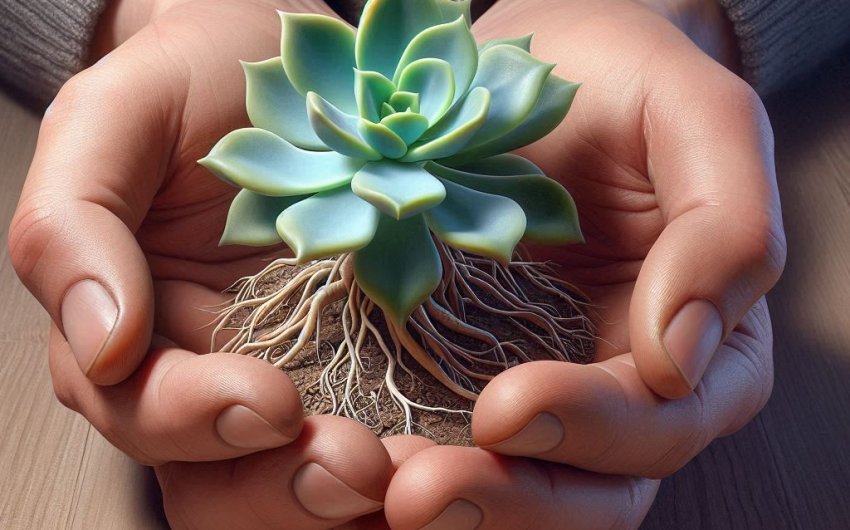
Propagating houseplants is a rewarding way to multiply your green collection, primarily through easy methods like stem cuttings in water or soil, leaf cuttings, or division. These techniques allow you to create new plants from existing ones, sharing the joy of gardening without extra cost.
What is Houseplant Propagation and Why Do It?
Houseplant propagation is the process of creating new plants from existing ones, essentially making "baby" plants from a "parent" plant. It's a natural way for plants to reproduce, and by understanding a few simple techniques, you can easily replicate this process at home.
Why Propagate Your Houseplants?
There are many compelling reasons to propagate your houseplants:
- Cost-Effective Plant Multiplication:
- Free Plants! Instead of buying new plants, you can easily expand your collection for free, or replace plants that might be struggling. This is perhaps the biggest draw for many enthusiasts.
- Savings: Growing from cuttings eliminates the cost of purchasing new plants, allowing you to build a lush indoor jungle on a budget.
- Sharing and Gifting:
- Thoughtful Gifts: Propagated plants make wonderful, heartfelt gifts for friends, family, and fellow plant lovers. Sharing a piece of your favorite plant is a special way to connect.
- Community Building: It's a fantastic way to participate in plant swaps and connect with the broader plant community.
- Rejuvenating Existing Plants:
- Addressing Legginess: Many houseplants, especially vining types like Pothos or Philodendrons, can become "leggy" or stretched out over time, with long, bare stems. Taking cuttings allows you to "behead" the plant, leading to bushier new growth from the original plant and providing new cuttings to root.
- Saving Struggling Plants: If a plant is suffering from root rot or has a damaged section, you can often save the healthy parts by taking cuttings before the entire plant succumbs.
- Managing Size: For plants that grow very large, propagation can be a way to manage their size by starting fresh with smaller plants.
- Learning and Connection:
- Educational: It's a hands-on way to learn about plant biology, growth cycles, and the incredible resilience of nature.
- Deepening Connection: Watching a tiny cutting develop roots and grow into a full plant is incredibly rewarding and deepens your connection with your green companions.
- Experimentation:
- With an abundance of cuttings, you can experiment with different growing mediums, light conditions, or arrangements without worrying about losing your original plant.
Houseplant propagation is a truly satisfying aspect of plant care, turning a single plant into a thriving, ever-expanding collection.
What Are the Easiest Methods for Propagating Houseplants?
There are several straightforward methods for propagating houseplants, each suited to different plant types. For beginners, stem cuttings in water or division are often the easiest, while stem cuttings in soil and leaf cuttings offer slightly more variety.
1. Stem Cuttings (Water or Soil)
This is the most common and versatile method for many popular houseplants.
- How it works: A section of stem with at least one node (where leaves and roots emerge) is cut from the parent plant and encouraged to form new roots.
- Best for:
- Vining Plants: Pothos (Epipremnum aureum), Philodendron (Philodendron hederaceum), Monstera (Monstera deliciosa), Syngonium (Syngonium podophyllum).
- Bushy Plants: Spider Plant (Chlorophytum comosum), ZZ Plant (Zamioculcas zamiifolia - though slower), Dracaena, Diffenbachia.
- Method A: Water Propagation (Easiest for Visual Learners):
- Take the Cutting: Using clean, sharp scissors or pruners, cut a 4-6 inch stem section. Ensure it has at least 1-2 nodes (the bumps on the stem where leaves attach). Make the cut just below a node.
- Remove Lower Leaves: Strip off any leaves from the bottom 1-2 inches of the cutting to prevent them from rotting in the water.
- Place in Water: Put the cutting in a clear glass or jar filled with clean room-temperature water. Ensure at least one node is submerged.
- Provide Light: Place the jar in a spot with bright, indirect light.
- Change Water: Change the water every few days to keep it fresh and prevent bacterial growth.
- Wait for Roots: Roots should start to appear within a few weeks (sometimes longer for slower growers). Once roots are 1-2 inches long, transfer the cutting to a pot with soil.
- Method B: Soil Propagation:
- Take the Cutting: Same as for water propagation.
- Optional: Rooting Hormone: Dip the cut end into rooting hormone powder to encourage faster rooting. Rooting Hormone Powder
- Plant in Soil: Plant the cutting directly into a small pot filled with well-draining potting mix. Bury at least one node.
- Water Lightly: Water lightly to settle the soil. Keep the soil consistently moist (but not soggy) for the first few weeks.
- Provide Humidity (Optional): Cover the pot with a plastic bag or dome to create a mini-greenhouse effect, increasing humidity for faster rooting.
- Wait for Roots: Test for rooting by gently tugging on the cutting. If you feel resistance, roots have formed. You should also see new leaf growth.
2. Leaf Cuttings
Certain succulents and other plants can produce an entire new plant from just a single leaf.
- How it works: A healthy leaf is removed from the parent plant, and roots and a tiny new plantlet grow from the base of the leaf.
- Best for: Succulents like Sansevieria (Snake Plant), Echeveria, Sedum, Kalanchoe, Peperomia (some varieties), and African Violets.
- Method:
- Take the Leaf: Gently twist or snap a healthy, plump leaf from the parent plant, ensuring the entire base (petiole) remains intact. For snake plants, you can cut a leaf into 2-4 inch sections.
- Callus (for succulents): For succulents, allow the leaf to dry out and form a "callus" (a hardened scab) over the cut end for 2-7 days to prevent rot.
- Place on Soil: For succulents, lay the callused leaf flat on top of well-draining succulent mix, or lightly insert the cut end just barely into the soil. For snake plants, insert the cut end vertically into soil or water.
- Lightly Water: For succulents, mist the soil surface occasionally. For snake plants or Peperomia, keep the soil lightly moist.
- Patience: This method is slower. It can take weeks or even months for roots and a tiny new plant to emerge from the base of the leaf. The original leaf will eventually shrivel and die as the new plant grows.
3. Division
This method is for plants that naturally grow in clumps or produce multiple "pups" or offsets.
- How it works: The parent plant is gently separated into smaller sections, each with its own root system.
- Best for: Spider Plants, Peace Lilies (Spathiphyllum), ZZ Plants, Ferns, Prayer Plants, Sansevieria (older clumps), African Violets.
- Method:
- Remove from Pot: Gently take the parent plant out of its pot.
- Identify Natural Divisions: Look for distinct clumps or sections with their own roots and foliage. For some plants, you can gently pull them apart by hand. For others, you might need a clean, sharp knife to cut through the root ball.
- Plant Divisions: Plant each new division into its own pot filled with fresh potting mix.
- Water In: Water thoroughly after potting.
- Benefits: Instant new plants, faster maturity, less stress on the original plant.
Choosing the right method for your specific houseplant is the first step toward successful propagation and expanding your green oasis.
What Tools and Materials Do I Need for Houseplant Propagation?
You don't need a lot of fancy equipment to propagate houseplants successfully. Most of what you need can be found around the house or purchased easily. Having the right tools ensures clean cuts and a healthy environment for your new plant babies.
Essential Tools
- Sharp Scissors or Pruning Shears:
- Why: Clean, sharp cuts are essential. Dull tools can crush stems, making it harder for the cutting to root and increasing the risk of disease for both the cutting and the parent plant.
- Recommendation: Any clean, sharp household scissors or small Bypass Pruning Shears designed for plants.
- Rubbing Alcohol (Isopropyl Alcohol) or Bleach Solution:
- Why: To sterilize your cutting tools before and after each use. This prevents the spread of diseases from one plant to another, especially if you're taking multiple cuttings or working with different plants.
- How to use: Wipe blades with alcohol or dip in a 10% bleach solution (1 part bleach to 9 parts water) and let air dry.
- Small Trowel or Scoop (Optional):
- Why: Useful for scooping potting mix into small pots or trays.
- Recommendation: Any small scoop or even an old kitchen spoon.
- Clean Knife (for division or thick stems):
- Why: Necessary for cleanly separating root balls during division or making precise cuts on thicker stems.
- Recommendation: A sharp kitchen knife, sterilized.
Essential Materials
- Healthy Parent Plant(s):
- Why: You need a healthy source plant to take cuttings from. Ensure it's pest-free and well-hydrated.
- Potting Mix (Appropriate for Houseplants):
- Why: The right medium provides the necessary support, moisture retention, and drainage for rooting cuttings and growing new plants.
- Recommendation:
- For most houseplants: A standard high-quality Indoor Potting Mix.
- For succulents/cacti: A specialized Succulent and Cactus Potting Mix, which is grittier and drains faster.
- For water propagation: Just clean water!
- Pots or Containers with Drainage Holes:
- Why: Proper drainage is critical to prevent root rot. Never use a pot without drainage for soil propagation.
- Recommendation: Small plastic nursery pots (2-4 inches), terracotta pots, or shallow propagation trays. For water propagation, any clean glass jar, bottle, or vase works.
- Small Plant Pots with Drainage
- Optional: Rooting Hormone Powder or Gel:
- Why: Can speed up root formation and increase success rates, especially for more challenging cuttings. It contains synthetic auxins that stimulate root growth.
- How to use: Dip the cut end of the stem or leaf into the powder/gel before planting.
- Rooting Hormone Powder
- Optional: Clear Plastic Bag or Dome:
- Why: To create a humid mini-greenhouse environment, especially useful for soil cuttings that benefit from higher humidity.
- Recommendation: A clear plastic grocery bag, a clear plastic clamshell container, or a specialized propagation dome.
By having these basic tools and materials on hand, you'll be well-prepared to embark on your houseplant propagation adventures.
How Do I Care for Newly Propagated Houseplant Cuttings?
Once your cuttings have developed roots, whether in water or soil, and show signs of new growth, their care transitions to nurturing them into robust young plants. The focus shifts to providing consistent, appropriate conditions for continued growth.
1. Transplanting from Water to Soil
- When to Transplant: Wait until the roots are at least 1-2 inches long. Roots that are too short may struggle to establish in soil, while overly long, spindly water roots can be brittle and prone to breaking.
- Prepare the Pot: Fill a small pot (e.g., 4-inch diameter) with fresh, well-draining potting mix. Make a small hole in the center.
- Gentle Handling: Carefully remove the cutting from the water. Gently place it into the prepared hole in the soil, ensuring the roots are spread out and not tangled.
- Backfill and Settle: Gently backfill with soil around the roots, lightly firming it down.
- First Watering: Water thoroughly immediately after transplanting to help settle the soil around the new roots.
- Acclimation: For the first week or two after transplanting from water, keep the plant in bright, indirect light and perhaps slightly higher humidity to help it acclimate to soil. Roots grown in water are different from soil roots and need time to adapt.
2. Light Requirements
- Bright, Indirect Light: All newly propagated plants, regardless of how they rooted, benefit from bright, indirect light. This means a well-lit spot, but without direct, intense sun rays that can scorch tender new leaves.
- Avoid Harsh Sun: Intense direct sun can be too much for fragile young plants and can dry out the soil too quickly.
- Gradual Increase: As the plant matures, you can gradually move it to its optimal light conditions (e.g., more direct sun for sun-loving plants) over a period of a week or two.
3. Watering
- Consistency (Initially): For the first few weeks after rooting/transplanting, keep the soil consistently moist, but never soggy. This helps the new roots establish without drowning.
- Transition to Normal: Once the plant is clearly established and showing strong new growth, transition to the regular watering schedule for that specific houseplant. This typically means allowing the top inch or two of soil to dry out between waterings.
- Drainage is Key: Always ensure pots have drainage holes and use a well-draining potting mix to prevent root rot.
4. Humidity (for some plants)
- Beneficial: Many houseplants appreciate higher humidity. If your plant thrives in humidity, consider placing it near a humidifier, on a pebble tray, or grouping it with other plants.
- Avoid Misting (for most): While often recommended, misting generally provides very short-lived humidity and can sometimes promote fungal issues.
5. Fertilizing (Hold Off Initially)
- No Immediate Need: Newly rooted cuttings don't need fertilizer right away. The energy stored in the original cutting and the nutrients in fresh potting mix are usually sufficient for initial growth.
- When to Start: Wait until the plant has established a robust root system and is actively producing significant new leaves. This might be 1-2 months after potting up.
- Diluted Strength: When you do start fertilizing, use a balanced liquid houseplant fertilizer diluted to half or even quarter strength to avoid burning delicate roots.
- Frequency: Fertilize sparingly, perhaps once a month during the active growing season (spring and summer).
6. Patience and Observation
- Growth Takes Time: Plant growth is not instantaneous. Be patient and observe your new plants. They will tell you what they need through their leaves and overall vigor.
- Pest Check: Regularly inspect your new plants for any signs of pests. It's easier to address issues on small plants.
By providing consistent, appropriate care for your newly propagated cuttings, you'll successfully nurture them into thriving, mature houseplants that will bring joy for years to come.
What Common Problems Occur During Houseplant Propagation?
While propagating houseplants is generally easy, even seasoned plant parents can run into issues. Understanding common problems helps you troubleshoot and increase your success rate.
1. Cuttings Rotting (Before Rooting)
This is the most common and often disheartening problem.
- Causes:
- Too Much Moisture: This is the primary culprit. Planting a cutting into overly wet soil before it has roots, or keeping water propagation vessels too stagnant, creates a perfect environment for bacterial and fungal rot.
- No Callus (for succulents): If propagating succulents from stems or leaves, not allowing them to dry and form a protective callus before planting in soil is a direct invitation for rot.
- Improper Soil: Using heavy, non-draining potting mix.
- Cold Temperatures: Cold, damp conditions exacerbate rot.
- Signs: The cutting (stem or leaf base) turns black, brown, or mushy, often with a foul odor.
- Solutions:
- Always Allow Callusing: For succulents, ensure the cut end is completely dry and firm before planting.
- Use Well-Draining Soil: Invest in or mix your own fast-draining potting mix.
- Water Sparingly: For soil cuttings, water only very lightly after planting, or even wait a few days. Then, allow the soil to dry out between very light waterings.
- Change Water Frequently: For water propagation, change the water every few days to keep it fresh.
- Provide Warmth and Airflow: Ensure good air circulation around cuttings.
2. Cuttings Not Rooting (or Taking a Very Long Time)
It feels like nothing is happening, and the cutting just sits there.
- Causes:
- Not Enough Light/Warmth: Cuttings need adequate light (bright, indirect) and warmth (ideally 70-80°F / 21-27°C) to stimulate root development.
- Too Little Stress: Sometimes, too much moisture or a too-rich environment can make a cutting "comfortable" and slow down its urgency to put out roots.
- Unhealthy Cutting: A stressed, weak, or diseased parent plant will produce poor cuttings.
- Incorrect Node Placement: For stem cuttings, roots emerge from nodes. If no nodes are submerged (in water or soil), it won't root.
- Just Patience: Some plants simply take longer to root than others.
- Signs: No visible roots after several weeks, or no new leaf growth from soil cuttings.
- Solutions:
- Check Light/Temperature: Move to a brighter, warmer spot.
- Adjust Watering: Ensure you're not overwatering. Allow some drying periods.
- Re-cut & Recallus (if stem is still healthy): If the end seems damaged or dried out, you can try a fresh cut higher up, callus, and restart.
- Consider Rooting Hormone: This can often speed things up.
3. New Growth is Leggy or Stretched Out (Etiolated)
The new leaves are small, pale, and spaced far apart on a long stem.
- Cause: Insufficient light. This commonly happens when new cuttings are placed in too much shade, especially after they've rooted and start to grow.
- Signs: Pale, weak, stretched growth with long gaps between nodes.
- Solutions: Gradually move the plant to a location with more bright, indirect light, and eventually to its ideal light conditions. Unfortunately, etiolated growth cannot revert to compact growth, so you may need to prune the stretched parts off once the plant is stronger and continue propagating from the healthier, compact growth.
4. Leaves Shriveling and Dying (on the Cutting Itself)
- Causes:
- Too Dry: Especially for soil cuttings before roots are established, or after roots form if underwatered.
- Too Much Direct Sun: Tender cuttings can get scorched.
- Normal Process (for leaf cuttings): The original "mother" leaf on a leaf cutting will naturally shrivel and die as the new plantlet grows, consuming the leaf's stored energy. This is normal.
- Damage/Stress: Physical damage or general stress.
- Signs: Leaves dry up, turn yellow or brown, and become crispy.
- Solutions:
- Check Soil Moisture: If in soil, ensure it's lightly moist for new cuttings, or that established plants are watered when the top few inches are dry.
- Adjust Light: Move out of direct, intense sunlight.
- Observe Leaf Cuttings: Understand that mother leaf shriveling is part of the process.
By being observant and understanding these common issues, you'll be well-equipped to troubleshoot and achieve greater success in propagating houseplants.
What Are Some Advanced Propagation Techniques?
While the core methods of stem cuttings, leaf cuttings, and division are perfect for beginners, there are a few more advanced propagation techniques that can be rewarding for specific plant types or for experienced propagators looking for new challenges.
1. Air Layering
- What it is: A method where roots are encouraged to form on a section of a stem while it's still attached to the parent plant. Once rooted, the section is cut and potted.
- Best for: Woody or semi-woody houseplants that are difficult to root from cuttings, or plants that have become very leggy with thick stems (e.g., Ficus elastica (Rubber Plant), Dracaena, Monstera, larger Philodendrons).
- Method:
- Select a Stem: Choose a healthy stem section, ideally about 6-12 inches below the growing tip.
- Prepare the Stem: Make a shallow, upward-sloping cut about 1/3 to 1/2 of the way through the stem, just below a node. You can also carefully remove a ring of bark (about 1 inch wide) around the stem.
- Apply Rooting Hormone (Optional): Dust the cut area with rooting hormone.
- Wrap in Moist Medium: Pack a ball of moist sphagnum moss or coco coir around the cut area.
- Seal: Wrap the moss-covered area tightly with clear plastic wrap or a small plastic bag, securing both ends with twist ties or tape to seal in moisture.
- Wait for Roots: Keep the moss consistently moist. Roots should begin to form within weeks to months, becoming visible through the clear plastic.
- Cut and Pot: Once a good root ball has formed, cut the stem just below the rooted section and plant the new rooted cutting into its own pot.
2. Offsets (with Roots)
While simple division is common, propagating plants like specific succulents or Bromeliads from their offsets (pups) can be considered a slightly more advanced method when they need careful separation.
- What it is: Many plants naturally produce "pups" or offsets from their base or rhizomes.
- Best for: Sansevieria (Snake Plant), Spider Plant (when taking plantlets from stolons), Agave, Aloe, Bromeliads (e.g., Guzmania, Vriesea), some types of cacti.
- Method:
- Wait for Roots: For best success, wait until the pup has developed its own roots and is at least 1/3 the size of the mother plant.
- Separate: Use a clean, sharp knife to carefully cut the connection between the pup and the mother plant, ensuring the pup has a good portion of its own roots.
- Pot: Plant the pup directly into a small pot with appropriate potting mix.
3. Root Cuttings
- What it is: Some plants can be propagated from sections of their roots.
- Best for: Plants that sucker heavily from their roots (e.g., some ornamental grasses, certain perennials, although less common for typical houseplants).
- Method: Carefully dig up a healthy section of root, cut it into 2-4 inch pieces, and plant them horizontally or vertically in a shallow tray of moist sand or potting mix.
4. Leaf Section Cuttings
- What it is: For plants with very large leaves (like snake plants), you can cut a single leaf into multiple sections, and each section can potentially root.
- Best for: Sansevieria (Snake Plant).
- Method: Cut a snake plant leaf into 2-4 inch sections. Make sure to note which end is "up" (closer to the tip of the original leaf). Plant each section vertically into well-draining soil, ensuring the "bottom" (closer to the base of the original leaf) end is inserted into the soil. You can also root them in water.
These advanced methods require a bit more precision or specific conditions but can be incredibly satisfying for expanding your knowledge and your houseplant collection. Always research the specific requirements for your particular plant species before attempting these techniques.