
Organic Weed Prevention: Effective Methods for Your Garden
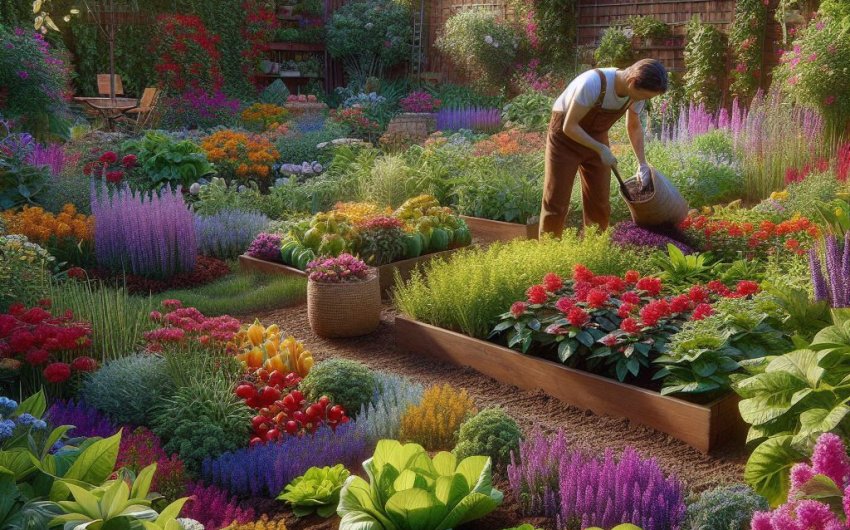
Maintaining a healthy, thriving garden is a labor of love. Yet, the persistent growth of weeds can be one of the biggest obstacles. Weeds compete with your plants for nutrients, water, and sunlight, compromising the beauty and productivity of your garden. Fortunately, there are many effective, organic ways to prevent and control them without resorting to harsh chemicals. Here’s a deep dive into tried-and-true methods for organic weed prevention that are safe for your plants, family, and the environment.
Understanding Weeds: Why They Keep Coming Back
Before diving into prevention, it’s essential to understand why weeds are so persistent. Weeds grow because:
- Bare soil is a prime location for weed seeds to settle and germinate.
- Some weed seeds remain viable in the soil for years, waiting for the right conditions.
- Weeds are often adapted to spread quickly and outcompete other plants.
Knowing these facts, let’s explore some strategies to keep your garden weed-free.
Mulching: A Gardener’s Best Friend
Mulching involves spreading a thick layer of organic material over the soil. It acts as a physical barrier, blocking sunlight and preventing weed seeds from germinating. Mulch also retains soil moisture, keeps the ground cool, and enriches the soil as it breaks down.
Types of Mulch
- Straw: Effective for vegetable gardens, straw breaks down over time, adding organic matter to the soil. Consider using straw mulch for affordable and long-lasting weed control.
- Wood Chips: Perfect for flower beds and pathways, wood chips look attractive and suppress weeds well. If aesthetics matter, look into wood chips that come in a variety of colors.
- Grass Clippings: Free and readily available, grass clippings are excellent for vegetable beds. Spread a thin layer to prevent it from matting down and creating an impenetrable barrier.
How to Apply Mulch
- Prepare the Soil: Remove existing weeds, loosen the soil, and water it well.
- Spread Evenly: Apply a 2-4 inch layer of your chosen mulch. Keep it away from the stems of plants to prevent rot.
- Monitor and Replenish: As the mulch decomposes, replenish it to maintain the barrier.
Tip: Avoid using invasive plants like Bermuda grass as mulch, as they may introduce more weeds.
Smother Weeds with Cover Crops
Cover crops are plants grown primarily to benefit the soil and outcompete weeds. They cover bare soil, blocking weeds from sunlight and suppressing their growth. Popular cover crops include clover, vetch, and rye.
- Clover: Great for adding nitrogen to the soil. Check out clover seed packets for affordable options.
- Vetch: A robust legume that improves soil fertility and suppresses weeds effectively. Consider vetch seeds to keep your soil healthy.
- Rye: Ideal for overwintering, rye prevents soil erosion and controls weed growth in the colder months. You can grab rye seeds to get started.
Plant cover crops in the offseason or between rows in your vegetable garden to keep weeds at bay.
Hand Weeding: Old-Fashioned but Effective
While not the most glamorous task, hand weeding is a necessary part of any weed prevention strategy. When done correctly, it can be highly effective.
Tips for Easier Hand Weeding
- Weed When the Soil is Moist: Pulling weeds is easier after a good rain, as the roots come out with less resistance.
- Use the Right Tools: A weeding fork or hand hoe can help you dig out stubborn weeds.
- Get the Roots: Pull gently but firmly to remove the entire root. Weeds like dandelions will grow back if even a small part of the root is left.
Doing a little bit of weeding each week prevents weeds from taking over and becoming unmanageable.
Solarization: Using the Sun to Your Advantage
Solarization is an effective method for killing weeds and their seeds using the sun’s heat. This method is particularly useful for large areas where manual weeding is impractical.
How to Solarize Your Soil
- Clear the Area: Remove any large weeds or debris.
- Water Thoroughly: Wet soil conducts heat better, making solarization more effective.
- Cover with Clear Plastic: Use UV-stabilized plastic sheeting to cover the area. Bury the edges to trap the heat.
- Wait 4-6 Weeks: During the hottest part of the summer, let the plastic do its work. The heat will kill weeds, seeds, and even some soil pathogens.
While solarization may temporarily kill beneficial microbes, the soil will quickly recover and be ready for planting.
Use Natural Weed Barriers
Physical barriers can prevent weeds from sprouting in your garden beds and paths. Popular options include:
- Landscape Fabric: Great for vegetable gardens or around perennial flowers. Pair with mulch for double protection. Get durable landscape fabric that can last for several seasons.
- Cardboard and Newspaper: An inexpensive, biodegradable option. Lay a layer of cardboard or several sheets of newspaper on the soil and cover it with mulch. Over time, they will decompose, adding organic matter to the soil.
These barriers stop sunlight from reaching weed seeds, preventing them from germinating.
Cultivate Carefully to Minimize Disturbance
Cultivation, or tilling, can help control weeds, but it also brings dormant weed seeds to the surface where they can sprout. To prevent this:
- Use Minimal Tillage: Disturb the soil only when necessary. A stirrup hoe works well for shallow cultivation, cutting off weeds at the root level.
- Weed Early and Often: Young weeds are easier to remove. Make it a habit to do a quick weeding session each week.
Strategic cultivation helps maintain soil structure and minimizes the weed seed bank in your garden.
Vinegar: An Organic Herbicide
Vinegar contains acetic acid, which can be used as a natural herbicide. It’s especially useful for killing weeds in pathways and other areas where you don’t want plants to grow.
How to Use Vinegar for Weed Control
- Use the Right Strength: Household vinegar (5% acetic acid) works on small, young weeds. For tougher weeds, consider horticultural vinegar, which has a higher concentration of acetic acid.
- Apply on a Sunny Day: Spray directly onto the leaves of the weeds, making sure to avoid your garden plants. The heat from the sun will enhance its effectiveness.
- Repeat if Necessary: Stubborn weeds may require multiple treatments.
Be cautious, as vinegar can lower soil pH and harm nearby plants if overused.
Boiling Water: A Simple but Effective Solution
Boiling water is a cheap and straightforward way to kill weeds, especially in paved areas or gravel paths.
How to Use Boiling Water
- Boil Water: Using a kettle, heat water to boiling.
- Pour Carefully: Directly pour the boiling water onto the weeds, focusing on the crown and roots. Avoid splashing, as it can damage nearby plants.
This method is highly effective for killing weeds in cracks and crevices but less practical for large garden beds.
Corn Gluten Meal: A Pre-Emergent Weed Killer
Corn gluten meal is a by-product of corn milling and works as a natural pre-emergent herbicide. It prevents seeds from germinating but won’t kill existing weeds.
Application Tips
- Spread Evenly: Apply a generous layer of corn gluten meal in early spring before weeds have a chance to sprout.
- Water Lightly: Water the area after applying, then let it dry. Avoid planting seeds in treated areas, as they will also be inhibited from growing.
This method is perfect for keeping your lawn free of unwanted weeds while adding nitrogen to the soil.
Maintaining Healthy Soil to Outcompete Weeds
Healthy soil encourages the growth of strong, robust plants that can outcompete weeds. Here’s how to maintain it:
- Compost: Regularly add organic compost to improve soil structure and fertility.
- Crop Rotation: Rotate your crops to prevent soil depletion and reduce weed problems. Different crops have varying nutrient needs and root structures.
- Avoid Compaction: Compacted soil makes it hard for plant roots to grow and allows weeds to thrive. Use a garden fork to aerate the soil when needed.
Well-maintained soil promotes healthy plant growth, reducing the need for weed control efforts.
Plant Densely and Use Companion Planting
Dense planting shades the soil, preventing weed seeds from getting the light they need to germinate. Companion planting involves growing certain plants together to deter weeds naturally.
Examples of Companion Planting
- Marigolds and Tomatoes: Marigolds repel certain pests and shade the soil. Plant marigold seeds around your tomatoes for natural weed prevention.
- Basil and Peppers: Basil enhances the flavor of peppers and helps suppress weeds. Pick up basil seeds for this productive partnership.
When planting densely, be sure to space plants appropriately to avoid competition for resources.
Flame Weeding for Pathways and Driveways
Flame weeding uses intense heat to destroy weeds. A flame weeder is a tool that emits a controlled flame, killing weeds without disturbing the soil.
How to Use a Flame Weeder
- Choose the Right Tool: Select a propane-powered flame weeder for ease of use and safety.
- Work on Calm Days: Avoid using flame weeders on windy or dry days to reduce fire risk.
- Quick Passes: Pass the flame over the weeds just long enough to wilt them. The goal is to disrupt cell walls, not turn the weeds to ash.
This method works well for walkways, driveways, and gravel areas but should be used cautiously around flammable materials.
Vine Mulches for Groundcover
Using living mulches, like sweet potato vines or creeping thyme, is a fantastic way to prevent weed growth. These plants spread quickly, covering the soil and outcompeting weeds.
Popular Vine Mulches
- Sweet Potato Vines: These not only suppress weeds but also provide a tasty harvest. Look for sweet potato vine plants to double as ground cover.
- Creeping Thyme: A fragrant, low-maintenance option for pathways and borders. Try creeping thyme seeds for a beautiful and functional groundcover.
Vine mulches are ideal for preventing soil erosion and keeping weeds in check.
Keep your garden flourishing and weed-free using these organic methods. A little prevention goes a long way in maintaining a healthy, productive garden.