
Growing Vegetables in Cold Climates: A Complete Guide
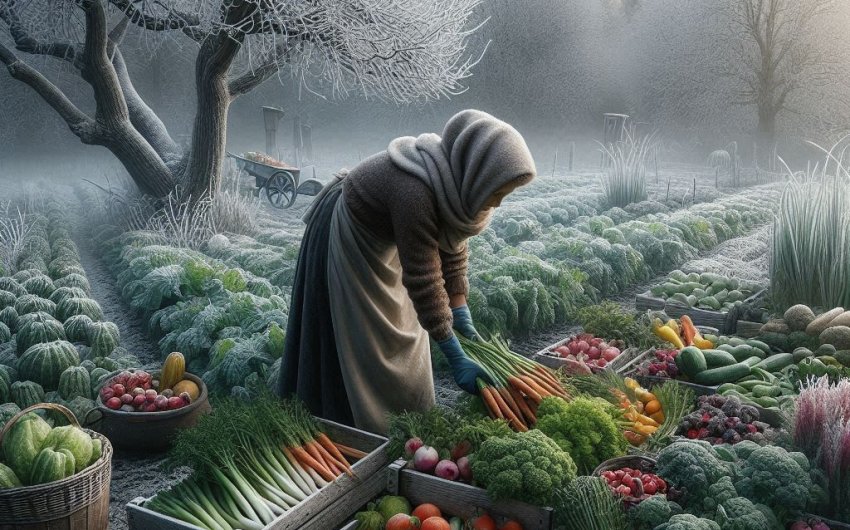
Gardening in colder climates presents unique challenges, but with the right techniques, it's entirely possible to enjoy a productive vegetable garden year-round. Cold-hardy vegetables, proper planning, and season-extending methods can turn even the frostiest garden beds into vibrant, healthy produce sources. This guide provides everything you need to know about growing vegetables in cold weather, from choosing the right varieties to protecting plants from frost.
Whether you’re looking to grow leafy greens, root vegetables, or hearty brassicas, read on to learn how to make your cold-climate garden thrive.
Understanding Your Climate Zone
Before you dive into cold-climate gardening, it’s essential to understand your hardiness zone. The USDA Hardiness Zone Map divides regions based on average winter temperatures, from the frigid temperatures of Zone 1 to the milder climates of Zone 13. Knowing your zone helps you select vegetables that will thrive in your area’s winter weather. For instance, if you live in Zone 3, where temperatures can drop as low as -40°F, choosing the most cold-hardy plants is essential.
To check your zone, you can visit the Hardiness Zone Map and locate your region. This map also helps you determine your last frost date and first frost date, which are key to planning your planting and harvesting schedules.
Best Cold-Hardy Vegetables to Grow
Certain vegetables naturally tolerate colder conditions, making them ideal for growing in harsh climates. Here’s a list of the most reliable cold-weather vegetables to add to your garden:
1. Leafy Greens
Leafy greens are fast-growing and resilient, often tolerating frost and light snow. These plants tend to grow best in temperatures between 45°F and 75°F.
- Kale – Extremely hardy and can survive down to 10°F.
- Spinach – Great for early spring and fall planting.
- Swiss Chard – Mild frost tolerance, but requires a little cover in extreme cold.
Find seeds for these leafy greens and more by checking out Cold Weather Vegetable Seeds ($5 - $10).
2. Root Vegetables
Root vegetables thrive underground, where soil acts as natural insulation. Many of these can survive temperatures down to freezing with minimal protection.
- Carrots – Sweeten in colder weather and store well through the winter.
- Beets – Can withstand light frost and improve in flavor as temperatures cool.
- Radishes – Fast-growing and can handle cooler temperatures.
For durable root vegetable seeds, explore Root Vegetable Seeds ($6 - $15).
3. Brassicas
Brassicas, also known as the cabbage family, include hardy vegetables that can thrive in frosty conditions.
- Cabbage – Frost-tolerant and grows well in cold weather.
- Broccoli – Can survive temperatures as low as 20°F.
- Brussels Sprouts – Improve in taste after a frost.
For top-quality brassica seeds, consider Brassica Seeds ($8 - $12).
4. Alliums
Alliums, such as onions and garlic, are known for their cold resistance and can even be planted in the fall for an early spring harvest.
- Garlic – Thrives when planted in the fall, ready for spring.
- Onions – Select hardy varieties that can survive winter temperatures.
Pick up a variety of hardy allium seeds with Allium Seeds ($7 - $14).
Preparing Your Garden for Winter Planting
To give your cold-weather vegetables the best chance at survival, you need to prepare your garden beds appropriately. Follow these steps to set up a thriving winter garden:
1. Choose the Right Soil
Cold-climate gardening benefits from nutrient-rich, well-draining soil. Add organic matter, like compost, to your soil to improve drainage and warmth retention.
Consider using a Soil Testing Kit ($10 - $20) to check for deficiencies in essential nutrients. Adding compost or Organic Fertilizer ($15 - $25) can improve soil health and plant resilience.
2. Apply Mulch
Mulching helps insulate soil, keeping temperatures more stable and protecting plant roots from freezing. Apply a 2- to 3-inch layer of Straw Mulch ($12 - $20) or Wood Chips ($10 - $15) around plants.
3. Create Raised Beds
Raised beds warm up more quickly than the ground and provide better drainage, making them ideal for cold-weather gardening. Build or buy a Raised Bed Kit ($30 - $100) to keep your soil well-drained and warm.
4. Use Row Covers
Row covers provide insulation and protect plants from frost while allowing sunlight and air to reach them. Lightweight Frost Blankets ($12 - $25) or Garden Fabric ($10 - $20) can be draped over plants or hoops for easy frost protection.
Essential Tools for Cold-Climate Gardening
Gardening tools designed for cold climates help you work efficiently and keep your garden thriving, even in chilly weather. Here are some must-haves:
- Hand Trowel – Great for transplanting and small digging tasks. Find options with insulated handles for better cold-weather handling. Check out Insulated Hand Trowel ($8 - $15).
- Garden Hoe – Essential for breaking up frozen ground or removing weeds. See the latest Garden Hoes ($10 - $25).
- Seedling Trays – Perfect for starting seeds indoors. Look for Seedling Trays ($15 - $30) with covers for added warmth.
- Cold Frame – A mini greenhouse that captures solar heat, keeping plants warmer than the outdoor air. Explore Cold Frames ($50 - $200) for year-round gardening.
Indoor Seed Starting Tips
When winter makes outdoor planting impossible, start your seeds indoors to give them a head start. Here’s how to maximize indoor seed starting:
1. Choose Cold-Hardy Seeds
Select seeds that thrive in cold temperatures, as they’ll be better suited to transition outdoors when spring arrives. Look for cold-tolerant seeds like spinach, lettuce, kale, and carrots. Find a great selection of Cold-Climate Seeds ($6 - $15).
2. Use a Heat Mat
A Seedling Heat Mat ($15 - $25) provides gentle warmth to soil, helping seeds germinate faster in chilly homes. Place the mat under your seedling trays and maintain a temperature of around 70°F for most seeds.
3. Optimize Lighting
Cold-climate gardeners often face limited sunlight, so supplement with Grow Lights ($20 - $50). Place lights close to the seedlings, ideally about 4-6 inches away, and keep them on for 12-16 hours daily.
4. Transplant Gradually
Before moving your seedlings outdoors, help them adjust with a process called hardening off. This involves exposing them to outdoor conditions gradually over a week. Protect your young plants with a Portable Cold Frame ($50 - $100) if the weather is still unpredictable.
Season-Extending Techniques
With a few techniques, you can extend your growing season well into winter and start planting earlier in spring. These methods keep soil warm and shield plants from frost.
1. Mulch Heavily
Adding an extra layer of mulch protects roots and keeps soil temperatures more stable. Use Straw Mulch ($12 - $20) or Shredded Leaves ($8 - $15) as a budget-friendly option.
2. Use Row Covers and Tunnels
Row covers are lightweight materials that can be draped directly over plants or supported by hoops. These covers keep frost off plants and trap heat. Invest in a Row Cover Kit ($25 - $50) to protect multiple rows or small sections.
3. Build a Hoop House
A hoop house is a larger version of a row cover, providing more space for growing throughout winter. Made from metal or PVC hoops covered with plastic sheeting, these structures create a microclimate ideal for cold-weather crops. Consider a DIY Hoop House Kit ($100 - $300) to extend your season affordably.
4. Plant in Cold Frames
A cold frame is essentially a mini greenhouse, ideal for protecting plants from frost and extending your growing season. Position it in a sunny spot, and it will capture solar heat to keep plants warm even in below-freezing weather. Cold Frames ($50 - $200) are available in various sizes to suit different garden setups.
Tips for Winter Watering
Watering cold-weather crops requires special attention, as both overwatering and underwatering can harm them. Follow these guidelines to keep your plants hydrated without causing root rot:
- Monitor Soil Moisture – Use a Moisture Meter ($10 - $20) to check the soil before watering, as water evaporates more slowly in cold weather.
- Water Sparingly – Water only when the top inch of soil feels dry. In winter, plants don’t need as much water as they do in summer.
- Avoid Watering Frozen Soil – If the ground is frozen, avoid watering, as roots cannot absorb water in solid soil.
Harvesting in Cold Climates
Many cold-weather crops taste better after exposure to frost, as plants convert stored starches into sugar as a natural defense. Vegetables like carrots, kale, and Brussels sprouts often taste sweeter and more flavorful after a frost.
1. Harvesting Root Vegetables
Root crops like carrots, beets, and radishes can stay in the ground even after frost, as long as they’re covered. Dig them up carefully using a Garden Fork ($15 - $30) to avoid damaging the roots.
2. Cut-and-Come-Again Harvesting
Leafy greens such as kale and spinach can be harvested multiple times throughout winter using the cut-and-come-again method. Trim leaves a few inches above the ground, and they will continue growing, providing a steady supply of fresh greens. Find Harvest Shears ($8 - $15) for easy cutting.
3. Monitor for Freezing Temperatures
If temperatures are predicted to fall below 20°F, consider covering your plants with extra layers of protection or moving them into a cold frame. A Digital Thermometer ($10 - $25) helps you keep track of the temperature in your garden beds.
By following these tips, techniques, and best practices, you’ll be able to grow a wide variety of vegetables in even the coldest climates, enjoying fresh, nutritious produce year-round.