
Attracting Hummingbirds: Tips for Your Garden
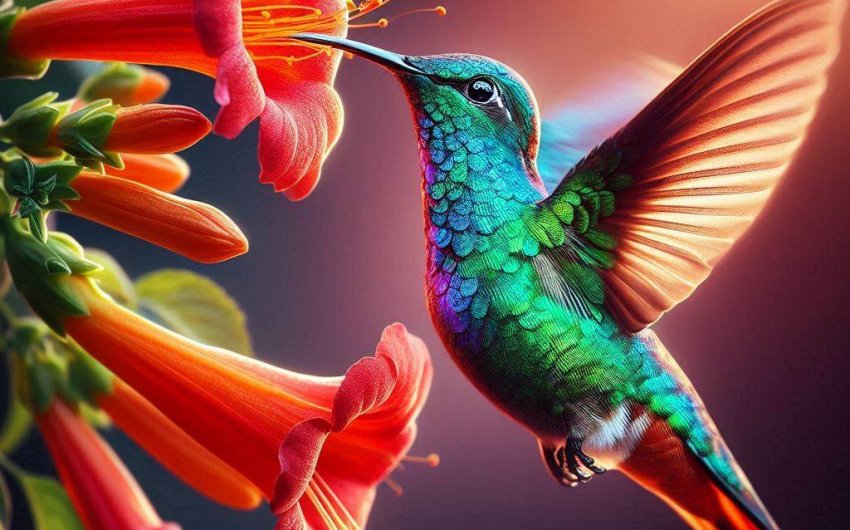
Hummingbirds are some of the most delightful visitors to any garden. These tiny, colorful birds are known for their incredible flying skills and unique ability to hover mid-air. Attracting them to your garden can add beauty, color, and a sense of liveliness to your outdoor space. Fortunately, with the right plants, feeders, and layout, you can make your garden a hummingbird haven.
In this guide, we’ll explore the most effective tips for attracting hummingbirds, from choosing the right flowers to setting up feeders and creating an inviting habitat. Let’s dive into the key steps for bringing these stunning creatures to your yard.
Understanding Hummingbird Behavior
Hummingbirds are drawn to vibrant colors and high-energy food sources. They use a lot of energy as they flap their wings at an astonishing 50 times per second. Due to this, they seek out food sources rich in nectar (a sugary substance that gives them energy). Observing their behavior can help us understand what attracts them to specific gardens and plants.
Best Flowers to Attract Hummingbirds
Choosing the right flowers is essential for drawing hummingbirds to your garden. These birds are attracted to bright colors, particularly red, pink, and orange, as well as tubular-shaped blooms that allow them to reach deep for nectar.
1. Red Trumpet Vine
The Red Trumpet Vine produces bright, tubular flowers perfect for hummingbirds. Its striking red flowers are rich in nectar, providing a sweet treat that hummingbirds can’t resist. This vine does best when it has support to climb, so place it on a trellis or fence. For a strong and healthy plant, consider Red Trumpet Vine Seeds ($5 - $15).
2. Salvia
Salvia plants are known for their long-blooming flowers and come in colors that hummingbirds love, especially red, pink, and purple. This hardy perennial thrives in full sun and attracts hummingbirds with its nectar-rich blooms. It’s easy to grow and brings vibrant color to any garden. Explore Salvia Seeds ($5 - $12) for planting options.
3. Bee Balm
Bee Balm, or Monarda, has clusters of tubular flowers that are irresistible to hummingbirds. It’s also fragrant and adds a lovely aroma to the garden. Bee Balm comes in red, pink, and purple, with red being the most popular among hummingbirds. To add Bee Balm to your garden, check out Bee Balm Seeds ($6 - $13).
4. Columbine
Columbine is a native wildflower with delicate, colorful flowers that attract hummingbirds in spring and early summer. Its unique flower shape makes it a favorite among hummingbirds. Columbine thrives in partial shade, making it a great choice for shaded areas in your garden. Find Columbine Seeds ($5 - $10) to get started.
5. Fuchsia
Fuchsia plants produce hanging, bell-shaped flowers with deep colors that hummingbirds love. Their rich nectar content makes them perfect for feeding hummingbirds. Fuchsia grows well in pots and hanging baskets, allowing you to place it anywhere in your garden. Try Fuchsia Plants ($10 - $20) to add beauty and appeal.
Setting Up Hummingbird Feeders
While flowers are a natural food source for hummingbirds, feeders provide a reliable source of energy when blooms are scarce. Feeders allow you to enjoy watching hummingbirds up close as they visit your garden. Here’s how to set up feeders effectively:
1. Choosing the Right Feeder
Hummingbird feeders come in various designs, but it’s important to choose one that mimics the shape of flowers and has red coloring. Look for feeders that are easy to clean and refill, as this will ensure a healthy environment for the birds. Consider Hummingbird Feeders ($10 - $30) for a selection of quality options.
2. Making Nectar at Home
Avoid store-bought nectar that contains dyes or preservatives. You can easily make a safe, effective nectar at home. Simply mix one part white granulated sugar with four parts water. Boil the water to dissolve the sugar, then allow it to cool before filling the feeder. Never use honey or artificial sweeteners, as they can harm hummingbirds.
3. Placing Your Feeders
Place feeders near flowering plants and away from other bird feeders, as larger birds can scare hummingbirds away. Keep feeders in shaded spots to prevent nectar from spoiling quickly, and make sure they’re at a height that’s easy for you to refill and clean.
For a versatile option, consider hanging feeders from a Shepherd’s Hook ($15 - $25), which allows you to move the feeder as needed.
4. Cleaning the Feeders
Dirty feeders can lead to harmful bacteria growth. Clean feeders thoroughly every 3-5 days, more often in hot weather. Use warm, soapy water and a bottle brush to clean all parts, then rinse well. A dedicated Hummingbird Feeder Cleaning Brush ($5 - $10) can make cleaning easier.
Creating a Safe Habitat
Creating a safe and inviting space for hummingbirds goes beyond flowers and feeders. Consider the following tips to keep them comfortable and encourage them to return:
1. Provide Water
Hummingbirds need water not only to drink but also to bathe. They are especially attracted to moving water, so adding a Bird Bath Fountain ($20 - $50) or a Misting System ($15 - $30) can be effective. Place it near flowers or feeders to attract their attention.
2. Create Perching Spots
Hummingbirds enjoy perching to rest between feeding sessions. Plant small trees or place branches around the garden to give them places to perch. You can also add a Hummingbird Perch ($5 - $15) near feeders.
3. Avoid Pesticides
Chemical pesticides can be harmful to hummingbirds. Opt for natural pest control methods like companion planting or introducing beneficial insects. Plants like marigolds and basil can repel unwanted pests naturally. Find Organic Pest Control ($10 - $20) options to keep your garden safe.
4. Offer Nesting Materials
If you want hummingbirds to nest in your garden, provide materials they can use to build their nests. Soft materials like cotton fibers or small bits of moss are ideal. Hang a Nest Material Holder ($8 - $15) in your garden to help them gather materials.
Designing a Hummingbird-Friendly Garden
To create an environment that’s consistently attractive to hummingbirds, plan your garden layout carefully. Consider plant spacing, flowering periods, and visual elements to make your garden as inviting as possible.
1. Plan for Continuous Bloom
Select flowers that bloom at different times of the year to provide a consistent food source for hummingbirds. Aim for a variety of flowering plants so there’s always something in bloom, from early spring to late fall. Calendula, zinnia, and petunias are great options for different seasons. Check out Mixed Flower Seeds ($10 - $20) for a wide range of bloom times.
2. Group Flowers Together
Hummingbirds are more likely to visit if flowers are clustered together, as they can get more nectar in one spot. Plant clusters of 3-5 of the same flower type to create a larger, more attractive feeding area.
3. Add Height with Layered Planting
Hummingbirds love gardens with height variety, as it offers them a safer environment and makes it easier to spot food sources. Place taller plants, like sunflowers or foxgloves, toward the back of your garden and shorter flowers in front. Explore Tall Flower Seeds ($8 - $18) for layering options.
4. Use Colors Strategically
Since hummingbirds are drawn to bright colors, especially red, incorporate plenty of red flowers or add red accents throughout your garden. Red feeders, flower pots, or garden stakes can attract more hummingbirds.
5. Avoid Crowding Plants
Leave enough space between plants so that hummingbirds can navigate easily. Overcrowding can make it harder for them to hover and reach nectar sources. Use a Garden Spacing Ruler ($10 - $15) to maintain optimal spacing between plants.
Extra Tips for a Hummingbird Paradise
Enhancing your garden with these extra touches can make it even more appealing to hummingbirds:
1. Add Reflective Surfaces
Hummingbirds are attracted to shiny objects. You can place small mirrors or reflective garden ornaments around your garden to catch their attention. Try adding a Garden Mirror ($12 - $22) or Reflective Wind Spinner ($8 - $18) for extra allure.
2. Set Up a Window Feeder
A window feeder allows you to watch hummingbirds up close as they feed right outside your window. It’s a fantastic way to observe these birds without disturbing them. Consider a Window Hummingbird Feeder ($12 - $20) for an easy-to-install option.
3. Protect from Predators
Keep in mind that hummingbirds are small and can fall prey to larger animals, including cats. If you have cats or live in an area with other potential predators, try to keep feeders and flower beds in places where these animals cannot easily reach them. Using a Bird Feeder Pole with Squirrel Guard ($20 - $35) can help.
4. Keep a Garden Journal
Tracking which plants and feeder setups attract the most hummingbirds can help you refine your garden over time. Keep notes on bloom times, hummingbird visits, and any other patterns you observe. A Garden Journal ($8 - $18) can be a helpful tool for staying organized.
By creating a hummingbird-friendly garden, you not only provide a valuable food source for these fascinating birds but also get to enjoy their lively presence in your own backyard. With the right plants, feeders, and habitat features, your garden can become a safe, inviting space that hummingbirds will love to visit year after year.