
Effective Pest Control Traps for Your Garden
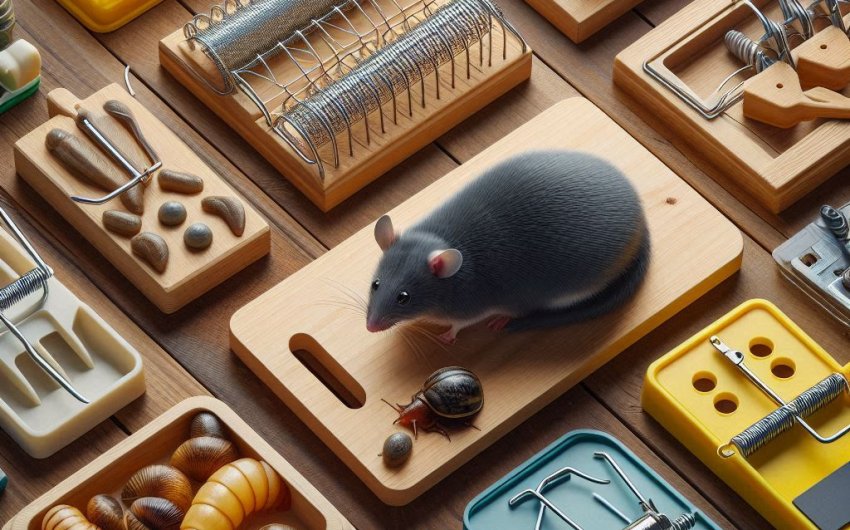
Keeping your garden healthy and vibrant often involves a battle against unwanted visitors. While pesticides might seem like a quick fix, many gardeners prefer more natural and targeted approaches. That's where effective pest control traps come into play. These tools offer a way to manage garden pests by luring, catching, or deterring them without relying heavily on broad-spectrum chemicals, making them a cornerstone of integrated pest management for any thriving garden.
Why Should I Use Pest Control Traps in My Garden?
Using pest control traps in your garden offers a smart, targeted approach to managing insect and animal pests. They are a vital part of what's called Integrated Pest Management (IPM), a strategy that focuses on long-term prevention and control with minimal environmental impact.
What are the Benefits of Using Traps Over Sprays?
Choosing pest control traps often provides several advantages compared to traditional chemical sprays, especially for home gardeners focused on organic or sustainable practices.
- Targeted Control: Traps are designed to attract specific pests, minimizing harm to beneficial insects like bees, butterflies, and ladybugs. Sprays, on the other hand, can often kill indiscriminately.
- Reduced Chemical Exposure: By using traps, you reduce the amount of synthetic pesticides introduced into your garden, protecting your family, pets, and the environment. This is especially important for edible gardens.
- Monitoring Tool: Many traps serve as excellent monitoring devices. They help you detect the presence of pests early on, estimate their population size, and identify peak activity times. This data helps you decide if and when further action is needed.
- Non-Toxic or Low-Toxic: Most traps use natural attractants (pheromones, food lures) or physical barriers, making them a safer option than chemical treatments.
- Long-Lasting: Once set up, many traps can continue to work for days or weeks without constant reapplication, unlike sprays that wash off in rain or degrade in sunlight.
- Sustainable Gardening: Incorporating traps supports a more balanced and sustainable garden ecosystem.
How Do Traps Fit into Integrated Pest Management (IPM)?
Pest control traps are a foundational tool in an Integrated Pest Management (IPM) system. IPM is a holistic approach that combines various methods to manage pests while minimizing risks to human health and the environment.
- Monitoring and Identification: Traps are primarily used for early detection and monitoring. Before you even think about control, you need to know what pests you have and how many. Traps provide this crucial information.
- Prevention: IPM emphasizes preventing pest problems in the first place through practices like choosing pest-resistant varieties, maintaining healthy soil, and encouraging beneficial insects.
- Cultural Controls: This includes practices like proper watering, rotation, and sanitation.
- Biological Controls: Introducing or encouraging natural predators and parasites of pests.
- Physical/Mechanical Controls: This is where traps fit in, along with hand-picking pests or using barriers.
- Chemical Controls (Last Resort): Pesticides are used only when necessary, in targeted ways, and with the least toxic options. Traps help confirm if chemical intervention is truly needed.
By integrating traps, you are taking a proactive, informed, and eco-friendly approach to garden pest management, leading to a healthier garden overall.
What Types of Pest Control Traps Are Available for My Garden?
The world of pest control traps is diverse, with different types designed to target specific pests based on their behavior, biology, and attractants. Understanding these categories will help you choose the most effective pest control traps for your garden's needs.
What are Sticky Traps and How Do They Work?
Sticky traps are simple, non-toxic, and widely used for monitoring and controlling flying insect pests. They work by using bright colors to attract specific insects, which then get stuck to a strong, non-drying adhesive coating.
- Colors and Target Pests:
- Yellow Sticky Traps: Highly effective for a broad range of flying pests that are attracted to yellow, a color often associated with new growth.
- Target Pests: Whiteflies, aphids, fungus gnats, thrips, leafminers, and some types of fruit flies.
- Application: Hang them among your plants or near affected areas. They are commonly used in greenhouses and indoor gardens but are also great for outdoor monitoring. You can buy a pack of yellow sticky traps online.
- Blue Sticky Traps: Specifically attractive to thrips.
- Target Pests: Thrips.
- Application: Similar to yellow traps, strategically placed near susceptible plants.
- Yellow Sticky Traps: Highly effective for a broad range of flying pests that are attracted to yellow, a color often associated with new growth.
- Pros:
- Non-toxic and pesticide-free.
- Excellent for monitoring pest populations.
- Can catch a significant number of small flying insects.
- Easy to set up.
- Cons:
- Can sometimes catch beneficial insects.
- Need to be replaced when full or dusty.
- Not effective against crawling pests or large infestations.
How Do Pheromone Traps Attract and Catch Pests?
Pheromone traps are highly specific and powerful tools that use synthetic versions of insect sex hormones (pheromones) to attract male insects of a particular species. This helps monitor pest populations and can disrupt mating cycles.
- Mechanism: Male insects are lured into the trap by the pheromone scent, often into a sticky insert or a container from which they cannot escape. By removing males from the population, fewer females are fertilized, leading to fewer offspring.
- Target Pests: Each pheromone trap is specific to one or a few closely related pest species. Common targets include:
- Codling moths: Pests of apples, pears, and walnuts.
- Gypsy moths: Defoliators of many trees.
- Japanese beetles: Though less common for direct trapping, some traps use floral attractants. (More on this below.)
- Various fruit flies: Like cherry fruit fly, apple maggot fly.
- Pros:
- Extremely targeted, minimizing harm to non-target insects.
- Excellent for monitoring pest emergence and population levels.
- Can reduce pest populations over time by disrupting reproduction.
- Cons:
- Species-specific, so you need a different trap for each pest.
- Lures need to be replaced periodically (usually every 4-8 weeks).
- Less effective for female insects or early stages of pests. A codling moth pheromone trap is a specific example.
What Are Food-Baited Traps for Garden Pests?
Food-baited traps use specific food scents or fermented lures to attract pests seeking a meal. These are often used for generalist feeders or pests attracted to fermentation.
- Types of Lures:
- Sugar/Molasses Traps: Attract slugs, snails, earwigs, and some ants.
- Beer Traps: Highly effective for slugs and snails.
- Yeast and Sugar Traps: Can attract fruit flies and some yellow jackets.
- Vinegar Traps: Effective for fungus gnats (apple cider vinegar) or some types of fruit flies (red wine vinegar).
- Target Pests: Slugs, snails, earwigs, some types of ants, fruit flies, yellow jackets.
- Pros:
- Can be made with common household ingredients (DIY).
- Effective for certain ground-dwelling pests or those attracted to fermentation.
- Cons:
- Can attract non-target insects or animals if not placed carefully.
- Lures need frequent replenishment.
- May not be effective for all life stages of pests.
How Do Pitfall Traps Help with Ground Pests?
Pitfall traps are simple yet effective for catching ground-dwelling insects and other small crawling pests. They work by creating a pit that pests fall into and cannot escape.
- Mechanism: A container (like a plastic cup) is buried in the ground so its rim is level with the soil surface. Pests crawling across the ground fall into the container. A small amount of water (sometimes with a drop of soap or a bit of bait like beer) can be added to drown or trap them.
- Target Pests: Slugs, snails, ground beetles (though some are beneficial, so monitor carefully), earwigs, ants, spiders, and some larval stages of insects.
- Pros:
- Inexpensive and easy to make from recycled materials.
- Good for monitoring ground-dwelling pest activity.
- Can be a very effective control method for slugs and snails.
- Cons:
- Needs frequent emptying and refilling (if using liquid).
- Can catch non-target beneficial insects or small amphibians if not monitored.
What are Barriers and Physical Traps for Garden Pests?
Beyond traditional "traps," there are physical barriers and other mechanical devices that prevent pests from reaching your plants. These often prevent damage rather than catching the pest.
- Row Covers: Lightweight fabric placed over plants that creates a physical barrier against flying insects (e.g., cabbage worms, squash bugs, flea beetles) while allowing light and water through.
- Copper Strips: When used around raised beds or pots, copper reacts with the slime of slugs and snails, creating an electric shock that deters them.
- Sticky Barriers (Tree Bands): Bands coated with a sticky substance placed around tree trunks to prevent crawling insects (like ants or cankerworms) from ascending to the canopy. A roll of sticky tree band can protect fruit trees.
- Diapause Traps (for specific pests): Designed to capture pests during their dormant (diapause) stage, like corrugated cardboard wrapped around apple tree trunks to trap codling moth larvae.
- Hand-Picking: While not a "trap" in the traditional sense, hand-picking (and then squishing or dropping into soapy water) is a highly effective mechanical control for larger pests like hornworms, squash bugs, or Japanese beetles.
How Do I Choose and Place Pest Control Traps Effectively?
Selecting the right pest control traps and knowing where and when to deploy them are key to their success. A thoughtful approach will maximize their effectiveness and minimize unwanted impacts.
What Factors Should I Consider When Choosing a Trap?
Before purchasing or making a trap, ask yourself these questions to ensure you're picking the most effective pest control trap for your specific situation.
- Target Pest Identification: This is the most critical step. You must know what pest you are trying to control. Different traps work for different pests. A general "bug trap" might not be effective for your specific problem.
- Pest Lifecycle: Understand the pest's life cycle. Are you trying to catch adults, larvae, or both? Some traps are best for specific life stages.
- Garden Size and Type:
- For small container gardens, sticky traps might suffice.
- For larger vegetable patches, you might need multiple types of traps.
- Are you growing edibles? Prioritize non-toxic and food-safe options.
- Desired Outcome:
- Do you primarily want to monitor for pest presence? Sticky traps and pheromone traps are excellent for this.
- Do you want to reduce pest populations significantly? For large infestations, traps might be one part of a multi-pronged approach.
- Budget and Time Commitment: Some traps are DIY and very cheap; others are specialized and cost more. Some need frequent checking and refilling, while others are more set-and-forget.
- Impact on Beneficial Insects: Always consider the potential impact on beneficial insects. Avoid broad-spectrum traps if possible. Pheromone traps are highly selective.
- Environmental Impact: Opt for non-toxic, reusable, or easily disposable materials.
Where is the Best Place to Put My Garden Traps?
Strategic placement is just as important as choosing the right trap. Improper placement can render even the best trap ineffective.
- Near Affected Plants: Place traps directly near the plants that are showing signs of pest damage or near plants known to be susceptible to the target pest.
- Along Pest Pathways: For crawling pests like slugs or ants, place pitfall traps or bait stations along their known trails or at entry points to your garden beds.
- Wind Direction (for flying pests): For pheromone or sticky traps targeting flying insects, consider the prevailing wind direction to help carry the attractant scent. Place them upwind or at the edge of the area where pests might enter.
- Shade vs. Sun: Some traps (like beer traps for slugs) might be more effective in shady, moist areas where the pests are active during the day. Sticky traps generally work well in full sun.
- Avoid Overcrowding: Don't place too many traps in one small area, as this can sometimes attract more pests than your garden can handle or overwhelm the trap's capacity.
- Height:
- Ground level: For slugs, snails, earwigs, ants (pitfall traps, beer traps, bait stations).
- Plant canopy level: For flying insects like whiteflies, aphids, thrips (sticky traps).
- Above the plant canopy: For some moths or flying beetles (pheromone traps, large beetle traps).
When is the Optimal Time to Deploy Pest Traps?
Timing is crucial for maximizing the effectiveness of your pest control traps.
- Early Detection (Prevention): Deploy monitoring traps (like sticky traps or pheromone traps) early in the season before pest populations explode. This helps you know when pests are emerging and if action is needed.
- Peak Activity: Once you've identified a pest and understand its lifecycle, deploy control traps during the pest's most active stage or when its population is at its highest, but before significant damage occurs.
- Before Egg Laying: For pests like codling moths, placing pheromone traps before female moths lay eggs can disrupt the mating cycle and prevent future generations.
- Consistent Monitoring: Continue to monitor traps throughout the growing season to track pest trends and adjust your strategy.
- Avoid Dormant Periods: Traps are generally ineffective during winter or dormant periods when pests are not active.
Are There Any DIY Pest Control Traps I Can Make?
Absolutely! Many effective pest control traps can be made using simple household items, making them an economical and environmentally friendly option for your garden. These DIY solutions are particularly popular for common garden nuisances.
How Can I Make a DIY Slug and Snail Trap?
Slug and snail traps are incredibly effective and easy to make, leveraging the pests' attraction to yeast and fermentation.
- Materials:
- Small shallow container (e.g., plastic yogurt cup, tuna can, shallow bowl).
- Beer (cheap beer works best) OR a mixture of water, a teaspoon of sugar, and a pinch of yeast.
- Instructions:
- Dig a small hole in the garden soil so that the rim of the container is level with the soil surface.
- Pour about 1/2 to 1 inch (1-2.5 cm) of beer into the container.
- Alternatively, mix 1 cup of water with 1 teaspoon of sugar and 1/4 teaspoon of yeast, let it sit for 15 minutes to activate, and then pour into the container.
- Placement: Place multiple traps throughout affected areas, especially near susceptible plants (e.g., hostas, lettuce).
- Maintenance: Check the traps daily, empty them, clean if necessary, and refill with fresh liquid. Slugs and snails are attracted to the fermentation, fall in, and drown.
What is a Simple Fruit Fly or Fungus Gnat Trap?
For indoor plants or greenhouses, or even outdoor fruit trees, fruit fly and fungus gnat traps can be made with a simple bait solution.
- Materials:
- Small bowl or glass jar.
- Apple cider vinegar (ACV) or red wine vinegar.
- A few drops of dish soap.
- Plastic wrap (optional).
- Rubber band (optional).
- Instructions:
- Pour about 1/2 inch (1 cm) of apple cider vinegar into the bowl/jar.
- Add 2-3 drops of liquid dish soap. The soap breaks the surface tension of the vinegar, causing the flies to sink and drown.
- Optional Enhancement: Cover the top of the bowl/jar with plastic wrap and poke several small holes (about 1/8 inch or 3 mm) in the top with a toothpick. This allows flies in but makes it harder for them to escape.
- Placement: Place near affected plants or fruit bowls. For fungus gnats, place directly on the soil surface of potted plants.
- Maintenance: Replace the solution every few days, or when it becomes cloudy or full of flies.
Can I Make a Trap for Earwigs?
Earwig traps are simple and effective, using their preference for dark, moist hiding places.
- Materials:
- Rolled-up newspaper or cardboard tube.
- Small flower pot turned upside down.
- Straw or crumpled paper.
- Vegetable oil or tuna fish oil (optional bait).
- Instructions:
- Newspaper Roll: Roll up a few sheets of newspaper or use a cardboard paper towel tube. Tie the ends lightly to keep it rolled.
- Flower Pot Trap: Fill an inverted flower pot with straw or crumpled paper.
- Bait (optional): You can smear a little vegetable oil or tuna fish oil inside the newspaper roll or pot to attract them.
- Placement: Place these traps on their side on the ground near plants where you've seen earwig damage (e.g., dahlias, lettuce, corn).
- Maintenance: Check the traps daily in the morning. Earwigs will hide inside during the day. Shake them out into a bucket of soapy water to drown them, or into a compost pile away from your garden. Re-set the traps each night.
What About a General Insect Light Trap (with caution)?
While commercially available, a very basic light trap can be made, though it's important to use with caution as it can attract beneficial insects too. It's generally best for nighttime flying insects.
- Materials:
- A bright light source (e.g., a porch light, a battery-operated lantern).
- A bucket of soapy water.
- Instructions:
- Place the bucket of soapy water directly beneath the light source.
- Turn on the light at dusk.
- Mechanism: Night-flying insects (moths, some beetles) are attracted to the light, flutter around it, and eventually fall into the soapy water.
- Caution: This method is non-selective and will attract all light-attracted insects, including beneficial ones. Use sparingly and only when you have a significant problem with night-flying pests.
- Placement: Away from your main garden area if possible, to act as a general lure.
- Maintenance: Empty and refill the bucket as needed.
Remember, the effectiveness of DIY traps, like commercial traps, relies on proper identification, placement, and consistent monitoring. They are fantastic tools to help maintain a balanced garden ecosystem without heavy chemical reliance.
What Are Some Best Practices for Using Pest Control Traps?
Using pest control traps effectively means more than just setting them out. Following some best practices will ensure you get the most out of your traps while minimizing any negative impacts.
How Often Should I Check and Maintain My Traps?
Regular checking and maintenance are crucial for the effectiveness and safety of your pest control traps.
- Daily or Every Other Day: For traps that collect dead pests (like slug beer traps or pitfall traps), checking them daily or every other day is ideal. This prevents them from becoming full and overflowing, or becoming a breeding ground for other issues. It also allows you to quickly remove trapped pests.
- Weekly for Monitoring Traps: For sticky traps and pheromone traps used primarily for monitoring, a weekly check is usually sufficient. This helps you track pest numbers and determine if populations are increasing.
- Replenish Lures: Replace pheromone lures and liquid baits (like beer or vinegar solutions) according to the manufacturer's instructions or when they dry out, become diluted by rain, or lose their scent. This can be anywhere from every few days to monthly.
- Cleanliness: Keep traps clean. Remove debris, dust, or dead insects that might reduce their attractiveness or stickiness.
How Do I Dispose of Trapped Pests Safely?
Proper disposal of trapped pests is important for hygiene and to prevent them from simply re-entering your garden.
- Drowning: For slugs, snails, and other small insects caught in liquid traps, they are usually already drowned. You can simply dump the contents (pests and liquid) into a compost pile (away from the main garden) or into a sealed bag for garbage disposal.
- Sealing: For pests caught on sticky traps, carefully fold the trap over itself to seal the pests inside, then dispose of it in the trash.
- Crushing/Disposing: For larger pests collected by hand-picking or in collection traps (like Japanese beetle traps), you can crush them, drop them into a bucket of soapy water, or seal them in a bag before disposing of them in the garbage.
- Check Local Regulations: For larger animal traps (live traps for rodents), check local regulations on animal relocation. Often, you're required to release them a certain distance away.
Should I Worry About Traps Attracting More Pests?
This is a valid concern, particularly with some types of pest control traps.
- Pheromone Traps: When used for monitoring, pheromone traps typically attract only males of the target species and are not meant to capture every single pest. However, if used as a control method, especially for large, highly mobile pests like Japanese beetles, some research suggests they can draw more pests into your yard from neighboring areas than they actually catch.
- Recommendation: For Japanese beetles, place traps far away from susceptible plants, or even better, avoid them altogether and focus on other control methods like hand-picking. For moths and other less mobile pests, this effect is less pronounced.
- Food-Baited Traps: While effective, food baits can sometimes attract non-target insects or animals if not carefully placed.
- Recommendation: Place bait traps strategically in areas where pests are active, and monitor them closely. Keep them away from pets or small children.
- Sticky Traps: Generally, sticky traps are less likely to draw in pests from afar; they mostly capture pests already present in the vicinity of the trap.
- Recommendation: Use yellow sticky traps mainly for monitoring or for very small, contained infestations.
When Should I Stop Using Traps?
Knowing when to cease using pest control traps is part of an intelligent IPM strategy.
- When Pest Numbers Decline: If your monitoring traps show a significant decrease in pest populations, or if you no longer see signs of damage, you can reduce or stop using control traps.
- End of Season: Most annual pest cycles end with the growing season. Remove and dispose of traps at the end of the season to prevent them from becoming an attractive nuisance during dormant periods.
- Target-Specific Cycles: For pests with multiple generations in a season (e.g., codling moths), you might use traps for multiple cycles, reapplying lures as needed.
- Before Beneficial Insects Emerge: If you plan to release beneficial insects, remove general traps like sticky traps to avoid trapping your helpers.
By implementing these best practices, your use of effective pest control traps will be a powerful and precise tool in cultivating a healthy and thriving garden.