
How to Use Garden Stakes for Plant Support?
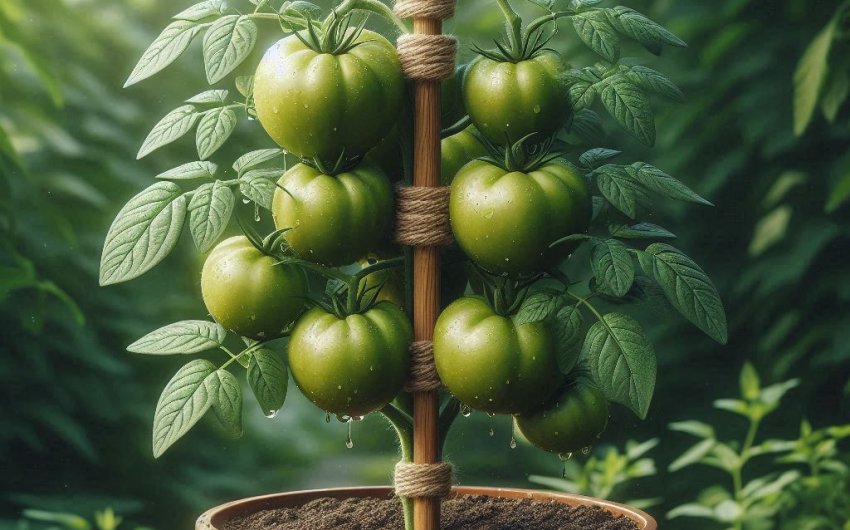
Learning how to use garden stakes effectively for plant support is a crucial skill for any gardener. Many plants, from tall vegetables to delicate flowers and even some shrubs, benefit from extra stability to grow upright, produce more, and look their best. Providing the right kind of support prevents stems from breaking, keeps fruit off the ground, improves air circulation, and ensures your plants remain healthy and productive throughout the growing season.
Why Do Plants Need Garden Stakes or Support?
Understanding the reasons behind supporting plants helps you choose the right method and ensures your efforts are truly beneficial.
Preventing Stem Breakage and Damage
- Weak Stems: Some plants simply have naturally weak or flexible stems that can't bear the weight of their own growth, especially when laden with fruit, flowers, or heavy foliage.
- Wind and Rain: Strong winds, heavy rains, or even the splash from irrigation can knock plants over, bend stems, or cause irreversible damage.
- Weight of Produce: Tomatoes, cucumbers, melons, and other fruiting plants can produce surprisingly heavy yields that put immense strain on their stems.
Improving Air Circulation and Reducing Disease
- Fungal Diseases: When plants flop onto the ground, or their foliage becomes dense and matted, air circulation is restricted. This creates a damp, humid environment perfect for the growth of fungal diseases like powdery mildew, blight, and various blights.
- Pest Infestation: Dense, unsupported foliage can also become a haven for pests, as it's harder to spot them and harder for natural predators to reach them.
- Better Health: Keeping plants upright and airy promotes faster drying of foliage after rain or watering, significantly reducing disease pressure.
Keeping Fruits and Vegetables Off the Ground
- Cleanliness: Fruits like tomatoes, squash, and melons are much cleaner and less prone to soil-borne diseases when kept off the ground.
- Pest Prevention: Ground-dwelling pests like slugs, snails, and earwigs find it harder to access elevated fruits.
- Sun Exposure: Some fruits ripen better with more consistent sun exposure, which happens when they're not shaded by sprawling foliage on the ground.
Maximizing Space in Your Garden
- Vertical Growth: Supporting vining plants, especially in small gardens or raised beds, allows them to grow upwards instead of outwards, making the most of limited space. This is essential for plants like cucumbers, pole beans, and indeterminate tomatoes.
- Neater Appearance: A well-supported garden looks tidier and more organized.
Easier Harvesting
- Accessibility: It's much easier to spot and pick ripe fruits and vegetables when they are at an accessible height and not hidden under a tangled mass of foliage.
- Reduced Damage: Less bending and rummaging means less chance of damaging delicate fruits or neighboring plants during harvest.
What Are the Different Types of Garden Stakes and Supports?
There's a wide variety of garden stakes and support systems available, each suited to different plant needs and gardening styles.
Single Stakes
The simplest and most common form of support.
- Materials:
- Bamboo Stakes: Lightweight, natural, and inexpensive. Sizes vary from thin craft stakes to thick, sturdy poles. Bamboo Garden Stakes are very popular.
- Wood Stakes: Durable, strong, often made from cedar or pressure-treated wood. Can be very long-lasting.
- Metal Stakes (Green-Coated Steel): Very durable, reusable for many years, often blend into the foliage. Can be plastic-coated for extra protection. Green-Coated Steel Stakes are a common sight.
- Fiberglass Stakes: Flexible, strong, lightweight, and weather-resistant.
- Best For: Tall, single-stemmed plants like sunflowers, delphiniums, gladiolus, or as individual support for tomato plants (when using the Florida Weave method).
Cages and Cones
Pre-formed structures that provide all-around support.
- Tomato Cages: Cylindrical or conical cages, usually made of wire. Plants grow up through the cage, with stems supported by the wire mesh. Tomato Cages are ubiquitous in vegetable gardens.
- Pros: Easy to install, provide 360-degree support, reusable.
- Cons: Can be flimsy if too light-gauge, sometimes too short for indeterminate tomatoes, can be difficult to store.
- Peony Cages/Grow-Through Supports: Round metal rings with legs that are placed over emerging plants, allowing them to grow up through the grid.
- Pros: Discreet, provide early support, good for bushy plants.
- Cons: Must be put in early, before the plant gets too large.
- Cone-Shaped Trellises: Similar to tomato cages but often taller and more decorative, used for vining flowers or smaller climbing plants.
Trellises
Structures that provide a vertical framework for climbing plants.
- Materials: Wood, metal, plastic, or netting.
- Types:
- A-Frame Trellises: Two panels joined at the top, forming an "A" shape. Good for beans, cucumbers. A-Frame Trellises.
- Grid Trellises: Flat panels of grid-like material. Can be freestanding or attached to a wall.
- Obelisk Trellises: Tall, decorative, often pyramid-shaped structures. Ideal for ornamental climbers like clematis or sweet peas.
- Netting Trellis: Often made of nylon or plastic mesh, strung between posts. Inexpensive and effective for light climbers. Garden Trellis Netting.
- Best For: Vining vegetables (cucumbers, peas, pole beans, melons, vining squash), climbing roses, clematis, morning glories.
Staking Systems/Hog Wire Panels
More robust and customizable options for multiple plants or rows.
- Hog Wire Panels/Cattle Panels: Sturdy metal mesh panels, typically 16 feet long and 5 feet tall. Can be bent into arches or stood upright.
- Pros: Extremely durable, long-lasting, versatile, provide excellent support for heavy plants.
- Cons: Heavy, can be expensive, difficult to transport.
- Florida Weave: A method using stakes at the ends of a row and string woven between them to support plants like tomatoes. Very efficient for large plantings.
How to Choose the Right Support for Your Plants?
Selecting the correct plant support depends on the plant's growth habit, mature size, and the desired aesthetic.
Consider the Plant's Growth Habit
- Indeterminate (Vining) Plants: These plants grow continuously and need tall, continuous support. Think trellises, tall stakes, or large cages.
- Examples: Indeterminate tomatoes, pole beans, cucumbers, vining squash.
- Determinate (Bush) Plants: These grow to a specific size and then stop, usually producing all their fruit at once. They may still need some support to prevent flopping.
- Examples: Bush beans, determinate tomatoes (still benefit from some support to keep off the ground).
- Tall, Single-Stemmed Plants: Need individual stakes to keep them upright.
- Examples: Delphiniums, lilies, gladiolus, sunflowers.
- Bushy or Floppy Perennials: Benefit from grow-through supports or hoops to keep their form.
- Examples: Peonies, salvias, some ornamental grasses, asters.
Match the Support to the Plant's Mature Height and Weight
- Height: The stake or trellis should be at least as tall, if not taller, than the plant's mature height. About 1/3 of the stake should be in the ground for stability.
- Weight: For heavy fruiters like tomatoes, use sturdy metal stakes or robust cages. Thin bamboo might be fine for a delicate flower but insufficient for a heavy tomato plant.
Consider Installation Timing
- Early is Best: Install stakes and supports when plants are young. This minimizes root disturbance and allows the plant to grow naturally into the support. Trying to stake a large, floppy plant can damage it.
- Grow-Through Supports: Absolutely essential to place these early, before the plant grows too large to fit through the rings.
Aesthetic Considerations
- Blends In: Green-coated metal stakes and natural bamboo often blend seamlessly into the garden.
- Decorative: Obelisk trellises or decorative metal stakes can add visual interest even when plants are small.
- Visibility: Decide if you want the support to be hidden or part of the garden's design.
How to Use Single Garden Stakes for Support?
Using individual garden stakes effectively requires proper placement and gentle tying techniques.
Step-by-Step Staking a Single Plant
- Choose the Right Stake: Select a stake that is sturdy enough for the mature plant's height and weight. Remember that 1/3 of the stake should be underground.
- Position the Stake:
- When to Install: Ideally, install the stake when the plant is young, 6-12 inches (15-30 cm) tall.
- Placement: Drive the stake into the ground about 4-6 inches (10-15 cm) away from the plant stem. Position it on the side that faces the prevailing wind for extra stability. Drive it straight down to avoid damaging the root ball.
- Deep Enough: Ensure it's deep enough to be stable, even in windy conditions.
- Secure the Plant:
- Choose Tying Material: Use soft, flexible material that won't cut into the stem as the plant grows. Good options include:
- Velcro Plant Ties (reusable, adjustable)
- Soft cloth strips (old t-shirts, nylons)
- Figure-8 ties (plastic or soft wire with a foam coating)
- Twine or jute (less forgiving, but natural)
- The Figure-8 Loop: This is the best tying method.
- Make a loop around the stake.
- Cross the tie between the stake and the plant stem (forming a figure-8).
- Make another loop around the plant stem.
- Tie loosely enough to allow for future growth and air circulation, but tight enough to provide support.
- Multiple Ties: As the plant grows, add more ties every 8-12 inches (20-30 cm) up the stem.
- Choose Tying Material: Use soft, flexible material that won't cut into the stem as the plant grows. Good options include:
- Monitor and Adjust: Regularly check ties to ensure they aren't becoming too tight and constricting the stem. Loosen or replace as needed.
What Are the Best Practices for Using Cages and Trellises?
Cages and trellises offer more comprehensive support for bushy or vining plants.
Using Tomato Cages Effectively
- Size Matters: Purchase the tallest, sturdiest Tomato Cages you can find. Flimsy cages often collapse under the weight of mature indeterminate tomatoes.
- Install Early: Place the cage over the young tomato plant when it's about 6-12 inches (15-30 cm) tall. Push the legs firmly into the ground.
- Train the Plant: Gently guide the tomato stems and branches to grow up through the cage openings.
- Supplemental Tying (Optional): For very large indeterminate varieties, you may still need to use some soft ties to secure branches to the cage.
Installing and Training Plants on Trellises
- Choose the Right Trellis: Select a trellis appropriate for your plant's mature size and weight. A strong Metal Garden Trellis works for heavier plants.
- Secure Installation:
- Freestanding: Ensure the trellis legs are firmly inserted into the ground. You might need to brace it with extra stakes or anchor it with heavy objects for stability.
- Wall-Mounted: Securely attach wall-mounted trellises to a sturdy surface like a wall or fence using appropriate hardware, leaving a small gap for air circulation behind the plant.
- Direct Initial Growth: Gently guide the young tendrils or stems of climbing plants onto the trellis. You may need to loosely tie them initially.
- Train as They Grow: As the plant grows, continue to weave or tie new growth onto the trellis. For plants with tendrils (like cucumbers, peas), they will naturally grasp the trellis once guided. For plants that don't produce tendrils (like some indeterminate tomatoes, espaliered fruit trees), you'll need to tie them regularly.
- Pruning for Training: Prune off any side shoots or branches that try to grow away from the trellis, directing the plant's energy into vertical growth.
What Are Advanced Staking Techniques?
For larger gardens or specific plant needs, some advanced techniques using garden stakes can be highly effective.
The Florida Weave for Tomatoes
This method is excellent for rows of indeterminate tomatoes.
- Install End Stakes: Drive tall, sturdy T-Posts or other heavy-duty stakes at the ends of your tomato row, about 6-12 inches (15-30 cm) from the end plants.
- Install Intermediate Stakes: Drive additional stakes every 2-3 plants down the row.
- First String Layer: When plants are 12-18 inches (30-45 cm) tall, run durable Garden Twine or strong string along one side of the row, wrapping it around each stake to hold it taut. Wrap around the end stake, then back along the other side of the row, so the plants are nestled between two parallel strings.
- Continue Weaving: As plants grow another 6-8 inches (15-20 cm), add another layer of string higher up the stakes, using the same weaving technique. Continue throughout the growing season.
- Pros: Supports many plants efficiently, promotes good air circulation, relatively inexpensive for large plantings.
- Cons: Requires regular attention to add new string layers.
Corral Staking for Bushy Perennials
This method uses multiple stakes and string to create a "corral" or cage for bushy plants.
- Place Stakes: Insert 3-5 stakes around the perimeter of the plant, forming a circle.
- String Around: Wrap string around the stakes at a low height, then again at higher intervals, creating a continuous support structure for the plant to grow through.
- Pros: Discreet, provides all-around support, encourages a natural shape.
- Cons: Can be tedious for many plants.
Tripod or Teepee Staking
Often used for climbing beans or peas, or as a decorative element.
- Gather Stakes: Use 3-5 sturdy stakes (bamboo poles are excellent for this).
- Form a Teepee: Drive the bases of the stakes into the ground in a circle, then bring the tops together and tie them securely.
- Plant at Base: Plant your climbing beans or peas around the base of each stake.
- Pros: Aesthetically pleasing, very stable, good for multiple plants in a small footprint.
- Cons: Takes up a fair amount of ground space at the base.
What Are Important Tips for Successful Plant Support?
Beyond the techniques, a few general tips ensure your garden stakes and supports are effective and don't harm your plants.
Install Early
- Avoid Root Damage: Installing stakes when plants are small minimizes the risk of piercing valuable roots.
- Guide Growth: It's much easier to guide young, flexible stems than to force a large, established plant into submission.
Use Soft Ties and Avoid Constriction
- Don't Girdle: Never use wire, fishing line, or anything sharp that can cut into the plant stem as it grows and thickens. This is called girdling and can kill the plant.
- Loose Enough: Always allow for growth. A loose loop is better than a tight one. You should be able to fit a finger or two between the tie and the stem.
- Check Regularly: Revisit your ties every week or two, especially during periods of rapid growth, to loosen or readjust.
Consider Wind Direction
- Prevailing Winds: When placing single stakes, position them on the side of the plant that faces your garden's prevailing winds. This provides the most effective brace.
- Group Supports: In very windy areas, consider using multiple stakes per plant or robust cages/trellises for enhanced stability.
Prioritize Hygiene
- Clean Tools: Always clean your pruning shears and any other tools used for tying or staking, especially if working with diseased plants.
- Reusable Stakes: If reusing stakes from previous seasons, clean them thoroughly (a diluted bleach solution or rubbing alcohol works) to prevent the spread of diseases.
By learning how to use garden stakes and other forms of plant support correctly, you can dramatically improve the health, appearance, and yield of your garden. It's a small investment of time and resources that pays off in stronger plants and a more abundant harvest.