
How to Use Garden Fencing to Keep Your Plants Safe?
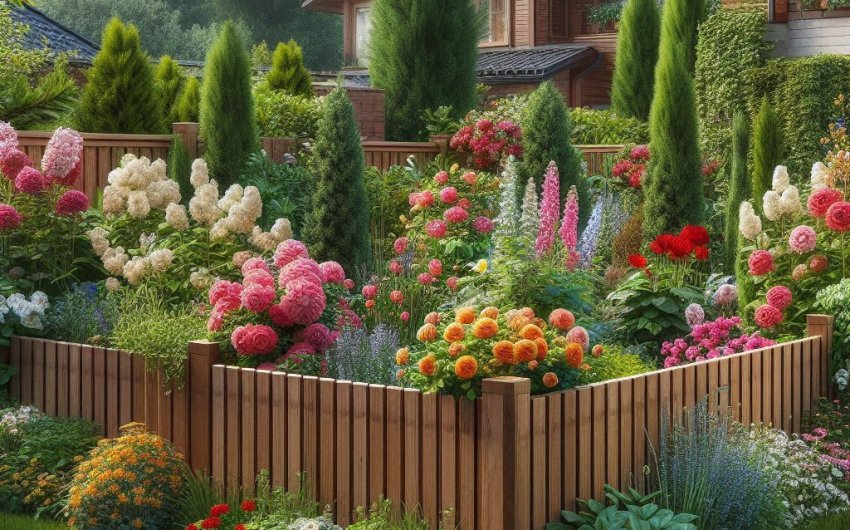
Keeping your precious plants safe from various threats is a top priority for any gardener, and garden fencing offers an incredibly effective and versatile solution. Whether you're battling persistent pests, curious pets, or even harsh weather, strategically installed fencing can provide a robust first line of defense, ensuring your herbs, vegetables, and flowers thrive without interruption. This guide will explore how to select, install, and maintain the ideal garden fence to protect your green investments.
Why is Garden Fencing Essential for Plant Safety?
Garden fencing is essential for plant safety because it creates a physical barrier that protects against common garden adversaries. It acts as a deterrent for animals, prevents accidental trampling, and can even offer support for growing plants. Without proper fencing, your efforts in planting and nurturing can quickly be undone by unwelcome visitors or unexpected damage.
What Are the Main Threats Garden Fencing Protects Against?
Garden fencing primarily protects against a range of threats, both animal and environmental. Understanding these threats helps in choosing the right type of fence.
Animal Pests
Many creatures see your garden as a buffet. Fencing is crucial for keeping them out.
- Deer: These large browsers can decimate a garden overnight. A tall, sturdy fence is often the only real solution.
- Rabbits: Small and quick, rabbits can nibble young plants down to the ground. A low, buried fence is key.
- Woodchucks (Groundhogs): These burrowing rodents are destructive. Fences need to be dug deep to stop them.
- Squirrels and Chipmunks: While harder to fence out entirely, some netting or wire can deter them from specific areas.
- Birds: Netting is the best defense against birds, especially for fruit and berry patches.
- Domestic Pets: Your own dogs and cats, while loved, can accidentally dig up plants or use garden beds as litter boxes. Fencing keeps them in designated areas.
Environmental Factors
Beyond critters, fences offer protection from the elements.
- Wind: A solid fence can act as a windbreak, protecting delicate seedlings and taller plants from being buffed or snapped.
- Erosion: In some cases, a low fence or barrier can help stabilize soil on slopes, preventing soil erosion around plant roots.
- Accidental Damage: Foot traffic, stray balls, or even lawnmowers can accidentally damage plants. Fencing clearly defines garden boundaries.
What Types of Garden Fencing Are Available?
Many types of garden fencing exist, each suited to different needs and budgets. Choosing the right one depends on the specific threats you face and your aesthetic preferences.
Wire Fencing
Wire fences are popular for their affordability and versatility.
- Chicken Wire:
- Pros: Inexpensive, flexible, easy to install.
- Cons: Not very strong, only good for small animals like rabbits or chickens.
- Use Cases: Chicken wire fencing is great for temporary enclosures or very low fences.
- Hardware Cloth:
- Pros: Much sturdier than chicken wire, smaller mesh size prevents tiny critters. Rodent-proof.
- Cons: More expensive, less flexible.
- Use Cases: Excellent for burrowing animals when buried, or for sturdy raised bed protection. Consider ½ inch hardware cloth for most small pests.
- Welded Wire Fencing:
- Pros: Strong, durable, available in various heights and mesh sizes. Resists sagging.
- Cons: Can be heavy and harder to manipulate.
- Use Cases: Good for larger animals like deer or dogs, and general perimeter fencing. Look for a galvanized welded wire fence for longevity.
- Electric Fencing:
- Pros: Highly effective deterrent for persistent animals like deer, bears, or raccoons.
- Cons: Requires a power source, can be dangerous if not installed correctly, higher cost.
- Use Cases: For serious pest problems where other fences fail. A solar electric fence kit is convenient for remote areas.
Netting and Mesh
These lightweight options are ideal for specific applications.
- Bird Netting:
- Pros: Very lightweight, nearly invisible, easy to drape over plants or frames.
- Cons: Tears easily, not strong enough for larger animals.
- Use Cases: Protecting fruit trees, berry bushes, or newly sown seeds from birds. A heavy-duty bird netting lasts longer.
- Deer Netting:
- Pros: Taller and stronger than bird netting, often made of tough polypropylene.
- Cons: Still lighter than wire, can sag over time if not well supported.
- Use Cases: A good, less visible alternative to wire fences for deer.
- Insect Netting (Row Covers):
- Pros: Very fine mesh, keeps out tiny insects while allowing light and water through.
- Cons: Can hinder pollination for some plants, needs removal for harvesting.
- Use Cases: Protecting vulnerable crops from specific insect pests, like cabbage worms. Consider floating row covers for easy access.
Decorative Fencing
These fences offer both protection and aesthetic appeal.
- Picket Fences:
- Pros: Classic look, defines boundaries beautifully.
- Cons: Gaps might allow small animals through, requires maintenance (painting).
- Use Cases: Ideal for defining flower beds and providing a charming border. A vinyl picket fence is low maintenance.
- Lattice Panels:
- Pros: Offers some privacy, can support climbing plants, visually appealing.
- Cons: Not impenetrable for determined animals, can be pricey.
- Use Cases: Creating garden rooms or screening off areas while offering some plant support.
- Bamboo or Willow Fencing:
- Pros: Natural look, environmentally friendly.
- Cons: Less durable than metal or treated wood, may not stop all pests.
- Use Cases: Rustic garden borders, or as a decorative backdrop.
Specialized Fencing
Some situations call for tailored solutions.
- Raised Bed Fencing:
- Description: Often involves attaching wire mesh or hardware cloth directly to the sides of a raised garden bed.
- Use Cases: Preventing rabbits, squirrels, or digging pets from entering specific beds.
- Tree Guards/Protectors:
- Description: Cylindrical mesh or plastic barriers placed directly around young tree trunks.
- Use Cases: Protecting young trees from rodents, deer rubbing, or even lawnmower damage. Look for tree trunk protectors.
How Do You Choose the Right Garden Fencing?
Choosing the right garden fencing involves assessing your specific needs and priorities. Ask yourself these key questions:
What Are You Trying to Keep Out (or In)?
- Deer: Need a fence at least 7-8 feet high. Deer fence kits often include all necessary components.
- Rabbits/Woodchucks: Need a fence that is at least 2 feet high, with another 6-12 inches buried underground (an L-footer is best).
- Small Rodents (Squirrels, Mice): Hardware cloth with ½ inch or ¼ inch mesh is ideal.
- Birds: Lightweight netting draped over plants or frames.
- Pets (Dogs/Cats): Height depends on the pet; a secure barrier to prevent digging or jumping.
- Children: A sturdy, secure fence with a lockable gate for safety.
What is Your Budget?
Fencing costs can vary wildly.
- Least Expensive: Chicken wire, plastic netting.
- Mid-Range: Welded wire, hardware cloth, simple picket fences.
- Most Expensive: Electric fences, custom-built decorative fences, sturdy deer fences.
What is Your Aesthetic Preference?
Do you want the fence to blend in or stand out?
- Invisible: Black deer netting or fine insect netting.
- Natural: Bamboo, willow, or rustic wood fences.
- Classic/Formal: White picket fences, ornamental metal.
- Practical: Galvanized wire fencing, often blends into garden green.
How Permanent Do You Need the Fence to Be?
- Temporary: Plastic netting, chicken wire on stakes, row covers. Good for seasonal gardens.
- Semi-Permanent: Welded wire with sturdy posts, allows for removal if needed.
- Permanent: Heavy-gauge wire, wooden fences, or metal fences set in concrete. For long-term protection.
What is the Terrain Like?
- Flat Ground: Most fencing types are easy to install.
- Sloping Ground: May require stepped fencing or more careful post placement.
- Rocky Soil: Can make digging post holes difficult; consider surface-mounted options or specific tools.
How Do You Install Garden Fencing Effectively?
Proper installation is key to an effective garden fence. A poorly installed fence is a useless fence.
Planning Your Fence Layout
- Map Your Garden: Sketch out the area you want to fence.
- Identify Vulnerable Zones: Where are your most prized plants? Where do pests typically enter?
- Measure Accurately: Determine the total linear feet of fencing needed, plus any gates.
- Consider Access: Plan for at least one gate, preferably wide enough for a wheelbarrow.
Essential Tools and Materials
- Measuring Tape: For accurate layout.
- String and Stakes: To mark the fence line.
- Post-Hole Digger or Auger: For digging post holes.
- Shovel: For general digging and backfilling.
- Level: To ensure posts are plumb.
- Hammer or Mallet: For driving stakes or fence posts.
- Wire Cutters: For cutting wire fencing.
- Hog Rings and Pliers: For attaching wire to posts (or zip ties).
- Gloves: Protect your hands.
- Fence Posts: Wood, metal (T-posts or U-posts), or fiberglass. Choose based on fence height and material.
- Fencing Material: Your chosen wire, netting, or panels.
- Concrete Mix (Optional): For permanent post setting.
- Gate Hardware: Hinges, latch.
Step-by-Step Installation Guide (General)
- Mark the Fence Line: Use string and stakes to outline the perimeter of your fenced area. Ensure it's straight and follows your planned layout.
- Position Corner and Gate Posts First: These are your most important posts as they bear the most tension. Dig holes deep enough (typically 1/3 of the post's height) and wide enough. For stability, consider using concrete for these key posts.
- Example: For an 8-foot fence post, bury at least 2.5-3 feet.
- Install Remaining Line Posts: Space line posts evenly (typically 6-10 feet apart, depending on fence type and material) along the marked line. Ensure all posts are plumb (perfectly vertical) using a level.
- Attach Fencing Material:
- Start at a Corner: Securely attach your fencing material to a corner post.
- Unroll and Stretch: Unroll the fence material, stretching it taut as you go. For wire fences, a fence stretcher can be invaluable.
- Secure to Posts: Attach the fencing to the posts using staples, wire ties, hog rings, or appropriate fasteners. Ensure the bottom of the fence is flush with the ground, or buried if protecting against burrowing animals.
- Bury the Bottom (for burrowing pests): If targeting rabbits, woodchucks, or similar, dig a trench at least 6-12 inches deep along the fence line. Bend the bottom 6-12 inches of the wire outwards (creating an "L-footer") and bury it. This prevents animals from digging under.
- Install Gates: Measure and build a gate frame if necessary, then attach hinges and a latch to your gate posts. Ensure the gate swings freely and latches securely.
- Inspect and Reinforce: Walk the fence line, checking for any loose spots, gaps, or areas where animals might squeeze through or climb over. Add extra fasteners or reinforcement as needed. For tall fences, consider adding a top wire or rail for added stability and to deter climbing.
How Do You Maintain Your Garden Fencing for Long-Term Protection?
Regular maintenance ensures your garden fencing remains an effective barrier.
Routine Checks
- Weekly/Bi-weekly Inspections: Walk around your fence. Look for:
- Holes or Gaps: Especially near the bottom or where the fence meets the ground.
- Loose Wires or Netting: Re-secure any sagging or detached sections.
- Damaged Posts: Check for rot in wood posts, bending in metal posts.
- Loose Gates/Hardware: Tighten hinges, lubricate latches.
- Seasonal Checks:
- Spring: After winter thaws, check for frost heave which can lift posts.
- Fall: Clear away debris, check for branches that could fall and damage the fence.
Repairs
- Patching Holes: For small holes in wire, use spare wire or repair kits. For netting, strong repair tape can work.
- Straightening Posts: Use a mallet or strong hands to re-align leaning posts. Consider adding more gravel or concrete around the base if leaning persists.
- Replacing Damaged Sections: If a section is severely damaged, it's often best to cut it out and replace it.
Cleaning and Preservation
- Clear Vegetation: Keep weeds, vines, and shrubs away from the fence line. This prevents damage to the fence and hides potential entry points for pests.
- Prune Overhanging Branches: Prevent branches from falling on or growing into your fence.
- Treat Wood Fences: Apply sealant, stain, or paint to wood fences regularly to prevent rot and extend their lifespan. Use exterior wood sealant for best results.
- Clean Metal Fences: Remove rust spots and apply rust-inhibiting paint if needed.
What Are Some Creative and Specialized Fencing Solutions?
Beyond the basics, there are many ways to enhance your garden fencing.
Integrating Support for Climbing Plants
- Trellis Fencing: Use a fence with a lattice design or attach a trellis directly to your fence. This allows plants like climbing roses, clematis, or beans to grow vertically, maximizing space and adding beauty.
- Espalier: Train fruit trees or shrubs to grow flat against a wall or fence using a specific pruning technique. This is both productive and ornamental.
Adding Aesthetic Appeal
- Garden Art: Incorporate decorative elements like repurposed materials, weather vanes, or hanging planters onto your fence.
- Lighting: Add solar-powered fence lights to highlight your garden at night and provide some security.
- Living Fences: While not traditional fencing, hedges or dense shrubs can eventually form a beautiful and effective barrier, though they take time to grow.
Raised Bed Specific Solutions
- Critter Cages: Build a simple frame of PVC pipe or wood over your raised bed and cover it with hardware cloth or bird netting. This creates a secure, removable "cage" that protects plants from above and below.
- Fold-Down Covers: Design covers that can be lifted or folded back for easy access to your plants, then secured when not in use.
Common Garden Fencing Mistakes to Avoid
Even with good intentions, mistakes can happen. Learn from these common pitfalls.
- Not Burying the Fence Deep Enough: The number one mistake when trying to keep out burrowing animals. Always add an L-footer.
- Insufficient Height: A fence that's too short for the target animal (e.g., a 4-foot fence for deer) is essentially useless.
- Leaving Gaps: Check for small openings where the fence meets the ground, around gates, or at corners. Even a small gap is an invitation for a persistent pest.
- Poor Post Installation: Wobbly posts will lead to a sagging, ineffective fence. Ensure posts are set securely, ideally with concrete for key points.
- Not Stretching Wire Taut: Loose wire sags, allowing animals to push under or over. Use a fence stretcher for best results.
- Ignoring Maintenance: A beautiful, effective fence today can become a broken, useless barrier tomorrow without regular checks and repairs.
- Choosing the Wrong Material: Don't use chicken wire for deer or a flimsy plastic fence for aggressive digging pets. Match the material to the threat.
- Overlooking Gates: A fence is only as strong as its weakest point. Gates must be as secure and durable as the rest of the fence, with reliable latches.
- Underestimating Pest Persistence: Animals can be surprisingly clever and determined. Always assume they will try to find a way in.
Garden fencing is more than just a barrier; it's an investment in the health and vitality of your garden. By carefully considering the threats your plants face, selecting the right materials, installing your fence with care, and committing to regular maintenance, you can create a safe haven where your plants can flourish, free from unwanted intrusion. A well-chosen and properly installed fence brings peace of mind and ensures your gardening efforts yield the bountiful results you desire.