
Why Soil Temperature Matters in Gardening?
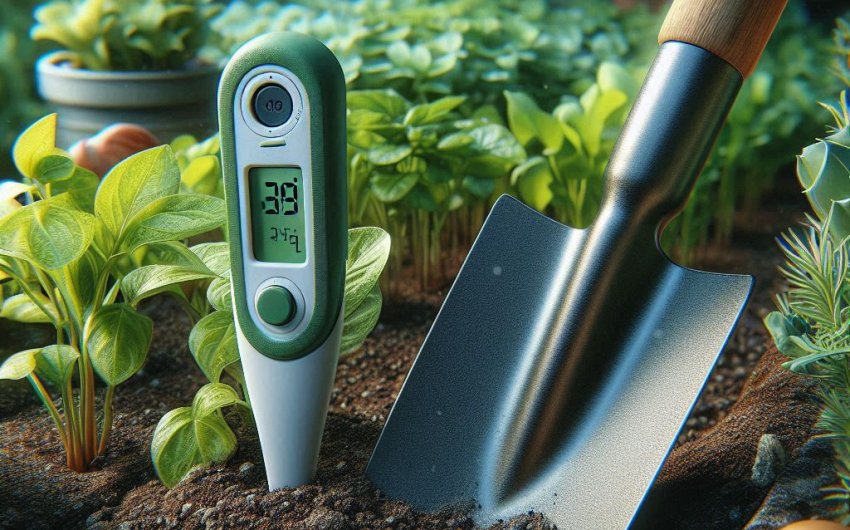
Gardeners often meticulously plan for sunlight, water, and air temperature, but a less obvious yet equally critical factor in plant success often gets overlooked: soil temperature. This unseen force below the surface profoundly influences everything from seed germination and root development to nutrient availability and plant health. Understanding why soil temperature matters in gardening is a game-changer for gardeners, unlocking the secrets to more vigorous growth, earlier harvests, and healthier plants. This guide will delve into the critical roles soil temperature plays and provide practical tips for managing it for optimal results.
Why is Soil Temperature So Crucial for Plant Growth?
Soil temperature is not just about warmth; it's a dynamic variable that dictates the speed and efficiency of countless biological and chemical processes essential for plant life.
1. How Does Soil Temperature Affect Seed Germination?
The temperature of the soil directly influences when and how effectively seeds sprout.
- Optimal Range: Each seed type has a specific optimal temperature range for germination. Below this range, germination may be slow, sporadic, or fail entirely. Above it, seeds can be damaged, rot, or go dormant.
- Enzyme Activity: Soil temperature affects the activity of enzymes within the seed that are responsible for breaking down stored food and initiating growth.
- Water Uptake: Roots need warmth to efficiently absorb water, which is critical for seed imbibition (taking in water to swell and break dormancy).
- Warm-Season vs. Cool-Season Seeds:
- Cool-season crops (e.g., peas, spinach, lettuce, radishes) germinate in cooler soil (around 40-60°F / 4-15°C).
- Warm-season crops (e.g., tomatoes, peppers, corn, beans, squash) require much warmer soil (typically 60-85°F / 15-29°C) for successful germination.
- Consequences of Incorrect Temperature:
- Planting Too Early: Seeds may rot in cold, wet soil before they can germinate, or emerge slowly and weakly.
- Planting Too Late: Seeds may struggle in excessively hot soil, leading to poor stands.
- Solution: Use a soil thermometer to check the actual soil temperature before planting seeds.
2. How Does Soil Temperature Influence Root Development?
Roots are the lifeline of a plant, and their growth is highly sensitive to soil temperature.
- Nutrient and Water Uptake: Roots absorb water and nutrients more efficiently when the soil is within their preferred temperature range. Cold soil can dramatically slow down metabolic processes in roots, limiting their ability to function, even if water and nutrients are present.
- Root Growth Rate: Optimal soil temperatures stimulate rapid root growth, allowing plants to establish quickly and access more resources. Conversely, cold soil inhibits root elongation and branching.
- Stress and Disease Resistance: Healthy, robust root systems developed in favorable temperatures make plants more resilient to drought, nutrient deficiencies, and soil-borne diseases.
- Solutions: Managing soil temperature helps ensure strong root establishment, which is vital for overall plant vigor.
3. How Does Soil Temperature Affect Nutrient Availability?
The microbial life in the soil, which is responsible for making nutrients available to plants, is heavily influenced by temperature.
- Microbial Activity: Soil microbes (bacteria, fungi, earthworms) are biological factories that break down organic matter, convert nitrogen, and cycle other nutrients. Their activity is highly dependent on temperature.
- Cold Soil: Microbial activity slows significantly or ceases. This means nutrients, even if present in the soil, are not converted into forms readily available for plant uptake. This is why plants in cold soil might show nutrient deficiency symptoms despite fertilization.
- Optimal Temperatures: Microbes are most active in warm, moist soil, rapidly cycling nutrients.
- Mineral Solubility: The solubility of certain minerals (how easily they dissolve in water to be absorbed by roots) is also affected by temperature.
- Solutions: Warm soil enables a healthy, active soil food web that continuously feeds your plants.
4. How Does Soil Temperature Impact Plant Growth and Health?
Beyond roots, the overall health and vigor of the plant are intrinsically linked to the temperature below ground.
- Photosynthesis Rate: While photosynthesis primarily occurs in leaves (influenced by air temperature and light), a stressed root system in cold soil cannot supply enough water and nutrients, thus indirectly limiting the plant's ability to photosynthesize effectively.
- Pest and Disease Susceptibility: Plants growing in suboptimal soil temperatures are stressed and weaker, making them more susceptible to pests and soil-borne diseases.
- Flowering and Fruiting: Many plants require specific soil temperatures for successful flowering and fruit set. Cold soil can delay or prevent these crucial developmental stages.
- Transplant Shock: Plants experience less transplant shock when moved into soil that is at a similar temperature to their previous environment. Planting warm-season starts into cold soil can cause them to sit stagnant or decline.
- Solutions: Matching soil temperature to plant needs promotes robust, disease-resistant growth and bountiful harvests.
How Can You Measure Soil Temperature?
Accurately knowing your soil's temperature is the first step to managing it effectively.
What Tools Do You Need to Measure Soil Temperature?
- Soil Thermometer: This is an indispensable tool for any gardener. Look for a simple, long-stemmed soil thermometer that can be easily inserted into the ground.
- Method:
- Insert the thermometer probe into the soil at the depth where seeds will be planted (e.g., 2-4 inches for most vegetable seeds).
- Wait 5-10 minutes for the reading to stabilize.
- Take readings at various times of the day (morning, midday, evening) and average them, as soil temperature fluctuates. Take readings in several spots in your garden.
How Can You Warm Up Soil for Early Planting?
For gardeners eager to get a head start on warm-season crops, manipulating soil temperature is key.
1. What is the Role of Black Plastic Sheeting?
- Description: Covering the soil with clear or black plastic sheeting before planting helps absorb solar radiation and trap heat.
- Method: Lay sheets of clear or black plastic sheeting tightly over your planting beds several weeks before you plan to plant. Secure the edges with rocks or soil to prevent wind from blowing it away.
- Benefits: Can raise soil temperatures by several degrees, speeding up thaw and creating ideal conditions for early planting of warm-season crops. Clear plastic is generally more effective at heating, while black plastic also suppresses weeds.
- Caution: Remove the plastic before planting to avoid overheating the soil or trapping too much moisture.
2. How Do Raised Beds Help Warm Soil?
- Description: Building garden beds that are elevated above the natural ground level.
- Method: Construct raised garden beds from wood, stone, or metal. Fill with a good quality, well-draining soil mix.
- Benefits: Raised beds warm up faster in spring because their sides are exposed to the sun and they have better drainage. They also retain warmth longer into the evening.
- Materials: Cedar, untreated lumber, stone, or galvanized steel are common choices.
3. Can You Use Cold Frames or Row Covers?
- Cold Frames: Mini-greenhouses placed over garden beds. A cold frame kit traps solar heat, warming both the air and soil within.
- Row Covers: Lightweight fabric placed directly over plants or supported by hoops. A garden row cover fabric allows light and water to penetrate but traps some heat.
- Benefits: Both extend the growing season by protecting plants from cold and warming the soil, allowing for earlier planting and longer harvests.
4. What About Building a Hugelkultur Bed?
- Description: A gardening technique that involves burying large pieces of decaying wood and other organic materials to create a raised bed.
- Benefits: The decomposition of the wood generates a small amount of heat, which can subtly warm the soil. It also improves drainage, retains moisture, and provides long-term nutrients.
How Can You Keep Soil Cooler in Hot Climates?
In intensely hot climates, excessively high soil temperatures can also stress plants, particularly during the peak of summer.
1. What is the Role of Mulch?
- Description: Applying a layer of organic material on the soil surface.
- Method: Apply a 2-4 inch layer of organic mulch (e.g., straw, wood chips, shredded leaves, grass clippings) around plants once the soil has warmed sufficiently in spring.
- Benefits: Mulch acts as an insulator, moderating soil temperature by keeping it cooler in summer (and warmer in winter). It also conserves moisture, suppresses weeds, and adds organic matter.
- Caution: Don't apply too early in spring if you want the soil to warm up first.
2. How Can Strategic Shade Help?
- Description: Providing temporary or partial shade during the hottest parts of the day.
- Method: Use shade cloth on hoops over sensitive plants, or plant taller, sun-loving plants (like corn or sunflowers) to cast some afternoon shade on more delicate companions.
- Benefits: Reduces direct sun exposure to the soil, helping to keep it cooler and prevent plants from overheating.
3. What About Dense Plantings?
- Description: Allowing plants to grow relatively close together, creating a living canopy.
- Benefits: The dense foliage shades the soil, reducing direct sun exposure and helping to maintain cooler, more consistent soil temperatures. This also helps conserve soil moisture.
What Are Other Important Soil Factors?
While temperature is crucial, it's interconnected with other vital soil characteristics.
1. How Does Soil Moisture Influence Temperature?
- Water's Effect: Water has a high specific heat capacity, meaning it takes more energy to change its temperature.
- Wet Soil: Warms up slower in spring because the water absorbs heat. It also cools down slower in fall, retaining warmth.
- Dry Soil: Warms up and cools down faster.
- Balance: Proper watering ensures optimal temperature regulation and nutrient availability.
2. Why Does Soil Type Matter for Temperature?
- Sandy Soils: Drain quickly and have more air pockets, causing them to warm up faster in spring but also cool down faster.
- Clay Soils: Retain more water and have fewer large air pockets. They warm up more slowly in spring but also retain heat longer into the evening or colder seasons.
- Organic Matter: Adding organic matter (like compost) to any soil type improves its structure, moderating temperature swings and enhancing overall health.
3. What is the Role of Soil Health?
A healthy, biologically active soil is more resilient to temperature fluctuations.
- Microbial Activity: As discussed, microbial life thrives in favorable temperatures. In turn, a thriving microbiome improves soil structure, aeration, and nutrient cycling, all of which contribute to stable soil conditions.
- Organic Matter: Rich in organic matter, healthy soil has better insulation properties, helping to buffer temperature extremes.
Understanding why soil temperature matters in gardening is a nuanced but profoundly impactful aspect of successful cultivation. By integrating soil thermometers into your planning, strategically manipulating soil warmth or coolness, and supporting overall soil health, you gain a significant advantage in helping your plants thrive from seed to harvest.