
Watering Wisely: Best Practices for Efficient Lawn Irrigation
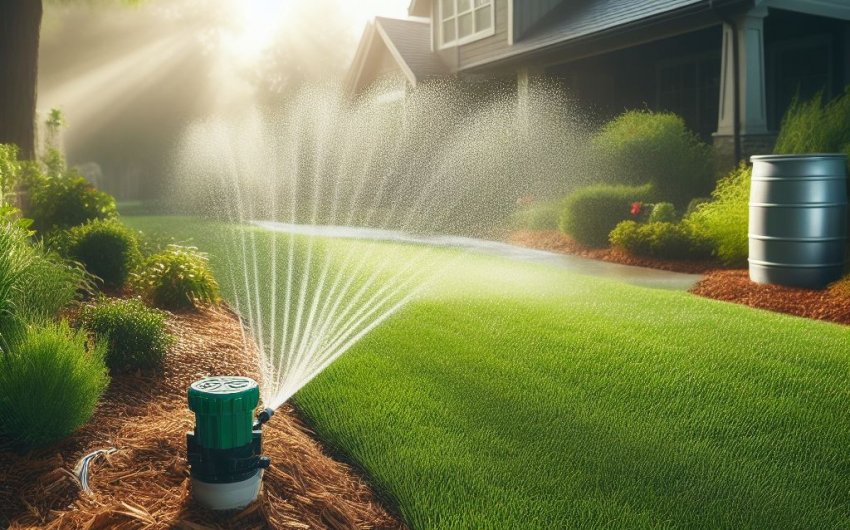
Watering wisely involves best practices for efficient lawn irrigation, prioritizing deep and infrequent watering (about 1 inch per week) exclusively in the early morning. This strategy encourages robust, deep root growth, maximizes water absorption, and significantly reduces the risk of water waste and common lawn diseases.
Why is efficient lawn irrigation a cornerstone of sustainable lawn care?
Efficient lawn irrigation is a fundamental practice that goes beyond simply keeping your grass green; it's a cornerstone of sustainable lawn care, directly impacting your lawn's health, resilience, and environmental footprint. Understanding and implementing best practices for watering wisely ensures every drop counts, fostering a vibrant turf while conserving precious resources and minimizing common lawn problems.
What are the environmental and financial impacts of inefficient watering?
Many common watering habits are surprisingly wasteful and detrimental, both to your wallet and the planet.
- Water Waste: This is the most obvious impact.
- Evaporation: Watering in the middle of the day or with fine mists leads to significant water loss to evaporation before it can reach the roots.
- Runoff: Overwatering, or watering compacted/sloping areas too quickly, causes water to run off into storm drains, carrying away nutrients and pollutants.
- Inefficient Systems: Leaky sprinklers, misaligned heads, or poor system design waste enormous amounts of water.
- Impact: Contributes to local water scarcity, strains municipal water supplies, and increases energy consumption (for water treatment and pumping).
- Water Pollution:
- Nutrient Leaching/Runoff: Excess water washes essential nutrients (from fertilizers) out of the root zone or carries them into waterways. This causes eutrophication, leading to harmful algal blooms and "dead zones" that devastate aquatic ecosystems.
- Pesticide Runoff: Herbicides and insecticides can also be carried into storm drains and natural bodies of water.
- Increased Lawn Problems:
- Disease: Frequent, shallow watering keeps grass blades constantly wet, creating ideal conditions for fungal diseases (e.g., brown patch, dollar spot).
- Shallow Roots: Encourages grass roots to stay near the surface, making the lawn highly susceptible to drought stress.
- Weed Growth: Favors shallow-rooted weeds.
- Compaction: Overwatering can contribute to soil compaction.
- Higher Utility Bills: Wasted water translates directly into higher water bills for homeowners.
- Resource Depletion: Ultimately, inefficient irrigation consumes more water and energy than necessary, depleting valuable natural resources.
What are the benefits of efficient lawn irrigation for your yard?
Watering wisely transforms your lawn, making it healthier, stronger, and more beautiful.
- Stronger, Deeper Roots: Deep watering encourages grass roots to grow far down into the soil, creating a robust, extensive root system.
- Increased Drought Tolerance: Lawns with deep roots are significantly more drought-tolerant, staying green and healthy longer during dry spells with less supplemental irrigation.
- Reduced Disease Risk: Infrequent watering, combined with morning irrigation, ensures grass blades dry quickly, minimizing the conditions favorable for fungal diseases.
- Fewer Weeds: A dense, deeply rooted turf naturally outcompetes many shallow-rooted weeds.
- Improved Nutrient Uptake: Deeper roots can access a larger volume of soil, which typically contains a broader range of nutrients, leading to a healthier, better-fed lawn.
- Enhanced Resilience: A well-watered, deeply rooted lawn is more resilient to heat stress, foot traffic, and some insect pests.
- Vibrant Green Color: A healthy, properly hydrated lawn maintains a consistent, lush green color.
- Reduced Water Bills: Conserving water directly translates into lower utility costs.
- Sustainable Lawn: Contributes to an overall eco-friendly and responsible approach to home maintenance.
By understanding the severe impacts of inefficient watering and embracing best practices, gardeners can optimize their irrigation for both a thriving lawn and a healthier planet.
What is the "Deep and Infrequent" watering strategy?
The "Deep and Infrequent" watering strategy is the fundamental principle of efficient lawn irrigation. It's a counterintuitive but highly effective approach that trains your grass to grow robust, drought-tolerant root systems, making your lawn stronger, healthier, and significantly less dependent on constant supplemental water.
Why is deep watering so important for efficiency?
Deep watering is about soaking the soil sufficiently to encourage roots to penetrate far down into the ground.
- Encourages Deep Root Growth: When water is consistently available only in the top inch or two of soil (shallow watering), grass roots have no incentive to grow deeper. Deep watering, by penetrating 6-8 inches (15-20 cm) into the soil, forces roots to grow downwards in search of moisture.
- Benefit: Deeper roots make the lawn significantly more drought-tolerant, allowing it to remain green and healthy for longer periods during dry spells without supplemental irrigation.
- Improved Nutrient Uptake: Deeper roots can access a larger volume of soil, which typically contains a broader range of nutrients, leading to a more robust and well-fed plant.
- Reduced Evaporation from Surface: When you apply water deeply, it quickly soaks below the surface, reducing the amount lost to surface evaporation compared to shallow sprinkles.
- Better Water Infiltration: Allows water to penetrate compacted soils more effectively (especially with "cycle and soak" method) and avoids runoff.
Why is infrequent watering beneficial for lawn health?
Infrequent watering means allowing the top layer of soil to dry out between watering sessions.
- Prevents Root Rot: By allowing the soil surface to dry, you ensure roots have access to essential oxygen between waterings, preventing anaerobic (oxygen-deprived) conditions that lead to root rot.
- Deters Weeds: Many common shallow-rooted weeds (like crabgrass) thrive in consistently moist surface conditions. Allowing the topsoil to dry out stresses these weeds, while established, deep-rooted turf remains healthy.
- Reduces Disease Risk: Keeping the grass blades dry for longer periods significantly reduces the conditions favorable for many fungal diseases (e.g., brown patch, dollar spot) that require prolonged leaf wetness to infect.
- Encourages Hardiness: The slight stress of a drying topsoil encourages the grass to produce tougher, more resilient growth.
How much water is "deep," and how frequent is "infrequent"?
These quantities are general guidelines and need to be adapted to your specific lawn.
- Target Depth: Aim to moisten the soil to a depth of 6-8 inches (15-20 cm) with each watering session.
- Amount of Water: This typically equates to applying about 1 inch (2.5 cm) of water per week, either in one single deep application or split into two applications (e.g., 0.5 inches twice a week).
- Tuna Can Test (Crucial): To measure how long it takes your sprinkler to apply 1 inch of water, place several empty tuna cans or straight-sided containers randomly within the sprinkler's spray pattern. Run your sprinkler for a set time (e.g., 15 minutes). Measure the average water depth in the cans. Do the math to figure out how long it takes to reach 1 inch. For example, if it fills 0.25 inches in 15 minutes, you need 60 minutes for 1 inch.
- Infrequent Frequency: Once the grass is established and deeply rooted, aim for once or twice a week during periods of active growth and dry weather. This can be reduced during cooler, wetter periods.
- Signs the Lawn Needs Water (Visual Cues): Don't just follow a schedule. Look for these visual cues:
- Footprints Visible: If you walk across the lawn and your footprints remain compressed in the grass blades, it's starting to stress.
- Dull, Bluish-Gray Color: The vibrant green will lose its luster and take on a slightly bluish-gray tint.
- Blades Curling/Folding: Grass blades may start to curl or fold lengthwise.
- DON'T: Wait until the grass is completely brown and crispy before watering, as this indicates severe stress or dormancy.
By mastering the "deep and infrequent" watering strategy, you actively train your lawn to become more self-sufficient, requiring less supplemental irrigation and developing a stronger, healthier root system that can withstand various environmental challenges.
What is the best time of day for efficient lawn irrigation?
The time of day you choose to irrigate your lawn is a critical factor for both water efficiency and preventing disease. Watering at the optimal time maximizes water absorption by the grass, minimizes evaporation, and, crucially, ensures grass blades dry quickly, creating an environment inhospitable to fungal pathogens.
Why is early morning the ideal time to water your lawn?
Watering in the early morning offers a perfect blend of efficiency and disease prevention, making it the unequivocally best time to irrigate.
- Minimizes Evaporation:
- DO: Water between 4 AM and 9 AM.
- Why: Temperatures are typically at their coolest, and winds are usually calmest during these hours. This significantly reduces the amount of water lost to evaporation before it can soak into the soil and reach the root zone.
- Prevents Fungal Diseases:
- DO: Water early enough so that the grass blades have ample time to dry completely before nightfall.
- Why: Many fungal diseases (like brown patch, dollar spot, powdery mildew, rust) require prolonged periods of leaf wetness (typically 6-8 hours or more) to germinate and infect the turf. By watering in the morning, you give the grass time to dry during the day, effectively breaking the disease cycle.
- Optimal Plant Uptake: The grass is actively growing and ready to absorb water in the morning, having replenished its stores overnight.
- Prepares for Day's Stress: Hydrating the lawn early prepares it to better withstand the heat and demands of the day.
Why should I avoid watering in the evening or at night?
Watering in the evening might seem convenient, but it is one of the most detrimental watering practices for lawn health.
- Prolonged Leaf Wetness: This is the biggest drawback. When you water in the evening (after 6 PM or so), the grass blades remain wet throughout the entire night because there's no sun or heat to dry them.
- Increased Disease Risk: Watering at night drastically increases the likelihood of fungal diseases, turning your otherwise healthy lawn into a disease magnet. This is the single biggest reason to avoid evening watering.
- Less Efficient Uptake: While less evaporation might occur, the grass might be less actively absorbing water compared to the morning, and the goal of deep root growth is not achieved as efficiently.
Why should I avoid watering in the middle of the day?
Watering during the hottest part of the day is primarily wasteful and inefficient.
- High Evaporation: Temperatures are highest and winds are often strongest in the middle of the day. A significant portion of the water applied (sometimes up to 50% or more) will simply evaporate into the air before it can reach the root zone.
- Less Efficient: It's simply a wasteful use of water due to rapid loss.
- Stress (Minor): While not as harmful as evening watering, applying very cold water to superheated grass on a hot day can sometimes cause a minor thermal shock, though this is generally less of a concern than evaporation.
Optimal Watering Strategy Summary:
- Always Water Early Morning: Program your automatic irrigation system or schedule your manual watering for between 4 AM and 9 AM.
- Adapt for New Seed/Sod: For newly seeded lawns or newly laid sod, much more frequent (often daily, sometimes twice daily), light watering is necessary initially to keep the surface consistently moist. Even then, try to time it for early morning if possible, or very early afternoon to allow some drying before nightfall.
- Emergency "First Aid" (Rare): If your lawn shows severe wilting and distress during a scorching afternoon (and you can't wait until morning), a quick, light splash of water for 5-10 minutes can provide temporary relief to prevent permanent damage, but this should be an exception, not a regular practice.
By diligently adhering to early morning watering, you harness the most efficient window for irrigation, promoting deep root growth, preventing disease, and ensuring your lawn stays maximally healthy and vibrant while conserving water.
How do different grass types and soil conditions affect watering?
Effective and efficient lawn irrigation is not a universal formula; it must be tailored to the specific type of grass you have and the unique characteristics of your soil. Understanding these differences allows for precise watering that optimizes turf health and conserves water.
How do cool-season vs. warm-season grasses differ in watering needs?
The temperature preferences of your grass type directly influence its water requirements throughout the year.
- Cool-Season Grasses (e.g., Kentucky Bluegrass, Tall Fescue, Perennial Ryegrass):
- Active Growth: Grow most actively in cool temperatures (60-75°F / 15-24°C) in spring and fall.
- Summer Stress: Go dormant or struggle during hot summer months (above 85°F / 29°C).
- Watering Needs:
- Spring/Fall: Require regular deep, infrequent watering (1 inch per week).
- Summer: During heatwaves, they will require more frequent deep watering to keep them actively growing and prevent dormancy. Alternatively, you can choose to allow them to go dormant (they will turn brown but typically re-green when temperatures cool and moisture returns).
- Drought: Generally less drought-tolerant than warm-season grasses when actively growing.
- Warm-Season Grasses (e.g., Bermuda Grass, Zoysia Grass, St. Augustine Grass, Centipede Grass):
- Active Growth: Thrive in hot temperatures (75-90°F / 24-32°C) in summer.
- Winter Dormancy: Go dormant and turn brown in cold weather (below 50°F / 10°C).
- Watering Needs:
- Summer: Require consistent deep, infrequent watering (1 inch per week) during their active growing season.
- Spring/Fall: Less water needed as they transition in/out of dormancy.
- Drought: Generally more drought-tolerant once established than cool-season grasses.
How does soil type influence watering frequency and duration?
Your soil's texture directly dictates how quickly water drains and how much moisture it can effectively retain.
- Sandy Soil:
- Characteristics: Large particles, large pore spaces. Drains very quickly, retains little moisture.
- Watering Adjustment: Needs more frequent, but still deep, watering. You might still apply 1 inch per week, but you might split it into two 0.5-inch applications over the week to prevent runoff and ensure it soaks in.
- Monitoring: Dries out rapidly; monitor closely.
- Clay Soil:
- Characteristics: Small particles, small pore spaces. Drains very slowly, retains a lot of moisture. Prone to compaction.
- Watering Adjustment: Needs less frequent watering, but can be hard to penetrate deeply. Apply water slowly (e.g., use the "cycle and soak" method: run for 15-20 min, turn off for an hour, then run again) to prevent runoff and allow time for absorption.
- Monitoring: Stays wet longer; be careful not to overwater. Root rot is a major risk. A soil moisture meter is highly useful here.
- Loamy Soil:
- Characteristics: Balanced mix of sand, silt, and clay. Offers good drainage and good moisture retention.
- Watering Adjustment: This is the ideal soil type. Follow general guidelines for deep and infrequent watering (1 inch per week).
What is the role of slope, topography, and microclimates?
The physical layout of your yard and localized environmental differences also impact watering needs.
- Sloping Lawns: Water tends to run off slopes before it can soak in deeply.
- Watering Adjustment: Use a cycle and soak method (as described for clay soil). This allows water to infiltrate slowly.
- Low-Lying Areas/Depressions: These areas can collect water, leading to prolonged wetness and potential waterlogging.
- Watering Adjustment: Reduce watering in these areas, or allow them to dry out more between sessions. Address underlying drainage issues (e.g., aeration, compost) if chronic.
- Shady Areas: Grass in the shade (e.g., under trees, on the north side of a house) receives less sun and heat, so it typically needs less frequent watering than sunny areas. It also often dries slower, increasing disease risk if overwatered.
- Sunny/Exposed Areas: Spots that receive intense, all-day sun or are exposed to drying winds will dry out faster and may need more frequent watering.
- Tree Root Competition: Trees, even deciduous ones, have extensive root systems that aggressively compete with grass for water. Grass under trees often needs more frequent watering to compensate for this competition, but still avoid overwatering the tree itself. Consider planting shade-tolerant groundcover or mulch under trees instead of struggling grass.
By understanding how your specific grass type, soil conditions, topography, and microclimates interact with water, you can tailor your irrigation practices for maximum efficiency, promote deeper roots, and ensure your lawn remains consistently healthy and vibrant.
How do I optimize my irrigation system for peak efficiency?
Even with the best watering knowledge, your irrigation system itself plays a crucial role in water efficiency. Optimizing your sprinkler system, leveraging smart technology, and performing regular maintenance are key steps to ensuring water is delivered precisely, effectively, and without waste, promoting a healthy lawn while conserving resources.
How do I choose and set up the right sprinkler system?
The type of sprinkler system influences how effectively you can deliver water.
- Hose-End Sprinklers (for smaller lawns/areas):
- Oscillating Sprinklers: Good for rectangular areas.
- Impact Sprinklers: Good for large, circular areas, but can be noisy.
- Stationary Sprinklers: Best for small, precise areas.
- Key: Position them for even coverage. Use the tuna can test to measure output and adjust placement. Move them around to cover the entire lawn.
- In-Ground Irrigation Systems (for larger lawns/convenience):
- Rotor Heads: Good for large areas, have a slower, rotating spray that allows water to penetrate deeply without runoff.
- Spray Heads: Best for smaller, irregularly shaped areas. Produce a fine, mist-like spray.
- Drip Irrigation/Soaker Hoses: While less common for entire lawns, these are highly efficient for adjacent garden beds, trees, or shrubs, delivering water directly to the root zone with minimal evaporation. A good option is soaker hose for gardens.
- Key: Proper design and installation are critical to ensure head-to-head coverage (each sprinkler head sprays to the next), avoiding dry spots and overwatering. Consider hiring a professional for installation.
How do I ensure even water distribution from my sprinklers?
Uneven watering is a common problem that leads to dry spots and soggy areas, negating efforts for lawn health and wasting water.
- Catch Can Test (Tuna Can Test) - Crucial:
- DO: Place several empty tuna cans (or similar straight-sided containers) randomly across the entire area covered by your sprinkler(s).
- DO: Run your sprinkler for a set time (e.g., 15 or 30 minutes).
- DO: Measure the amount of water collected in each can.
- Analyze: If some cans have much more water than others, your coverage is uneven. Adjust sprinkler head angles, nozzles, or runtime.
- Calculate Run Time: Once coverage is as even as possible, use the average amount collected to calculate how long you need to run your system to apply 1 inch of water.
- Adjust Sprinkler Heads:
- DO: Ensure sprinkler heads are properly aimed and are not spraying sidewalks, driveways, buildings, or areas beyond your lawn. Replace broken or clogged nozzles.
- Water Pressure:
- DO: Maintain adequate water pressure. Too low, and sprinklers won't cover their intended area. Too high, and they may mist too much (leading to evaporation) or create a "donut" pattern (more water on edges, less in center).
- DO: Install a pressure reducer if your water pressure is too high.
How can smart irrigation technology boost efficiency?
Smart technology can automate and optimize your watering, saving water and time.
- Smart Controllers: These replace standard irrigation timers.
- Weather-Based: DO: Use local weather data (rainfall, temperature, humidity, wind) from the internet to automatically adjust watering schedules. They can skip watering after rain or increase it during heatwaves.
- Soil Moisture Sensor-Based: DO: Connect to soil moisture sensors buried in the lawn. The controller only waters when the soil moisture drops below a pre-set threshold.
- Benefits: Significantly improve water efficiency, prevent overwatering, save money, and ensure plants get water exactly when they need it. A good option is smart irrigation controller.
- Rain Sensors:
- DO: Install a rain sensor on your irrigation system.
- Why: These simple devices detect rainfall and temporarily shut off your irrigation system, preventing unnecessary watering.
How do I maintain my irrigation system for optimal performance?
Regular maintenance ensures your system is always working efficiently.
- Seasonal Check-ups:
- DO: Perform a spring start-up: Check all sprinkler heads for damage, proper alignment, and clear nozzles. Ensure good pressure.
- DO: Perform a fall shut-down (winterization): Blow out lines with compressed air in cold climates to prevent freezing and cracking.
- Clean Nozzles:
- DO: Regularly check and clean sprinkler nozzles, as dirt and debris can clog them, leading to uneven watering.
- Repair Leaks:
- DO: Promptly fix any leaky pipes, connections, or sprinkler heads. Even small leaks waste a lot of water.
- Mower Damage:
- DO: Be careful not to damage sprinkler heads with lawnmowers. Ensure pop-up heads retract fully.
- Filter Maintenance:
- DO: If your system has filters, clean them regularly.
By choosing the right system, ensuring even coverage, leveraging smart technology, and performing consistent maintenance, you can optimize your lawn irrigation for maximum water efficiency and superior turf health, allowing you to water wisely.
How do I troubleshoot common watering challenges?
Even with the best planning, various watering challenges can arise, leading to dry spots, runoff, or disease. Knowing how to quickly identify and fix these common problems is essential for maintaining an efficient irrigation system and a healthy, vibrant lawn.
How do I fix brown patches and dry spots?
Brown patches and dry spots are clear indicators of inconsistent or insufficient watering, or underlying soil issues.
- Identify the Cause:
- DO: Perform a tuna can test to check for uneven sprinkler coverage (dry zones).
- DO: Check for compacted soil (water runs off rather than soaking in) or thatch buildup (prevents water from reaching soil).
- DO: Look for tree root competition (large tree roots aggressively absorb water from grass).
- DON'T: Immediately assume it's just underwatering without investigating other causes.
- Solutions for Uneven Coverage:
- DO: Adjust sprinkler head angles, replace clogged or broken nozzles, or adjust run times based on the catch can test. Consider adding more heads if coverage is inadequate.
- Solutions for Soil Issues:
- DO: Core aerate compacted areas in spring or fall to improve water penetration.
- DO: Dethatch if your thatch layer is more than 0.5 inches thick to allow water to reach the soil.
- DO: Incorporate organic matter (compost) to improve overall soil structure and water retention.
- Solutions for Root Competition:
- DO: For grass under trees, water more deeply (and slightly more frequently) in those specific areas to compensate.
- DO: Consider planting shade-tolerant groundcover or applying a ring of mulch around trees instead of struggling grass.
- Spot Water:
- DO: For persistent small dry spots, hand water deeply in the early morning for extra hydration.
How do I prevent runoff and standing water?
Runoff wastes water and contributes to pollution, while standing water promotes disease and root rot.
- Cycle and Soak Method:
- DO: For heavy clay soils or sloped areas, apply the cycle and soak technique. Run sprinklers for 15-20 minutes, then turn them off for an hour (allowing water to infiltrate), then run again for another 15-20 minutes. Repeat until the desired depth is achieved.
- Why: Prevents water from running off the surface.
- Aeration:
- DO: Core aerate compacted lawns.
- Why: Alleviates compaction, allowing water to penetrate better.
- Topdressing with Compost:
- DO: A thin layer of finished compost improves soil structure, especially in clay, reducing runoff.
- Reduce Water Pressure:
- DO: If water pressure is too high (causing misting or rapid runoff), adjust pressure at the spigot or with pressure reducers for in-ground systems.
- Address Drainage Issues (Long-Term):
- DO: For chronic standing water, you may need to install a French drain, reshape the landscape, or conduct significant soil amendments to improve overall drainage.
How do I deal with moss, algae, or fungus in the lawn?
These issues are often symptoms of overly wet conditions, poor air circulation, or low light.
- Moss/Algae:
- Causes: Consistently damp, often shaded, and compacted soil. Moss thrives where grass struggles.
- Solutions:
- DO: Improve Drainage: Aerate, incorporate compost.
- DO: Reduce Watering: Allow the soil to dry out more between sessions.
- DO: Increase Light: Prune overhanging tree limbs.
- DO: Increase Airflow: Dethatch.
- DO: Adjust pH: Moss prefers acidic soil; a soil test may reveal a need to raise pH with lime.
- Moss Killers: Use iron-based moss killers, but address underlying causes to prevent recurrence.
- Fungal Diseases (Brown Patch, Dollar Spot, etc.):
- Causes: Prolonged leaf wetness, high humidity, improper watering time, incorrect fertilizer.
- Solutions:
- DO: Water Early Morning ONLY: Ensure grass blades dry quickly.
- DO: Improve Air Circulation: Mow at appropriate height, dethatch, aerate.
- DO: Correct Fertilization: Avoid excessive nitrogen, which can promote disease during hot, humid periods.
- Fungicides: Use targeted fungicides if severe, but always combine with cultural practices.
How do I troubleshoot irrigation system failures?
Even the best systems can have issues.
- No Water/Low Pressure:
- DO: Check main valve and water source.
- DO: Inspect for clogged filters/heads or visible leaks.
- DON'T: Assume the system is broken without checking basics.
- Sprinklers Not Turning On/Off:
- DO: Check timer settings, battery, or power supply on your controller.
- DO: Inspect wiring connections to valves.
- DO: If specific heads aren't working, the solenoids or diaphragms may need repair.
- Uneven Spray:
- DO: Clean or replace clogged/damaged nozzles.
- DO: Adjust water pressure.
- DO: Replace damaged sprinkler heads.
By being vigilant, understanding the root causes of common watering problems, and implementing targeted solutions, you can overcome irrigation challenges and maintain a thriving, resilient lawn for maximum health and beauty.