
Hydroponic Innovations: Emerging Technologies Revolutionizing Urban Agriculture
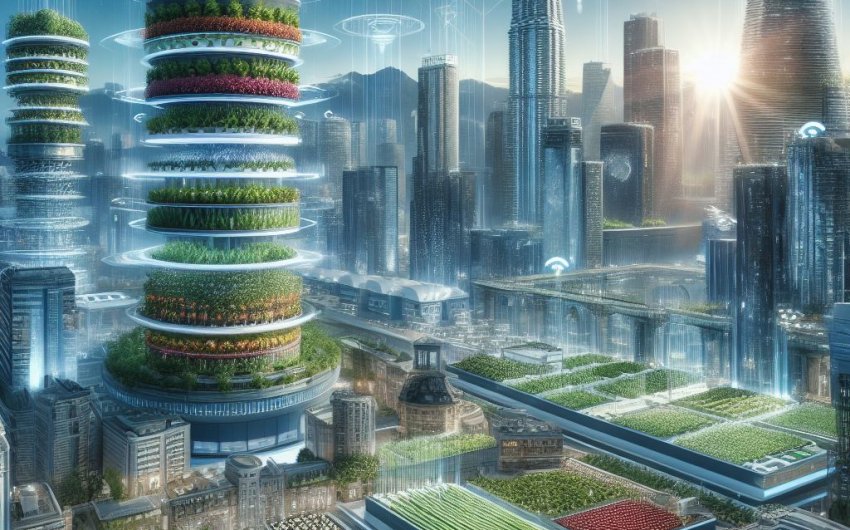
Hydroponic innovations, through emerging technologies, are rapidly revolutionizing urban agriculture by enabling vertical farming, controlled environment agriculture (CEA), and smart, automated systems. These advancements significantly increase food production in limited city spaces, conserve water and land, and offer year-round, locally grown fresh produce with minimized environmental impact.
Why are hydroponic innovations critical for the future of urban agriculture?
Hydroponic innovations are not just a trend; they are a critical driver revolutionizing urban agriculture, offering transformative solutions to the escalating challenges of feeding a growing global population in an increasingly urbanized world. These emerging technologies enable efficient food production in limited city spaces, minimize environmental impact, and provide a pathway to fresh, local, and sustainable food systems that traditional agriculture cannot match.
What are the global challenges driving hydroponic innovation?
The need for revolutionary agricultural methods like hydroponics is driven by pressing global issues.
- Population Growth and Urbanization: The world population is projected to reach nearly 10 billion by 2050, with the majority living in cities. This creates immense demand for food in urban centers, far from traditional farmlands.
- Land Scarcity: Arable land is finite and shrinking due to urban sprawl, soil degradation, and desertification. Hydroponics uses a fraction of the land area compared to conventional farming.
- Water Scarcity: Agriculture consumes roughly 70% of the world's freshwater. Hydroponics, with its recirculating systems, dramatically reduces water usage.
- Climate Change: Extreme weather events (droughts, floods, heatwaves) disrupt traditional farming. Controlled environment hydroponics offers climate resilience.
- Food Security and Access: Many urban areas are "food deserts," lacking access to fresh, nutritious produce. Urban hydroponics can grow food directly where people live.
- Environmental Degradation: Conventional agriculture often contributes to deforestation, soil erosion, and pollution from pesticides and fertilizers. Hydroponics can minimize or eliminate these.
- Transportation Footprint: Food travels long distances from farm to city, incurring high carbon emissions from transportation. Local urban hydroponics drastically cuts this.
How do hydroponic innovations offer solutions to urban agriculture?
Hydroponic technologies directly address many of these challenges, fundamentally changing how food is produced in cities.
- Vertical Farming: Enables crops to be grown in vertically stacked layers, dramatically increasing yield per square foot of land.
- Controlled Environment Agriculture (CEA): Allows precise control over light, temperature, humidity, and CO₂, optimizing plant growth and quality.
- Resource Efficiency: Uses significantly less water, land, and often no pesticides, compared to conventional farming.
- Local Food Production: Grows fresh produce directly within urban centers, reducing food miles and waste.
- Year-Round Harvesting: Controlled environments allow for continuous, predictable harvests, regardless of season.
- Reduced Environmental Impact: Minimizes pollution, soil degradation, and energy consumption (especially when coupled with renewable energy).
- High-Quality Produce: Optimized conditions can lead to nutrient-dense, flavorful, and blemish-free crops.
Hydroponic innovations are not just about growing plants in water; they represent a fundamental paradigm shift towards creating resilient, efficient, and sustainable urban food systems that are vital for the future of our planet and its inhabitants.
What is Vertical Farming and how do hydroponics enable it?
Vertical farming is a revolutionary approach to agriculture that involves cultivating crops in vertically stacked layers, often indoors. Hydroponics is the foundational technology that makes vertical farming not just possible, but highly efficient, enabling intensive food production in incredibly compact urban footprints.
What defines vertical farming?
Vertical farming utilizes controlled environments and specialized techniques to grow food upward.
- Vertically Stacked Layers: Crops are grown in layers, one above another, typically within a building, shipping container, or specially designed structure.
- Controlled Environment Agriculture (CEA): Vertical farms are almost always controlled environments where factors like light, temperature, humidity, CO₂, and nutrients are precisely managed.
- Urban Integration: Primarily situated in urban areas, close to consumers, to reduce food miles and ensure freshness.
- High-Density Production: Maximizes crop yield per square foot of land area.
How do hydroponic systems make vertical farming possible?
Hydroponics is inherently suited to vertical arrangements due to its soilless nature and efficient nutrient delivery.
- No Soil Mess: Eliminates the bulk, weight, and mess of traditional soil, which would be impractical and heavy in vertical stacks. Grow media are lightweight.
- Efficient Water & Nutrient Delivery:
- Gravity-Fed/Pump-Driven: Hydroponic systems (like Nutrient Film Technique - NFT, Deep Water Culture - DWC, or aeroponics) can easily be designed to deliver nutrient-rich water to plants in vertical stacks, often utilizing gravity for return flow or small pumps for recirculation.
- Direct Root Access: Nutrients are delivered directly to the roots, allowing for precise control and minimal waste.
- Recirculation: Water is reused, dramatically reducing water consumption.
- Modularity and Scalability: Hydroponic channels, trays, and net pots are inherently modular, making them easy to stack and scale to any height or configuration within a vertical farm.
- Cleanliness: The soilless nature results in a cleaner growing environment, reducing pests and diseases, which is crucial in enclosed vertical spaces.
- Root Zone Management: Hydroponics allows for precise management of the root zone (oxygenation, temperature), optimizing growth in stacked systems.
What are the benefits of vertical farming for urban areas?
Vertical farming, enabled by hydroponics, offers a multitude of advantages for cities.
- Massive Yield per Footprint: Can produce 10-20 times more yield per acre than traditional farming, requiring significantly less land.
- Local, Fresh Produce: Food is grown directly in the city, reducing "food miles" (distance from farm to plate) and ensuring ultra-fresh, locally sourced produce.
- Year-Round Production: Controlled environments allow for continuous harvests, independent of season or external climate conditions.
- Water Conservation: Hydroponic vertical farms use up to 95% less water than conventional field farming.
- No Pesticides/Herbicides: The enclosed, sterile environment often eliminates the need for pesticides and herbicides, resulting in cleaner, healthier food.
- Reduced Transportation Emissions: Local production significantly cuts the carbon footprint associated with long-distance food transport.
- Land Regeneration: Frees up agricultural land for reforestation or other ecological purposes.
- Food Security: Enhances food security for urban populations by providing a stable, reliable, and localized food source.
- Job Creation: Creates new types of jobs in urban settings.
- Reclaiming Urban Space: Can utilize abandoned buildings, rooftops, or industrial zones, revitalizing urban areas.
What challenges does vertical farming face?
Despite its benefits, vertical farming still faces hurdles.
- Energy Consumption: Artificial lighting (LEDs) and climate control require significant energy, which can be costly. The challenge is to use renewable energy sources.
- Initial Capital Costs: Setting up a vertical farm can be expensive.
- Limited Crop Selection: Best suited for high-value, fast-growing leafy greens, herbs, and some fruits (strawberries). Grains and root vegetables are less viable.
- Technical Expertise: Requires skilled personnel to manage complex systems.
Vertical farming, powered by hydroponic innovations, represents a transformative solution for urban food production, offering a sustainable path to feeding cities with fresh, local, and resource-efficient crops.
What is Controlled Environment Agriculture (CEA) and how do hydroponics leverage it?
Controlled Environment Agriculture (CEA) is a sophisticated approach to growing plants where environmental factors are precisely managed and optimized. Hydroponics is not just compatible with CEA; it is the fundamental growing method that allows CEA to achieve its peak efficiency and control, creating ideal conditions for unparalleled plant growth and quality.
What are the key components of Controlled Environment Agriculture?
CEA goes beyond simply growing indoors; it's about precise environmental mastery.
- Climate Control: Management of temperature, humidity, and airflow.
- Lighting Control: Use of artificial lights (often LEDs) to provide the exact spectrum, intensity, and duration of light needed.
- CO₂ Enrichment: Supplementing the air with carbon dioxide to boost photosynthesis.
- Nutrient Control: Precisely delivering specific nutrients to plants. This is where hydroponics comes in.
- Pest and Disease Management: Strict sanitation and exclusion to prevent outbreaks.
- Automation: Integration of sensors, computers, and robotics to monitor and adjust all these factors.
How do hydroponic systems enable precise CEA?
Hydroponics is perfectly aligned with the goals of CEA, offering unparalleled control over the root environment.
- Precision Nutrient Delivery: In hydroponics, nutrients are dissolved in water. This allows for exact formulation of the nutrient solution (specific NPK ratios, micronutrients) to match the plant's needs at every growth stage.
- Benefit: Optimizes growth, yield, and quality. Prevents deficiencies and excesses.
- pH Management: The pH of the nutrient solution can be precisely monitored and adjusted in hydroponics.
- Benefit: Ensures optimal nutrient availability to roots, as pH significantly impacts how plants can absorb elements.
- Root Zone Temperature: Hydroponic systems allow for direct control over the temperature of the nutrient solution around the roots.
- Benefit: Optimal root zone temperatures enhance nutrient and water uptake and overall plant health.
- Oxygenation: In systems like DWC, active aeration of the nutrient solution provides roots with abundant oxygen.
- Benefit: Prevents root suffocation, a common problem in soggy soil, and promotes vigorous root growth.
- Sterile Environment: Hydroponics eliminates soil, which is the primary source of many soil-borne diseases and pests.
- Benefit: Reduces the need for chemical pesticides and fungicides, making the system cleaner and healthier.
- Modularity: Hydroponic systems (channels, trays) are modular, allowing them to be easily integrated into vertical farms or other CEA structures.
What are the benefits of CEA for modern agriculture?
CEA, powered by hydroponics, offers profound advantages for food production.
- Yield Optimization: Achieves maximum yields, often far exceeding traditional farming, through precisely controlled environments.
- Predictability and Consistency: Produces crops of consistent quality and quantity, year-round, independent of weather variability. This is highly valuable for commercial markets.
- Resource Efficiency: Uses vastly less water and land. Minimal or no pesticide use.
- Local Production: Enables food to be grown anywhere, including urban areas, deserts, or cold climates, reducing transport.
- Enhanced Nutritional Content: Optimized nutrient delivery and lighting can sometimes boost the nutritional content or specific beneficial compounds in crops.
- Reduced Food Safety Risks: Cleaner, enclosed environments reduce contamination risks from pathogens.
- Faster Crop Cycles: Precise control allows for quicker plant growth and more harvests per year.
Challenges of CEA:
- Energy Demand: High energy consumption for lighting, heating, and cooling. Integrating renewable energy (solar, wind) is a key innovation.
- Initial Investment: Setting up sophisticated CEA facilities can be very expensive.
- Technical Expertise: Requires skilled operators for monitoring and managing complex systems.
CEA, with hydroponics at its core, represents the cutting edge of precision agriculture, offering a path to highly efficient, sustainable, and resilient food production systems that are vital for addressing future food security challenges.
What are Smart Hydroponic Systems and how do they automate urban agriculture?
Smart hydroponic systems represent the next frontier in urban agriculture, integrating advanced sensors, artificial intelligence (AI), and automation to monitor, optimize, and even manage plant growth with minimal human intervention. These innovations are revolutionizing hydroponics by making it more efficient, accessible, and productive, particularly in urban settings.
What smart technologies are integrated into hydroponic systems?
Smart hydroponic systems combine various technologies to create highly intelligent growing environments.
- Advanced Sensors:
- DO: Monitor critical parameters: pH, EC/TDS (nutrient concentration), water temperature, dissolved oxygen levels, ambient air temperature, humidity, and CO₂ levels.
- Why: Provide real-time, continuous data on the growing environment.
- Automated Dosing Pumps:
- DO: Precisely add pH Up/pH Down solutions and individual nutrient components to the reservoir.
- Why: Maintain optimal pH and nutrient concentrations automatically, eliminating manual adjustment.
- Automated Environmental Controls:
- DO: Integrate with HVAC systems (heating, ventilation, air conditioning), LED grow lights, and CO₂ injectors.
- Why: Automatically adjust temperature, humidity, light intensity/duration, and CO₂ levels based on pre-set parameters or AI analysis.
- AI and Machine Learning:
- DO: Utilize AI algorithms to analyze vast amounts of sensor data, identify patterns, predict plant needs, and even detect early signs of stress, disease, or pests.
- Why: Optimize growth parameters beyond human capability, leading to maximum yield and efficiency.
- Robotics and Automation:
- DO: For large-scale farms, robots can automate tasks like planting, harvesting, monitoring individual plants, and even pest detection.
- Why: Reduces labor costs and increases precision.
- IoT (Internet of Things) Connectivity:
- DO: All sensors and controls are connected to a central system, often accessible via a smartphone app.
- Why: Allows growers to monitor and control their systems remotely.
How do smart hydroponic systems revolutionize urban agriculture?
These advanced systems transform urban food production in profound ways.
- Increased Efficiency and Yield:
- DO: Precise, continuous optimization of growing conditions leads to faster growth, higher yields, and reduced crop failures.
- Why: Plants are always in their ideal environment.
- Reduced Labor:
- DO: Automation of monitoring and adjustment tasks significantly reduces the need for manual labor, freeing up growers for more complex tasks.
- Why: Lowers operating costs and makes commercial urban farming more viable.
- Enhanced Accessibility:
- DO: Simplified operation (via apps) can potentially make advanced hydroponics more accessible to a broader range of users, including hobbyists.
- Predictability and Consistency:
- DO: Produce crops of highly consistent quality, size, and nutritional value, year-round, independent of external factors.
- Why: This is crucial for urban markets demanding reliable, fresh supply.
- Proactive Problem Solving:
- DO: AI-driven analytics can detect subtle environmental shifts or early signs of stress before they become visible to the human eye, allowing for proactive intervention.
- Why: Prevents outbreaks of disease or pests.
- Resource Optimization:
- DO: Highly efficient use of water, nutrients, and energy. Systems can learn and optimize these inputs over time.
- New Urban Farming Models:
- DO: Enables the creation of fully autonomous vertical farms in city centers, shipping containers, or even basements, transforming vacant urban spaces into productive farms.
Challenges of Smart Hydroponics:
- High Initial Investment: The cost of advanced sensors, automation, and AI integration can be substantial.
- Technical Complexity: Requires some level of understanding of the technology.
- Reliability: Dependence on electronics means system failures can be detrimental.
- Energy Demand: Still requires significant energy, though efficiency is being optimized.
Smart hydroponic systems are pushing the boundaries of what's possible in urban agriculture, creating a future where food is grown intelligently, locally, and sustainably, directly in the heart of our cities.
What are the energy-efficient innovations in urban hydroponics?
Energy consumption, particularly for lighting and climate control, has historically been a significant challenge for urban hydroponics, limiting its overall sustainability. However, a wave of energy-efficient innovations is rapidly transforming the industry, making urban agriculture more eco-friendly and economically viable.
How are LED lighting technologies revolutionizing energy efficiency?
Artificial lighting is the single largest energy draw in most indoor hydroponic farms. LEDs are changing this game.
- Full-Spectrum Tunable LEDs:
- DO: Modern LED grow lights are highly energy-efficient, consuming significantly less electricity than traditional high-pressure sodium (HPS) or fluorescent lights.
- DO: They can be "tuned" to emit specific light spectra (colors) and intensities.
- Why: Different plants and different growth stages require specific wavelengths of light. Tunable LEDs allow growers to provide precisely what plants need, maximizing photosynthesis efficiency and minimizing wasted energy on unused light. For example, more blue light for vegetative growth, more red light for flowering.
- Dynamic Lighting Schedules:
- DO: Advanced LED systems can simulate natural sunrise/sunset cycles and dynamically adjust light intensity throughout the day.
- Why: This can optimize plant physiology, potentially improving growth and energy use.
- Heat Reduction:
- DO: LEDs produce much less heat than older grow lights.
- Why: Reduces the energy needed for cooling the grow space, further improving overall efficiency.
- Longer Lifespan: LEDs have a much longer operational life, reducing replacement costs and waste.
How are climate control and system designs becoming more energy-efficient?
Beyond lighting, other aspects of the hydroponic system are being optimized for lower energy use.
- Improved HVAC Systems:
- DO: Energy-efficient heating, ventilation, and air conditioning (HVAC) systems are being integrated to minimize energy use for maintaining optimal temperature and humidity.
- Why: Prevents unnecessary energy waste in climate control.
- Waste Heat Recovery:
- DO: Innovative systems are being designed to capture and reuse waste heat generated by lighting or other equipment within the greenhouse, for heating water or the grow space.
- Insulation and Building Materials:
- DO: Vertical farms are incorporating highly insulated building materials, double-glazed panels, and airtight designs to minimize heat loss/gain.
- Why: Reduces the energy required for heating and cooling.
- Smart Automation:
- DO: Automated sensors and controls (pH, EC, temp, humidity, CO₂) precisely deliver inputs only when needed.
- Why: Prevents over-lighting, over-heating, or over-cooling, eliminating wasted energy.
- Recirculating Nutrient Systems:
- DO: Systems like NFT, DWC, and Ebb and Flow inherently recirculate nutrient solutions.
- Why: Uses vastly less water and nutrients compared to traditional farming, reducing energy used to pump, treat, or transport water.
- Optimized Water Temperature:
- DO: Efficient systems maintain optimal water temperatures, as too warm or too cold water can stress roots and reduce efficiency.
What role do renewable energy sources play?
Integrating sustainable energy production is the ultimate step in making urban hydroponics truly eco-friendly.
- Solar Panels:
- DO: Installing solar panels on vertical farm rooftops or adjacent land can offset the electricity consumption for lighting and pumps.
- Why: Provides clean, renewable energy, significantly reducing the carbon footprint of the operation.
- Wind Turbines:
- DO: In suitable locations, small-scale wind turbines can also contribute to renewable energy supply.
- Energy Storage:
- DO: Battery storage systems can capture excess solar/wind energy for use during peak demand or when renewable sources are unavailable.
- Biomass/Geothermal (Larger Scale):
- DO: Large urban farms might explore biomass or geothermal energy sources for heating.
These energy-efficient innovations are crucial for making urban hydroponics environmentally sustainable and economically competitive, enabling the growth of local, fresh food with a minimal carbon footprint.
What are the future trends and impact of hydroponic innovations on urban food systems?
Hydroponic innovations are rapidly shaping the future of urban food systems, promising a radical transformation in how cities feed themselves. From hyper-local production to enhanced nutritional profiles, these emerging trends have the potential for profound societal and environmental impact.
What emerging technologies will further revolutionize urban hydroponics?
The cutting edge of innovation promises even more sophisticated and efficient systems.
- AI-Driven Plant Optimization:
- Future: Artificial intelligence and machine learning will become even more sophisticated, analyzing vast amounts of data to dynamically adjust every environmental parameter (light spectrum, humidity, CO₂, nutrient ratios) in real-time.
- Impact: Leads to unprecedented growth rates, yield consistency, and resource efficiency. AI could even predict and prevent disease outbreaks.
- Robotics and Automation:
- Future: Robotics will automate more labor-intensive tasks like planting, harvesting, pruning, and packaging.
- Impact: Reduces labor costs, increases precision, and allows for 24/7 operation in lights-out facilities.
- Hyper-Specific Nutrient Formulations:
- Future: Advanced sensors and genetic understanding will enable highly customized nutrient solutions tailored to the exact needs of specific cultivars, aiming for enhanced flavor, accelerated growth, or boosted nutritional content.
- Impact: Produces food with superior taste and health benefits.
- Data-Driven Crop Breeding:
- Future: Integration of plant genetics with CEA data will allow for breeding crops specifically optimized for hydroponic vertical farming, focusing on traits like compact growth, fast cycling, and high nutrient uptake.
- Modular and Distributed Farms:
- Future: Development of easily deployable, modular hydroponic units (e.g., container farms) that can be placed on rooftops, parking lots, or underutilized urban spaces, creating a highly distributed network of local food production.
- Vertical Integration (Farm-to-Table in One Building):
- Future: Buildings designed to incorporate vertical farms, processing, and even retail or restaurant space, minimizing food miles to mere feet.
What is the potential impact on urban food systems?
These innovations are poised to fundamentally reshape how we think about and access food in cities.
- Hyper-Local Food Production:
- Impact: Fresh produce will be grown within or very near the communities where it's consumed, drastically reducing food miles and transportation emissions. Reduces reliance on long, vulnerable supply chains.
- Increased Food Security and Access:
- Impact: Provides a stable, reliable, year-round source of fresh, nutritious food directly to urban populations, addressing "food deserts" and enhancing resilience against climate shocks.
- Resource Conservation:
- Impact: Continual optimization will lead to even greater water, land, and energy efficiency, making food production less burdensome on the planet.
- Enhanced Nutritional Content:
- Impact: Potential to grow "functional foods" with boosted vitamins, minerals, or beneficial compounds through precise nutrient delivery.
- Economic Opportunities:
- Impact: Creates new jobs in technology, engineering, and agriculture within urban centers. Fosters local economies.
- Urban Revitalization:
- Impact: Transforms underutilized urban spaces (abandoned buildings, rooftops) into productive, green infrastructure.
- Reduced Environmental Footprint:
- Impact: Minimizes pollution from pesticides and fertilizers, soil erosion, and agricultural runoff.
- Consumer Engagement:
- Impact: Brings food production closer to the consumer, fostering greater awareness and appreciation for where food comes from.
Hydroponic innovations are driving urban agriculture towards a future that is not only sustainable and efficient but also deeply integrated into the fabric of city life, ensuring fresh, healthy food for all in a rapidly changing world.