
Effortless Green Thumbs: Time-Saving Plant Care Strategies for Busy Lives
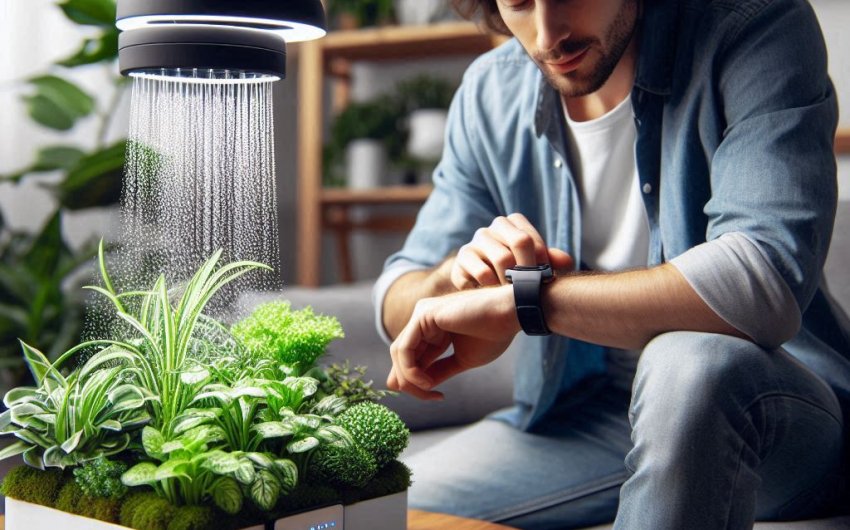
Do you love plants but feel like you never have enough time for them? You’re not alone! Many people dream of a lush indoor jungle but get bogged down by the daily demands of plant care. Life is busy, and sometimes, those green beauties just don’t get the attention they deserve. But what if I told you there are smart, time-saving plant care strategies that can give you a thriving garden without eating up all your precious hours?
This guide is for everyone who wants to enjoy the beauty and benefits of plants without the constant worry. We’ll explore simple hacks, clever tools, and smart choices that will free up your time while keeping your plants happy and healthy. Get ready to transform your plant care routine from a chore into a joy!
Are You Choosing the Right Plants for Your Busy Lifestyle?
The first step to time-saving plant care strategies is choosing the right plants. Some plants are super high-maintenance, while others are pretty chill. Picking plants that fit your schedule is key. Think about your lifestyle. Are you often away for extended periods? Do you travel a lot? Or are you just looking for something low-stress for your everyday life?
Which Plants Are Super Easy to Care For?
Let's talk about some real troopers. These plants can handle a bit of neglect and still look great. They are perfect for beginners or anyone with a packed schedule.
- Snake Plant (Sansevieria trifasciata): These guys are practically indestructible. They can handle low light and don't mind if you forget to water them for a while. You can find beautiful varieties like the Sansevieria Laurentii. They also help clean your air!
- ZZ Plant (Zamioculcas zamiifolia): The ZZ plant is another champion of neglect. It stores water in its thick rhizomes (underground stems), so it's very drought-tolerant. Low light, infrequent watering—no problem for the ZZ. Get a tall and sleek ZZ Plant to make a statement.
- Pothos (Epipremnum aureum): Pothos plants are super adaptable. They thrive in various light conditions, from low to bright indirect light. They are also very forgiving if you miss a watering. Their trailing vines look fantastic in hanging baskets or on shelves. Try an Emerald Green Pothos for vibrant foliage.
- Spider Plant (Chlorophytum comosum): Spider plants are easy to grow and produce little "spiderettes" that you can easily propagate. They are quite hardy and tolerate a range of conditions, making them ideal for busy plant parents.
- Cast Iron Plant (Aspidistra elatior): Just like its name suggests, this plant is tough! It can survive in very low light and doesn't need much water. If you have a dark corner that needs some green, the Cast Iron Plant is your friend.
- Succulents and Cacti: These desert dwellers are designed for infrequent watering. They store water in their leaves, stems, or roots. The key is bright light and letting their soil dry out completely between waterings. Just be careful not to overwater them. You can start with a variety pack of succulents.
How Do You Know If a Plant Is Low-Maintenance Before Buying?
When you're at the plant store, how do you spot a low-maintenance gem?
- Check the Tag: Most plants come with care tags that give you a basic idea of their needs. Look for phrases like "drought-tolerant," "low light tolerant," or "easy care."
- Research Online: A quick search for the plant's name will usually tell you if it's a "beginner plant" or "low-maintenance." Websites like Wikipedia and reputable plant blogs are great resources.
- Talk to Store Staff: Plant nursery staff often know a lot about the plants they sell. Don't be afraid to ask for recommendations for easy-care plants or those that fit a busy lifestyle.
- Observe Plant Features: Plants with thick, waxy leaves often store more water and are more drought-tolerant. Think about a succulent versus a delicate fern.
What Are the Best Watering Hacks for Busy Plant Parents?
Watering is often the most time-consuming part of plant care. But it doesn't have to be! There are fantastic tools and techniques that can help you automate or simplify this crucial task. Smart watering is a core component of time-saving plant care strategies.
Can Self-Watering Pots Really Save Time?
Absolutely! Self-watering pots are a game-changer. They have a reservoir at the bottom that holds water, and the plant's roots draw up water as needed. This means you don't have to water as often, sometimes only once every week or two, depending on the plant and pot size. Look for a self-watering planter with a visible water level indicator.
- How They Work: A wick or a porous system connects the soil to the water reservoir. As the soil dries, it pulls water up, keeping the plant consistently hydrated.
- Benefits:
- Less Frequent Watering: This is the biggest benefit. You can go for days or even weeks without touching a watering can.
- Prevents Overwatering/Underwatering: The plant takes only what it needs, reducing the risk of root rot from overwatering or stress from underwatering.
- Consistent Moisture: Many plants prefer consistently moist soil, which these pots provide.
- Things to Consider:
- Not for All Plants: Some plants, especially succulents and cacti, prefer their soil to dry out completely between waterings. Self-watering pots might keep the soil too consistently moist for them.
- Initial Setup: You still need to fill the reservoir regularly.
- Flushing the Soil: It's a good idea to occasionally flush the soil from the top to prevent salt buildup, especially if you use tap water.
What Are the Best Watering Devices for Hands-Off Hydration?
Beyond self-watering pots, several other devices can make watering a breeze.
- Watering Globes/Spikes: These are decorative glass or terra cotta spikes that you fill with water and stick into the soil. They slowly release water over several days. They're great for smaller plants or when you're going away for a short trip. Try a pack of decorative glass watering globes for a touch of style.
- Drip Irrigation Systems (for indoor plants): Yes, these aren't just for outdoor gardens anymore! Small, customizable drip systems can be set up for multiple indoor plants, delivering water directly to the soil. Some can even be connected to a timer. This is a more advanced option but incredibly efficient for a large collection. Look for a small indoor drip irrigation kit.
- Moisture Meters: While not automating watering, a moisture meter takes the guesswork out of when to water. Simply stick the probe into the soil, and it tells you if it's wet, moist, or dry. This prevents both overwatering and underwatering, saving you time spent on unhappy plants. Get a reliable 3-in-1 soil moisture meter that also checks light and pH.
- Bottom Watering: Instead of pouring water on top, place your plant pot in a tray or sink filled with a few inches of water. The plant will soak up water from the bottom through the drainage holes. This ensures the plant gets a thorough drink and encourages root growth downwards. It's also less messy! While it doesn't automate the process, it's a very efficient way to water multiple plants at once.
How Can Smart Potting Mix and Fertilizing Save You Effort?
The right foundation can make a huge difference in how much care your plants need. Your potting mix and fertilizing habits play a big role in their long-term health and your time investment. These are often overlooked but crucial time-saving plant care strategies.
What Kind of Potting Mix Reduces Watering Needs?
The potting mix is more than just dirt; it's the environment for your plant's roots. A good mix can help with water retention or drainage, depending on the plant's needs.
- For Plants That Like Consistent Moisture: Look for potting mixes that contain coco coir, peat moss, or vermiculite. These ingredients are excellent at holding onto water, meaning the soil stays moist longer, and you water less often. A premium potting mix with coco coir is a great choice.
- For Succulents/Cacti (and plants that need good drainage): A fast-draining mix is essential. This often includes perlite, sand, or pumice. While it might seem counter-intuitive for "less watering," preventing root rot from overwatering means a healthier plant that requires less emergency care.
- Adding Water-Retaining Crystals: These small polymer crystals absorb many times their weight in water and slowly release it to the plant. You mix them into your potting soil. They can significantly extend the time between waterings. Use water-retaining crystals for plants for an extra boost.
When Is the Best Time to Repot Plants to Minimize Maintenance?
Repotting is often a dreaded task, but doing it strategically can save you a lot of hassle.
- Repotting into a Slightly Larger Pot: When a plant outgrows its pot, it becomes "root-bound," meaning its roots fill the pot and have less access to water and nutrients. This means you'll have to water it more often. Moving it to a pot that's only 1-2 inches larger in diameter gives the roots room to grow and holds more soil, which means more moisture retention and less frequent watering.
- During Active Growing Season: The best time to repot is usually in spring or early summer when the plant is actively growing. This helps it recover faster from the stress of repotting.
- Don't Over-Pot: Resist the urge to put a small plant into a huge pot. Too much soil holds too much moisture for a small root system, leading to root rot. This creates more problems, not fewer.
How Do Slow-Release Fertilizers Save You Time?
Fertilizing is important for plant health, but it can be time-consuming if you're mixing liquid fertilizers every few weeks.
- Slow-Release Granules: These are tiny beads of fertilizer that slowly break down and release nutrients into the soil over several months. You simply mix them into the top layer of soil or sprinkle them on top. This means you only fertilize once or twice a year instead of constantly. Pick up a bag of slow-release fertilizer granules for easy application.
- Fertilizer Spikes: Similar to granules, these are solid sticks of fertilizer that you push into the soil. They also release nutrients slowly over time. They are particularly good for larger potted plants.
- Benefits:
- Less Frequent Application: The main time-saver!
- Consistent Nutrient Supply: Plants get a steady supply of food, leading to healthier growth.
- Reduces Risk of Over-Fertilizing: Since nutrients are released slowly, there's less chance of "burning" your plants with too much fertilizer at once.
What Are the Best Light Management Solutions for Low-Effort Plant Care?
Light is fundamental for plants, but providing the right amount can be tricky, especially if your home doesn't have ideal natural light. Smart light management is a huge part of time-saving plant care strategies.
Can Grow Lights Make Plant Care Easier?
Absolutely! If your home doesn't get enough natural light, grow lights can fill the gap. This means you can keep plants that might otherwise struggle, reducing the stress of a struggling plant.
- Why They Save Time:
- Consistent Growth: Plants under consistent, adequate light grow healthier and stronger, making them less prone to pests and diseases, which require your time to treat.
- Wider Plant Choice: You're not limited to only low-light plants. You can grow a wider variety, giving you more options for your busy schedule.
- Controlled Environment: You control the light duration, ensuring your plants get exactly what they need, even on cloudy days or in dark corners.
- Types of Grow Lights:
- LED Grow Lights: These are energy-efficient and long-lasting. They come in various forms, from small clip-on lights for individual plants to larger panels for multiple plants. A full-spectrum LED grow light with a timer is a versatile option.
- Fluorescent Grow Lights (T5/T8): Good for seedlings and leafy greens, but often bulkier.
- Smart Grow Lights with Timers: Many modern grow lights come with built-in timers, or you can use a separate smart plug with a timer. This means you set the light schedule once, and it turns on and off automatically every day. No need to remember to switch lights! This is a major time-saving plant care strategy.
How Do You Optimize Natural Light Without Constant Monitoring?
Even if you rely on natural light, there are ways to make the most of it without constantly moving your plants around.
- Placement Strategy:
- Identify Light Zones: Spend some time observing which windows get direct sun (south-facing in the Northern Hemisphere, north-facing in the Southern Hemisphere), bright indirect light, or low light. Place plants according to their needs.
- Rotate Plants Occasionally: Every few weeks, give your plants a quarter turn. This encourages even growth and prevents them from leaning towards the light source. It takes seconds but makes a big difference in the plant's overall shape and health.
- Sheer Curtains or Blinds: If your plants are getting too much direct sun, especially during the hottest part of the day, sheer curtains can filter the light, turning harsh direct sun into gentler bright indirect light. This prevents leaf burn and means less stress for your plants (and less time spent on troubleshooting). Look for sheer curtains that filter sunlight.
- Reflective Surfaces: For plants in darker spots, placing a mirror or light-colored wall near them can bounce more light towards the plant. This is a passive way to boost light levels without adding artificial lights.
What Are the Easiest Pest and Disease Prevention Methods?
Nothing eats up your time like dealing with a pest infestation or a rampant plant disease. Prevention is always easier than cure. Adopting preventative measures is a key aspect of time-saving plant care strategies.
How Do You Prevent Pests Without Constant Inspection?
You can keep pests away without having to inspect every leaf every day.
- Quarantine New Plants: This is probably the most important step. Before introducing a new plant to your existing collection, keep it isolated for a few weeks. This allows you to spot any hitchhiking pests before they spread to your other plants. A simple quarantine zone in a separate room or even a corner far from other plants is sufficient.
- Regular Leaf Wiping (Dusting): Dust on plant leaves blocks light and can also hide pests. Wiping leaves with a damp cloth every few weeks not only makes your plants look better but also allows you to quickly spot any early signs of pests. Use a microfiber cleaning cloth for plants.
- Beneficial Insects (if applicable): For larger collections or outdoor plants, introducing beneficial insects (like ladybugs for aphids) can be a natural and hands-off pest control method. This might be more applicable for a greenhouse or dedicated plant room.
- Neem Oil as a Preventative Spray: Neem oil is a natural insecticide that can deter many common pests. Dilute it according to the instructions and mist your plants every few weeks, especially the undersides of leaves. It acts as a preventative rather than a cure, saving you the headache of an active infestation. Always use a high-quality cold-pressed neem oil for plants.
- Good Air Circulation: Stagnant air can encourage fungal diseases and some pests like spider mites. Ensure good airflow around your plants. You can use a small fan in a plant room or simply ensure plants aren't too crowded together.
What Simple Steps Can Prevent Plant Diseases?
Diseases often stem from environmental issues or poor hygiene.
- Proper Watering: Overwatering is a leading cause of root rot and other fungal diseases. Using a moisture meter and allowing the topsoil to dry out (for most plants) is crucial.
- Sterile Tools: When pruning or propagating, use clean, sterile scissors or pruners. This prevents the spread of diseases from one plant to another. Wipe your tools with rubbing alcohol between uses. Consider getting a small plant pruning kit.
- Remove Dead or Yellowing Leaves Promptly: Dead or dying plant material can become a breeding ground for fungi and pests. Trim them off as soon as you spot them. This is a quick and effective time-saving plant care strategy.
- Don't Overcrowd Plants: Give your plants enough space. Good air circulation prevents the buildup of humidity around leaves, which can lead to fungal issues.
How Can Grouping and Zone Management Streamline Your Routine?
Managing multiple plants can feel overwhelming. But by thinking of your plants in groups, you can make care much more efficient. This is a smart approach for time-saving plant care strategies.
Why Is Grouping Plants Together a Time-Saver?
Grouping plants with similar needs can dramatically reduce the time you spend on individual plant care.
- Similar Watering Needs: If you have five plants that all prefer consistently moist soil, you can water them all at the same time. Similarly, group all your succulents and cacti together, as they will all appreciate less frequent watering.
- Humidity Boost: Many houseplants, especially those from tropical regions, love humidity. Grouping them creates a small "microclimate" with higher humidity around the plants as they release moisture through their leaves (transpiration). This is especially helpful in dry indoor environments and means you might not need to mist as often.
- Simplified Light Management: Place plants with similar light requirements in the same area. All your bright-light lovers go by the sunny window, while your low-light tolerant plants go in a shadier spot. This makes it easy to ensure everyone is getting what they need at a glance.
What Is "Plant Zoning" and How Does It Help?
Plant zoning takes grouping a step further. It's about organizing your plants into specific areas or "zones" based on their care requirements.
- Humidity Zone: Create a "humidity zone" in your bathroom (if it has a window) or near a humidifier. This is perfect for ferns, calatheas, and other moisture-loving plants. You can get a small humidifier for plants to create this zone.
- Bright Light Zone: Place all your sun-worshippers (e.g., Fiddle Leaf Fig, Bird of Paradise, most succulents) together in the brightest spot in your home.
- Low Light Zone: Use these areas for Snake Plants, ZZ Plants, or Cast Iron Plants.
- Watering Station Zone: Designate one area as your "watering station." This could be your kitchen sink or a specific corner with a large tray. Bring plants to this area for watering, allowing them to drain thoroughly before returning them. This consolidates the mess and makes the watering process more efficient.
How Can Smart Planning and Routine Creation Optimize Your Time?
Even with all the tools and right plants, a good plan makes all the difference. Creating simple, consistent routines can turn plant care into an almost effortless habit, which is the ultimate time-saving plant care strategy.
What Is a Simple Weekly Plant Care Checklist?
Don't feel like you need to do everything every day. A weekly check-in is often enough for most low-maintenance plants.
- Visual Inspection (Quick Scan): Do a quick visual check of all your plants. Look for obvious signs of distress: wilting, yellowing leaves, or obvious pests. This takes less than a minute per plant.
- Check Soil Moisture: Use your finger or a moisture meter to check the top few inches of soil. Water only those that need it. Don't water on a schedule, water when the plant needs it!
- Rotate Plants (Optional, if needed): If you notice a plant leaning towards the light, give it a quarter turn.
- Remove Dead/Yellowing Leaves: Quickly snip off any unhealthy leaves. This is good for the plant and makes it look tidier.
- Refill Self-Watering Reservoirs: If you use self-watering pots, check and refill their reservoirs.
- Wipe Down Dusty Leaves (as needed): If a plant looks particularly dusty, give its leaves a quick wipe.
How Do Plant Care Apps or Reminders Help Busy People?
Technology can be your best friend when it comes to remembering plant tasks.
- Plant Care Apps: Many free and paid apps are available that allow you to track your plants, set watering reminders, log fertilization dates, and even diagnose problems. Popular options include "Planta" or "PictureThis." You input your plant type, and the app tells you its care needs and schedules reminders. This is an excellent time-saving plant care strategy for memory-challenged plant parents!
- Calendar Reminders: If apps feel like too much, simply set recurring reminders on your phone's calendar for "check plants" or "fertilize plants."
- Batching Tasks: Instead of watering one plant here and one there, set aside a specific "plant care day" once a week or every two weeks. On this day, you do all your watering, wiping, and quick inspections. Batching similar tasks saves time and mental energy. For example, if you bottom-water, line up several plants in your tub or sink and let them all soak at once.
Can Pruning and Cleaning Habits Truly Reduce Long-Term Work?
It might seem like an extra task, but regular, light pruning and cleaning actually save you a lot of effort in the long run. These seemingly small actions are mighty time-saving plant care strategies.
Why Is Regular Light Pruning Important for Time-Saving?
Pruning is not just about making your plant look pretty; it's about keeping it healthy and manageable.
- Removes Unhealthy Growth: Dead, yellowing, or diseased leaves and branches suck energy from the plant. Removing them allows the plant to focus its energy on healthy growth. This prevents the spread of disease and pests, which would require more time to treat later.
- Encourages Bushier Growth: Pinching off the tips of stems (a form of light pruning) encourages the plant to branch out, resulting in a fuller, more attractive plant. A well-shaped plant means less time spent trying to make it look good.
- Prevents Overgrowth: If you allow plants to grow wildly, they can become leggy, sparse, or too large for their space. Regular, light pruning prevents this, meaning you won't have to tackle a massive, time-consuming pruning job later. It's about maintenance, not a major overhaul.
How Does Keeping Plants Clean Prevent Bigger Issues?
Beyond just looking good, clean plants are healthy plants, and healthy plants require less intervention.
- Dust Removal: Dust on leaves blocks sunlight, reducing the plant's ability to photosynthesize (make food). Over time, a dusty plant will become less vigorous and more prone to stress. Wiping leaves with a damp cloth every few weeks is a quick task that prevents long-term decline. Use a soft plant leaf cleaning glove for efficiency.
- Pest Spotting: When you wipe leaves, you naturally get a closer look at your plant. This allows you to spot tiny pests or early signs of disease before they become a full-blown infestation or a serious health problem that demands a lot of your time. Early detection is a huge time-saving plant care strategy.
- Improved Air Circulation: Cleaning leaves and removing dead debris improves air circulation around the plant, which is crucial for preventing fungal diseases.
What Are Some Smart Gadgets and Technologies for the Ultra-Busy?
If you want to take your time-saving plant care strategies to the next level, a few tech tools can make plant care almost hands-off.
Can Smart Sensors and Automatic Watering Systems Really Automate Plant Care?
Yes, for those who want minimal involvement, these technologies are a fantastic investment.
- Soil Moisture Sensors with Alerts: These small devices stick into the soil and connect to an app on your phone. They constantly monitor soil moisture and can send you alerts when it's time to water. Some even have light and temperature sensors. This eliminates guesswork and ensures you only water when needed. Explore a smart plant sensor with app connectivity.
- Automatic Drip Irrigation Systems (with reservoir): These are more sophisticated than simple watering globes. They involve a pump, tubing, and drippers that deliver water directly to the base of your plants from a central reservoir. They can be programmed to water at specific times and durations, essentially automating your entire watering schedule for multiple plants. You can find indoor automatic drip irrigation systems designed for houseplants.
- Smart Grow Lights with App Control: We touched on these earlier. Lights that connect to your Wi-Fi and can be controlled and scheduled via an app give you complete remote control over your plant's lighting needs.
- Smart Humidifiers: For your humidity-loving plants, a smart humidifier can maintain a consistent humidity level. Some can be programmed or connected to a humidistat (a device that measures humidity) to turn on and off automatically. Get a smart humidifier with a humidistat for optimal plant health.
Are There Any Plant-Related Robots or Advanced Systems?
While not common for typical houseplants, the world of plant tech is growing!
- Indoor Hydroponic/Aeroponic Systems: These systems grow plants without soil, using nutrient-rich water. Many are highly automated, handling watering, nutrient delivery, and lighting. While they require an initial setup, the daily maintenance can be minimal once established. They are perfect for growing herbs or leafy greens with very little fuss. Look into a small indoor hydroponic garden kit.
- Plant Monitoring Gadgets: Some high-end gadgets go beyond basic sensors, offering detailed data on nutrient levels, pH, and even providing recommendations for care. These are for the truly tech-savvy plant enthusiast looking to optimize every aspect of plant health with minimal hands-on work.
Remember, the goal of time-saving plant care strategies is not to completely abandon your plants but to make the process more enjoyable and less demanding. By choosing the right plants, using smart tools, and establishing efficient routines, you can have a thriving indoor garden that brings you joy, not stress.