
Indoor Plant Care Made Simple: Your Easy Guide to Thriving Houseplants
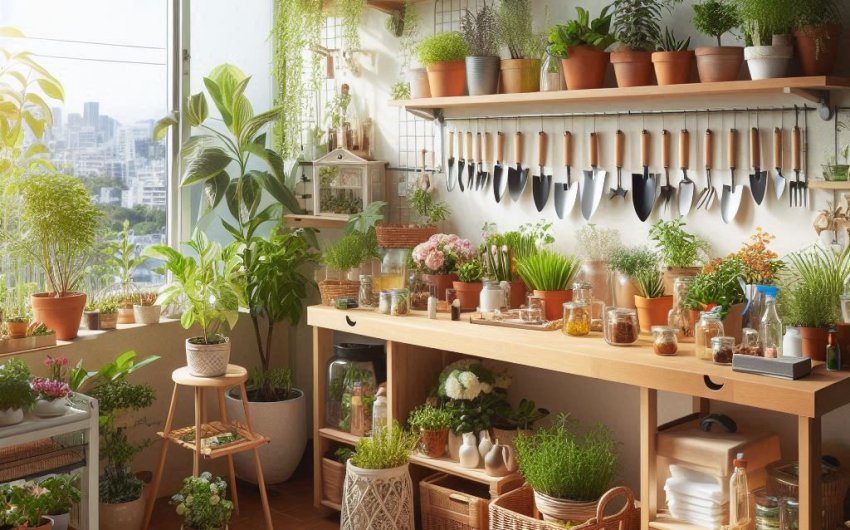
Why do I need indoor plant care made simple?
You’ve seen them: those beautiful, thriving houseplants gracing Instagram feeds and stylish homes. You bring one home, full of hope, only to watch its leaves droop, turn yellow, or mysteriously die. It feels like a secret club, right? You want that lush greenery, that touch of nature, that air-purifying magic, but the fear of killing another plant holds you back. The good news is, indoor plant care made simple is absolutely possible! You don't need a green thumb or hours of free time.
This guide is your roadmap to stress-free plant parenting. We’ll break down the essentials, showing you how to choose the right plants for your lifestyle and space, and how to understand their basic needs without overcomplicating things. Forget the jargon and the endless rules. By focusing on simple, effective strategies, you'll discover that nurturing houseplants can be a relaxing, rewarding part of your life, not a dreaded chore. Get ready to transform your living space with vibrant, healthy plants that genuinely flourish.
What makes indoor plant care seem complicated (and how we'll simplify it)?
Many people feel overwhelmed by indoor plant care. It seems like there are endless rules, secret tricks, and a constant threat of plant death. Let's tackle why it feels complicated and how we’re going to make it easy.
Too much conflicting information
One article says water daily, another says water once a month. One friend swears by misting, another says it causes fungus. The sheer volume of advice can be paralyzing.
- Simple Solution: We'll focus on universal principles that apply to most common houseplants, emphasizing observation over strict rules. We'll simplify the core needs so you know what truly matters.
Fear of killing plants
No one wants to be a plant killer! The guilt of a wilting leaf can be real.
- Simple Solution: We’ll highlight the most common killer (overwatering!) and give you foolproof methods to avoid it. We’ll also recommend super resilient plants that are incredibly forgiving of beginner mistakes.
Not enough time or a busy schedule
Life is hectic. Who has time for daily plant rituals?
- Simple Solution: This guide is specifically for simplifying indoor plant care. We'll focus on indoor plant care made simple that fits into even the busiest schedule, minimizing tasks while maximizing plant health.
Overcomplicating basic needs
New gardeners sometimes think plants need complex fertilizers, special gadgets, or constant attention.
- Simple Solution: We'll strip it back to the absolute essentials: light, water, and drainage. These are 90% of the battle. Advanced techniques are for later, once you've mastered the basics.
Not understanding plant signals
Plants communicate through their leaves, stems, and soil. Yellowing, drooping, browning – these are all messages. If you don't know the language, it's hard to help.
- Simple Solution: We'll teach you the most common plant signals and their quick, easy fixes, so you can respond confidently and save your plant.
By breaking down these perceived complexities, you'll see that indoor plant care made simple isn't a myth – it's an achievable reality for anyone!
The golden rules of indoor plant care made simple
Forget everything you think you know. These are the core principles that will guide your stress-free plant care routine and ensure your houseplants thrive.
Rule 1: The Right Plant in the Right Place (Light is Everything!)
This is the most fundamental rule. You can't force a plant to be happy where it doesn't belong.
- Assess Your Light First: Before buying any plant, look at your home's natural light.
- Bright, Direct Light: Sunny windows that get unfiltered sun for several hours (usually south or west-facing). Few houseplants love this unless they're succulents or cacti.
- Bright, Indirect Light: This is the sweet spot for most houseplants. Near a sunny window but not in direct sun, or a few feet back from a south/west window. Often found near east or north-facing windows.
- Medium Light: Rooms with windows but where the plant isn't directly beside it. Enough light to comfortably read.
- Low Light: Corners far from windows, rooms with small windows, or north-facing rooms with no direct sun.
- Match Plant to Light: Only buy plants that are specifically suited for the light you have. Don't fall in love with a sun-worshipper if all you have is a dim corner. This immediately reduces stress for both you and the plant.
Rule 2: Master the "Finger Test" for Watering (No More Schedules!)
Overwatering is the #1 killer of houseplants. Forget watering every "X" days. Your plants' needs change with seasons, pot size, light, and humidity.
- The Method: Stick your finger 1-2 inches deep into the soil.
- If it feels dry, it's likely time to water.
- If it still feels moist, wait a few more days.
- Know Your Plant's Thirst Level:
- Drought-Tolerant (e.g., Snake Plant, ZZ Plant, Succulents): Let the soil dry out completely from top to bottom before watering again. These can go for weeks!
- Moderately Thirsty (e.g., Pothos, Philodendron, Spider Plant): Let the top 1-2 inches of soil dry out.
- Thirsty (e.g., Peace Lily): Water when the top inch is dry or when leaves just start to visibly droop (they'll tell you!).
- Water Thoroughly, Then Drain: When you water, water until excess liquid drains freely from the bottom of the pot. This ensures all roots get hydrated.
- NEVER Let It Sit in Water: Empty any standing water from the saucer within 15-30 minutes. Sitting in soggy soil leads to root rot.
This simple change in watering habit will transform your indoor plant care.
Rule 3: Drainage Holes are Non-Negotiable!
Seriously. If your pot doesn't have a hole, your plant is doomed to eventually drown.
- Direct Planting: If you plant directly into a decorative pot, it MUST have a drainage hole.
- The "Nursery Pot" Trick: If you love a pretty pot without holes, buy a slightly smaller plastic nursery pot with holes (Plastic Nursery Pots with Drainage Holes). Plant your houseplant in the nursery pot, then nest it inside your decorative pot. When it's time to water, lift the nursery pot out, water thoroughly over a sink, let it drain completely, then put it back in the decorative pot. This is indoor plant care made simple for pot choices!
- Right Potting Mix: Use a good quality, well-draining indoor potting mix (Miracle-Gro Indoor Potting Mix). Avoid garden soil or heavy, dense mixes that hold too much water.
Good drainage is the foundation of healthy roots.
Rule 4: Fertilize Sparingly (Less is More!)
Most houseplants, especially the easy-care ones, don't need a lot of food.
- Only During Growth: Fertilize only during the active growing season (spring and summer). Reduce or stop completely in fall and winter when plants are resting.
- Diluted Strength: Use a liquid indoor plant food (Schultz Liquid Plant Food) at half (or even quarter) the recommended strength.
- Slow-Release Option: For ultimate ease, consider mixing a slow-release granular fertilizer (Osmocote Smart-Release Plant Food) into the soil once or twice a year.
Over-fertilizing can "burn" roots and do more harm than good.
Rule 5: Occasional Clean-Up and Inspection
These quick tasks prevent small problems from becoming big ones.
- Dusting: Gently wipe down leaves with a damp cloth every few weeks. Dust blocks light and can hide pests.
- Pruning: Use clean Fiskars Softgrip Pruning Shears to snip off any yellow, brown, or dead leaves. This keeps your plant tidy and directs its energy to new growth.
- Pest Check: While dusting, quickly scan the top and bottom of leaves for any tiny bugs, sticky residue, or webbing. Early detection makes pest treatment simple.
By focusing on these five golden rules, indoor plant care made simple becomes your reality, ensuring a beautiful, thriving indoor garden.
Top low-maintenance indoor plants for simple care
These are the unsung heroes of the plant world, perfect for anyone who wants greenery without the high demands. They truly exemplify indoor plant care made simple.
1. Snake Plant (Sansevieria trifasciata)
- Why it's easy: Tolerates severe neglect, low light, and extremely infrequent watering. Almost impossible to kill by underwatering.
- Looks: Stiff, upright, sword-like leaves, often variegated. Adds a modern, architectural touch.
- Perfect for: Beginners, busy schedules, low-light corners, bedrooms.
- Air Purifier: Yes.
2. ZZ Plant (Zamioculcas zamiifolia)
- Why it's easy: Stores water in rhizomes, meaning it can go weeks, even months, without water. Thrives on neglect. Tolerates very low light.
- Looks: Glossy, dark green, waxy leaves that grow along thick, upright stems. Very sleek and clean.
- Perfect for: Dim offices, hallways, forgetful waterers.
- Air Purifier: Yes.
3. Pothos (Epipremnum aureum)
- Why it's easy: Extremely forgiving of inconsistent watering (will droop when thirsty but perk right up). Adapts to various light levels. Fast growing and easy to propagate.
- Looks: Trailing vines with heart-shaped leaves, available in various variegations (golden, marble queen, neon).
- Perfect for: Hanging baskets, shelves, high places where vines can cascade.
- Air Purifier: Yes.
A Live Golden Pothos Plant is a classic choice for bringing easy beauty.
4. Spider Plant (Chlorophytum comosum)
- Why it's easy: Tolerates some neglect, flexible with light, and produces adorable "spiderettes" (baby plants) that are fun to propagate.
- Looks: Arching, variegated green and white (or cream) leaves, often in a rosette form, with baby plantlets dangling.
- Perfect for: Hanging baskets, shelves, adding a retro vibe.
- Air Purifier: Yes.
A Spider Plant Hanging Basket adds a cheerful, cascading element.
5. Cast Iron Plant (Aspidistra elatior)
- Why it's easy: The name says it all – incredibly tough. Tolerates very low light, drought, temperature swings, and rough handling.
- Looks: Upright, dark green, leathery leaves that are highly durable. Classic, understated elegance.
- Perfect for: Truly dim spots where nothing else survives, entryways, under stairs.
- Air Purifier: Yes.
6. Peace Lily (Spathiphyllum)
- Why it's easy: Communicates its thirst by dramatically drooping (then quickly perks up after watering). Tolerates medium to low light. Produces beautiful white "flowers" (modified leaves).
- Looks: Lush, dark green foliage with elegant white spathes.
- Perfect for: Adding a touch of elegance to living rooms, bedrooms, or offices.
- Air Purifier: Yes.
A Peace Lily Plant brings beauty and easy care.
7. Succulents (various types, e.g., Haworthia, Echeveria, Aloe)
- Why it's easy: Extremely drought-tolerant due to water-storing leaves. Require very infrequent watering.
- Looks: Incredible variety of shapes, sizes, and colors. From rosettes to spikes.
- Perfect for: Sunny windowsills, terrariums, small decorative arrangements.
- Important Note: Their main requirement is bright light and very infrequent watering. Overwatering is their quick demise.
A Succulent Plant Assortment lets you explore many unique types.
Common mistakes to avoid (and how to easily fix them)
Understanding these common pitfalls is part of indoor plant care made simple. Knowing what to avoid (and how to fix it quickly) reduces your stress.
Mistake 1: Overwatering (The #1 Killer!)
- Signs: Yellowing leaves (especially lower ones), soft/mushy stems, foul odor from soil, tiny flying fungus gnats.
- Simple Fix: Stop watering immediately! Let the soil dry out completely. If the soil is soaking wet and smells, gently unpot the plant, remove soggy soil, let roots air dry for a day, and repot into fresh, dry, well-draining soil. Adjust your watering habits using the "finger test."
Mistake 2: Not Enough Light (The Silent Killer)
- Signs: Leggy, stretched-out growth; small, sparse leaves; new leaves are smaller than old ones; variegation fades; plant leaning dramatically towards a window.
- Simple Fix: Move the plant to a brighter location (closer to a window, but avoiding scorching direct sun). If natural light is genuinely insufficient, consider adding an LED Grow Light Bulb in a nearby lamp. Rotate the plant regularly for even light.
Mistake 3: Improper Drainage
- Signs: Water pooling in the pot or saucer; constant soggy soil despite infrequent watering; yellowing leaves; general decline.
- Simple Fix: ALWAYS use a pot with drainage holes. If your decorative pot doesn't have one, use the "nursery pot inside" trick. Repot into fresh, well-draining potting mix.
Mistake 4: Over-Fertilizing
- Signs: Brown or crispy leaf tips/edges, white crust on soil surface, stunted growth.
- Simple Fix: Flush the soil thoroughly with plain water (letting it drain completely) to wash out excess salts. Stop fertilizing for several months. Remember to fertilize only during growing season and at diluted strength.
Mistake 5: Ignoring Pests Until It's Too Late
- Signs: Sticky residue on leaves/stems, tiny webs, cottony masses, small crawling bugs on leaves or soil.
- Simple Fix: Isolate the affected plant. For small infestations, wipe leaves with a damp cloth or cotton swab dipped in rubbing alcohol. For larger issues, spray with insecticidal soap (Bonide Insecticidal Soap) or neem oil (Captain Jack's Neem Oil), following product directions. Repeat treatments as needed.
By focusing on prevention and knowing these quick fixes, you'll find indoor plant care made simple is not only possible but genuinely enjoyable!
Top accessories for indoor plant care made simple
Having the right tools makes all the difference in making indoor plant care truly simple and stress-free. These are not complicated gadgets, just smart helpers.
1. Soulgenie Soil Moisture Meter
- Why it's essential: Takes all the guesswork out of watering, which is the #1 stress point for plant parents. It accurately tells you if the soil is dry, moist, or wet.
- How it helps: Prevents both overwatering and underwatering, giving you confidence and saving your plants.
- Soulgenie Soil Moisture Meter
2. Fiskars Softgrip Pruning Shears
- Why it's essential: Clean cuts are crucial for plant health when removing dead leaves or shaping. Dull scissors can damage stems.
- How it helps: Makes quick work of trimming, keeping your plants tidy and healthy with minimal effort.
- Fiskars Softgrip Pruning Shears
3. Miracle-Gro Indoor Potting Mix
- Why it's essential: Standard garden soil is too heavy for pots and holds too much water. A good indoor mix ensures proper drainage and aeration.
- How it helps: Provides the ideal foundation for healthy root growth, preventing common issues caused by poor soil.
- Miracle-Gro Indoor Potting Mix
4. Plastic Nursery Pots with Drainage Holes
- Why it's essential: Allows you to use ANY decorative pot you love, while guaranteeing essential drainage for your plant's health.
- How it helps: Eliminates the stress of finding decorative pots with holes, preventing root rot, and making watering clean and easy (just lift out the plant, water, drain, and replace!).
- Plastic Nursery Pots with Drainage Holes
5. Bonsai Watering Can with Long Spout
- Why it's essential: A long, slender spout allows for precise watering at the soil level, avoiding splashing leaves and decorative elements.
- How it helps: Makes watering quick, clean, and effective, especially for plants with dense foliage or those in high places.
- Bonsai Watering Can
6. LED Grow Light Bulb
- Why it's essential: For spaces with genuinely low natural light, even the most tolerant plants will benefit from a boost.
- How it helps: Provides the necessary light spectrum for plant growth without taking up much space. Just screw it into a standard lamp fixture.
- LED Grow Light Bulb
With these key tools and a simplified understanding of plant needs, indoor plant care made simple will transform your home into a thriving green sanctuary, no "green thumb" required!