
How to Keep Houseplants Alive with a Busy Schedule: The Ultimate Guide
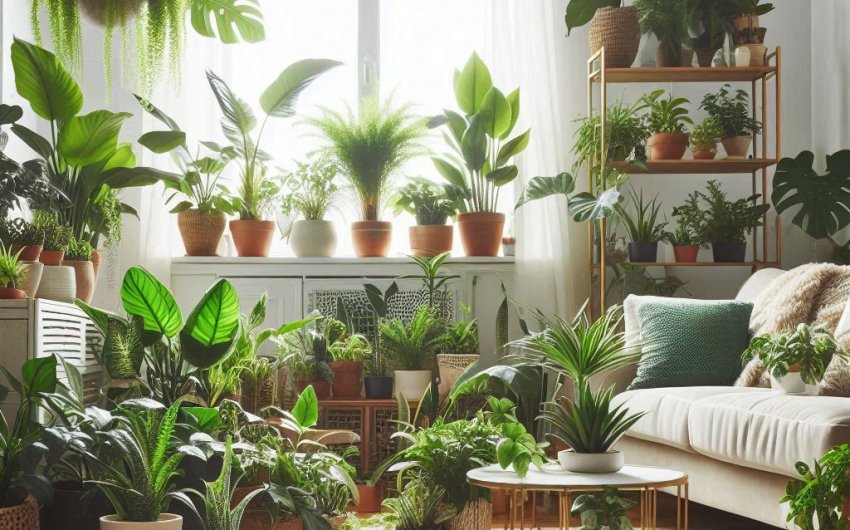
Why do I need to know how to keep houseplants alive with a busy schedule?
You love the idea of transforming your living space with vibrant greenery. Plants bring life, freshness, and a calming presence that can make any home feel more inviting. But then reality hits: your packed workdays, weekend commitments, and general hectic schedule leave you little time for consistent plant care. The fear of killing yet another plant might be stopping you from embracing the joy of indoor gardening. If you've ever wondered how to keep houseplants alive with a busy schedule, you're in the right place!
This guide is designed for real life – for professionals, students, parents, or anyone who craves green serenity without adding more stress to their already full plate. It's about smart choices and simple strategies that make plant care effortless, not a burden. We'll show you how to select the right plants and implement a routine that fits your lifestyle, ensuring your houseplants don't just survive, but truly thrive, bringing you all their benefits without demanding all your time. Get ready to cultivate a lush indoor oasis, even with your busiest days.
What makes houseplant care challenging for busy people?
Understanding the common pitfalls for busy individuals is the first step to overcoming them. It's not a lack of caring; it's a lack of time and consistent attention.
Inconsistent watering schedules
This is probably the biggest challenge. A plant might need water every 7-10 days, but your schedule might mean you remember on day 5 one week, and day 12 the next. This inconsistency can stress plants, leading to either overwatering (if you water too soon) or underwatering (if you wait too long). Many common houseplants simply can't tolerate these swings.
Lack of consistent light exposure
Busy lifestyles often mean less time to observe specific light patterns throughout the day or adjust plants as seasons change. A plant might be fine in its spot in winter, but get scorched by direct sun in summer. Or a plant needing bright light might be stuck in a dim corner simply because that's where it fit best in the decor.
Forgetting about basic maintenance
Beyond watering, plants need occasional checks for pests, dusting of leaves, or minor pruning. When you're constantly rushing, these small but important tasks get pushed aside until a minor issue becomes a major problem.
Fear of repotting or tackling bigger issues
The idea of repotting a plant, dealing with a pest infestation, or diagnosing a serious problem can feel overwhelming for someone short on time. This leads to problems compounding, making the plant look unhealthy and eventually die.
Choosing the wrong plants for their lifestyle
Often, people buy a beautiful plant without researching its care needs. They might pick a high-maintenance, humidity-loving plant for a dry, inconsistent environment, leading to quick disappointment. The key to how to keep houseplants alive with a busy schedule starts with choosing the right varieties.
Lack of immediate feedback from plants
Unlike a pet that will bark or meow when hungry, plants give subtle cues that are easy to miss when you're busy. By the time the leaves are visibly drooping or yellow, the plant might already be stressed, making it harder to revive.
Strategies for keeping houseplants alive with a busy schedule
The good news is, you absolutely can have beautiful houseplants even with a jam-packed schedule. It's all about smart strategies and focusing on what truly matters.
1. Choose the right plants (the ultimate secret!)
This is the most crucial step. Start with plants that are naturally resilient and forgiving. Think of them as the "set it and forget it" models of the plant world.
- Drought-Tolerant Superstars: Snake Plant (Sansevieria), ZZ Plant (Zamioculcas zamiifolia), Pothos, Spider Plant, Cast Iron Plant, and most succulents are incredibly forgiving of missed waterings.
- Light Adaptable: These plants often thrive in bright, indirect light but can also tolerate lower light conditions without major issues.
- Pest Resistant: They're generally less prone to common houseplant pests, meaning less pest management for you.
Seriously, if you're asking how to keep houseplants alive with a busy schedule, start by filling your home with these hardy heroes.
2. Master the "Finger Test" for Watering (No More Schedules!)
Forget watering on a specific day. Your plant's needs change based on light, temperature, humidity, and time of year.
- The Simple Method: Stick your finger 1-2 inches deep into the soil. If it feels dry, it's time to water. If it feels moist, wait. For very drought-tolerant plants (Snake, ZZ, Succulents), wait until the soil is dry all the way down to the bottom.
- Use a Moisture Meter: For extra assurance, a simple Soil Moisture Meter can take the guesswork out. Just insert the probe into the soil and read the dial.
- Water Thoroughly (and Drain!): When you do water, water until it flows out the drainage holes. This ensures all the roots get a drink. Crucially, discard any standing water in the saucer after 15-30 minutes. Soggy roots are the #1 killer.
This method prevents both overwatering and underwatering, reducing stress for you and your plants.
3. Ensure Excellent Drainage (Non-Negotiable!)
This goes hand-in-hand with watering. If water can't escape, your plant's roots will drown.
- Pots with Holes: Always use pots that have drainage holes at the bottom.
- Inner Pot Trick: If you love a decorative pot that doesn't have holes, place your plant in a slightly smaller plastic nursery pot (with holes!) (Plastic Nursery Pots with Drainage Holes) and then nest that inside your pretty pot. After watering, simply lift out the inner pot, let it drain completely into the sink, and then place it back in the decorative pot. This is a game-changer!
- Quality Potting Mix: Use a good quality, well-draining indoor potting mix (Miracle-Gro Indoor Potting Mix). Avoid garden soil, which compacts and retains too much moisture.
4. Optimize Lighting (Even If It's "Low")
While forgiving, providing adequate light will make your plants happier and healthier.
- Bright, Indirect is Best: Most houseplants thrive here. Place them near a window but out of direct, harsh sun that can scorch leaves.
- Rotate Periodically: If you can, turn your plants a quarter turn every week or two. This helps ensure even growth and prevents them from becoming leggy on one side.
- Clean Leaves: Dust can block sunlight. Every few weeks, gently wipe down your plant's leaves with a damp cloth to keep them clean and maximize light absorption.
- Consider a Grow Light: If your space is truly dim, a simple LED Grow Light Bulb screwed into a regular lamp can provide the extra light your plants need to flourish, even the low-light tolerant ones.
5. Fertilize Minimally
Low-maintenance plants are generally not heavy feeders.
- Spring & Summer Only: Only fertilize during their active growing season (spring and summer). Plants rest in fall and winter and don't need feeding.
- Diluted Strength: Use a liquid indoor plant food (Schultz Liquid Plant Food) at half (or even quarter) the recommended strength. Less is more.
- Slow-Release: For ultimate ease, a slow-release granular fertilizer (Osmocote Smart-Release Plant Food) can be applied once or twice a year.
Over-fertilizing can burn roots and do more harm than good.
6. Regular (but Quick) Health Checks
Integrate a super quick plant check into your schedule, maybe during your morning coffee or while winding down in the evening.
- The "Walk By" Check: Simply glance at your plants. Do they look vibrant? Any yellowing, drooping, or crispy spots?
- Pest Scan: Quickly check the top and bottom of a few leaves every couple of weeks for any signs of tiny bugs or sticky residue. Early detection is key to easy pest management.
- Quick Snip: Use small Fiskars Softgrip Pruning Shears to snip off any yellow or dead leaves you spot. This keeps your plant looking tidy and healthy.
These small, consistent actions prevent minor issues from becoming major problems, saving you time and stress in the long run.
Troubleshooting common houseplant problems for the busy professional
Even with the best plants and strategies, sometimes issues pop up. Knowing quick fixes for common problems means you don't have to spend hours researching or panicking. This is all part of how to keep houseplants alive with a busy schedule.
Problem: Leaves turning yellow
- Likely Cause: Overwatering (most common). Soil is too wet, roots can't breathe. Or, sometimes, underwatering if leaves are also crispy.
- Quick Fix: If soil is soggy, stop watering immediately and let it dry out completely. Ensure good drainage. If soil is dry and crispy, water thoroughly. Also, occasionally, a few lower leaves yellow as part of the plant's natural life cycle, which is normal.
Problem: Plant drooping or wilting
- Likely Cause: Underwatering. Your plant is thirsty!
- Quick Fix: Check the soil. If dry, give it a good, thorough watering. Most plants will perk up within a few hours. If the soil is wet and it's still drooping, it could be serious overwatering/root rot – consider unpotting and letting roots air dry, then repotting into fresh, dry soil.
Problem: Brown, crispy leaf tips or edges
- Likely Cause: Low humidity (very common in heated or air-conditioned homes), underwatering, or too much direct sunlight.
- Quick Fix: If your air is dry, try grouping plants together or placing the pot on a pebble tray with water (plant sits above water, not in it). Re-evaluate your watering schedule to ensure consistency. Move plant away from direct sun if it's scorching.
Problem: Plant stretching out and looking "leggy"
- Likely Cause: Not enough light. The plant is desperately reaching for a light source.
- Quick Fix: Move the plant to a brighter location, ideally one with bright, indirect light. You can also prune back the leggy growth to encourage a bushier shape, but new growth will still be stretched if the light situation isn't improved.
Problem: Tiny flying bugs around the soil (fungus gnats)
- Likely Cause: Overwatering and constantly moist soil. Fungus gnats lay eggs in damp soil.
- Quick Fix: Let the soil dry out completely between waterings. This is the best long-term solution as it kills off their breeding ground. You can also use yellow sticky traps (Gnat Traps for Houseplants) to catch the adult flies.
By understanding these common plant signals and having simple, go-to solutions, you can handle most houseplant issues quickly, ensuring your green friends stay healthy without disrupting your busy life.
Top recommendations for busy professionals to keep houseplants alive
Equipping yourself with the right plants and tools is the ultimate strategy for how to keep houseplants alive with a busy schedule. Here are our top picks for a successful, low-stress indoor garden.
Top Houseplant Picks for Busy Schedules:
- Live Sansevieria Trifasciata Laurentii (Snake Plant): An absolute champion of neglect. The Live Sansevieria Trifasciata Laurentii Snake Plant thrives on very infrequent watering and adapts to a vast range of light conditions, from low to bright indirect. Its architectural form makes a striking, modern statement in any office or home.
- Live ZZ Plant (Zamioculcas Zamiifolia): Often called the "eternity plant" for good reason. The Live ZZ Plant is incredibly drought-tolerant, storing water in its rhizomes, and flourishes in low light, making it perfect for busy professionals or those with dimly lit spaces. Its glossy, dark green leaves always look polished.
- Live Golden Pothos Plant (Epipremnum Aureum): A highly versatile and forgiving vining plant. The Live Golden Pothos Plant tolerates inconsistent watering and various light levels. Its cascading vines are ideal for adding vibrant greenery to shelves, desks, or hanging baskets, effortlessly enhancing any professional's environment.
Essential Tools and Accessories for Busy Professionals:
- Soulgenie Soil Moisture Meter: This is your indispensable ally in watering. A Soil Moisture Meter eliminates guesswork, telling you precisely when your plants need a drink, preventing the common pitfalls of both over and underwatering that plague busy individuals.
- Fiskars Softgrip Pruning Shears: For quick, clean snips that maintain your plants' health and appearance. The Fiskars Softgrip Pruning Shears are comfortable and efficient, making light pruning tasks fast and easy, perfect for those with limited time.
- Miracle-Gro Indoor Potting Mix: The right foundation is key for healthy roots. The Miracle-Gro Indoor Potting Mix is specifically formulated for excellent drainage, which is crucial for preventing root rot in busy schedules.
- Plastic Nursery Pots with Drainage Holes (various sizes): These allow you to pair any decorative outer pot with proper plant health. A set of Plastic Nursery Pots with Drainage Holes ensures essential drainage, making watering foolproof and protecting your stylish planters from leaks.
- Bonsai Watering Can with Long Spout: Precision watering reduces mess and ensures water goes exactly where it's needed – the soil. A Bonsai Watering Can makes quick work of watering, preventing soggy leaves and promoting healthy plant growth without added hassle.
- LED Grow Light Bulb: If your space is dim, even for the most forgiving plants, a LED Grow Light Bulb can provide the necessary light without taking up much space. Simply screw it into a standard lamp for a boost of light that will help your houseplants thrive.