
Stress-Free Plant Care Routine: Keep Your Plants Happy, Keep Your Sanity Intact
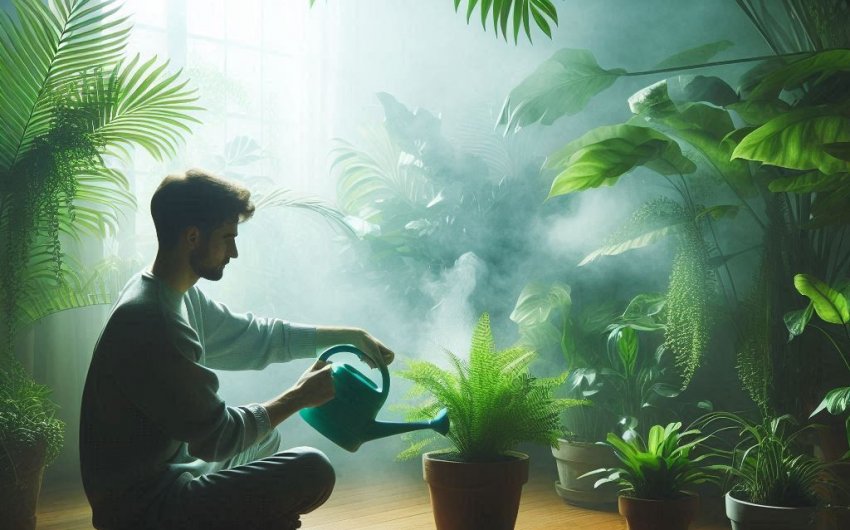
Why do I need a stress-free plant care routine?
You love the idea of a home filled with lush, vibrant greenery. Plants bring life, purify the air, and add a touch of natural beauty that can transform any space. But let's be honest: the reality of plant care can sometimes feel overwhelming. Fear of killing your leafy friends, confusion over watering schedules, or simply not enough time in your busy day can turn the joy of plant ownership into a source of stress. You want thriving plants, not a green graveyard! That's why you need a stress-free plant care routine.
This isn't about ignoring your plants; it's about simplifying the process, understanding what truly matters, and choosing methods that fit seamlessly into your life. A well-designed plant care routine frees you from constant worry, helps you interpret your plants' needs, and ensures they flourish with minimal fuss. It transforms plant care from a chore into a calming, rewarding part of your day, allowing you to truly enjoy the benefits of your indoor oasis. Get ready to cultivate happy plants and even happier you!
What makes a plant care routine "stress-free"?
A truly stress-free plant care routine is built on simplicity, consistency, and a deep understanding that plants don't need constant pampering to thrive. It’s about working with your plants and your schedule, not against them.
It's based on observation, not strict schedules
The biggest mistake many new plant parents make is sticking to a rigid watering schedule (e.g., "water every Wednesday"). A stress-free plant care routine teaches you to listen to your plants and feel their soil. Watering only when needed, rather than by the calendar, is the secret to preventing overwatering, the number one killer of houseplants. This reduces worry and caters to the plant's actual needs, which change with seasons and conditions.
It focuses on the basics that truly matter
You don't need a botany degree or a dozen fancy gadgets. A stress-free routine zeros in on the few critical elements: proper watering, adequate light, good drainage, and occasional cleaning. Mastering these fundamentals solves about 90% of all houseplant problems. Forget complex fertilizing schedules or daily misting (unless a specific plant truly demands it).
It encourages forgiveness and resilience
Life gets busy. You'll forget to water sometimes, or a plant might get a little less light than ideal. A stress-free routine means choosing plants that are forgiving of occasional neglect (we'll cover these later!) and knowing that most minor issues can be easily corrected without permanent damage. It's about letting go of perfectionism and embracing the journey of learning.
It involves minimal, impactful tasks
Rather than daily fussing, a stress-free routine means doing a few simple, high-impact tasks. This might be a quick soil check once a week, a monthly leaf wipe, or a seasonal pest inspection. These tasks are designed to be quick, effective, and to provide maximum benefit to your plants without demanding too much of your time or energy.
It teaches you to interpret your plant's signals
Plants communicate! Yellow leaves, drooping stems, crispy edges – these are all signals. A stress-free routine helps you learn these visual cues so you can quickly diagnose common problems and provide the right solution, rather than guessing or panicking. This empowered approach builds confidence and reduces anxiety.
It fits into your existing lifestyle
Ultimately, a stress-free plant care routine is one you can actually stick to. It acknowledges that you have a life outside of plant care. It's about finding ways to integrate plant needs into your natural rhythm, whether that's a quick check-in while you're having your morning coffee or a slightly longer session on a lazy Sunday. It's all about making plant care enjoyable, not a chore.
The core pillars of a stress-free plant care routine
To simplify plant care and make it enjoyable, focus on these fundamental principles. Master these, and your plants will flourish.
1. The Right Plant in the Right Place: Location, Location, Location!
This is where stress-free plant care truly begins. Trying to force a sun-loving plant into a dark corner, or a humidity-loving plant into a dry room, is a recipe for disaster and frustration.
- Assess Your Light: Before buying a plant, look at your home's light.
- Bright, Direct Light: South-facing windows, often intense.
- Bright, Indirect Light: North-facing windows, or a few feet back from a south/east/west window. This is ideal for most houseplants.
- Medium Light: Rooms with windows but not directly in front of them.
- Low Light: Corners far from windows, rooms with very small windows.
- Match Plants to Light: Choose plants that naturally thrive in the light conditions you can provide. Don't fight it! A low-light tolerant plant like a Snake Plant or ZZ Plant will be much happier in a dim spot than a sun-worshipping Succulent.
- Consider Humidity and Temperature: Most homes have average humidity (30-50%) and comfortable room temperatures. Stick to plants that are happy in these conditions unless you're willing to run a humidifier.
Starting with the right plant for your environment prevents countless problems down the line.
2. Master the "Feel the Soil" Watering Method
Forget calendars. Your finger is your best watering tool.
- The Finger Test: Before watering, stick your finger (or a moisture meter like the Soulgenie Soil Moisture Meter) 1-2 inches deep into the soil.
- Dry to the touch? Time to water.
- Still damp? Wait a few more days.
- Know Your Plant's Preference:
- Drought-Tolerant (Snake Plant, ZZ Plant, Succulents): Let the soil dry out completely (all the way down) between waterings.
- Moderately Thirsty (Pothos, Philodendron, Spider Plant): Let the top 1-2 inches dry out.
- Thirsty (Peace Lily): Water when the top inch is dry or when leaves just start to droop.
- Water Thoroughly: When you do water, water until excess drains from the bottom of the pot. This ensures all roots get hydrated.
- Always Use Drainage Holes: This is critical. Excess water must drain away. If your decorative pot has no holes, put your plant in a plastic nursery pot with holes (Plastic Nursery Pots with Drainage Holes) and place it inside the decorative pot. After watering, remove the inner pot, let it drain completely, then place it back.
Overwatering is the number one plant killer; learning to feel the soil prevents this.
3. Provide Proper Drainage and Potting Mix
Your plant's roots need both water and air.
- Drainage Holes: Cannot stress this enough. Without them, water pools at the bottom, suffocating roots and leading to rot.
- Well-Draining Potting Mix: Use a high-quality indoor potting mix (Miracle-Gro Indoor Potting Mix). Avoid heavy garden soil or soil from your outdoor yard, as it compacts easily and can harbor pests.
- No Gravel Layer: Putting gravel at the bottom of a pot without drainage holes actually makes drainage worse, creating a "perched water table" that keeps roots soggy.
Good soil and drainage mean healthy roots, and healthy roots mean a happy plant.
4. Simple Feeding: Less is More
Most low-maintenance indoor plants don't need a lot of fertilizer.
- Only During Growing Season: Fertilize only in spring and summer when plants are actively growing. Reduce or stop completely in fall and winter.
- Diluted Strength: Use a liquid indoor plant food (Schultz Liquid Plant Food) at half the recommended strength, or even less, for low-maintenance plants.
- Slow-Release Option: For ultimate ease, consider a slow-release granular fertilizer (Osmocote Smart-Release Plant Food) applied once every few months.
Over-fertilizing is much more harmful than under-fertilizing.
5. Regular (but Quick) Health Checks
Integrate a quick plant check into your routine once a week or every other week.
- Quick Scan: Take a moment to look at your plants. Are the leaves green and perky? Any discoloration? Any pests?
- Wipe Leaves: Gently wipe down leaves with a damp cloth to remove dust. Dust blocks light and can hide pests.
- Remove Dead Leaves: Snip off any yellow or dead leaves with clean pruning shears (Fiskars Softgrip Pruning Shears). This keeps your plant tidy and directs energy to new growth.
These quick checks prevent small issues from becoming big problems.
Troubleshooting common issues for a stress-free approach
Even with a great routine, plants can have a bad day. Learn to quickly "read" your plant's signals and provide a simple fix without panicking. This is a core part of a truly stress-free plant care routine.
Problem: Yellowing leaves
- Diagnosis: Most often, overwatering. The soil is likely staying wet for too long, suffocating the roots. It can also be a sign of underwatering if the leaves are also crispy.
- Stress-Free Fix: Check the soil moisture immediately. If it's wet, stop watering and let it dry out completely. Ensure good drainage. If crispy and dry, it's underwatering – give it a thorough drink. Occasionally, a few lower leaves yellow and drop as part of the plant's natural life cycle, which is normal.
Problem: Drooping or wilting leaves
- Diagnosis: If the soil is dry, this is a classic sign of underwatering. Your plant is thirsty! If leaves are also soft and mushy, it could be severe overwatering and root rot.
- Stress-Free Fix: If dry, water thoroughly. The plant should perk up within a few hours. If soggy, see the overwatering fix (let dry or repot).
Problem: Brown, crispy tips or edges on leaves
- Diagnosis: Common causes are low humidity (especially in dry winter homes), underwatering, or sometimes too much direct sunlight.
- Stress-Free Fix: Check your watering consistency. If humidity is low, try misting the plant occasionally, or place its pot on a pebble tray filled with water (make sure the pot sits above the water, not in it). Move the plant out of direct, harsh sun if it's currently exposed.
Problem: Stunted or leggy growth
- Diagnosis: Your plant is not getting enough light. It's stretching its stems out to try and find more light.
- Stress-Free Fix: Move the plant to a brighter location (closer to a window or under a grow light bulb). You can prune back the leggy parts to encourage bushier growth, but new growth will still be stretched if light isn't improved.
Problem: Small flying bugs (fungus gnats) around the soil
- Diagnosis: This almost always indicates overwatering. Fungus gnats thrive in constantly moist, organic-rich soil.
- Stress-Free Fix: Let the soil dry out completely between waterings. These tiny flies won't have anywhere to lay their eggs if the soil is dry. You can also use sticky traps (Gnat Traps for Houseplants) to catch the adults and reduce their population.
By learning to quickly identify and address these common issues with these simple fixes, you'll reduce plant stress (and your own!), keeping your indoor garden healthy and beautiful.
Top recommendations for your stress-free plant care routine
Building a truly stress-free plant care routine involves not just choosing the right plants, but also having the right tools to make care effortless. Here are some top recommendations for plants and essential accessories.
Top Stress-Free Plant Picks:
- Live Snake Plant (Sansevieria Trifasciata Laurentii): The epitome of low-maintenance. The Live Sansevieria Trifasciata Laurentii Snake Plant thrives on neglect, tolerates a huge range of light conditions, and is incredibly forgiving of forgotten waterings. Its striking upright form adds modern elegance to any space.
- Live ZZ Plant (Zamioculcas Zamiifolia): Almost impossible to kill. The Live ZZ Plant stores water in its rhizomes, allowing it to go for weeks without a drink, and it's perfectly happy in low-light environments. Its glossy, dark green leaves add a sophisticated touch without the fuss.
- Live Golden Pothos Plant (Epipremnum Aureum): Versatile, beautiful, and forgiving. The Live Golden Pothos Plant trails gracefully from shelves or hanging baskets, adapting to various light levels and bouncing back easily from moments of neglect. It's a classic choice for bringing life and movement to your indoor space.
Essential Tools for a Stress-Free Plant Care Routine:
- Soulgenie Soil Moisture Meter: This is your secret weapon for preventing overwatering. The Soulgenie Soil Moisture Meter provides an accurate reading of soil dampness, taking the guesswork out of when to water. No more soggy roots!
- Fiskars Softgrip Pruning Shears: For quick, clean cuts when removing yellowing leaves or tidying up your plants. The Fiskars Softgrip Pruning Shears are comfortable and sharp, making light pruning tasks effortless and helping to keep your plants healthy and looking their best.
- Miracle-Gro Indoor Potting Mix: The right soil is foundational. The Miracle-Gro Indoor Potting Mix is formulated for excellent drainage, which is critical for preventing root rot and ensuring your low-maintenance plants have a happy home.
- Plastic Nursery Pots with Drainage Holes (various sizes): These are game-changers for mixing aesthetics with practicality. A set of Plastic Nursery Pots with Drainage Holes allows you to use any decorative pot you love, while still ensuring proper drainage for your plant, preventing overwatering woes.
- Bonsai Watering Can with Long Spout: Precision watering reduces mess and ensures water reaches the soil directly, not splashing on leaves. A Bonsai Watering Can allows for controlled water delivery, making watering quick, clean, and effective for all your indoor plants.