
Best Indoor Plants for Professionals: Greenery Without the Grind
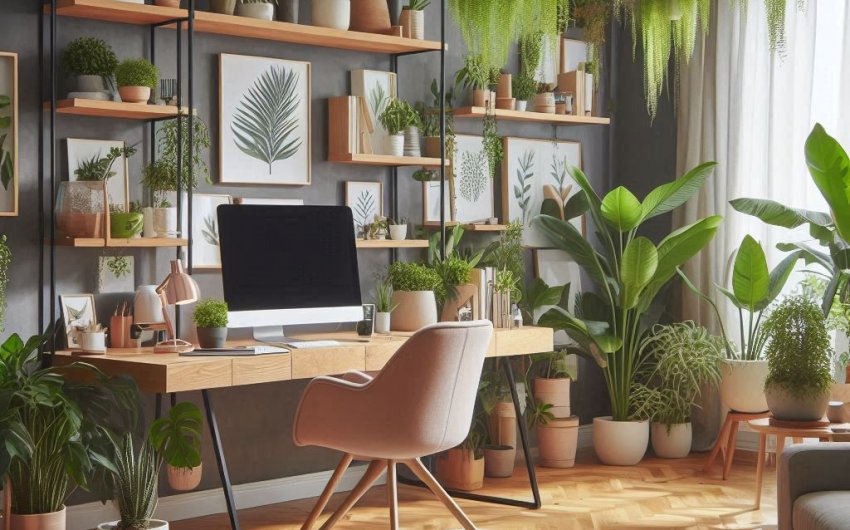
Why do I need the best indoor plants for professionals?
As a busy professional, your days are likely packed with meetings, deadlines, and a constant flow of tasks. The last thing you need is another chore, especially one that wilts and dies if you miss a day. Yet, you crave that touch of nature, the calming green presence that can transform a sterile office or a busy home into a more inviting and refreshing space. That's where the best indoor plants for professionals come in. These are the unsung heroes of the plant world – resilient, forgiving, and beautiful, requiring minimal fuss but offering maximum impact.
Bringing greenery into your workspace or home isn't just about aesthetics; studies show plants can boost productivity, reduce stress, and even improve air quality. But for professionals with demanding schedules, the key is finding plants that thrive on neglect, not constant attention. This guide is designed to help you discover the best indoor plants for professionals – plants that add vibrant life to your environment without adding to your already overflowing to-do list. Get ready to cultivate a serene and inspiring space, effortlessly.
What makes an indoor plant ideal for busy professionals?
For a plant to truly fit into a busy professional's life, it needs to be more than just "pretty." It needs specific characteristics that ensure its survival and beauty, even when your attention is elsewhere.
Minimal watering requirements
This is paramount. A plant that needs watering every other day is a non-starter. The best indoor plants for professionals can go for extended periods – a week, two weeks, or even longer – between waterings. They typically store water in their leaves, stems, or roots, making them highly drought-tolerant. This means less worry about forgetting a watering session and no drama when you're away for a business trip.
Tolerates varying light conditions
Not every office or home has perfect, bright, indirect light. Many spaces might be dimmer or have inconsistent sunlight throughout the day. Ideal plants for busy individuals are adaptable; they won't get leggy or start dying if they're not in the absolute perfect lighting spot. They are forgiving of medium to low light, and some can even handle a bit of direct sun without scorching.
Forgives occasional neglect
Life happens. Sometimes, you just won't have time to tend to your plants for a week or two. The plants on this list are tough cookies. They won't wilt dramatically or shed all their leaves at the first sign of missed care. They are resilient and bounce back readily when you finally give them a little attention.
Resists common pests and diseases
The last thing a busy professional needs is a full-blown pest infestation requiring daily treatments. The best indoor plants for professionals are naturally robust and less appealing to common houseplant pests like spider mites, mealybugs, or aphids. This means less time on pest patrol and more time on your actual work.
Slow growing or doesn't require frequent repotting
Rapidly growing plants often need yearly repotting to accommodate their expanding root systems. Plants suited for a professional's lifestyle are typically slower growers or are perfectly content being slightly root-bound for a few years. This saves you the time and effort of frequent repotting.
Low pruning needs
Some plants require regular trimming and shaping to maintain their aesthetic. The best indoor plants for professionals either maintain a naturally attractive shape or only need very occasional pruning to remove dead or yellowing leaves, keeping them looking tidy without much effort.
By focusing on these practical characteristics, you can confidently choose plants that truly complement your demanding schedule and enhance your environment.
Top indoor plants perfectly suited for busy professionals
Here's a curated list of the best indoor plants for professionals, known for their remarkable resilience, minimal care needs, and ability to thrive even when you're busy.
1. Snake Plant (Sansevieria trifasciata)
Often called "Mother-in-Law's Tongue," the Snake Plant is virtually indestructible and tops almost every list of easy-care plants. Its upright, architectural leaves make a striking visual statement.
- Care Level: Extremely low.
- Watering: Infrequent. Let soil dry out completely between waterings. Overwatering is its only weakness. Can go weeks without water.
- Light: Very adaptable. Thrives in bright indirect light but tolerates low light conditions remarkably well. Avoid direct, harsh sun.
- Ideal for: Desks, shelves, floor plants, bathrooms, bedrooms. Adds a modern touch.
- Air Purification: Excellent at purifying air, removing toxins like formaldehyde and benzene.
A Sansevieria Cylindrica Snake Plant offers a unique cylindrical leaf shape if you want something a bit different.
2. ZZ Plant (Zamioculcas zamiifolia)
The ZZ Plant is another superstar for neglectful plant parents. Its waxy, dark green leaves are naturally shiny and look fantastic with minimal effort.
- Care Level: Extremely low.
- Watering: Infrequent. Stores water in its thick rhizomes (underground stems), so it can go 2-4 weeks or even longer without water. Always err on the side of underwatering.
- Light: Very forgiving. Does well in low to medium indirect light. Bright indirect light encourages faster growth, but never direct sun.
- Ideal for: Office corners, dim hallways, shelves, or any spot where light is scarce.
- Appearance: Its uniform, upright growth gives it a neat, professional look.
The ZZ Plant is truly one of the best indoor plants for professionals due to its impressive resilience.
3. Pothos (Epipremnum aureum)
A classic for a reason, Pothos is incredibly versatile, adaptable, and forgiving. Its trailing vines are perfect for adding greenery to shelves, desks, or hanging baskets.
- Care Level: Low.
- Watering: Water when the top few inches of soil are dry. It's quite resilient; leaves may droop when thirsty but perk right up after a drink.
- Light: Adaptable to low, medium, and bright indirect light. Brighter light will bring out more variegation in patterned varieties. Avoid harsh direct sun.
- Ideal for: Hanging baskets, high shelves, trailing from desks, or climbing a moss pole.
- Varieties: Comes in many beautiful varieties like Golden, Marble Queen, Neon, and N'Joy, offering diverse looks.
A Pothos Golden Plant is a timeless and easy choice.
4. Spider Plant (Chlorophytum comosum)
Spider Plants are not only easy to care for but also delight with their "spiderettes" – tiny baby plants that dangle from the mother plant, perfect for propagation and sharing.
- Care Level: Low.
- Watering: Water when the top inch or two of soil is dry. They prefer consistency but are forgiving if you miss a watering.
- Light: Prefers bright to medium indirect light, but can tolerate lower light. Too much direct sun can scorch the leaves.
- Ideal for: Hanging baskets, shelves, and tabletops. Adds a fresh, lively feel.
- Air Purification: Known for its excellent air-purifying qualities.
A Spider Plant Hanging Basket instantly adds a charming, cascading element to your space.
5. Cast Iron Plant (Aspidistra elatior)
True to its name, the Cast Iron Plant is incredibly tough, earning its spot as one of the best indoor plants for professionals. It can survive conditions that would kill most other plants.
- Care Level: Extremely low.
- Watering: Highly drought-tolerant. Allow soil to dry out completely between waterings. Very resistant to underwatering.
- Light: Thrives in very low light conditions and does not tolerate direct sunlight. Perfect for dark corners, hallways, or offices with few windows.
- Ideal for: Any low-light area where other plants fear to tread.
- Appearance: Features upright, dark green, leathery leaves that are highly durable and long-lasting.
This plant is almost guaranteed to survive, even in the most challenging indoor environments.
6. Peace Lily (Spathiphyllum)
The Peace Lily offers beautiful dark green foliage and elegant white flowers, making it a sophisticated addition to any space. It's also quite communicative about its watering needs.
- Care Level: Low to medium-low.
- Watering: Water when leaves begin to droop slightly (it's very dramatic!). It will perk up quickly after a thorough drink. Avoid consistent sogginess.
- Light: Prefers medium to low indirect light. Too much direct sun can scorch leaves, too little light means fewer blooms.
- Ideal for: Offices, living rooms, and bedrooms. Adds a touch of elegance and can bloom indoors.
- Air Purification: Excellent at removing various airborne toxins.
A Peace Lily Plant can bring both beauty and a calming presence.
7. Succulents (e.g., Echeveria, Haworthia, Aloe Vera)
A vast and diverse group, most succulents are fantastic for busy people due to their water-storing capabilities. They come in endless fascinating shapes and colors.
- Care Level: Low (once you get the watering right).
- Watering: Very infrequent. Allow soil to dry out completely and stay dry for a while before watering again. Overwatering causes rot.
- Light: Most prefer bright indirect light, and some can handle direct morning sun. They will stretch and look "leggy" if they don't get enough light.
- Ideal for: Sunny windowsills, desks, small decorative arrangements.
- Varieties: Explore different types like the rosette-forming Echeveria, architectural Haworthia, or the useful Aloe Vera.
A Succulent Plant Assortment allows for a beautiful, varied display.
Essential care tips for busy professionals to keep plants thriving
Even with the most resilient plants, a few simple, mindful practices can ensure your best indoor plants for professionals don't just survive, but truly flourish. These are habits, not chores.
The golden rule: water only when the soil is dry
This is the single most important piece of advice for low-maintenance plants.
- The Finger Test: Stick your finger 1-2 inches deep into the soil. If it feels dry, it's time to water. If it's still damp, wait. For succulents and snake plants, let the soil dry out completely.
- Drainage is Key: Always ensure your pots have drainage holes. Water thoroughly until water drains from the bottom, then empty any excess water from the saucer. Root rot from sitting in soggy soil is the most common killer.
- Consistency vs. Schedule: Aim for consistency (e.g., checking every week or two) rather than sticking rigidly to a calendar schedule. Plant water needs change with seasons, light, and temperature.
When in doubt, wait one more day before watering. Your plants will thank you.
Embrace bright, indirect light (even if they tolerate less)
While these plants are forgiving of lower light, they will look their absolute best and grow more vigorously with sufficient, but not scorching, light.
- Window Placement: Place plants near a window where they get plenty of ambient light but are shielded from harsh direct sun for most of the day (e.g., a few feet back from a south-facing window, or closer to an east or west-facing window).
- Rotate Regularly: Turn your plants a quarter turn every week or two. This ensures all sides of the plant get light, promoting even growth and preventing it from leaning towards the light source.
- Dust Leaves: Dust can block sunlight and hinder photosynthesis. Gently wipe down leaves with a damp cloth every few weeks to keep them clean and maximize light absorption.
Good light is energy for your plant.
Choose the right potting mix and pot
The foundation for a healthy plant starts with its home.
- Well-Draining Potting Mix: Use a high-quality indoor potting mix (Miracle-Gro Indoor Potting Mix) that allows water to drain freely. This is especially important for plants that hate wet feet, like snake plants and ZZ plants.
- Pots with Drainage Holes: As reiterated, drainage is crucial. If you love a decorative pot without holes, use a slightly smaller plastic nursery pot (with holes!) inside it. This allows you to remove the plant for proper drainage after watering.
The right pot and soil create a healthy environment for roots.
Fertilize sparingly (or not at all)
These plants thrive on low maintenance, and that includes less feeding.
- Less is More: Fertilize only during their active growing season (typically spring and summer) and at a reduced strength – often half of what the fertilizer label recommends.
- Slow-Release Options: Consider using a slow-release granular fertilizer (Osmocote Smart-Release Plant Food) mixed into the topsoil once or twice a year for sustained, gentle feeding.
- No Winter Feeding: Plants naturally slow down their growth in fall and winter. Fertilizing during this dormant period can stress them.
Over-fertilizing is more harmful than under-fertilizing for these hardy plants.
Quick check for pests and problems
Even the toughest plants can occasionally encounter issues. A brief, regular check prevents small problems from becoming big ones.
- Weekly Glance: Take a quick look at your plants once a week. Check the tops and undersides of leaves, and the soil surface.
- Identify Issues Early: Look for discolored leaves, wilting (after checking moisture), or tiny spots/webs. Early detection of pests (like spider mites or mealybugs) allows for simple treatment.
- Wipe Down: A routine wipe-down of leaves also helps prevent pest buildup.
A proactive approach means less time spent on remedies later.
Learn their language (they will tell you!)
The beauty of low-maintenance indoor plants is that they often give clear signals when something is wrong.
- Drooping: Usually means "I'm thirsty!" (Pothos, Peace Lily).
- Yellowing Lower Leaves: Often a sign of overwatering (many plants).
- Crispy Edges: Could be underwatering, low humidity, or too much direct sun.
- Leggy Growth: "I need more light!" (Succulents, Pothos).
By paying attention to these subtle cues, you can easily provide exactly what your plants need, keeping them happy and healthy without complex schedules.
Common challenges and quick fixes for busy professionals
Even with the best intentions and the most forgiving plants, challenges can arise. Here's how to quickly troubleshoot common issues without losing precious time.
Problem: Yellow leaves (especially lower ones)
- Quick Fix: This is almost always a sign of overwatering. Let the soil dry out significantly, much more than you think. If the soil is very soggy, consider gently removing the plant from its pot to allow the roots and soil to air out for a day before repotting into fresh, dry soil. Adjust your watering schedule to be less frequent.
- Why it happens: Roots need oxygen. When soil is constantly wet, roots drown and can't absorb water or nutrients, leading to yellowing.
Problem: Plant drooping dramatically
- Quick Fix: If the soil is bone dry, your plant is extremely thirsty (common for Pothos, Peace Lily). Give it a thorough, deep watering. It should perk up within hours.
- Less Common (but serious): If the soil is wet and the plant is drooping, it could be root rot from severe overwatering. This requires immediate intervention: remove from pot, inspect roots (cut off mushy ones), and repot into fresh, dry soil.
Problem: Brown, crispy leaf tips or edges
- Quick Fix: This often points to low humidity (common in heated or air-conditioned homes). Mist the leaves occasionally, place the pot on a pebble tray filled with water (without the pot sitting in the water), or group plants together to create a microclimate. It can also indicate underwatering, so check your watering habits.
- Why it happens: Dry air causes moisture to evaporate from leaves faster than roots can supply it, especially at the tips.
Problem: Plant looks stretched and spindly (leggy)
- Quick Fix: Your plant is not getting enough light and is "reaching" for it. Move it to a brighter location (closer to a window with bright, indirect light). You can also prune back the leggy sections to encourage bushier growth, though new growth will still be leggy if light conditions aren't improved.
- Why it happens: Plants need adequate light for proper growth. When light is insufficient, they prioritize stem length over leaf development.
Problem: Tiny flying bugs around the soil (fungus gnats)
- Quick Fix: These small gnats are a sign of overwatering and constantly moist soil. Let the soil dry out completely between waterings. The larvae of these gnats live in moist soil and feed on decaying matter (and sometimes roots). You can also use sticky traps (Gnat Traps for Houseplants) to catch adults and break their life cycle.
- Why it happens: Fungus gnats thrive in wet, organic-rich soil.
By understanding these common plant complaints and their straightforward solutions, you can keep your best indoor plants for professionals thriving with minimal stress, making plant parenting a rewarding rather than demanding experience.
Top recommendations for indoor plants and essential care tools for professionals
Ready to bring the vibrancy of nature into your busy life? Here are the top plant and accessory recommendations designed to support the demanding schedule of a professional, ensuring your indoor garden flourishes effortlessly.
Top Indoor Plant Picks:
- Live Sansevieria Trifasciata Laurentii (Snake Plant): The ultimate symbol of resilience. The Live Sansevieria Trifasciata Laurentii Snake Plant requires incredibly infrequent watering and tolerates a wide range of light conditions, making it perfect for a desk, bookshelf, or as a striking floor plant in any professional setting.
- Live ZZ Plant (Zamioculcas Zamiifolia): The Live ZZ Plant is practically unkillable. Its glossy, dark green leaves bring a sophisticated touch to any office or home. It thrives on minimal water and low light, ideal for those often away or with dimly lit spaces.
- Live Golden Pothos Plant (Epipremnum Aureum): For vibrant trailing greenery, the Live Golden Pothos Plant is unmatched. It's incredibly forgiving of missed waterings and adapts to various light levels, making it perfect for hanging baskets or adding a lush cascade to shelves in a professional's living area or home office.
Essential Care Tools for Busy Professionals:
- Soulgenie Soil Moisture Meter: Take the guesswork out of watering! A Soil Moisture Meter quickly tells you if your plant needs water or if you should wait. This simple tool is a game-changer for busy professionals, preventing both overwatering (the leading cause of houseplant death) and underwatering.
- Fiskars Softgrip Pruning Shears: For quick, clean snips to remove yellowing leaves or to shape your plants. The Fiskars Softgrip Pruning Shears are comfortable to use and ensure healthy cuts, minimizing effort while maintaining plant health and aesthetics.
- Miracle-Gro Indoor Potting Mix: A good quality, fast-draining potting mix is foundational. The Miracle-Gro Indoor Potting Mix provides the ideal environment for healthy roots by promoting excellent drainage, crucial for these low-maintenance varieties.
- Watering Can with Long Spout: Precision watering helps avoid splashing leaves and ensures water gets directly to the soil, especially for plants with dense foliage or when watering hanging plants. A Bonsai Watering Can is perfect for controlled watering, making the task quick and mess-free.
- Plastic Nursery Pots with Drainage Holes (various sizes): For ultimate convenience and plant health, use plastic nursery pots inside your decorative planters. A set of Plastic Nursery Pots with Drainage Holes ensures proper drainage, preventing root rot, while allowing you to effortlessly swap decorative covers to match your evolving style.