
Low-Maintenance Indoor Plants You'll Actually Keep Alive
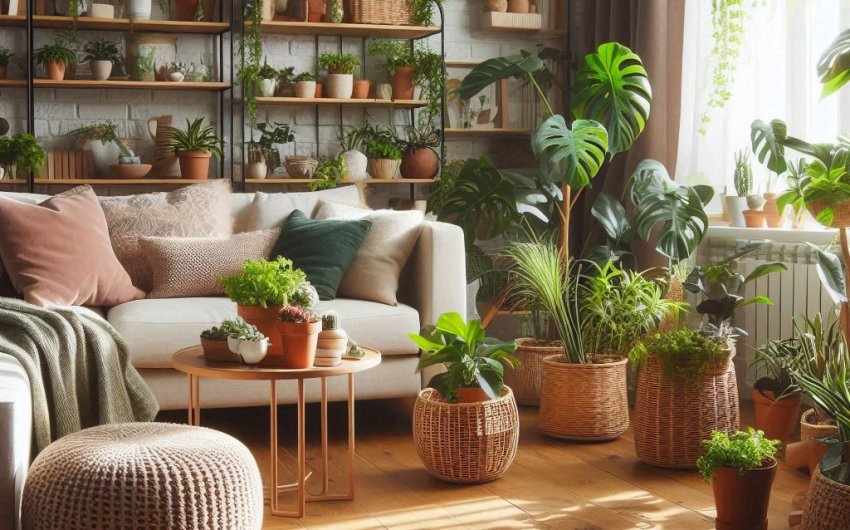
Why do I need low-maintenance indoor plants?
Have you ever brought home a beautiful plant, full of hope, only to watch it slowly wilt and die despite your best intentions? You're not alone! Life gets busy. We forget to water, we overwater, we don't have perfect light. But the dream of a green, vibrant home doesn't have to die with your last plant. That's why you need low-maintenance indoor plants. These are the plant superheroes that forgive your forgetfulness, tolerate less-than-ideal conditions, and still manage to look fantastic.
Having indoor plants is great for your home; they add beauty, a touch of nature, and can even help clean the air. But if you're a busy professional, a new plant parent, or just someone who feels like they have a "black thumb," choosing the right plants is key. This guide will help you find the low-maintenance indoor plants that thrive on neglect, bringing you all the benefits of houseplants without the stress or constant worry. Get ready to finally have a green oasis that stays green!
What makes an indoor plant "low-maintenance"?
Before we dive into specific plant recommendations, let's understand what we mean by "low-maintenance." It’s not just about forgetting to water; it’s about a combination of factors that make a plant resilient and forgiving.
Tolerates infrequent watering
This is probably the number one reason plants die. A low-maintenance indoor plant can go for longer periods between waterings without wilting or dropping leaves. They often have ways to store water, like thick stems or leaves, or they simply don't need a lot to begin with. You won't have to check their soil every other day; once every week or two (or even less!) might be enough.
Forgives inconsistent lighting
Not everyone has a perfectly sunny south-facing window. Many homes have rooms with only medium or even low light. Low-maintenance indoor plants are typically adaptable. They might prefer bright, indirect light, but they won't throw a fit if they get a little less, or if the light conditions aren't perfectly consistent. They won't usually get leggy (stretching towards light) or scorch easily.
Not fussy about humidity
Most homes, especially during winter when heating is on, have lower humidity than many plants prefer. Low-maintenance plants don't demand high humidity. They won't get crispy leaf edges or refuse to grow if the air isn't perfectly moist. They are generally happy with average household humidity levels.
Resists common pests
While no plant is completely immune, some plants are less attractive to common houseplant pests like spider mites, mealybugs, or aphids. Low-maintenance indoor plants often have tougher leaves or natural defenses that make them less prone to infestations, meaning less time spent inspecting and treating.
Slow growth or doesn't require frequent repotting
Fast-growing plants often need frequent repotting, which can be a hassle. Low-maintenance plants tend to be slower growers or are happy to be a bit root-bound for a while, meaning you won't have to repot them every year. This saves you time and effort.
Doesn't need constant pruning or shaping
Some plants need regular trimming to stay bushy or look neat. Low-maintenance plants often maintain a good shape on their own or only need occasional snips to remove yellowing leaves. You won't need to be a professional arborist to keep them looking good.
By focusing on plants with these qualities, you'll be setting yourself up for success and enjoying beautiful greenery in your home without the constant worry.
Top low-maintenance indoor plants you can't kill (almost!)
Here are some of the best low-maintenance indoor plants that are perfect for beginners, busy individuals, and anyone who wants greenery without the drama.
Snake Plant (Sansevieria trifasciata)
The Snake Plant is truly a champion of neglect. It's almost indestructible, making it ideal for anyone who forgets to water.
- Watering: Can go weeks without water. It's much happier if you err on the side of underwatering rather than overwatering. Let the soil dry out completely between waterings.
- Light: Tolerates low light conditions extremely well, but will thrive and grow faster in medium to bright indirect light. Avoid direct, scorching sun.
- Humidity: Not fussy about humidity; average household levels are fine.
- Pests: Highly resistant to most common houseplant pests.
- Appearance: Known for its stiff, upright, sword-like leaves, often variegated with yellow or white edges. It adds a modern, architectural look to any room.
It also comes in various sizes and patterns, from tall floor plants to compact tabletop varieties. A Sansevieria Cylindrica Snake Plant offers a unique cylindrical leaf shape.
ZZ Plant (Zamioculcas zamiifolia)
The ZZ Plant is another superstar in the low-maintenance world. It's incredibly drought-tolerant and hardy, almost seeming to thrive on neglect.
- Watering: Water sparingly! It stores water in its thick rhizomes (underground stems), so it can go for weeks, even a month or more, without water. Overwatering is its biggest enemy.
- Light: Thrives in medium to bright indirect light but is remarkably tolerant of low light conditions. Avoid direct sun.
- Humidity: Perfectly happy in average household humidity.
- Pests: Generally pest-free.
- Appearance: Features upright, waxy, dark green leaves that grow along thick stems, giving it a sleek, polished look.
The ZZ Plant is perfect for those dark corners where other plants struggle.
Pothos (Epipremnum aureum)
Pothos (also known as Devil's Ivy) is a hugely popular low-maintenance indoor plant because it's beautiful, adaptable, and very forgiving. It's known for its long, trailing vines.
- Watering: Prefers its soil to dry out between waterings. It will tell you when it's thirsty by drooping slightly, then perk right back up after a drink.
- Light: Tolerates low to medium light, but bright indirect light will encourage faster growth and more vibrant variegation (patterns on leaves). Avoid direct sun.
- Humidity: Adapts well to normal household humidity.
- Pests: Generally pest-resistant, though occasionally susceptible to mealybugs or spider mites if conditions are very dry.
- Appearance: Comes in many varieties with different leaf patterns and colors (e.g., golden pothos, neon pothos, marble queen pothos). Its trailing habit makes it great for hanging baskets or shelves.
A Pothos Golden Plant is a classic choice for brightening up a room.
Spider Plant (Chlorophytum comosum)
Spider Plants are not only super easy to care for, but they also produce "spiderettes" (little baby plants) that are fun to propagate and share.
- Watering: Prefers moderately moist soil but can tolerate some drying out between waterings. Avoid letting it sit in soggy soil.
- Light: Thrives in medium to bright indirect light. Can tolerate lower light, but growth will slow, and variegation may fade. Avoid direct sun.
- Humidity: Adaptable to average household humidity.
- Pests: Generally hardy, but occasionally susceptible to spider mites if the air is very dry.
- Appearance: Known for its arching, variegated green and white (or cream) leaves, and the adorable baby plantlets that dangle from the mother plant, making it perfect for hanging.
A Spider Plant Hanging Basket adds a lively, cascading element to your decor.
Cast Iron Plant (Aspidistra elatior)
Living up to its name, the Cast Iron Plant is incredibly tough and tolerant of just about anything. If you've truly struggled with plants, this one might be your best bet.
- Watering: Extremely drought-tolerant. Prefers to dry out almost completely between waterings. Overwatering is the only way to kill it.
- Light: Thrives in very low light conditions, making it perfect for dim corners or hallways. It does not like direct sunlight at all.
- Humidity: Completely unfussy about humidity.
- Pests: Highly pest-resistant.
- Appearance: Features upright, dark green, leathery leaves that are very tough and long-lasting. It has a classic, elegant look.
The Cast Iron Plant is often overlooked but is a true survivor.
Succulents (various types, e.g., Haworthia, Echeveria, Aloe)
While there are many types of succulents, most share a common trait: extreme drought tolerance due to their ability to store water in their leaves.
- Watering: Very infrequent watering. Allow soil to dry out completely, then water thoroughly, letting excess drain. Drier is always better.
- Light: Most prefer bright indirect light or even some direct sun (though introduce direct sun slowly). They will get leggy if they don't get enough light.
- Humidity: Prefer low humidity.
- Pests: Generally pest-resistant, but watch for mealybugs.
- Appearance: Come in a huge variety of shapes, sizes, and colors, from rosette-forming Echeverias to spiky Aloes. Their unique forms make them very decorative.
A Succulent Plant Assortment allows you to collect many unique varieties.
Philodendron (Heartleaf Philodendron)
The Heartleaf Philodendron is a classic houseplant that's easy to grow and produces beautiful trailing vines with heart-shaped leaves.
- Watering: Water when the top few inches of soil feel dry. They are somewhat forgiving if you forget a watering or two.
- Light: Thrives in medium to bright indirect light but tolerates low light well. Avoid direct sun.
- Humidity: Tolerates average humidity, though it will appreciate higher humidity if you can provide it.
- Pests: Generally problem-free, but occasionally might get spider mites or mealybugs.
- Appearance: Long, slender stems with glossy, heart-shaped green leaves. Great for hanging baskets, shelves, or letting it trail.
A Heartleaf Philodendron Plant brings classic charm and easy care.
Essential tips for keeping low-maintenance indoor plants alive
Even the toughest low-maintenance indoor plants will benefit from a few simple care practices. These tips ensure they don't just survive, but truly thrive.
Don't overwater (this is the big one!)
This is the number one killer of indoor plants, especially low-maintenance ones that prefer drier conditions.
- Feel the Soil: Don't water on a schedule. Instead, stick your finger about 1-2 inches deep into the soil. If it feels dry, it's time to water. If it still feels moist, wait. For succulents and snake plants, wait until the soil is completely dry.
- Drainage Holes: Always use pots with drainage holes! Excess water needs a way to escape. If your decorative pot doesn't have holes, use a nursery pot inside it and remove the inner pot to drain excess water after watering.
- Water Thoroughly: When you do water, water until it drains out the bottom. This ensures all the roots get a drink. Discard any standing water in the saucer.
When in doubt, wait one more day to water.
Provide adequate light (even if it's low)
While these plants tolerate low light, they still need some light to photosynthesize.
- Indirect Bright Light: This is often ideal. Place them near a window but out of direct, scorching sunlight.
- Rotate Regularly: Turn your plants every week or two so all sides get exposure to light. This promotes even growth.
- Clean Leaves: Dust can block light absorption. Gently wipe down leaves with a damp cloth every few weeks.
- Supplemental Light: If your home is truly dim, even for low-maintenance plants, a simple grow light bulb (LED Grow Light Bulb) in a regular lamp can make a huge difference.
"Low light" doesn't mean "no light."
Choose the right potting mix
The right soil helps with drainage and provides nutrients.
- Well-Draining Mix: Use a good quality indoor potting mix that drains well. Avoid heavy garden soil.
- For Succulents/Cacti: Use a specialized cactus and succulent mix (Espoma Organic Cactus Mix) which is even faster draining.
Good drainage is crucial for preventing root rot, especially for drought-tolerant plants.
Don't over-fertilize
Low-maintenance indoor plants generally don't need a lot of fertilizer.
- Less is More: Fertilize only during their active growing season (spring and summer), and usually at half strength compared to what the fertilizer bottle recommends.
- Slow-Release: Consider a slow-release fertilizer (Osmocote Smart-Release Plant Food) applied once or twice a year.
- No Fertilizer in Winter: Plants typically rest in winter and don't need feeding.
Too much fertilizer can burn roots.
Inspect for pests occasionally
Even tough plants can get pests, especially if brought in from outside or if conditions are very dry.
- Regular Checks: Quickly check leaves (especially undersides) and stems once a month.
- Wipe Down: Wiping leaves regularly helps remove dust and potential pests.
- Treat Early: If you spot pests, isolate the plant and treat it immediately with an insecticidal soap (Bonide Insecticidal Soap) or neem oil.
Early detection makes pest control much easier.
Repot when necessary (but not too often)
Low-maintenance plants are often happy being a bit snug in their pots.
- Signs of Needing Repotting: Roots growing out of drainage holes, water draining through very quickly without seeming to moisten the soil, or stunted growth.
- Size Up Gradually: When repotting, only go up one pot size (e.g., from a 6-inch to an 8-inch pot).
Repotting too often can stress the plant.
By following these simple care tips, your low-maintenance indoor plants will not only survive but truly flourish, bringing life and beauty to your home with minimal effort.
Common problems and how to fix them for low-maintenance indoor plants
Even tough plants can have issues. Knowing what to look for and how to respond can save your plant.
Yellowing leaves
- Most Common Cause: Overwatering. If the soil stays wet for too long, roots suffocate. Let the soil dry out completely, and water less frequently.
- Less Common Causes: Underwatering (leaves may also be crispy), nutrient deficiency (usually overall yellowing, not just lower leaves), or natural aging (a few lower leaves yellowing and dropping is normal).
Always check the soil moisture first.
Drooping leaves
- Most Common Cause: Underwatering. The plant is thirsty! Water thoroughly, and it should perk up within a few hours.
- Less Common Causes: Overwatering (leaves look droopy but are soft and mushy), root rot, or extreme temperature changes.
If the soil is dry, give it a drink. If wet, let it dry out.
Brown, crispy leaf tips or edges
- Common Causes: Low humidity (very common in heated homes), underwatering, or too much direct sunlight.
- Fixes: Increase humidity if possible (misting, pebble tray, humidifier), water more consistently (but don't overwater), move away from direct sun.
These are usually signs of environmental stress rather than disease.
Leggy growth (stretching towards light)
- Cause: Not enough light. The plant is reaching out to find more light.
- Fix: Move the plant to a brighter spot (closer to a window), or provide supplemental grow light. You can also prune the leggy stems to encourage bushier growth.
This is a sign your "low-light tolerant" plant still wants more light.
Pests (sticky residue, tiny webs, small bugs)
- Common Pests: Spider mites (fine webs, tiny dots), mealybugs (cottony masses), aphids (small green/black bugs), fungus gnats (tiny flying bugs, usually from overwatering).
- Fixes: Isolate the plant. Wipe leaves with rubbing alcohol on a cotton swab (for mealybugs). Spray thoroughly with insecticidal soap or neem oil (Captain Jack's Neem Oil). For fungus gnats, let soil dry out completely between waterings. Repeat treatments as needed.
Early detection and consistent treatment are crucial.
By understanding these common issues and their solutions, you'll be well-equipped to keep your low-maintenance indoor plants healthy and thriving, even if you hit a snag along the way.
Top low-maintenance indoor plant and accessory recommendations
Ready to bring some easy-care green into your home? Here are some top recommendations for low-maintenance indoor plants and helpful accessories that will set you up for success.
Top low-maintenance plant picks:
- Live Sansevieria Trifasciata Laurentii (Snake Plant): The quintessential easy-care plant. A Live Sansevieria Trifasciata Laurentii Snake Plant offers upright, sword-like green leaves with vibrant yellow edges. It tolerates low light, infrequent watering, and is a fantastic air purifier. Perfect for corners or adding height to your decor.
- Live ZZ Plant (Zamioculcas Zamiifolia): Known for its extreme drought tolerance and glossy, dark green foliage. A Live ZZ Plant thrives on neglect and can handle very low light conditions, making it ideal for busy individuals or dimly lit rooms. Its sleek appearance adds a touch of modern elegance.
- Live Golden Pothos Plant (Epipremnum Aureum): A versatile and forgiving vining plant. A Live Golden Pothos Plant features heart-shaped green leaves variegated with yellow, perfect for hanging baskets or trailing from shelves. It's highly adaptable to various light conditions and tolerates infrequent watering, bouncing back easily from neglect.
Essential accessories for low-maintenance plant care:
- Fiskars Softgrip Pruning Shears: Even low-maintenance plants need occasional trimming to remove yellowing leaves or shape them. The Fiskars Softgrip Pruning Shears are sharp, comfortable, and perfect for clean cuts that promote plant health.
- Miracle-Gro Indoor Potting Mix: A good quality, well-draining potting mix is crucial for all houseplants, especially those that don't like wet feet. The Miracle-Gro Indoor Potting Mix is formulated to provide good drainage while retaining enough moisture and nutrients, setting your plants up for success.
- Plastic Nursery Pots with Drainage Holes (various sizes): Always use pots with proper drainage. A set of Plastic Nursery Pots with Drainage Holes allows you to place your plant inside a more decorative outer pot, ensuring excess water can escape. This is a game-changer for preventing root rot, the most common plant killer.
- Watering Can with Long Spout: A watering can with a long, narrow spout, like the Bonsai Watering Can, allows you to precisely direct water to the soil without splashing leaves or making a mess, especially helpful for plants with dense foliage or when watering hanging plants.
- Indoor Plant Food (Liquid Concentrate): For light feeding during growing seasons, a simple liquid plant food is easy to use. The Schultz Liquid Plant Food is a popular choice. Remember to use it sparingly and dilute it, especially for low-maintenance plants.
With these resilient low-maintenance indoor plants and the right tools, you'll be well on your way to a greener, more vibrant home, even if you're the busiest person on the planet.