
Houseplant Care for Busy People: Thrive, Not Just Survive!
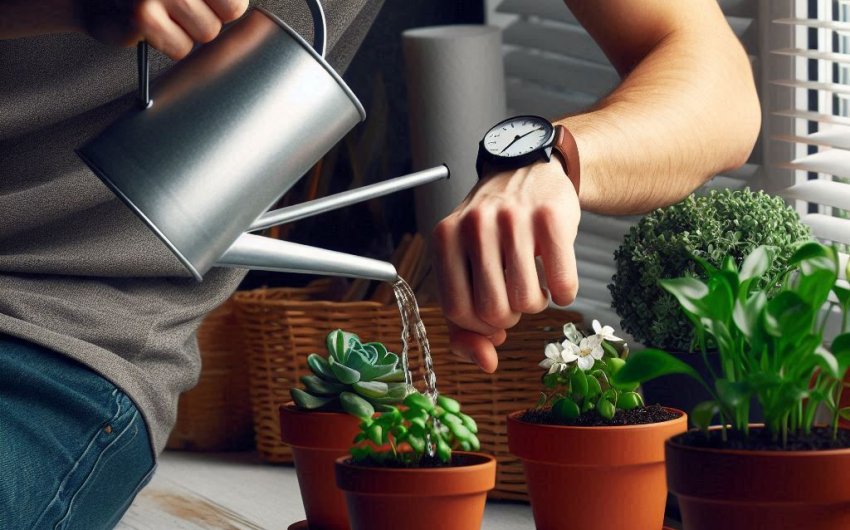
Are you a busy person? Do you dream of a lush, green home, but worry you don't have the time for plants? You're not alone! Many people think houseplant care is a huge time commitment. But what if I told you it doesn't have to be? This guide, designed for even the busiest schedules, will show you how to enjoy beautiful plants without the stress. We'll cover everything from choosing the right plants to smart watering and feeding. Get ready to transform your living space into a green oasis!
What are the Easiest Houseplants for Busy Schedules?
Choosing the right plant is the first step to success. Some plants are super forgiving, perfect for those who might forget a watering now and then. These plants are like the low-maintenance friends of the plant world.
Snake Plant (Sansevieria trifasciata)
The Snake Plant is truly the king of easy care. It's tough, adaptable, and doesn't ask for much. You can pretty much ignore it, and it will still thrive. This plant is known for its tall, sword-like leaves.
Why a Snake Plant is Your Best Friend:
- Light: It can handle low light, bright light, and everything in between. Perfect if you don't have super sunny windows.
- Water: Water it only when the soil is completely dry. This could be every 2-4 weeks, or even less often in winter. Overwatering is its biggest enemy. If you're not sure, wait another week.
- Growth: Slow-growing, so it won't outgrow its spot quickly.
- Air Cleaning: It's also great at cleaning the air! It removes toxins like formaldehyde and benzene.
ZZ Plant (Zamioculcas zamiifolia)
The ZZ Plant is another superstar for busy folks. It's incredibly drought-tolerant and doesn't mind neglect. Its waxy, dark green leaves are quite striking. It stores water in its thick rhizomes (underground stems), which helps it survive long dry spells.
Why a ZZ Plant is a Must-Have:
- Light: Happy in low to bright indirect light. It can even tolerate very low light conditions, making it perfect for offices or dimmer rooms.
- Water: Water very sparingly. Like the Snake Plant, wait until the soil is totally dry. If you forget to water for a month or two, it will probably be fine. This is key for houseplant care for busy people.
- Growth: Slow-growing.
- Pest Resistant: It rarely gets pests, which means less fuss for you.
Pothos (Epipremnum aureum)
Pothos is a classic for a reason. It's incredibly versatile and forgiving. You can grow it in hanging baskets, on shelves, or let it trail down. It comes in many varieties, like 'Golden Pothos' with yellow splashes or 'Marble Queen' with white variegation.
Why Pothos is So Popular:
- Light: Adapts to various light conditions, from low to bright indirect light. Brighter light brings out more of its variegation.
- Water: Water when the top inch or two of soil feels dry. If you see its leaves start to droop slightly, it's telling you it needs a drink. It bounces back quickly after watering.
- Growth: Fast-growing, but easy to prune if it gets too long.
- Propagation: Super easy to propagate from cuttings, so you can make more plants for free! Just snip a piece with a node and put it in water.
Spider Plant (Chlorophytum comosum)
Spider Plants are known for their arching leaves and the "spiderettes" or baby plants they produce. These little plantlets make them look like they're crawling with tiny spiders. They are very easy to grow and are great for beginners.
Why Spider Plants are Great for You:
- Light: Prefers bright, indirect light but can tolerate lower light.
- Water: Water when the top inch of soil is dry. They like to stay somewhat moist but don't like soggy feet.
- Growth: Grows fairly quickly and produces lots of babies.
- Air Cleaning: Another excellent air purifier.
Cast Iron Plant (Aspidistra elatior)
The Cast Iron Plant lives up to its name – it's incredibly tough. It's known for its ability to withstand neglect, low light, and temperature changes. If you have a dark corner that needs some green, this is your plant.
Why a Cast Iron Plant is a Solid Choice:
- Light: Thrives in low light conditions, even deep shade. Direct sun will scorch its leaves.
- Water: Water sparingly, allowing the soil to dry out almost completely between waterings.
- Growth: Very slow-growing.
- Resilience: Tolerates a wide range of conditions, making it nearly indestructible.
How Can I Water My Plants Without Constant Worry?
Watering is often where new plant parents go wrong. Too much water is usually worse than too little. The key is to water smart, not often. For busy people, this means using tools and techniques that make watering less of a chore.
The "Finger Test" and Why It Works
Before you grab the watering can, stick your finger about 1-2 inches into the soil. If it feels dry, it's time to water. If it feels moist, wait. This simple test prevents overwatering, which is a common killer of houseplants. Each plant has different watering needs, so this method helps you tailor it to them.
Bottom Watering for Efficiency
Bottom watering is a game-changer for many plants, especially those that hate wet leaves (like African Violets) or those with dense foliage. It encourages deeper root growth and ensures the plant takes up just what it needs.
How to Bottom Water:
- Place your potted plant (with drainage holes!) into a tray or sink filled with 1-2 inches of water.
- Let it sit for 15-30 minutes, or until the top of the soil feels damp.
- Remove the plant and let any excess water drain out before returning it to its spot.
This method can mean you water less often, as the plant gets a good soak. It's a key part of smart houseplant care strategies.
Self-Watering Pots and Devices
For the ultimate "set it and forget it" solution, consider self-watering pots. These pots have a reservoir that holds water, which the plant slowly draws up as needed. They can keep your plants watered for days or even weeks.
Types of Self-Watering Solutions:
- Self-Watering Pots: These usually have a wick or a double-pot system. A great option for peace of mind is a self-watering planter.
- Watering Globes: Decorative glass or plastic globes you fill with water and stick into the soil. They slowly release water. A set of plant watering globes can be both functional and pretty.
- Moisture Meters: While not self-watering, a plant moisture meter can take the guesswork out of watering. You simply stick it into the soil, and it tells you if the plant is wet, moist, or dry. This is especially helpful for larger pots.
Setting a Watering Schedule (and Being Flexible)
While we said don't water on a strict schedule, having a general idea can be helpful. For example, check your plants every Sunday morning. This creates a routine without being rigid. If a plant isn't dry, skip it that week. This simple habit integrates houseplant care into your week naturally.
What's the Deal with Light and My Plants?
Light is like food for plants. Without enough light, plants can't perform photosynthesis, their way of making energy. But too much direct sun can also burn their leaves. Understanding your home's light is crucial for successful houseplant care.
Understanding Light Levels
- Low Light: These are areas far from windows, or rooms with small, north-facing windows. Plants that do well here include Snake Plants, ZZ Plants, and Cast Iron Plants.
- Medium/Indirect Light: Bright areas but no direct sun on the leaves. This is ideal for most houseplants. East or west-facing windows often provide this. If a window gets direct sun, move the plant a few feet back.
- Bright Indirect Light: Very bright rooms, often near south-facing windows, but the plant is not in the path of direct sunbeams. Pothos, Spider Plants, and many flowering plants love this.
- Direct Light: Areas where sunlight shines directly on the plant for several hours a day. Only a few houseplants (like cacti and some succulents) prefer this. Most common houseplants will get sunburned.
Rotating Your Plants
Plants naturally lean towards the light source. To encourage even growth and prevent them from looking lopsided, rotate your plants a quarter turn every time you water them or every week or two. This simple habit ensures all sides of the plant get some light.
Supplemental Grow Lights for Dim Spaces
If your home is naturally dim or you want to grow more light-loving plants, a grow light can be a great investment. They come in various forms, from clip-on lamps to stylish floor lamps.
Benefits of Grow Lights:
- Boost Growth: They provide the specific light spectrum plants need for growth.
- Winter Solution: Perfect for short, dark winter days when natural light is scarce.
- Flexibility: Allows you to place plants anywhere, even in a windowless room.
- Look for a LED grow light designed for houseplants. Many are energy-efficient and long-lasting.
Do I Really Need to Fertilize My Plants?
Fertilizing is like giving your plants a vitamin boost. While not always necessary, especially for low-maintenance plants, it can encourage healthier growth and more vibrant foliage. For busy people, the key is to fertilize less often and more simply.
When and How Much to Fertilize
Most houseplants only need fertilizer during their active growing season, which is usually spring and summer. They go dormant (or slow down) in fall and winter, so don't fertilize then.
- Less is More: It's better to under-fertilize than over-fertilize. Too much fertilizer can burn plant roots.
- Dilute: If you're unsure, dilute your fertilizer to half strength.
- Frequency: For most general houseplant fertilizers, fertilizing once a month or every other month during the growing season is plenty.
Types of Fertilizers for Easy Use
- Liquid Fertilizer: The most common type. You mix it with water and apply it when you water your plants. A liquid houseplant fertilizer is usually a good all-around choice.
- Slow-Release Granules/Spikes: These are fantastic for busy people. You simply sprinkle granules on the soil surface or push a spike into the soil, and they slowly release nutrients over several months. This means you only have to think about fertilizing a few times a year! Look for slow-release fertilizer spikes.
What About Pests and Diseases?
Pests can be a pain, but with a few simple habits, you can keep them at bay. Early detection is key, and simple, natural solutions often do the trick. Don't let the thought of bugs scare you away from houseplant care.
Regular Plant Checks (Quick Ones!)
When you're watering or just admiring your plant, take a quick peek at the leaves, both top and bottom, and the stems. You're looking for tiny bugs, sticky residue, or distorted growth. This takes seconds and can save you a big headache later.
Common Pests and Simple Solutions
- Spider Mites: Tiny, almost invisible bugs that create fine webbing. Leaves might look speckled.
- Solution: Mist the plant regularly (they hate humidity) or wipe leaves with a damp cloth. For more severe cases, use neem oil spray, a natural pesticide.
- Mealybugs: Look like small, white, cottony masses, often in leaf axils (where the leaf meets the stem).
- Solution: Dab them with a cotton swab dipped in rubbing alcohol. Repeat as needed.
- Aphids: Small, green, black, or brown bugs often found on new growth.
- Solution: Blast them off with a strong stream of water or use insecticidal soap.
- Fungus Gnats: Tiny, flying insects that hover around the soil. They're annoying but don't usually harm the plant itself; their larvae feed on organic matter in the soil.
- Solution: Let the soil dry out completely between waterings (their larvae need moisture). Use sticky traps for plants to catch adults.
Prevention is Best
- Isolate New Plants: Always keep new plants separate from your existing collection for a few weeks to ensure they aren't bringing in pests.
- Good Air Circulation: Helps prevent fungal issues.
- Clean Leaves: Dust can block light and harbor pests. Wipe down leaves occasionally with a damp cloth. A quick wipe with a soft cloth while you're watering is easy houseplant care.
What's the Best Soil and Potting for My Plants?
The right soil and pot are foundational for healthy plants. Think of it as providing a comfortable home. For busy people, this means choosing well-draining options that don't need constant fuss.
The Importance of Drainage
Most houseplants hate sitting in soggy soil. It leads to root rot, which is often fatal. This is why drainage holes in your pots are non-negotiable.
- Pots with Drainage Holes: Always choose a pot with at least one hole at the bottom. If you love a decorative pot without holes, use it as a cachepot (a decorative cover) and keep your plant in a plain nursery pot with drainage inside it.
- Drainage Layers: Don't put rocks or gravel at the bottom of the pot. This actually hinders drainage by creating a perched water table. Just use good potting mix.
Choosing the Right Potting Mix
Regular garden soil is too heavy for most houseplants. You need a potting mix specifically designed for containers.
- General Potting Mix: A good quality, all-purpose indoor potting mix is fine for most common houseplants. These mixes are designed to be light and airy, allowing for good drainage and aeration for roots.
- Specific Mixes: Some plants, like cacti and succulents, need even faster drainage. For them, use a cactus and succulent potting mix which has more perlite or sand. Orchids need a very coarse orchid bark mix.
When to Repot
Most houseplants don't need repotting very often. For busy people, this is great news!
- Signs It's Time:
- Roots are growing out of the drainage holes.
- The plant is top-heavy and tips over easily.
- Water runs straight through the pot without soaking in.
- Growth has slowed down significantly (though this could also be light or watering issues).
- Frequency: Many plants only need repotting every 1-2 years, or even less frequently for slow growers. When you do repot, choose a pot only one size larger than the current one. Don't jump to a much bigger pot, as this can lead to overwatering issues.
How Can I Keep My Plants Clean and Healthy?
Even the lowest-maintenance plants benefit from a little TLC. These small tasks don't take much time and can make a big difference in the health and appearance of your plants. It's all part of consistent houseplant care.
Dusting Leaves
Dust collects on plant leaves, just like on your furniture. This dust can block sunlight, making it harder for the plant to photosynthesize. It also makes your plant look dull.
- How: Gently wipe down larger leaves with a damp, soft cloth. For smaller-leaved plants, a soft brush or a gentle shower in the sink can work.
- Frequency: Once a month or every few months is usually enough, depending on how dusty your home gets.
Pruning for Health and Shape
Pruning might sound intimidating, but it's really about tidying up and encouraging new growth.
- Remove Dead or Yellowing Leaves: These leaves aren't helping the plant and can be an invitation for pests. Simply snip them off with clean scissors or small pruners.
- Trim Leggy Growth: If your plant is getting long and sparse, you can cut back the stems to encourage bushier growth. This is especially true for plants like Pothos or Philodendrons.
- Pinch Back Tips: For many plants, pinching off the very tip of a stem can encourage the plant to branch out, making it fuller.
- Use clean, sharp plant pruning shears for best results.
What If I Go on Vacation?
One of the biggest worries for busy people is what happens to their plants when they leave for a few days or weeks. Don't worry, there are simple solutions!
Short Trips (A Few Days to a Week)
- Water Well Before You Go: Give all your plants a good, thorough watering right before you leave.
- Move Away from Windows: If plants are in direct sun, move them back a bit to a slightly shadier spot. This slows down water evaporation.
- Group Plants Together: Grouping plants creates a microclimate with slightly higher humidity, which helps them retain moisture.
Longer Trips (1-3 Weeks)
- Self-Watering Solutions: This is where those self-watering pots, watering globes, or even DIY wicking systems really shine.
- DIY Watering Wicks: You can make a simple wicking system with a cotton rope or shoelace.
- Place one end of the wick into the soil near the plant's roots.
- Place the other end into a container of water placed slightly lower than the plant's pot. The plant will draw water up as needed.
- Bathtub Method (for very thirsty plants): For plants that need more consistent moisture, place them in a few inches of water in a bathtub or large tray. Place a towel or mat under the pots to absorb some water. This is best for plants that like constantly moist soil and only for trips up to a week.
- Plant Sitter: If you have a friend or neighbor who's plant-savvy, ask them to check in. Leave clear, simple instructions for each plant.
How Do I Know What My Plant Needs? Reading the Signs.
The best way to succeed at houseplant care for busy people is to learn to "read" your plants. They tell you what they need through their leaves, stems, and soil.
Common Plant Problems and Their Meanings
- Yellowing Leaves:
- Oldest (Bottom) Leaves Turning Yellow: Often a normal part of aging, or sometimes a sign of underwatering.
- Newer (Top) Leaves Turning Yellow: Can indicate overwatering or nutrient deficiency (usually nitrogen).
- Drooping/Wilting Leaves:
- Crispy, Dry, Drooping: Almost always underwatering. Give it a good soak!
- Soft, Limp, Drooping, Soil is Wet: Usually overwatering/root rot. Let the soil dry out, and check for root rot.
- Brown, Crispy Leaf Tips or Edges:
- Low Humidity: Many tropical plants need more moisture in the air. Consider a humidifier or pebble tray.
- Underwatering: Not enough moisture for the plant to transport to the tips.
- Mineral Buildup: Too much fertilizer or salts in tap water. Try flushing the soil.
- Scorched Spots/Brown Patches:
- Too Much Direct Sun: Move the plant to a less intense spot.
- Slow or Stunted Growth:
- Not Enough Light: Move to a brighter location.
- Nutrient Deficiency: Time to fertilize during the growing season.
- Pot-bound: The plant needs repotting.
Embrace Imperfection and Enjoy the Journey!
Remember, houseplant care doesn't have to be perfect. Even experienced plant parents lose a plant now and then. Don't be afraid to experiment, and learn from your plants. The goal is to enjoy the beauty and benefits of having living green things in your home, even with a busy schedule. Start with easy plants, develop simple routines, and soon you'll have a thriving indoor jungle that brings you joy, not stress.