
Easy Houseplant Care Tips: Your Guide to a Green Thumb
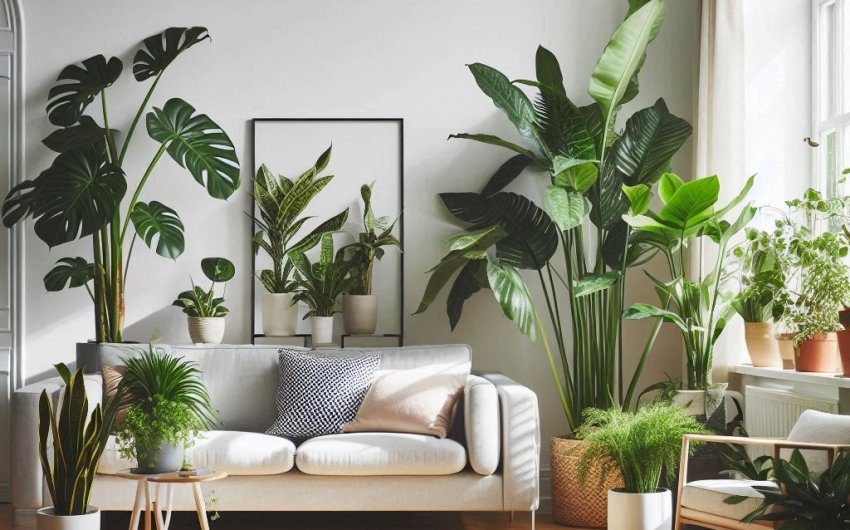
Do you dream of a home filled with lush, green houseplants but worry you don't have a green thumb? Think again! Caring for houseplants doesn't have to be complicated. With a few easy houseplant care tips, anyone can create a vibrant indoor oasis. Forget the fear of wilting leaves and sad-looking pots. We're here to show you how simple it can be to keep your plants happy and thriving.
Why Are My Houseplants Dying? (Common Mistakes to Avoid)
It's a common question, and often, the answer lies in a few simple mistakes. Understanding these can prevent future plant problems.
Are You Overwatering or Underwatering Your Plants?
This is perhaps the most frequent cause of houseplant demise. It's a delicate balance!
- Overwatering: Too much water chokes the roots, preventing them from getting oxygen. This leads to root rot, a fungal disease that can quickly kill your plant. Signs include yellowing leaves, drooping leaves that feel soft and mushy, and a musty smell from the soil. If you notice these, act fast! You might need to repot the plant in fresh, dry soil after trimming any rotted roots. A good potting mix with excellent drainage, like Miracle-Gro Indoor Potting Mix, can help prevent this.
- Underwatering: Not enough water causes the plant to dry out. Leaves will become crispy, turn brown, and sometimes even curl up. The soil will pull away from the edges of the pot. While easier to fix than overwatering, consistent underwatering will stress your plant.
How to get it right: Always check the soil moisture before watering. Stick your finger about an inch or two into the soil. If it feels dry, it's time to water. If it's still damp, wait a few more days. A moisture meter, like a XLUX Soil Moisture Meter, can also be a helpful tool.
Is Your Plant Getting Enough Light (or Too Much)?
Light is food for plants! Different plants have different light needs.
- Low Light: Plants needing low light (e.g., peace lily, ZZ plant, snake plant) will suffer in direct sunlight. Their leaves might burn, turn pale, or develop brown spots. In too little light, they might become leggy (stretched out with sparse leaves) as they try to reach for light, or they might stop growing altogether.
- Bright Indirect Light: Most houseplants thrive in bright, indirect light. This means a spot near a window that gets plenty of light, but the sun's rays don't directly hit the leaves. Think of a sheer curtain diffusing the light. Examples include the popular Monstera, Pothos, and Philodendron.
- Direct Light: Only a few houseplants, like certain succulents and cacti, can handle direct, strong sunlight. Placing a plant that prefers indirect light in a sunny window will quickly lead to scorched leaves.
How to get it right: Research your plant's specific light needs. Observe your plant; it will tell you if it's happy. If leaves are yellowing or browning on the edges, it might be too much light. If growth is stunted or leggy, it might need more light. Rotating your plants regularly ensures all sides get exposure.
Are You Using the Right Potting Mix and Drainage?
The soil your plant lives in is crucial. It provides nutrients, anchors the roots, and holds water.
- Poor Drainage: If your pot doesn't have drainage holes, water will sit at the bottom, leading to root rot. Always choose pots with drainage! If you fall in love with a decorative pot without holes, use it as a cachepot (a decorative outer pot) and keep your plant in a nursery pot with drainage inside it.
- Wrong Soil Type: Not all soil is created equal. Houseplants generally prefer a well-draining, airy potting mix. Avoid using garden soil, as it's too dense and can compact, leading to drainage issues and pests. A good universal indoor potting mix is often suitable for most houseplants. For specific plants like orchids or succulents, you'll need specialized mixes. Espoma Organic Potting Mix is another great choice.
How to get it right: Always use fresh, high-quality potting mix designed for houseplants. Ensure your pots have drainage holes. Adding a layer of perlite or vermiculite to your soil can also improve drainage and aeration.
How Do I Water My Houseplants Correctly? (The Golden Rules of Hydration)
Watering is an art, not a science, but there are some excellent guidelines.
Understanding the "Finger Test" for Soil Moisture
This is your best friend when it comes to watering.
- How to do it: Stick your finger about one to two inches deep into the soil.
- What it tells you:
- If it feels dry, it's time to water.
- If it feels damp, wait.
- If it feels wet or soggy, you might have overwatered, and the plant needs to dry out.
Bottom Watering vs. Top Watering
Both methods have their benefits.
- Top Watering: This is the most common method. Pour water directly onto the soil surface until it starts to drain out of the bottom of the pot. This helps flush out excess salts. Use a watering can with a long spout, such as the Behrens Galvanized Steel Watering Can.
- Bottom Watering: Place your potted plant (with drainage holes!) into a tray or sink filled with a few inches of water. Let the plant soak up water from the bottom through its drainage holes. The plant will absorb what it needs. This is great for plants that don't like wet leaves or for ensuring the entire root ball gets hydrated. Remove the plant once the topsoil feels damp.
When to use which: Top watering is generally fine for most plants. Bottom watering is excellent for plants prone to fungal issues, those with very dense foliage, or if you consistently struggle with even watering.
The Importance of Drainage Holes
We've mentioned it before, and we'll mention it again: drainage holes are non-negotiable.
- Without them, water accumulates at the bottom, leading to stagnant water and root rot.
- Always ensure your pot has at least one, but ideally several, drainage holes.
What Kind of Light Do My Houseplants Need? (Decoding the Sunshine Spectrum)
Light is energy for plants. Knowing what your plant prefers is critical for its health.
Low Light Tolerant Houseplants
These plants can survive and even thrive in less-than-ideal light conditions, though "low light" doesn't mean "no light." They still need some ambient light.
- ZZ Plant (Zamioculcas zamiifolia): Incredibly resilient, can handle very low light.
- Snake Plant (Sansevieria trifasciata): Another tough one, adaptable to various light conditions.
- Peace Lily (Spathiphyllum): Can tolerate low light but blooms more in brighter, indirect light.
- Pothos (Epipremnum aureum): Extremely forgiving, will tolerate lower light but grows faster in brighter conditions.
Bright Indirect Light Lovers (The Majority!)
This is the sweet spot for most common houseplants.
- Monstera Deliciosa: Iconic plant, needs bright indirect light to unfurl its famous split leaves.
- Fiddle Leaf Fig (Ficus lyrata): Can be finicky, but bright indirect light is crucial for its large leaves.
- Philodendron: Many varieties, most prefer bright indirect light.
- Prayer Plant (Maranta leuconeura): Enjoys bright indirect light and good humidity.
- Spider Plant (Chlorophytum comosum): Easy to care for, bright indirect light helps produce "spiderettes."
Direct Sun Worshipers (Handle with Care!)
Only a few houseplants truly enjoy direct sun.
- Cacti and Succulents: Most types need several hours of direct sunlight to thrive and prevent etiolation (stretching out due to lack of light).
- Some specific Herbs: If growing culinary herbs indoors, many like basil or rosemary will appreciate direct sun.
How to Evaluate Light in Your Home
- North-facing windows: Generally offer consistent, soft indirect light. Good for low-light plants.
- East-facing windows: Provide gentle morning sun, which is great for most bright indirect light plants.
- South-facing windows: Offer the strongest, most direct light. Best for direct sun lovers or plants placed a few feet away with a sheer curtain.
- West-facing windows: Provide intense afternoon sun. Can be too strong for many plants without protection.
Consider a Light Meter for Plants if you're serious about optimizing light.
When Should I Fertilize My Houseplants? (Feeding Your Green Friends)
Think of fertilizer as a vitamin supplement for your plants. It provides extra nutrients that the soil might lack over time.
The Growing Season vs. Dormancy
- Growing Season: This is typically spring and summer when your plant is actively putting out new growth. This is the best time to fertilize. Plants need extra nutrients during this period of active growth.
- Dormancy: In fall and winter, most houseplants naturally slow down their growth. Fertilizing during this time can burn the roots and harm the plant, as it's not actively using the nutrients.
Choosing the Right Fertilizer
- Balanced Liquid Fertilizer: A common choice for most houseplants. Look for a balanced NPK ratio (Nitrogen-Phosphorus-Potassium), like 10-10-10 or 20-20-20. Liqui-Dirt Nano Powder Organic Plant Food is a popular option.
- Slow-Release Granules: These release nutrients over time, reducing the need for frequent application.
- Specialized Fertilizers: Some plants, like orchids or succulents, might benefit from fertilizers formulated specifically for their needs.
How to Fertilize
- Dilute: Always dilute liquid fertilizers according to the package directions, or even to half strength. It's better to under-fertilize than over-fertilize.
- Apply to Moist Soil: Never fertilize a plant with dry soil. Water your plant first, then apply the fertilizer. This prevents root burn.
- Frequency: Most houseplants benefit from fertilizing every 2-4 weeks during the growing season. Reduce or stop entirely in fall and winter.
Do My Houseplants Need Humidity? (Creating a Tropical Paradise)
Many popular houseplants originate from tropical environments, meaning they thrive in high humidity. Our homes, especially with heating and air conditioning, can be quite dry.
Signs of Low Humidity
- Crispy, brown leaf tips or edges: This is a classic sign.
- Stunted growth: Plants struggle to absorb moisture.
- Drooping: While also a sign of watering issues, it can indicate low humidity.
- Pest susceptibility: Dry conditions can make plants more vulnerable to pests like spider mites.
Ways to Increase Humidity
- Pebble Trays: Fill a shallow tray with pebbles and add water. Place your potted plant on top of the pebbles (ensure the bottom of the pot isn't sitting in the water). As the water evaporates, it creates a localized humid environment around the plant.
- Misting: While satisfying, misting often provides only a temporary boost in humidity. It's not a long-term solution on its own. Some plants with thin leaves, like ferns, appreciate it. Others, like African Violets, prefer not to have water on their leaves. Use a fine mist sprayer.
- Humidifier: The most effective way to increase ambient humidity for multiple plants. A humidifier, like the LEVOIT Humidifier for Plants, can make a significant difference, especially during dry winter months.
- Grouping Plants: Plants release moisture through a process called transpiration. Grouping them together can create a mini-microclimate of higher humidity.
When Should I Repot My Houseplants? (Giving Them Room to Grow)
Repotting gives your plant fresh nutrients and more space for its roots to grow.
Signs Your Plant Needs Repotting
- Roots growing out of drainage holes: The clearest sign!
- Roots circling the top of the soil: Indicates the plant is root-bound.
- Water runs straight through: The soil is so packed with roots that it can't hold water.
- Stunted growth: If your plant hasn't grown much despite good care, it might be outgrowing its pot.
- Plant looks top-heavy and unstable.
Choosing the Right Pot Size
- Go up one size: Typically, increase the pot diameter by only 1-2 inches. For example, if your plant is in a 6-inch pot, move it to an 8-inch pot.
- Don't go too big: A pot that's too large can hold too much moisture, leading to root rot. The plant also puts energy into growing roots instead of foliage.
Repotting Process
- Gather supplies: New pot (with drainage!), fresh potting mix, garden trowel or small shovel.
- Gently remove the plant: Tip the pot on its side and gently slide the plant out. You might need to gently squeeze the pot if it's plastic.
- Loosen roots: If the roots are tightly coiled (root-bound), gently tease them apart at the bottom.
- Add fresh soil: Put a layer of fresh potting mix at the bottom of the new pot.
- Place the plant: Center the plant in the new pot, ensuring the base of the stem is at the same level as it was in the old pot.
- Fill with soil: Add more potting mix around the sides, gently patting it down to remove large air pockets. Leave about an inch of space from the rim.
- Water thoroughly: Water immediately after repotting to help the soil settle.
Best time to repot: Spring is ideal as plants are entering their active growth period.
How Do I Keep Pests Away from My Houseplants? (Natural Pest Control)
Pests are an unfortunate part of plant parenthood, but they are manageable!
Common Houseplant Pests
- Spider Mites: Tiny, red or black specks that create fine webbing on leaves. They thrive in dry conditions.
- Mealybugs: Look like small, white, cottony masses, often found in leaf axils (where the leaf meets the stem).
- Aphids: Small, soft-bodied insects, often green or black, found on new growth.
- Fungus Gnats: Tiny, black flying insects that are more annoying than harmful. They indicate overwatered soil.
Inspection is Key
- Regularly check your plants: At least once a week, inspect the tops and undersides of leaves, stems, and the soil surface. Early detection is crucial.
- Isolate new plants: Keep new plant arrivals separate from your existing collection for a few weeks to ensure they aren't bringing in pests.
Natural Pest Control Methods
- Wipe Leaves: For small infestations, simply wipe pests off with a damp cloth or cotton swab dipped in rubbing alcohol.
- Neem Oil Spray: A fantastic natural pesticide. Mix Garden Safe Neem Oil Extract with water according to directions and spray plants thoroughly, including undersides of leaves. Repeat weekly until pests are gone.
- Insecticidal Soap: Can be effective against soft-bodied pests. Follow package instructions.
- Hosing Down: For hardy plants, take them to the shower or outside and gently spray them with water to dislodge pests.
Should I Prune My Houseplants? (Shaping and Encouraging Growth)
Pruning isn't just for outdoor shrubs! It helps houseplants stay healthy and bushy.
Reasons to Prune
- Remove dead or yellowing leaves: This improves the plant's appearance and directs energy to healthy growth.
- Encourage bushier growth: Pinching back (removing the top growth point) forces the plant to branch out, making it fuller.
- Control size and shape: Keep your plant from becoming too leggy or unruly.
- Remove leggy growth: If a plant is stretching for light, pruning can help make it more compact.
- Propagate: Many plants can be propagated from stem cuttings during pruning.
How to Prune
- Use clean, sharp tools: Fiskars Pruning Snips are great. This prevents disease spread and ensures clean cuts.
- Cut above a node: A node is where a leaf or new branch emerges. Cutting just above a node encourages new growth from that point.
- Don't over-prune: Never remove more than about 25-30% of the plant's foliage at one time.
Best time to prune: During the growing season (spring and summer) is ideal as the plant can recover quickly.
What Are the Best Easy Care Houseplants for Beginners? (Start Your Collection Strong!)
If you're just beginning your houseplant journey, starting with resilient, forgiving plants is a smart move. These plants are known for their ability to withstand a bit of neglect.
Top Picks for Low-Maintenance Greenery
- Snake Plant (Sansevieria trifasciata): Virtually indestructible! Tolerates low light, infrequent watering, and a range of conditions. Perfect for busy people.
- ZZ Plant (Zamioculcas zamiifolia): Another drought-tolerant champion. Thrives on neglect and can handle very low light. Almost impossible to kill.
- Pothos (Epipremnum aureum): Extremely versatile and forgiving. Can trail, climb, or be kept compact. Tolerates various light conditions and is easy to propagate. Many varieties, like 'Golden Pothos' or 'Neon Pothos.'
- Spider Plant (Chlorophytum comosum): Easy to care for and produces "spiderettes" (baby plants) that are simple to propagate. Great for hanging baskets.
- Peace Lily (Spathiphyllum): Beautiful dark green leaves and white flowers. They famously droop dramatically when thirsty, making it easy to know when to water. Recovers quickly after watering. Tolerates low light.
- Cast Iron Plant (Aspidistra elatior): As its name suggests, this plant is incredibly tough. It tolerates very low light, neglect, and a wide range of temperatures.
- Philodendron (various heartleaf varieties): Similar to Pothos in terms of ease. The classic 'Heartleaf Philodendron' is a trailing beauty that tolerates a lot.
- Aloe Vera: Not just for sunburns! This succulent is very easy to care for, needing bright light and infrequent watering.
- Christmas Cactus/Thanksgiving Cactus (Schlumbergera spp.): Easy to grow and rewards you with beautiful blooms in winter. Needs bright, indirect light and less frequent watering than other houseplants.
These easy houseplant care tips should set you on the path to a flourishing indoor garden. Remember, consistency is key, and your plants will tell you what they need if you observe them closely. Happy planting! For even more detailed easy houseplant care tips, especially for busy professionals, check out this guide: easy houseplant care tips.