
What are the best moss poles for climbing plants?
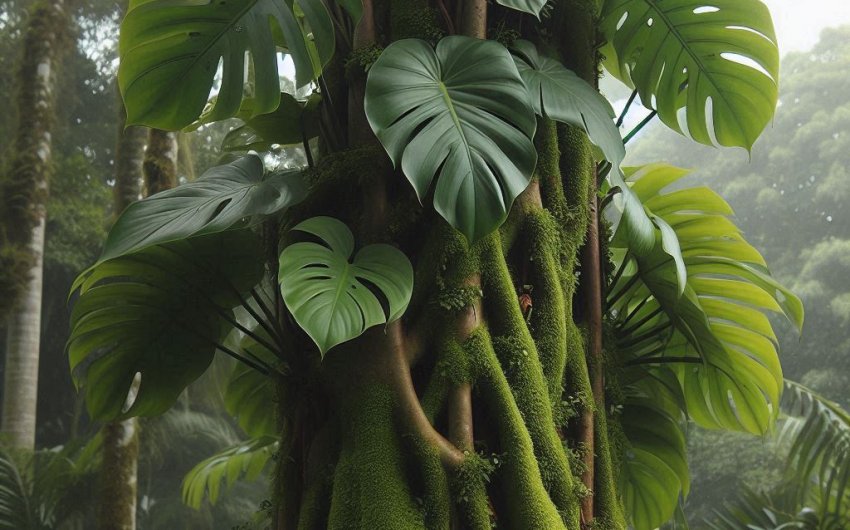
The best moss poles for climbing plants are those that closely mimic the natural environment of epiphytic and hemi-epiphytic plants, providing a moist, textured surface for aerial roots to attach and grow into. These plants, like many Aroids (Monstera, Philodendron, Pothos), naturally climb trees in their native habitats, using their aerial roots to absorb moisture and nutrients from the bark and surrounding air. A good moss pole, therefore, offers not just physical support but also a crucial source of hydration and nutrients, encouraging larger leaves and more vigorous growth. Sphagnum moss poles are generally considered superior due to their excellent water retention properties.
When choosing a moss pole, consider factors such as the material, construction, height, and expandability. A high-quality pole will be durable, easy to moisten, and allow for proper root penetration. Opt for poles that can be extended as your plant grows, ensuring continuous support. Proper installation and consistent moistening of the pole are just as important as the pole itself to unlock the full potential of your climbing plant and help it mature beautifully indoors.
Why do climbing plants need moss poles?
Climbing plants, especially many popular houseplants like Monstera, Philodendron, and Pothos, are often epiphytes or hemi-epiphytes in their natural jungle environments. This means they don't grow in the ground; instead, they climb up trees and other structures. They use two main types of roots:
- Terrestrial roots: These grow in the soil (or whatever substrate they're initially in) to anchor the plant and absorb basic water and nutrients.
- Aerial roots: These are the specialized roots that emerge from the nodes along their stems. In nature, these aerial roots attach to tree bark, rocks, or other supports. More importantly, they aren't just for climbing; they also absorb moisture and nutrients directly from the air, decaying organic matter, and the surface they are climbing on.
So, why do they need moss poles indoors?
- Support: Many of these plants have weak stems that can't support their own weight as they grow taller. A moss pole provides essential physical support, preventing them from sprawling or breaking.
- Maturity: As climbing plants mature and their aerial roots anchor into a moist surface like a moss pole, they often exhibit phenotypic plasticity. This is a fancy way of saying they change their appearance. They produce larger leaves with more dramatic fenestrations (splits or holes, especially in Monstera) or deeper lobes, and thicker stems. This mimicry of their natural climbing behavior unlocks their mature form.
- Hydration & Nutrients: A moist moss pole allows the aerial roots to grow into it, absorbing additional water and nutrients. This supplementary intake contributes to faster and healthier growth than just relying on the potting mix alone.
In essence, a moss pole isn't just a stick; it's a vital part of helping your climbing plant thrive and reach its full potential indoors, replicating the conditions it would find climbing a tree in the jungle.
What is the difference between Sphagnum moss poles and coir poles?
When it comes to moss poles for climbing plants, the two main types you'll encounter are Sphagnum moss poles and coir poles (also known as coco coir or coconut fiber poles). While both provide support, they have distinct differences that impact their effectiveness.
Sphagnum Moss Poles:
- Material: Made from long-fibered Sphagnum moss, often wrapped around a central support (like a PVC pipe or wooden dowel) and held in place with netting or wire.
- Water Retention: This is their biggest advantage. Sphagnum moss has an incredible capacity to hold moisture for extended periods. This is crucial because it allows the aerial roots to grow into the pole and absorb water and nutrients directly, mimicking how they would attach to and draw from a moist tree trunk in nature.
- Root Penetration: Aerial roots find it very easy to penetrate and grow directly into the soft, fibrous structure of Sphagnum moss.
- Nutrient Absorption: Since the roots can grow into the pole, you can even mist the pole with diluted fertilizer, providing direct nutrient access to the aerial roots.
- Cost & Availability: Can be slightly more expensive and sometimes harder to find pre-made, though you can make your own. You can find loose Sphagnum moss for DIY projects.
- Best for: Most Aroids (Monstera, Philodendron), particularly those with robust aerial roots that benefit from a constantly moist medium.
Coir Poles (Coco Coir Poles):
- Material: Made from coconut coir fiber, usually compressed and wrapped around a central pole.
- Water Retention: Coir also holds some moisture, but generally dries out much faster than Sphagnum moss. This means it needs to be misted or watered more frequently to keep it moist for aerial roots.
- Root Penetration: Aerial roots can attach to the rough texture of coir, but they often have a harder time truly penetrating and growing into the compressed fiber as easily as with Sphagnum moss. They tend to just cling to the surface.
- Nutrient Absorption: Less effective for direct nutrient absorption by aerial roots due to faster drying and denser structure.
- Cost & Availability: Widely available, often more affordable, and come in various sizes. You can find pre-made coir poles easily.
- Best for: Providing physical support, and plants that might not rely as heavily on aerial root absorption for moisture, or for those who don't want to mist as frequently.
For true support and mature growth for epiphytic climbers, Sphagnum moss poles are generally superior due to their excellent moisture retention and ease of root penetration.
How important is the moisture level of the moss pole?
The moisture level of the moss pole is incredibly important, especially for epiphytic climbing plants like Monstera, Philodendron, and Pothos. It's not just about physical support; it's about replicating their natural environment and encouraging aerial roots to function as they would in the wild.
- Aerial Root Function: In their native rainforests, these plants send out aerial roots that attach to the moist bark of trees. These roots don't just anchor the plant; they actively absorb moisture and dissolved nutrients from the wet bark, rainwater, and high humidity.
- Encouraging Root Attachment: A constantly moist moss pole signals to the plant that this is a suitable climbing surface. The aerial roots will be much more likely to attach to and grow into a pole that is consistently damp. If the pole is always dry, the roots will often stay as free-hanging "air roots" and won't contribute to the plant's overall hydration or nutrient intake as effectively.
- Promoting Mature Growth: As aerial roots successfully penetrate and absorb from a moist pole, the plant senses it has established itself securely and has access to abundant resources. This often triggers the plant to produce larger leaves, develop fenestrations (splits), and exhibit more mature characteristics. A dry pole offers support but misses out on this crucial trigger for maturity.
- How to Keep it Moist:
- Misting: Regularly mist the moss pole with water, especially in dry indoor environments.
- Watering the Pole Directly: When you water the plant itself, pour some water directly onto the top of the moss pole, allowing it to slowly soak down.
- Humidifier: Placing a humidifier near the plant can also help keep the pole moist through ambient humidity.
Without adequate and consistent moisture, a moss pole becomes just a stick, missing out on its most beneficial function for your climbing plant.
How do I securely install a moss pole in a potted plant?
Securely installing a moss pole is crucial to provide stable support for your climbing plant. A wobbly or unstable pole can fall, damaging both the plant and the pot.
- Choose the Right Time: The best time to install a moss pole is when you are repotting the plant. This allows you to place the pole deep into the center of the pot without disturbing established roots too much. If you're adding it to an already established plant, do it carefully.
- Position the Pole:
- Center: If your plant has multiple stems, aim to place the pole in the center of the pot, as close to the main stems as possible.
- Deep: Push the stake or base of the moss pole deep into the potting mix. Aim for at least 6-12 inches (15-30 cm) of the pole to be below the soil surface, depending on the size of the pole and pot. The deeper it goes, the more stable it will be.
- Avoid Damaging Roots: If the plant is already established, try to push the pole down gently, feeling for resistance, to avoid breaking large roots. You might need to wiggle it a bit to find a clear path.
- Add/Adjust Soil: Once the pole is firmly in place, add or adjust the potting mix around its base, tamping it down gently but firmly to secure the pole.
- Attach the Plant: Gently gather the main stems of your climbing plant and lean them against the moss pole. Use soft plant ties, twist ties, or Velcro plant ties to loosely attach the stems to the pole. Don't tie them too tightly, as this can restrict growth or damage the stems. The goal is to encourage the aerial roots to eventually attach themselves.
- Initial Moistening: Thoroughly moisten the moss pole after installation to encourage aerial root attachment from day one.
A well-installed moss pole will stand straight and firm, providing the necessary support for your plant to climb and mature effectively.
Can I extend moss poles as my plant grows taller?
Yes, absolutely! The best modern moss poles are designed to be extendable, which is a fantastic feature for continuously growing climbing plants. This ability to extend is a significant advantage over fixed-height poles.
- Why Extendability Matters: Many popular climbing houseplants can grow quite tall indoors, especially with good care. A single 2-foot pole might be sufficient for a young Monstera, but within a year or two, it will likely outgrow it. If your plant outgrows its pole, its natural climbing habit is interrupted, and it might start to sprawl or produce smaller, immature leaves again. An extendable pole ensures uninterrupted vertical growth and continuous access for aerial roots.
- How They Work: Extendable moss poles typically have an inner support structure (often a PVC pipe or plastic mesh cylinder) that allows a new, identical pole to be inserted directly into the top of the existing one. This creates a seamless, continuous climbing surface for your plant.
- When to Extend: Add an extension when your plant's highest growth point is approaching the top of the current pole, and you see new nodes forming above the pole. It's better to add an extension a little early than too late.
- Benefits:
- Continuous Support: Provides uninterrupted upward growth.
- Mature Growth: Encourages the plant to continue producing larger, more mature leaves as it climbs.
- No Re-potting Just for Height: You don't have to disturb the plant's roots by trying to remove the old pole and insert a new, taller one from scratch.
When buying a moss pole, specifically look for ones that are advertised as "extendable" or "stackable" to ensure long-term usability as your climbing plant matures. You can find extendable moss poles that snap together.
What type of plants benefit most from moss poles?
Moss poles are most beneficial for epiphytic and hemi-epiphytic climbing plants that naturally use aerial roots to attach to and grow up surfaces in their native habitats. These are typically vining plants that would otherwise sprawl or hang in a pot, but which produce larger, more mature leaves when allowed to climb.
Here are the types of plants that benefit most:
- Aroids (Araceae Family): This is the largest group of beneficiaries.
- Monstera: Especially Monstera deliciosa, known for its iconic fenestrated (split) leaves. As it climbs a moist pole, its leaves get dramatically larger and develop more intricate fenestrations. Other Monsteras like M. adansonii (Swiss Cheese Vine) also love to climb.
- Philodendron: Many species, including Philodendron hederaceum (Heartleaf Philodendron), Philodendron brasil, Philodendron gloriosum (though its aerial roots are less robust climbers), Philodendron 'Pink Princess', and climbing forms of Philodendron micans.
- Pothos (Epipremnum aureum): While often grown as a trailing plant, Pothos also has strong aerial roots and will produce significantly larger leaves when given a moss pole to climb. Varieties like 'Neon', 'Marble Queen', and 'N'Joy' all respond well.
- Syngonium (Arrowhead Plant): Many Syngonium varieties start bushy but become vining as they mature. They can use a moss pole for support and more mature leaf forms.
- Rhaphidophora tetrasperma (Mini Monstera): This fast-growing vining plant loves to climb a moss pole, developing its characteristic split leaves more readily.
- Other Climbing Aroids: Like some types of Hoya (though less dependent on moss poles for maturity) and some forms of Scindapsus.
For these plants, a moss pole isn't just aesthetic; it's a tool that unlocks their genetic potential for mature growth, larger leaves, and overall vigor. Plants that do not produce aerial roots (like most Ficus, succulents, or true vining plants like ivy that cling with tendrils rather than roots) do not typically benefit from moss poles in the same way, and a simple trellis or stake would be more appropriate for support.
Can I use a regular stick or wooden dowel instead of a moss pole?
You can certainly use a regular stick or a wooden dowel to provide physical support for your climbing plants. For plants that just need something to lean on and don't rely heavily on aerial roots for moisture or nutrient absorption (like some non-epiphytic climbers or simply to keep a sprawling plant upright), a simple stake can work just fine.
However, a plain stick or dowel will not offer the same benefits as a properly functioning moss pole, especially for epiphytic Aroids (Monstera, Philodendron, Pothos). Here's why:
- Lack of Moisture Retention: A plain stick or dowel will not hold moisture like Sphagnum moss. This means the aerial roots of your climbing plant won't have a damp surface to grow into and absorb supplementary water and nutrients. They will either dry out, remain as "air roots," or only superficially attach.
- Poor Root Penetration: The smooth surface of a wooden dowel or a rough stick makes it much harder for aerial roots to truly penetrate and anchor themselves deeply. They might cling to irregularities, but won't grow into the support. This limits the plant's ability to "think" it's climbing a tree.
- No Maturity Trigger: The critical "signal" for many climbing Aroids to produce larger, more mature leaves (like fenestrations on Monstera) comes from their aerial roots growing into a moist, organic surface. A dry stick won't provide this trigger. Your plant might climb, but its leaves might not mature to their full size or form.
- Durability: Wooden dowels can eventually rot or degrade over time in consistently moist soil, especially if not treated.
So, while a stick offers support, if your goal is to encourage your plant to reach its full potential, produce mature leaves, and thrive as it would in its natural habitat, a Sphagnum moss pole is significantly more effective and worth the investment. It's the difference between providing just a scaffold and providing a living, breathing climbing surface.
How do I encourage aerial roots to attach to the moss pole?
Encouraging aerial roots to attach to the moss pole is crucial for your climbing plant to truly benefit from the pole and exhibit mature growth. It often requires a combination of factors:
- Maintain Consistent Pole Moisture: This is the most important step. Aerial roots are seeking moisture. If your moss pole is consistently damp, the roots will be much more inclined to grow towards and into it. Regularly mist the pole or pour water down its top when watering your plant.
- Guide the Aerial Roots: Gently guide any emerging aerial roots towards the moss pole. You can tuck them into the moss itself or use soft plant ties to loosely secure them against the pole initially. Avoid forcing them or bending them sharply, as they can break.
- Secure Stems to the Pole: Use soft plant ties, Velcro plant ties, or green gardening tape to loosely secure the main stems of the plant to the moss pole. The goal is to keep the nodes (where aerial roots emerge) in constant contact with the moist moss. This direct contact greatly increases the chances of root attachment.
- Increase Local Humidity: While general room humidity helps, creating a microclimate of higher humidity directly around the plant and pole can further encourage aerial roots. Use a pebble tray under the pot, group plants together, or run a humidifier nearby. Higher ambient humidity helps keep the pole moist and signals to the plant that the environment is favorable for root development.
- Patience: Some plants are faster to attach than others. Don't get discouraged if it doesn't happen overnight. Continue with consistent care, and eventually, the aerial roots will find their way.
- Healthy Plant: A healthy, vigorous plant with strong growth will naturally produce more aerial roots and be more inclined to climb. Ensure your plant has adequate light, water, and nutrients.
By providing a consistently moist and supportive surface and gently guiding the plant, you significantly increase the likelihood of your aerial roots successfully attaching and thriving on the moss pole.
How tall should my moss pole be initially?
The initial height of your moss pole depends on the size of your climbing plant. You want to choose a pole that provides immediate support but also allows for some future growth without needing an extension right away.
- For Young/Smaller Plants:
- If your plant is relatively small (e.g., 6-12 inches tall) or just starting to vine, an 18-inch to 2-foot (45-60 cm) moss pole is often a good starting point.
- Remember that about 6 inches (15 cm) of the pole will be buried in the soil for stability, so an 18-inch pole will have 12 inches above the soil.
- This size allows the plant to grow for several months or even a year before needing an extension.
- For Medium/Established Plants:
- If your plant already has vines that are 1-2 feet long and starting to sprawl, consider a 2-foot to 3-foot (60-90 cm) moss pole right from the start.
- Again, account for the portion buried in the soil.
- Key Considerations:
- Current Plant Height: The pole should be tall enough to support the highest growth point of your plant plus provide room for new growth.
- Future Growth: If you know your plant is a fast grower (like Rhaphidophora tetrasperma or some Philodendrons), start with a slightly taller pole or ensure you buy an extendable moss pole from the beginning.
- Pot Size: The pole needs to be proportionate to the pot size to remain stable. A very tall pole in a small pot will be unstable.
It's better to slightly overestimate the initial height than to underestimate it, as constantly needing to add extensions or replace short poles can be disruptive to the plant. You can purchase a 2-foot moss pole as a versatile starting size for many common climbers.
Can moss poles cause root rot or other issues?
When used incorrectly, moss poles can potentially contribute to root rot or other issues, but this is usually due to improper watering habits rather than the pole itself.
- Risk of Root Rot:
- Overwatering the Potting Mix: The most common cause of root rot is when the soil in the pot stays consistently soggy. If you are regularly wetting the moss pole, and simultaneously overwatering the potting mix, the overall environment for the roots can become too wet.
- Solution: Always check the soil moisture before watering the pot. Water only when the top few inches of soil are dry. Remember that moistening the pole is separate from watering the plant's roots in the soil. Ensure the pot has excellent drainage.
- Mold or Fungal Growth on the Pole: If the moss pole remains constantly saturated without good air circulation around the plant, or if the room is overly humid without ventilation, mold or algae can sometimes grow on the moss surface.
- Solution: Ensure good air circulation around your plant (a small fan on a low setting can help). If mold appears, try to wipe it off and reduce moisture slightly or improve air flow. It's usually harmless but can be unsightly.
- Salt Buildup: If you consistently mist your moss pole with hard tap water, mineral salts can build up on the surface of the moss over time, appearing as white crust. This can potentially be absorbed by aerial roots.
- Solution: Periodically flush the moss pole with distilled water or rainwater. If applying liquid fertilizer to the pole, do so sparingly and dilute well.
- Pests: While generally beneficial, a continuously wet moss pole might create a more attractive environment for certain pests like fungus gnats if they are already present in the soil.
- Solution: Focus on overall good plant hygiene and pest prevention in the potting mix. Fungus gnats are usually a sign of consistently overwatered soil.
In summary, a moss pole itself is not inherently problematic. Issues arise when the entire plant's environment (potting mix, pole, and ambient humidity) is managed incorrectly, leading to excessive and prolonged wetness. When properly used, the benefits of a moss pole far outweigh these potential, avoidable risks.
How do I clean and maintain my moss pole?
Cleaning and maintaining your moss pole is fairly straightforward, but it helps ensure its longevity and continued effectiveness for your climbing plant.
- Regular Moistening: The primary maintenance for a moss pole is to keep it consistently moist. This means regular misting, or even pouring water directly down the top of the pole when you water your plant. The frequency will depend on your home's humidity and the type of moss used (Sphagnum holds moisture longer than coir).
- Checking for Mold/Algae: Occasionally inspect the moss pole for any signs of mold, algae, or white mineral crust buildup.
- Mold/Algae: If you see any fuzzy or slimy growth, it's usually harmless but can indicate stagnant air. Improve air circulation around the plant. You can gently wipe it off with a cloth dampened with a very diluted hydrogen peroxide solution (1 part 3% hydrogen peroxide to 10 parts water) if desired, but this is rarely necessary.
- Mineral Buildup (White Crust): If you use hard tap water, mineral salts can accumulate. Periodically, you can flush the pole by pouring a good amount of distilled water or rainwater over it to wash away excess salts.
- Re-securing Stems: As your plant grows, ensure the stems remain securely, but loosely, tied to the pole. The plant's aerial roots are doing the main work, but a little extra guidance and support for the main stem can prevent it from flopping.
- Adding Extensions: As discussed earlier, part of regular maintenance for a growing plant is adding extensions to the pole when the plant nears the top.
- Replacing or Refurbishing: Over many years (often 3-5+), the moss material might start to break down, especially if it's natural Sphagnum. If the moss is no longer retaining moisture well or if the pole structure is degrading, it might be time to replace it during a repotting session. For DIY poles, you might just need to re-wrap with fresh moss.
By ensuring the moss pole stays moist, clean, and supportive, you'll provide a continuous and beneficial climbing environment for your plant.
Are there alternatives to moss poles for climbing plants?
Yes, there are several alternatives to moss poles for supporting climbing plants, though their effectiveness in encouraging mature growth (especially for epiphytes) varies. The best alternative depends on your plant's specific needs and your aesthetic preferences.
Trellis:
- What it is: A lattice-work structure, often made of wood, metal, or plastic, that plants can climb or be tied to. They come in many shapes and sizes.
- Pros: Provides excellent physical support. Visually appealing.
- Cons: Does not hold moisture for aerial roots. Aerial roots may attach superficially, but won't grow into the trellis for moisture/nutrient absorption, so it won't trigger the same level of mature growth as a moss pole for many Aroids.
- Best for: Vining plants that primarily need physical support, like Hoyas, climbing Ficus, or plants where mature leaf size isn't the main goal. A plant trellis can be a beautiful accent.
Stakes or Dowels:
- What it is: A simple stick of wood, bamboo, or metal pushed into the soil.
- Pros: Easy to install, inexpensive, provides basic physical support.
- Cons: No moisture retention. Aerial roots won't grow into them. Less effective for encouraging mature leaf size in epiphytes. Can look a bit plain.
Wall Clips/Clear Hooks:
- What it is: Small adhesive clips or hooks that allow you to guide and attach vines directly to a wall.
- Pros: Creates a striking, organic wall display. No need for a pole in the pot.
- Cons: Offers only physical support; no moisture for aerial roots. May not promote mature growth. Can potentially damage walls upon removal.
DIY Alternatives:
- Rough Bark or Driftwood: If sourced safely and properly cleaned, a piece of rough, branchy bark or driftwood can offer a natural climbing surface that holds some moisture.
- Wrapped Wire Mesh: A cylinder of hardware cloth or plastic mesh wrapped with loose Sphagnum moss (similar to a DIY moss pole) can be very effective.
While alternatives can provide support, for plants like Monstera and many Philodendrons, a well-maintained Sphagnum moss pole remains the gold standard for promoting robust aerial root attachment and achieving that desired mature foliage.