
How do I encourage bushier growth on my pothos?
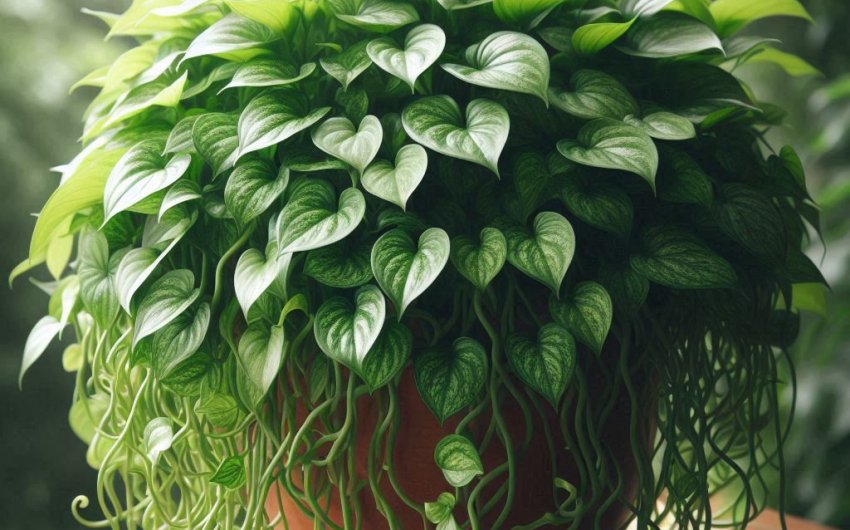
To encourage bushier growth on your Pothos, the most effective strategy is consistent pruning and ensuring adequate light. Pothos naturally tends to grow long, trailing vines, which can lead to a sparse appearance at the top of the plant. When you prune, you cut the tips of these vines, which signals the plant to activate dormant growth nodes (called axillary buds) further down the stem. This results in new side shoots emerging, making the plant look fuller and more compact. Combining regular trimming with sufficient bright, indirect light provides the ideal conditions for a dense, luxuriant Pothos.
Beyond just cutting, a holistic approach to care will also contribute to a bushier plant. This includes providing the right amount of water, appropriate fertilization, and stable environmental conditions. Healthy roots and proper nutrition support the energy needed for new growth. Regularly propagating the cuttings and adding them back to the same pot is another excellent way to increase the plant's fullness over time, giving you a truly voluminous and attractive Pothos display.
How does pruning encourage bushier growth in Pothos?
Pruning is the most effective and direct way to encourage bushier growth in Pothos. Pothos plants grow from their tips, sending out long, trailing vines. When you cut off these growing tips, you remove the source of a hormone called auxin. Auxin is concentrated at the tip of the stem and tells the plant to grow upwards or outwards in a single direction (this is called apical dominance).
When you remove the tip (and thus the auxin source), the plant's energy is redirected to dormant "nodes" or "eyes" along the stem, located just above where a leaf meets the stem. These nodes contain axillary buds, which are potential growth points. Without the dominant signal from the tip, these axillary buds are "activated" and start to sprout new side shoots.
- The result: Instead of one long vine, you now have two or more new vines emerging from the pruned spot, leading to a much fuller and bushier appearance.
- Where to cut: To prune effectively, look for a node on the vine that is at least 4-6 inches back from the tip and has healthy leaves. Make a clean cut just above this node. You can cut back as much as you like, even cutting vines back to just a few inches from the soil, but be prepared for a temporary sparse look before new growth appears.
- Frequency: Regular pruning (e.g., every few months during the growing season) will continuously encourage new side shoots, keeping your Pothos dense and vibrant.
This simple act of cutting tricks the plant into redirecting its growth energy, making it branch out rather than just lengthening existing vines.
What type of light is best for bushy Pothos?
While Pothos plants are known for tolerating low light, providing them with the right amount and type of light is crucial for encouraging bushier growth and vibrant foliage.
- Bright, Indirect Light is Ideal: Pothos thrives in bright, indirect light. This means placing your plant near a window that receives plenty of ambient light but avoids harsh, direct sun exposure, which can scorch the leaves. An east-facing window is often perfect, providing gentle morning sun. A few feet back from a south or west-facing window can also work, where the light is bright but diffused.
- Why Bright Light Helps: In brighter, indirect light, your Pothos will have more energy for photosynthesis. More energy means the plant can support more vigorous growth, including the activation of those lateral buds after pruning. When a Pothos gets sufficient light, its internodes (the spaces between leaves on the vine) will be shorter, making the plant look naturally denser.
- Avoid Low Light: In low light conditions, Pothos vines tend to become leggy and stretched out, with longer distances between leaves. The leaves may also be smaller and lose some of their variegation. While the plant might survive, it won't produce the dense, bushy growth you're aiming for. It's simply trying to stretch towards any available light source.
- Supplemental Lighting: If your indoor space is naturally dim, consider supplementing with a full-spectrum LED grow light for 10-12 hours a day. This can make a significant difference in encouraging compact, bushy growth, especially during winter months.
So, while Pothos is forgiving, providing optimal light is a key ingredient for a truly full and beautiful plant.
How does propagating cuttings and adding them back help create a bushier plant?
Propagating cuttings from your existing Pothos and planting them back into the same pot is an excellent and highly effective way to create a bushier, fuller plant over time.
Here's how it works:
- Take Cuttings: When you prune your Pothos to encourage new growth from the main plant, you'll have vine sections with several nodes. Instead of discarding these, use them to create new plants. Each cutting should have at least 2-3 nodes (where leaves or aerial roots emerge).
- Root the Cuttings: You can root Pothos cuttings in water or directly in soil.
- Water propagation: Place the cuttings in a jar of water, making sure at least one node is submerged. Change the water every few days. Roots will typically start to form within a week or two. Once the roots are a few inches long, they're ready for planting. A clear glass propagation station can make this process enjoyable.
- Soil propagation: Plant the cuttings directly into moist potting mix, ensuring at least one node is buried. Keep the soil consistently damp.
- Plant Back into the Mother Pot: Once your cuttings have established a healthy root system (either in water or soil), you can plant them directly into the soil of your main Pothos pot. Arrange them around the edges or in any sparse areas.
Why this makes the plant bushier: Each successfully rooted cutting will grow into a new plant within the same pot. This dramatically increases the number of individual stems and leaves emerging from the soil, giving the illusion of a much denser and more voluminous plant from the top. Over time, as these new additions grow, your Pothos will transform from a few long vines into a lush, overflowing mound of foliage. This also uses up the cuttings from pruning, preventing waste!
What are the ideal watering habits for bushy Pothos?
Ideal watering habits contribute significantly to the overall health and vigor of your Pothos, which in turn supports its ability to produce bushier growth. While watering doesn't directly cause new side shoots like pruning does, consistently good watering prevents stress that would hinder new growth.
- Let the Soil Dry Out Partially: Pothos prefers its soil to dry out a bit between waterings. The golden rule is to water when the top 1 to 2 inches of soil feel dry to the touch. You can check this by sticking your finger into the soil. For smaller pots, you might water every 7-10 days, but this can vary greatly based on light, temperature, humidity, and pot size.
- Avoid Overwatering: Overwatering is the most common killer of Pothos. Consistently soggy soil leads to root rot, which prevents the roots from absorbing water and nutrients, eventually killing the plant. Signs of overwatering include yellowing leaves (especially lower ones), mushy stems, or a foul smell from the soil. Always ensure your pot has drainage holes.
- Water Thoroughly: When you do water, water thoroughly until you see water draining out of the bottom drainage holes. This ensures that the entire root ball is moistened. Always empty any standing water from the saucer within 15-30 minutes.
- Avoid Underwatering: While Pothos can tolerate some neglect, consistently letting the soil dry out completely and stay dry for too long will stress the plant. Signs of underwatering include drooping or wilting leaves, or crispy, dry leaves.
- Seasonal Adjustments: In the active growing season (spring and summer), your Pothos will use more water and need more frequent watering. In winter, with lower light and slower growth, you'll need to reduce watering frequency significantly.
By striking the right balance with watering, you ensure your Pothos has healthy roots, which are essential for supporting the energy demands of pushing out new, bushy growth.
How does fertilization impact bushiness in Pothos?
Fertilization impacts bushiness in Pothos by providing the necessary nutrients for overall plant health and vigorous growth. While it doesn't directly cause new side shoots like pruning does, a well-fed plant has the energy reserves to activate those dormant buds and support the development of new, strong foliage after pruning.
- During Active Growth: Fertilize your Pothos during its active growing season, which is typically from spring through late summer. This is when the plant is actively producing new leaves and stems, and needs more nutrients.
- Type of Fertilizer: Use a balanced liquid houseplant fertilizer (e.g., 10-10-10 or 20-20-20 NPK ratio). You can also use one slightly higher in nitrogen (the first number in NPK), as nitrogen promotes leafy green growth.
- Dilution and Frequency: Pothos are not heavy feeders. It's always safer to dilute the fertilizer to half or quarter strength of what the product label recommends. Apply this diluted solution every 2-4 weeks during the growing season.
- Avoid Over-fertilizing: Over-fertilization can lead to a buildup of salts in the soil, which can burn the roots and cause leaf tip burn or yellowing. If you see a white crust on the soil or browning leaf tips, flush the soil thoroughly with plain water.
- Stop in Winter: During fall and winter months, when light levels are lower and the plant's growth naturally slows down, you should stop fertilizing completely. The plant doesn't need extra nutrients during its rest period.
By providing consistent, but not excessive, nutrients during the growing season, you give your Pothos the building blocks it needs to produce those desirable bushy, lush shoots. You can find excellent options like Miracle-Gro Indoor Plant Food for easy application.
Does humidity play a role in a bushier Pothos?
While humidity doesn't directly cause bushier growth in the same way pruning does, it plays an important supportive role in overall plant health, which then enables the Pothos to thrive and produce more abundant foliage.
- Pothos and Humidity: Pothos are tropical plants native to rainforests, where humidity levels are naturally high. While they are very adaptable and can tolerate average household humidity, they will perform best and look their most vibrant in moderate to high humidity (50-70%).
- Impact of Low Humidity: In very dry indoor air, especially during winter when heating systems are running, Pothos leaves can suffer. You might see:
- Crispy or brown leaf tips and edges.
- Slower growth, as the plant expends energy trying to conserve moisture.
- Increased susceptibility to pests, particularly spider mites, which thrive in dry conditions and can severely damage foliage, hindering bushiness.
- Encouraging Healthier Growth: When a Pothos is in its preferred humid environment, it is under less stress. This allows it to put more energy into producing healthy, larger leaves and robust stems, and also to recover more quickly from pruning. Less stress means more vigor, which means more potential for those new side shoots.
- How to Increase Humidity:
- Pebble Tray: Place the pot on a shallow tray filled with pebbles and water, ensuring the pot is not sitting directly in the water.
- Humidifier: Use a room humidifier nearby.
- Grouping Plants: Placing several plants together can create a more humid microclimate.
A healthy, stress-free Pothos is a vigorous Pothos, and high humidity is a key component of that health, indirectly contributing to a fuller, more attractive plant.
How does consistent repotting affect Pothos bushiness?
Consistent, but not excessive, repotting plays a role in fostering bushiness in your Pothos by ensuring the plant has fresh nutrients and adequate space for healthy root development. However, Pothos plants generally prefer to be a little bit root-bound, meaning their roots fill the pot snugly.
- When to Repot: You typically only need to repot your Pothos every 1-2 years, or when you see clear signs it has outgrown its pot. Signs include:
- Roots growing out of the drainage holes.
- The plant becoming top-heavy and unstable.
- Water running straight through the soil very quickly, indicating the soil is mostly roots.
- Stunted growth despite proper watering and fertilization.
- Why Repotting Helps:
- Nutrient Replenishment: As a plant grows, it uses up the nutrients in its potting mix. Fresh soil provides a new supply of essential elements.
- Improved Drainage and Aeration: Old potting mix can break down and become compacted, reducing drainage and air circulation around the roots. Fresh, well-draining soil prevents root rot and allows roots to breathe.
- Room for Root Growth: While they like to be root-bound, eventually roots can become so dense they can't take up enough water or nutrients efficiently. Giving them a bit more space allows the roots to expand and better support the top growth.
- Pot Size: When repotting, only increase the pot size by 1-2 inches in diameter. Going to a much larger pot can lead to the soil staying wet for too long, increasing the risk of root rot.
A healthy root system, supported by fresh soil, provides the plant with the energy it needs to respond well to pruning and put out strong, new, bushy growth. If your Pothos is significantly root-bound, it might struggle to grow new shoots regardless of pruning.
What is the right soil type for a bushy Pothos?
The right soil type is fundamental to the health of your Pothos, directly impacting its root health, which then supports its ability to become bushy. Pothos needs a well-draining yet moisture-retentive potting mix.
- Key Characteristics of Ideal Soil:
- Well-Draining: This is paramount. Pothos roots are susceptible to root rot if they sit in soggy conditions. The soil needs to allow excess water to escape quickly.
- Aerated: Besides drainage, the soil needs to have air pockets to allow oxygen to reach the roots, which is vital for their health.
- Moisture-Retentive: While it drains well, it should still be able to hold enough moisture to keep the roots hydrated between waterings.
- Slightly Acidic to Neutral pH: Generally between 6.0 and 7.0.
- Recommended Mix: A good all-purpose houseplant potting mix is a suitable base for Pothos. To enhance it for optimal performance and bushiness, you can amend it:
- Standard Potting Mix: (about 50-60%) – Look for a quality mix that feels light and airy.
- Perlite: (about 20-30%) – This is a highly recommended addition. Perlite is a lightweight, volcanic glass that significantly improves drainage and aeration without adding much weight. You can get a large bag of perlite to mix in.
- Orchid Bark or Coco Coir: (about 10-20%) – These can also be added for improved aeration and to help retain some moisture.
You can often buy pre-mixed "aroid mixes" or general "houseplant mixes" that work well. Always ensure your pot has drainage holes; no soil mix can compensate for a lack of proper drainage. Healthy roots in good soil are the foundation for a vigorously growing and responsive plant that will readily produce bushier growth when pruned.
Does proper air circulation help with bushiness?
While proper air circulation doesn't directly trigger new growth points, it plays a significant indirect role in encouraging a bushier Pothos by promoting overall plant health and preventing issues that could hinder growth.
- Prevents Fungal Diseases: Stagnant, humid air around a plant creates an ideal environment for the development of fungal diseases like powdery mildew or various leaf spots. If your Pothos is battling a fungal infection, its energy will be diverted to fighting the disease rather than producing new, healthy, bushy growth.
- Deters Pests: Some common houseplant pests, particularly spider mites, thrive in still, dry air. Good air circulation can help deter them. A plant suffering from a pest infestation will be stressed and weakened, leading to slower growth and a less bushy appearance.
- Supports Transpiration: Air movement around the leaves helps with the process of transpiration (the plant releasing water vapor). This process helps pull water and nutrients up from the roots. While too much wind can dry out a plant too quickly, gentle air movement is beneficial.
- Promotes Stronger Stems: A plant exposed to gentle air movement will develop slightly stronger stems as it reacts to the subtle "stress" of movement, which can support denser foliage.
To ensure good air circulation for your Pothos:
- Don't overcrowd plants: Give your Pothos enough space around it so air can flow freely.
- Consider a Fan: In a very still room, a small, oscillating fan set on a low setting, not directly blowing on the plant, can be beneficial for overall air movement.
- Avoid Tight Corners: Don't place your Pothos in a very tight corner where air might get trapped.
A healthy plant with good air circulation is less likely to suffer from stress or disease, allowing it to put its energy into responding to pruning and producing that desirable bushy growth.
Can light rotation help with bushy Pothos growth?
Yes, light rotation can indirectly help with bushy Pothos growth by promoting more even and balanced development across the entire plant.
- Even Light Exposure: When a plant sits in the same spot relative to a light source (like a window), the side facing the light will naturally grow more vigorously and densely, while the side away from the light might become sparser, with smaller leaves, or stretch out. This leads to an uneven, lopsided plant.
- Promoting Uniform Bushiness: By rotating your Pothos every week or two, you ensure that all sides of the plant receive adequate light exposure over time. This encourages more uniform growth from all parts of the plant, including the lateral buds that you want to activate for bushiness.
- Preventing Legginess on One Side: Consistent rotation prevents one side of the plant from becoming leggy while the other side is full. When all parts of the plant get sufficient light, they are better able to support the denser growth that pruning encourages.
- Regular Inspection: Rotating your plant also gives you a natural opportunity to inspect all sides for pests, dead leaves, or areas that might need pruning, allowing for more proactive care.
So, while rotation doesn't directly make the plant branch, it ensures that when your Pothos does branch out, that growth is evenly distributed and contributes to an overall fuller, more aesthetically pleasing, and healthier bushy plant.
How does avoiding major stress encourage bushier Pothos?
Avoiding major stress is crucial for encouraging bushier growth in your Pothos because a stressed plant diverts its energy from producing new, vigorous shoots to simply surviving. When a plant is stressed, its defense mechanisms kick in, and growth, especially new branching, becomes a low priority.
Common stressors for Pothos include:
- Drastic Temperature Changes: Sudden cold drafts, placement near heating/AC vents, or extreme hot/cold fluctuations can stress the plant, leading to leaf drop or wilting.
- Underwatering/Overwatering: Inconsistent or incorrect watering habits are leading causes of stress, impacting root health and nutrient uptake.
- Low Light: Chronic low light will cause the plant to become leggy and weak, unable to support bushy growth.
- Severe Pest Infestations: A heavy attack by pests like spider mites or mealybugs drains the plant's energy and nutrient reserves.
- Poor Soil or Drainage: Compacted, old, or improperly draining soil can choke roots and lead to nutrient deficiencies or root rot.
- Moving Frequently: While rotating for light is good, constantly moving the plant to completely different environments can be a stressor.
When your Pothos is stressed, its energy is spent on trying to recover. It might drop leaves, stop growing altogether, or grow very slowly with small, weak leaves. In this state, pruning for bushiness might not yield the desired results, as the plant lacks the vigor to push out new shoots.
By providing consistent, optimal care – the right light, consistent watering, good soil, proper humidity, and regular pest checks – you keep your Pothos healthy and low-stress. A healthy, happy Pothos has abundant energy reserves, making it much more responsive to pruning and capable of producing strong, lush, bushy growth.
What is the "chop and propagate" method for maximum bushiness?
The "chop and propagate" method is an aggressive yet highly effective strategy to achieve maximum bushiness in a Pothos, especially if you have very long, leggy vines with sparse leaves at the top. It essentially involves cutting back the entire plant significantly and using all the healthy cuttings to re-plant into the original pot.
Here's how it works:
- Chop the Viness: Identify all your long, leggy Pothos vines. Instead of just pruning the tips, you will cut these vines back much more severely. You can cut them back to just a few inches from the soil line, or wherever you see healthy nodes close to the pot. Don't be afraid; Pothos are incredibly resilient.
- Prepare Cuttings: Take all the healthy sections of the vines you just cut. For each cutting, ensure it has at least 2-3 nodes. Remove any lower leaves that would be submerged in water or buried in soil.
- Propagate Everything: Place all your prepared cuttings into water or directly into moist potting mix. If rooting in water, use several jars if needed, making sure the nodes are submerged. If rooting in soil, gently push 1-2 nodes into the potting mix.
- Replant into Original Pot: Once your cuttings have developed a robust root system (typically when water roots are a few inches long, or soil-rooted cuttings show new leaf growth), carefully plant them all into the original pot of your mother Pothos. Arrange them around the base of the existing plant, filling in any gaps. You can use a fresh batch of potting mix when replanting.
- Ongoing Care: Continue with optimal Pothos care: bright, indirect light, consistent watering, and appropriate fertilization.
Why it works for maximum bushiness:
- Massive New Growth from Mother Plant: The severe "chop" triggers a huge flush of new growth from almost all viable nodes on the remaining stems in the pot, making the base incredibly full.
- Increased Plant Count: By replanting dozens of rooted cuttings, you're essentially putting many new individual plants into one pot. This rapidly multiplies the total number of stems and leaves.
The result is a transformation from a leggy plant with a few long vines to a tremendously dense, full, and vibrant Pothos that appears to be overflowing with foliage. This method is fantastic for giving an old, tired Pothos a complete makeover.