
Can I grow a dwarf citrus tree inside?
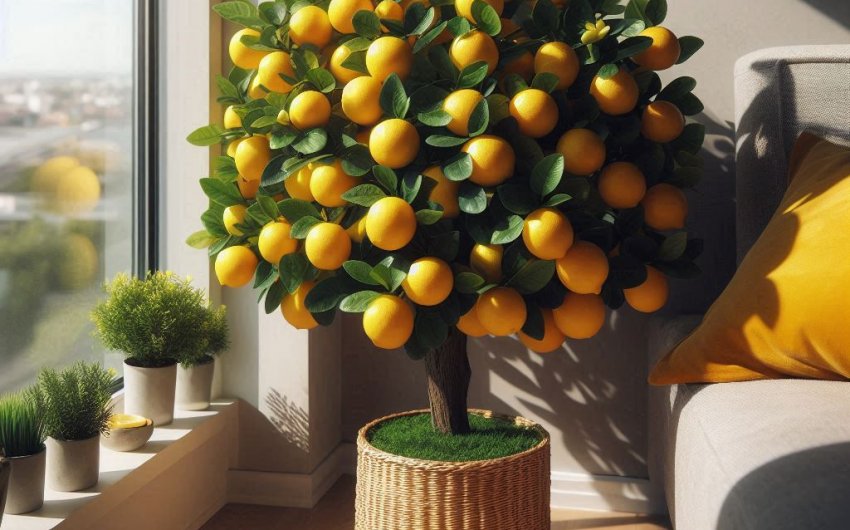
Yes, you absolutely can grow a dwarf citrus tree inside, and it's a wonderfully rewarding experience to harvest your own fresh lemons, limes, or oranges right from your living room! Dwarf citrus trees are specially grafted varieties that stay compact, making them perfect for container growing indoors. While they can thrive inside, they do have specific needs that must be met to ensure they fruit and stay healthy. The most critical factors are abundant light, consistent watering, high humidity, and proper fertilization. With the right care, these trees can bring beautiful foliage, fragrant blossoms, and delicious fruit to your home year-round.
Success with indoor dwarf citrus hinges on understanding their tropical origins. They crave sunshine, warmth, and humidity, which means you'll likely need to supplement natural light with grow lights, manage your watering carefully to avoid soggy soil, and take steps to boost the humidity around them, especially in dry indoor environments. Providing these ideal conditions, along with appropriate pruning and pest management, will allow your dwarf citrus tree to flourish and become a productive and attractive addition to your indoor plant collection.
What are the best dwarf citrus varieties for indoor growing?
When considering growing a dwarf citrus tree inside, choosing the right variety is key to success. Some types are much more tolerant of indoor conditions than others. Here are some of the best dwarf citrus varieties for indoor growing:
- Meyer Lemon (Citrus x meyeri): This is perhaps the most popular and easiest citrus to grow indoors. It's a hybrid between a lemon and a mandarin orange, resulting in a less acidic, sweeter, and thinner-skinned lemon. Meyer lemons are very productive and tolerate indoor conditions well, often blooming and fruiting year-round.
- Dwarf Calamondin Orange (Citrus mitis): Often called "Calamansi," this tiny, sour orange is another excellent choice for beginners. It's an attractive, compact tree that produces small, intensely flavored fruits used in cooking and beverages. It's very hardy and fruits prolifically.
- Key Lime (Citrus aurantifolia 'Mexican'): If you love key lime pie, this is your indoor tree! Dwarf Key Limes are quite adaptable to indoor life, producing small, highly aromatic limes that are essential for their famous pie. They tend to be thornier than other varieties.
- Kumquat (Citrus japonica): Kumquats are unique because you eat the entire fruit, rind and all. The rind is sweet, and the pulp is tart. They are relatively cold-tolerant for citrus and adapt well to indoor container life, producing abundant fruit. Varieties like 'Nagami' or 'Meiwa' are good choices.
- Dwarf Persian Lime (Citrus latifolia 'Bearss'): This is the common seedless lime found in supermarkets. While perhaps a bit more challenging than a Meyer Lemon, a dwarf Persian Lime can still be grown successfully indoors with good light.
When purchasing, look for trees specifically labeled "dwarf" or "improved dwarf" as they are grafted onto a dwarfing rootstock, ensuring they stay compact and manageable for container growing.
What are the light requirements for an indoor dwarf citrus tree?
Light is the single most important factor for successfully growing a dwarf citrus tree indoors. Citrus trees are sun-loving plants that thrive in full sun outdoors, meaning they need a lot of bright light to produce flowers and fruit.
- Minimum Light: An indoor dwarf citrus tree needs at least 6-8 hours of direct sunlight per day. This is crucial for flowering and fruiting.
- Ideal Placement: The best spot in your home is directly in front of a south-facing window (in the Northern Hemisphere) where it can receive the maximum amount of direct sun throughout the day. West-facing windows can also work, but watch for scorching in intense afternoon sun during summer. East-facing windows usually don't provide enough direct light for fruiting, though the tree might survive.
- Supplemental Grow Lights: In most indoor environments, especially during shorter winter days, natural light alone is simply not enough. You will almost certainly need to provide supplemental grow lights.
- Type: A full-spectrum LED grow light is highly recommended. These lights mimic natural sunlight and provide the necessary spectrum for vegetative growth and flowering/fruiting.
- Duration: Position the grow light 6-12 inches above your tree and keep it on for 12-16 hours per day. Use a timer to ensure consistency.
- Intensity: Choose a grow light powerful enough for fruiting plants. Basic desk lamps or standard household LEDs typically won't provide the intensity needed for flowering and fruit development.
Insufficient light will lead to pale leaves, spindly growth, lack of flowering, and fruit drop. Providing ample light is foundational to a productive indoor citrus tree.
How often should I water my indoor dwarf citrus tree?
Watering an indoor dwarf citrus tree requires a careful balance, as they hate both soggy feet and completely dry soil. Overwatering is a common problem, leading to root rot, while underwatering can cause stress and leaf drop.
- Check Soil Moisture: The best approach is to water when the top 1-2 inches of soil feel dry to the touch. You can use your finger to check, or a plant moisture meter for more accuracy. Don't water on a fixed schedule, as the tree's needs will change based on light, temperature, humidity, and its growth cycle.
- Water Thoroughly: When you do water, water slowly and deeply until you see water draining out of the bottom drainage holes. This ensures that the entire root ball is moistened.
- Drainage is Crucial: Always use a pot with drainage holes. Never let your citrus tree sit in standing water in its saucer. Empty the saucer within 15-30 minutes after watering. Good drainage is key to preventing root rot.
- Water Quality: Citrus trees can be sensitive to chemicals in tap water, especially chlorine and fluoride, and can also suffer from salt buildup. If your tap water is heavily chlorinated, let it sit out for 24 hours before using it, or consider using filtered water or rainwater.
- Seasonal Adjustments: In the active growing season (spring and summer), you might need to water more frequently. In winter, with lower light and cooler temperatures, the tree will use less water, so reduce your watering frequency significantly.
Consistently checking the soil and watering appropriately will keep your dwarf citrus tree hydrated and healthy.
What is the ideal temperature and humidity for an indoor dwarf citrus tree?
Temperature and humidity are vital for mimicking the tropical and subtropical environments where citrus trees naturally thrive.
- Temperature: Dwarf citrus trees prefer consistent temperatures.
- Daytime: Ideally between 65°F and 85°F (18°C - 29°C).
- Nighttime: Slightly cooler temperatures, around 55°F to 65°F (13°C - 18°C), are often beneficial for encouraging flowering and fruit set. Avoid drastic temperature swings.
- Avoid Extremes: Keep your citrus tree away from cold drafts from windows or doors, and away from direct blasts of hot, dry air from heating vents or radiators. Such extremes can cause stress, leading to leaf drop.
- Humidity: Citrus trees prefer moderate to high humidity, ideally above 50%. Dry indoor air, especially during winter when heating systems are running, is a common issue and can lead to problems like leaf drop, brown leaf tips, and increased susceptibility to spider mites.
- Increase Humidity:
- Humidifier: The most effective way to maintain consistent humidity is to use a room humidifier placed near your citrus tree.
- Pebble Tray: Place the pot on a shallow tray filled with pebbles and add water to just below the bottom of the pot. As the water evaporates, it creates a more humid microclimate around the tree.
- Grouping Plants: Placing several plants together can also slightly increase local humidity due to transpiration.
- Misting: While misting the leaves can offer a temporary boost, it's generally not sufficient on its own and can sometimes encourage fungal issues if air circulation is poor.
- Increase Humidity:
Providing stable temperatures and sufficient humidity will help your dwarf citrus tree thrive and produce fruit.
What kind of soil mix is best for an indoor dwarf citrus tree?
The right soil mix is paramount for an indoor dwarf citrus tree. It needs a very specific type of potting medium that provides excellent drainage while still retaining enough moisture and nutrients. Standard potting mixes are often too dense and hold too much water, which can lead to root rot.
Key Characteristics: The ideal citrus potting mix should be:
- Extremely well-draining: To prevent waterlogging and root rot.
- Aerated: Allowing plenty of oxygen to reach the roots.
- Moisture-retentive: To provide consistent moisture without drying out too quickly.
- Slightly acidic: Citrus trees prefer a slightly acidic pH, typically between 6.0 and 7.0.
Recommended Mix Components: A good mix can be created by combining several ingredients:
- Pine Bark Fines (Or Orchid Bark): This is often the largest component (40-50%). It provides excellent drainage, aeration, and breaks down slowly.
- Coarse Perlite or Pumice: (20-30%) These lightweight volcanic materials improve drainage and aeration, and also retain some moisture.
- Peat Moss or Coco Coir: (10-20%) These provide moisture retention and some organic matter, but should not be the dominant component.
- Compost or Worm Castings: (small amount, 5-10%) For nutrient enrichment.
- Optional: Horticultural Charcoal: Helps with drainage and absorbs impurities.
You can often find specialized citrus potting mixes at garden centers or online, such as FoxFarm Ocean Forest Potting Soil, which is a good base that often needs a bit more perlite or bark added for optimal citrus drainage. No matter the mix, ensure the pot always has large drainage holes at the bottom.
How and when should I fertilize my indoor dwarf citrus tree?
Fertilization is absolutely critical for an indoor dwarf citrus tree because they are heavy feeders, especially when actively growing and producing fruit. Since they are in containers, their access to nutrients is limited to what you provide.
- Timing: Fertilize during the active growing season, typically from early spring through late summer or early fall. During winter months, when light levels are lower and growth slows, significantly reduce or completely stop fertilization. Fertilizing a dormant tree can cause root burn and salt buildup.
- Type of Fertilizer: Use a balanced fertilizer specifically formulated for citrus trees. These fertilizers often have a higher nitrogen content and contain essential micronutrients like iron, zinc, manganese, and magnesium, which citrus trees need. An NPK ratio of around 5-1-3 or 3-1-2 is often suitable.
- Application Rate: Follow the product instructions carefully, but for indoor citrus, it's generally recommended to use a diluted solution, especially if you're fertilizing frequently. Some growers use a very dilute solution (e.g., quarter strength) with every watering, while others use a full-strength solution every 2-4 weeks. Adjust based on your tree's response.
- Frequency: During active growth, citrus trees can be fertilized as often as every watering (with highly diluted solution) or every 2-4 weeks (with moderately diluted solution).
- Application: Always water your citrus tree thoroughly before fertilizing to prevent root burn. Never apply fertilizer to dry soil.
- Signs of Deficiency: Pale or yellowing leaves (especially between the veins, indicating chlorosis) are often signs of nutrient deficiencies, particularly iron or magnesium, which a good citrus fertilizer should address.
Proper and consistent fertilization will ensure your dwarf citrus tree has the energy it needs to flower and produce delicious fruit.
When should I repot my indoor dwarf citrus tree?
Repotting an indoor dwarf citrus tree is necessary for its long-term health, as it allows you to replenish depleted nutrients, refresh the soil, and provide more space for root growth.
- Frequency: Dwarf citrus trees typically need to be repotting every 1-3 years, depending on their growth rate and size. Younger, more vigorously growing trees might need it annually, while older, more established trees might go 2-3 years between repots.
- Signs it's time to repot:
- Roots growing out of the drainage holes.
- The tree appears top-heavy or unstable in its pot.
- Water drains straight through the soil very quickly, indicating the soil is compacted or mostly roots.
- Growth has slowed significantly, and the tree seems generally unhealthy despite proper care.
- Timing: The best time to repot is in early spring, just before new growth begins. This allows the tree to recover from the stress of repotting as it enters its active growing season.
- Pot Size: When repotting, choose a pot that is only 1-2 inches larger in diameter than the current one. Going too large can lead to the soil staying wet for too long, increasing the risk of root rot. Ensure the new pot has ample drainage holes. You can find quality citrus tree pots that are well-suited.
- Repotting Process:
- Gently remove the tree from its current pot.
- Carefully inspect the root ball. You can gently tease apart some circling roots, but avoid aggressive root pruning unless you see signs of rot (mushy, dark roots).
- Add a layer of fresh, well-draining citrus potting mix to the bottom of the new pot.
- Center the tree and fill around the root ball with more fresh soil, gently tamping it down. Leave about an inch of space from the rim for watering.
- Water thoroughly after repotting to settle the soil.
After repotting, avoid fertilizing for about 4-6 weeks to allow the roots to establish themselves.
How do I prune an indoor dwarf citrus tree?
Pruning an indoor dwarf citrus tree is important for maintaining its shape, size, promoting bushy growth, encouraging fruit production, and removing dead or diseased wood.
- Timing:
- Light Maintenance Pruning: Can be done year-round as needed to remove crossing branches or spent growth.
- Heavier Pruning (Structural/Shaping): Best done in late winter or early spring before new growth begins, or after a fruit harvest.
- What to Prune:
- Dead, Diseased, or Damaged Branches: Remove these immediately whenever you spot them to prevent spread and improve plant health.
- Suckers and Water Sprouts: These are fast-growing shoots that emerge from the rootstock below the graft union (suckers) or from the main branches (water sprouts). They are often vigorous and thorny and should be removed as soon as they appear, as they divert energy from the main tree.
- Crossing or Rubbing Branches: Remove branches that are growing into each other or rubbing, as this can create wounds.
- Interior Growth: Thin out dense growth in the center of the canopy to improve air circulation and light penetration, which helps prevent diseases and encourages better fruit development.
- Shaping: Prune to maintain the desired size and shape. You can also pinch back growing tips to encourage more branching and a bushier appearance.
- Leggy Growth: If the tree becomes spindly due to insufficient light, prune back leggy stems to encourage denser growth once light conditions are improved.
- How to Prune: Use sharp, clean pruning shears. Make clean cuts just above a leaf node or a side branch, cutting at a slight angle.
Regular, thoughtful pruning will keep your dwarf citrus tree compact, healthy, and more productive.
How do I pollinate my indoor dwarf citrus tree?
Unlike many fruit trees that require cross-pollination, most dwarf citrus trees are self-fertile, meaning they can produce fruit with their own pollen. However, indoors, there are no bees or other insects to help transfer pollen, so you'll need to hand-pollinate your flowers to ensure a good fruit set.
- Timing: Hand-pollinate when your citrus tree is in full bloom. You'll see numerous fragrant white flowers. The best time to pollinate is usually mid-morning to early afternoon when the pollen is most likely to be viable.
- How to Hand-Pollinate:
- Identify the parts: Look closely at the flower. You'll see a central pistil (the female part, with a sticky tip called the stigma) surrounded by numerous stamens (the male parts, with powdery yellow pollen at their tips, called anthers).
- Collect Pollen: Gently touch a small, soft paintbrush, a Q-tip, or even your finger to the anthers of several flowers to pick up the yellow pollen. You might see a fine powder on your tool.
- Transfer Pollen: Gently dab the pollen-covered tool onto the sticky tip (stigma) of the pistil of the same flower, and then move to other flowers, repeating the process. You want to transfer pollen from the anthers of one flower to the stigma of another, or even different parts of the same flower.
- Repeat: Do this daily for as long as the flowers are open. The more effectively you transfer pollen, the more likely the flowers are to set fruit.
After successful pollination, the petals will fall off, and a tiny green fruit will begin to swell at the base of the flower. If the fruit turns yellow and drops prematurely, it can be a sign of insufficient pollination, or possibly insufficient light or water.
What are common problems with indoor dwarf citrus trees and how do I fix them?
Growing indoor dwarf citrus trees can present some challenges, but most problems can be identified and corrected with good observation and proper care.
- Leaf Drop:
- Cause: This is a very common issue. Often due to sudden environmental changes (moving the tree), underwatering or overwatering, low humidity, or insufficient light.
- Solution: Assess your watering routine. Increase humidity. Ensure adequate, consistent light. Avoid drastic temperature swings.
- Yellowing Leaves (Chlorosis):
- Cause: Most often a sign of nutrient deficiency, particularly iron or magnesium. Can also be from overwatering (leading to root rot).
- Solution: Ensure you're using a citrus-specific fertilizer that includes micronutrients. Fertilize consistently during the growing season. Check soil moisture to rule out overwatering.
- Lack of Flowering or Fruiting:
- Cause: Insufficient light is the most common reason. Other causes include lack of fertilizer, too small a pot, or insufficient hand-pollination.
- Solution: Provide at least 6-8 hours of direct sun daily, supplemented with a powerful grow light. Fertilize regularly during the growing season. Hand-pollinate vigorously when in bloom.
- Fruit Drop:
- Cause: Often due to lack of pollination, insufficient light, underwatering, or sudden changes in conditions (e.g., drafts).
- Solution: Ensure good hand-pollination. Provide optimal light. Maintain consistent watering and stable temperatures.
- Pests (Spider Mites, Scale, Mealybugs):
- Cause: Dry indoor air (especially for spider mites). Can be introduced from new plants.
- Solution: Inspect regularly. Increase humidity. Treat with neem oil or insecticidal soap immediately upon detection.
- White Crust on Soil Surface:
- Cause: Buildup of salts from tap water or fertilizer.
- Solution: Water thoroughly until water runs out, letting excess salts drain. Use filtered water or rainwater. Consider leaching the soil by running a large volume of plain water through it periodically.
Consistent monitoring and prompt action will help keep your dwarf citrus tree healthy and productive.
What type of pot is best for an indoor dwarf citrus tree?
Choosing the right type of pot is crucial for an indoor dwarf citrus tree, as it directly affects drainage, soil aeration, and the overall health of the roots.
- Drainage Holes are Non-Negotiable: This is the most important factor. The pot must have multiple large drainage holes at the bottom. Citrus trees are highly susceptible to root rot if their roots sit in standing water. Never use a pot without drainage holes unless you intend to use it as a cachepot (decorative outer pot) and remove the plant in its nursery pot for watering.
- Material Considerations:
- Terra Cotta / Clay Pots: These are highly recommended for citrus. Their porous nature allows excess moisture to evaporate through the pot walls, helping the soil dry out more quickly and improving air circulation around the roots. This reduces the risk of overwatering. However, it also means you might need to water more frequently.
- Plastic Pots: While less ideal than terra cotta for drainage, good quality plastic pots with ample drainage holes can work. They retain moisture longer, which might be beneficial in very dry environments or for those who tend to underwater, but require more careful monitoring to prevent overwatering. They are also lighter, which can be a plus for moving large trees.
- Glazed Ceramic Pots: These are non-porous like plastic and also retain moisture. They can be very decorative. If using a glazed pot, ensure it has large drainage holes.
- Size: When repotting, size up only by 1-2 inches in diameter. Citrus trees don't like to be in excessively large pots, as the large volume of soil can stay wet for too long, leading to root rot. A healthy root-to-pot ratio is important.
A good terra cotta pot with a saucer that you regularly empty will provide the best environment for your indoor dwarf citrus tree's roots.
Can I put my indoor dwarf citrus tree outdoors in summer?
Yes, absolutely! Moving your indoor dwarf citrus tree outdoors for the summer is highly recommended and can significantly benefit its health and productivity. Citrus trees are, at their heart, outdoor plants that love sunshine and fresh air.
Benefits of Outdoors:
- Abundant Sunlight: Even the brightest indoor window can't compare to natural outdoor sunlight. This increased light intensity is crucial for robust growth, prolific flowering, and excellent fruit production.
- Better Air Circulation: Natural breezes reduce the risk of fungal diseases and deter common indoor pests like spider mites.
- Natural Temperature Swings: The natural day-night temperature fluctuations outdoors are beneficial for citrus, often promoting flowering.
- Natural Pollination: Bees and other pollinators outdoors will naturally pollinate your flowers, potentially leading to a better fruit set without manual effort.
- Rainwater: Rainwater is soft and free of salts and chemicals found in tap water, which can help flush out accumulated salts from the soil.
Timing: Move your tree outdoors after all danger of frost has passed in spring, and nighttime temperatures are consistently above 50°F (10°C).
- Hardening Off (Acclimatization): This is crucial! Do not move your citrus tree directly from an indoor spot into full, direct outdoor sun. The sudden intensity can severely burn the leaves.
- Week 1: Place the tree in a very shady, sheltered spot outdoors (e.g., under a patio cover or a dense tree).
- Week 2: Move it to a spot with partial shade or morning sun only.
- Week 3 onwards: Gradually move it to a spot that receives full sun, monitoring the leaves for any signs of scorching.
- Bringing Indoors: Bring your tree back indoors in the fall before nighttime temperatures consistently drop below 50°F (10°C). Inspect it thoroughly for any pests before bringing it inside to avoid infesting your other houseplants. A gentle hose-down can help remove hitchhikers.
Spending the summer outdoors can significantly rejuvenate your dwarf citrus tree and lead to a more bountiful harvest.
What is the expected fruit production from an indoor dwarf citrus tree?
The expected fruit production from an indoor dwarf citrus tree can vary significantly based on the tree's age, variety, and most importantly, the care it receives, especially regarding light and fertilization.
- Flowering and Fruiting Cycle: Many dwarf citrus varieties, like the Meyer Lemon and Calamondin, are known for their ability to bloom and set fruit almost continuously throughout the year when given ideal conditions. You might see flowers and ripening fruit on the tree at the same time.
- Factors Affecting Production:
- Light: As mentioned, insufficient light is the primary reason for poor fruiting. Without enough light, the tree won't have the energy to produce many flowers, and any fruit that sets may drop prematurely.
- Pollination: While most are self-fertile, hand-pollination is essential indoors to ensure good fruit set.
- Fertilization: Citrus trees are heavy feeders. Consistent and proper fertilization during the growing season is crucial for fruit development.
- Tree Age and Size: Younger, smaller trees will produce fewer fruits than larger, more mature trees. It takes energy for the tree to produce fruit, so very young trees might produce only a few, or even none, in their first year or two.
- Overall Health: A stressed or unhealthy tree (due to pests, improper watering, etc.) will prioritize survival over fruit production.
- Quantity: You won't get a commercial-sized harvest from a single dwarf indoor tree, but you can expect a very satisfying amount of fruit for home use. A mature, well-cared-for Meyer lemon could produce dozens of lemons throughout the year. Calamondins and Kumquats are often even more prolific, producing hundreds of smaller fruits.
The reward of picking your own fresh, fragrant fruit from a tree thriving indoors is immeasurable, making the effort of providing optimal care truly worthwhile.