
What’s the ideal care routine for a parlor palm?
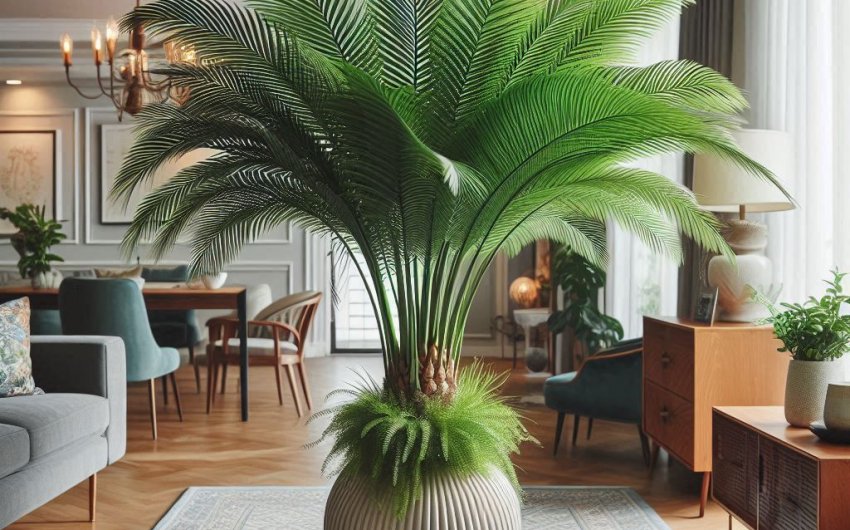
The ideal care routine for a parlor palm (Chamaedorea elegans) focuses on mimicking its natural understory habitat: bright, indirect light, consistent moisture without waterlogging, and moderate to high humidity. These popular houseplants are known for being relatively low-maintenance and tolerant of various indoor conditions, making them excellent choices for beginners. However, providing the right environment will ensure your palm remains lush and vibrant. Key practices include placing it in a well-lit spot away from direct sun, watering when the top few inches of soil are dry, and protecting it from dry air and sudden temperature changes.
Consistency is more important than perfection for a parlor palm. They prefer stability and don't appreciate being moved around too much or experiencing drastic shifts in their environment. By paying attention to its fundamental needs for light, water, and humidity, and keeping an eye out for common issues, your parlor palm can thrive and bring a touch of the tropics to your indoor space for many years. Regular observation of its fronds and soil will be your best guide to a successful care routine.
What are the light requirements for a parlor palm?
Parlor palms thrive in bright, indirect light. In their native habitat, they grow as understory plants in rainforests, meaning they are accustomed to filtered light that dapples through a canopy of taller trees. This makes them perfectly suited for typical indoor environments where direct, harsh sunlight can be limited.
- Ideal Placement: An ideal spot for a parlor palm is near a north-facing window, or several feet back from an east- or west-facing window. These locations provide ample brightness without the intensity of direct sun that can scorch their delicate fronds.
- Avoid Direct Sun: Direct sunlight can cause the fronds to yellow, brown, or develop crispy tips, and in severe cases, can burn the foliage. While a very brief period of gentle morning sun might be tolerated, it's generally best to keep them out of direct rays.
- Low Light Tolerance: Parlor palms are quite tolerant of lower light conditions compared to many other houseplants, which is one reason they are so popular. However, in very low light, their growth will slow significantly, and the fronds may become sparse or stretched out (leggy). If your room is dim, consider supplementing with a small LED grow light placed a few feet away, but avoid intense full-spectrum lights that mimic outdoor sun.
- Rotation: Rotate your palm every few weeks to ensure all sides receive even light exposure, which promotes symmetrical growth.
Providing the right amount of light is crucial for the overall health and vibrancy of your parlor palm.
How often should I water a parlor palm?
Watering is a critical aspect of parlor palm care, and finding the right balance is key to preventing common problems like root rot or crispy fronds. Parlor palms prefer consistent moisture but absolutely hate sitting in soggy soil.
- Check Soil Before Watering: The golden rule is to water when the top 1 to 2 inches of soil feel dry to the touch. You can check this by sticking your finger into the soil. For smaller pots, you might find yourself watering once a week or every 10 days during the active growing season (spring and summer). In winter, when light is lower and growth slows, you will need to reduce your watering frequency significantly, perhaps every 2-3 weeks.
- Water Thoroughly: When you do water, water thoroughly until you see water draining out of the bottom drainage holes. This ensures that the entire root ball is moistened.
- Drainage is Key: Always use a pot with drainage holes. Never let your parlor palm sit in standing water in its saucer. Dump out any excess water within 15-30 minutes of watering to prevent roots from rotting.
- Lukewarm Water: Use lukewarm or room-temperature water. Cold water can shock the roots.
- Avoid Overwatering: Overwatering is the most common killer of parlor palms. Signs include yellowing lower fronds, mushy stems, or a foul smell from the soil. If you suspect overwatering, let the soil dry out much more thoroughly before watering again. Using a plant moisture meter can also help you gauge soil moisture accurately.
By adjusting your watering to the plant's needs and the environmental conditions, you can keep your parlor palm happy and hydrated.
What is the ideal temperature and humidity for a parlor palm?
Parlor palms are sensitive to their environment, and maintaining consistent temperatures and moderate to high humidity is vital for their health.
- Temperature: They thrive in typical indoor temperatures, ideally between 65°F and 80°F (18°C - 27°C). They can tolerate slightly cooler temperatures, down to about 50°F (10°C), but prefer to stay warmer.
- Avoid extremes: Keep your parlor palm away from drafty windows, exterior doors, and heating or air conditioning vents. Sudden blasts of hot or cold air can stress the plant, leading to brown fronds or leaf drop.
- Humidity: As rainforest understory plants, parlor palms appreciate moderate to high humidity, ideally above 50%. Dry indoor air, especially during winter due to heating systems, is a common problem and can lead to brown tips or crispy fronds.
- Increase Humidity:
- Pebble Tray: Place the pot on a shallow tray filled with pebbles and water. Ensure the bottom of the pot is not sitting in the water. As the water evaporates, it creates a more humid microclimate around the plant.
- Humidifier: The most effective way to increase ambient humidity is to use a room humidifier nearby.
- Grouping Plants: Placing several plants together can increase local humidity, as plants release moisture through transpiration.
- Misting: Misting the fronds occasionally can provide a temporary boost, but it's generally not sufficient on its own for long-term humidity needs. If you mist, ensure good air circulation to prevent fungal issues.
- Increase Humidity:
Consistent temperature and adequate humidity will help your parlor palm maintain its lush green appearance and prevent unsightly browning.
What kind of soil mix is best for a parlor palm?
The right soil mix is crucial for a parlor palm because it directly impacts its ability to get water and oxygen. Parlor palms need a potting mix that drains well but still holds onto some moisture, mimicking the rich, loamy soil found in their natural forest floor environment.
Key Characteristics: The ideal soil mix should be:
- Well-draining: To prevent root rot, which is a common problem if the roots sit in soggy conditions.
- Aerated: Allowing air to reach the roots for healthy growth.
- Moisture-retentive: So it doesn't dry out too quickly, providing consistent hydration.
- Slightly acidic to neutral pH: Generally between 6.0 and 7.0.
Recommended Mix: A good all-purpose potting mix designed for houseplants is often a suitable base. You can enhance it by adding amendments to improve drainage and aeration. A good blend might include:
- Standard Potting Mix: (about 50-60%) – Look for one with good organic matter.
- Perlite: (about 20-30%) – A lightweight, volcanic glass that improves drainage and aeration.
- Coarse Sand or Horticultural Grit: (about 10-20%) – Helps with drainage and adds weight.
- Peat Moss or Coco Coir: (optional, small amount) – To improve moisture retention if your base mix is too fast-draining.
You can purchase a quality houseplant potting mix and amend it, or look for specific palm or tropical plant mixes. Always ensure the pot has proper drainage holes; no soil mix can compensate for a lack of drainage.
How and when should I fertilize my parlor palm?
Fertilizing your parlor palm provides essential nutrients for its growth, especially since it's confined to a pot and can't access nutrients from a wider soil area. However, parlor palms are not heavy feeders, and over-fertilization can quickly harm them.
- Timing: Fertilize only during the active growing season, which is typically from spring through late summer. During fall and winter, when light levels are lower and the plant's growth naturally slows down, you should stop fertilizing completely. Fertilizing a dormant or slow-growing plant can lead to a buildup of salts in the soil, which can burn the roots and damage the plant.
- Type of Fertilizer: Use a balanced liquid houseplant fertilizer with an NPK ratio suitable for foliage plants (e.g., 8-2-12, 10-10-10, or a specific palm fertilizer). Look for one that contains micronutrients like magnesium and iron, which are important for palms.
- Dilution and Frequency: The most important rule is to dilute the fertilizer to half or even quarter strength of what the product label recommends. Apply this diluted solution every 2-4 weeks during the growing season. Parlor palms are sensitive to too much fertilizer, so less is always more.
- Application: Always water your parlor palm thoroughly before fertilizing. Applying fertilizer to dry soil can cause severe root burn.
If you see brown tips on your fronds, and you've ruled out low humidity or inconsistent watering, over-fertilization could be a cause. If this happens, flush the soil with plain water to wash out excess salts.
When should I repot my parlor palm?
Repotting is a necessary part of parlor palm care, but these plants generally prefer to be a little bit root-bound, meaning their roots fill the pot snugly. They also grow relatively slowly, so they don't need frequent repotting.
- Frequency: You typically only need to repot your parlor palm every 2-3 years, or even less often if it's growing very slowly. Young, vigorously growing palms might need it more often, perhaps every 1.5-2 years.
- Signs it's time to repot:
- Roots growing out of the drainage holes. This is the clearest sign.
- The plant is pushing itself up out of the pot.
- Water drains straight through very quickly without soaking into the soil, indicating the soil is mostly roots.
- Growth has significantly slowed, and the plant seems generally unhealthy despite proper care.
- Timing: The best time to repot is in early spring, just as the plant is beginning its active growing season. This allows it to recover from the stress of repotting quickly.
- Pot Size: When repotting, choose a pot that is only 1-2 inches larger in diameter than the current pot. Going too large can lead to the soil staying wet for too long, increasing the risk of root rot.
- Repotting Process:
- Gently remove the palm from its current pot.
- Loosen any circling roots at the bottom or sides of the root ball. You don't need to aggressively prune the roots unless they are extensively rotten.
- Add a layer of fresh, well-draining potting mix to the bottom of the new pot.
- Center the palm and fill around the root ball with more fresh soil, gently tamping it down.
- Water thoroughly after repotting to settle the soil.
After repotting, avoid fertilizing for about a month to allow the roots to establish themselves in the new soil.
How do I prune a parlor palm?
Pruning a parlor palm is usually minimal and mainly done for aesthetic reasons or to remove dead or damaged fronds. Unlike many other houseplants, parlor palms grow from a central point and cannot be pruned back to encourage bushier growth. Cutting the top off will likely kill the growth point.
- What to Prune:
- Yellow or Brown Fronds: As your parlor palm grows, older, lower fronds will naturally yellow and eventually turn brown. This is a normal part of the plant's life cycle.
- Crispy Tips: If your palm has brown, crispy tips due to low humidity or inconsistent watering, you can trim these off for a neater appearance.
- Damaged or Diseased Fronds: Remove any fronds that are clearly damaged or show signs of disease to maintain the plant's health.
- How to Prune:
- Use sharp, clean scissors or pruning shears.
- Cut the frond as close to the base of the plant as possible, near the soil line.
- Only prune fronds that are completely yellow or brown. If a frond is only partially discolored, it's still contributing to photosynthesis, so let it continue to do its job until it's fully spent.
- Do not cut the growing tip or the main stem. This can severely harm or kill the plant, as parlor palms do not branch out when cut back like other plants. Each frond emerges directly from the base.
Regularly inspecting your parlor palm allows you to catch and prune dead fronds, keeping your plant looking tidy and healthy. Avoid over-pruning, as the plant needs its fronds for energy production.
What are common problems with parlor palms and how do I fix them?
Even though parlor palms are considered easy-care, they can still experience problems. Knowing the common issues and their fixes will help you keep your plant healthy.
- Brown Tips / Crispy Edges:
- Cause: The most common sign of low humidity or inconsistent watering (either too dry between waterings or mineral buildup from tap water).
- Solution: Increase humidity with a pebble tray or humidifier. Water consistently when the top soil is dry. Consider using filtered water or letting tap water sit out overnight.
- Yellowing Fronds:
- Cause: Often indicates overwatering (leading to root rot) or underwatering. Can also be a sign of insufficient light or nutrient deficiency (if not fertilized).
- Solution: Check soil moisture. Adjust watering frequency. Ensure good drainage. Move to brighter, indirect light. Fertilize appropriately during the growing season.
- Wilting or Drooping Fronds:
- Cause: Usually underwatering. The plant is thirsty.
- Solution: Water thoroughly immediately. The fronds should perk up within a few hours. If soil is wet, it could be root rot (less common for wilting, more for yellowing/mushy).
- Pests (Spider Mites, Mealybugs):
- Cause: Dry indoor air often encourages spider mites. Mealybugs can be introduced from new plants.
- Solution: Regularly inspect your plant. Increase humidity to deter spider mites. For infestations, wipe with rubbing alcohol on a cotton swab or spray with neem oil or insecticidal soap.
- Slow or Stunted Growth:
- Cause: Often insufficient light or a need for fertilization (during the growing season).
- Solution: Move to a brighter spot. Fertilize during spring/summer at diluted strength.
By observing your parlor palm closely, you can often pinpoint the problem and adjust your care routine accordingly.
Are parlor palms safe for pets?
Yes, one of the many appealing qualities of the parlor palm (Chamaedorea elegans) is that it is considered non-toxic to cats and dogs by the ASPCA (American Society for the Prevention of Cruelty to Animals). This makes it an excellent and safe choice for homes with curious pets who might occasionally nibble on houseplants.
While it's considered safe, it's still generally a good idea to discourage pets from eating large quantities of any plant material, as excessive consumption could still lead to mild digestive upset. However, you don't need to worry about severe toxicity or a medical emergency if your cat or dog takes a bite of your parlor palm.
This non-toxic characteristic, combined with its easy-care nature and ability to thrive in indoor conditions, makes the parlor palm a top choice for pet owners looking to add some green to their living spaces without risk. You can confidently place a vibrant parlor palm in your home, knowing it poses no significant threat to your beloved furry friends.
What is the natural growth habit of a parlor palm?
Understanding the natural growth habit of a parlor palm (Chamaedorea elegans) helps in its indoor care. These plants are native to the rainforests of Southern Mexico and Guatemala, where they grow as understory plants.
- Clumping Growth: Parlor palms are multi-stemmed palms that grow in clumps. They produce multiple thin, cane-like stems from the base, each adorned with elegant, dark green, feather-like fronds (leaves). This clumping nature is what gives them their full, bushy appearance, rather than having a single thick trunk like some other palm species.
- Vertical Growth: They grow upwards, usually reaching an indoor height of 4-6 feet (1.2-1.8 meters), although they can sometimes get taller in ideal conditions. The fronds emerge from the central growth point of each stem.
- No Branching: Unlike trees, parlor palms do not branch out from their stems when pruned. Each stem is a single growing point. This is why you should never cut the top off a stem, as it will likely stop growing. New fronds emerge from the top of existing stems or new stems sprout from the base.
- Slow to Moderate Growth: Parlor palms are relatively slow-growing houseplants. While they can put out new fronds consistently, they won't rapidly shoot up in size. This slower growth rate contributes to their low-maintenance appeal, as they don't quickly outgrow their space or need frequent repotting.
- Flower Production: Mature parlor palms can produce small, light yellow flowers on stalks that emerge from among the fronds, sometimes followed by small, black, ornamental berries. These are usually not the main reason people grow them, but they are a sign of a healthy, mature plant.
This growth habit explains why they prefer indirect light (they're used to tree canopies above) and why proper pruning involves removing only old, yellowed fronds from the base, rather than trimming stems or foliage for shape.
How do I clean the leaves of my parlor palm?
Cleaning the leaves of your parlor palm is an important part of its care routine that is often overlooked. Dust can accumulate on the fronds, blocking light and hindering the plant's ability to photosynthesize effectively. Regular cleaning also allows you to inspect the plant closely for pests.
- Frequency: Aim to clean the leaves every 1-2 months, or whenever you notice a visible layer of dust.
- Method:
- Damp Cloth or Sponge: The easiest way is to gently wipe down each frond with a soft, damp cloth or sponge. Use plain water or a very mild solution of water with a tiny bit of dish soap. Support the frond with one hand while wiping with the other to avoid bending or breaking it.
- Shower or Hose: For larger plants, you can place the entire plant in the shower and give it a gentle rinse with lukewarm water. Ensure the water drains fully from the pot before returning it to its spot. This also helps dislodge any potential pests. Make sure the water isn't too forceful to avoid damaging the delicate fronds.
- Avoid Leaf Shine Products: Do not use commercial leaf shine products on your parlor palm. These products can clog the pores (stomata) on the leaves, interfering with the plant's ability to breathe and photosynthesize. They can also attract dust and damage the fronds over time.
- Inspect for Pests: As you clean, take the opportunity to inspect both the top and underside of each frond for any signs of pests like spider mites, mealybugs, or scale. Catching infestations early makes them much easier to control.
A clean parlor palm with dust-free fronds will not only look more vibrant but will also be healthier and more efficient at converting light into energy.
What is the best type of pot for a parlor palm?
The type of pot you choose for your parlor palm significantly impacts its health, primarily by affecting drainage and soil aeration.
- Drainage Holes are Essential: Regardless of the material, the most crucial feature of any pot for a parlor palm is drainage holes at the bottom. Without proper drainage, water will accumulate, leading to waterlogged soil and inevitably, root rot, which is the leading cause of parlor palm demise. Always ensure there are sufficient holes for water to escape freely.
- Material Considerations:
- Terracotta/Clay Pots: These are porous, meaning they allow air and moisture to pass through the pot walls. This helps the soil dry out faster, which can be beneficial for preventing overwatering, especially for those who tend to be heavy-handed with the watering can. However, they also mean you might need to water more frequently.
- Plastic Pots: These are non-porous, so they retain moisture in the soil for longer. This can be an advantage if you live in a very dry climate or tend to underwater, but it means you need to be more careful not to overwater. Plastic pots are also lighter and often less expensive. Many plants are sold in nursery plastic pots that you can simply place inside a decorative outer pot.
- Ceramic/Glazed Pots: These are similar to plastic in that they are non-porous and retain moisture. They come in a wide variety of styles and can be very decorative.
- Size: As mentioned in repotting, choose a pot that is only 1-2 inches larger in diameter than the current one when repotting. Parlor palms like to be a bit root-bound, and too large a pot holds excess soil and moisture, increasing the risk of root rot.
Ultimately, the "best" type of pot depends on your watering habits and home environment. The most important factor is always good drainage.