
How do I care for a Chinese elm bonsai indoors?
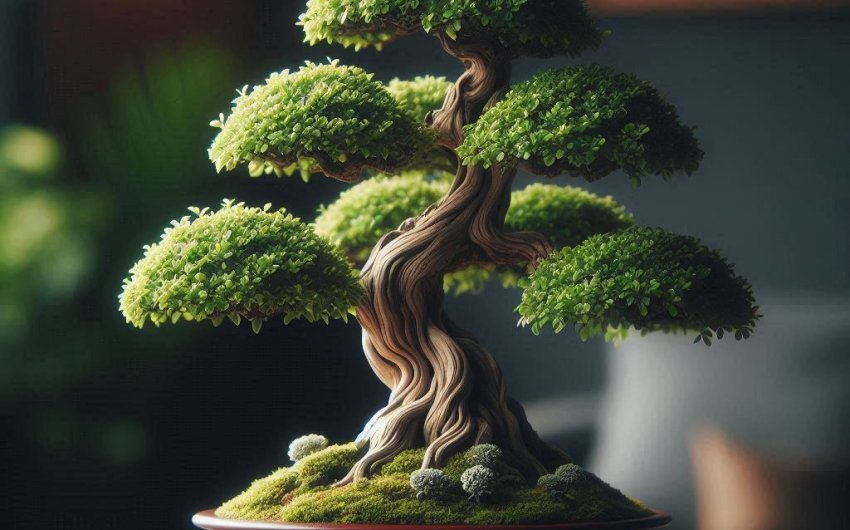
Caring for a Chinese Elm bonsai indoors requires understanding its specific needs for light, water, humidity, and regular pruning. While the Chinese Elm (Ulmus parvifolia) is a temperate tree that prefers outdoor conditions, it can tolerate being kept indoors, especially in regions with harsh winters, making it a popular choice for beginners. The key is to mimic its natural environment as closely as possible, providing ample light, consistent moisture without waterlogging, and sufficient humidity, particularly during the dry indoor heating season. Regular observation of your tree's health and proactive care are essential for its longevity and aesthetic appeal.
Your primary goals should be to ensure consistent care tailored to the tree's growth cycle. This means adjusting watering based on soil dryness, providing supplemental lighting if natural light is insufficient, and maintaining a humid microclimate. Proper pruning for shape and health, along with occasional repotting, will keep your Chinese Elm bonsai thriving and beautiful for years to come. With a little attention to these details, you can successfully cultivate this charming miniature tree in your home.
What are the light requirements for an indoor Chinese Elm bonsai?
Light is one of the most critical factors for the health of your Chinese Elm bonsai indoors. These trees naturally thrive in bright outdoor light, so when brought inside, they need as much light as you can provide. Without enough light, your bonsai will become weak, leggy, and may drop leaves.
Place your Chinese Elm bonsai in the brightest spot available in your home. An ideal location would be directly in front of a south-facing window or a west-facing window where it can receive several hours of direct sunlight daily. If direct sunlight isn't possible, a very bright east-facing window can also work, but you might need to supplement the light.
Natural light alone is often not enough, especially during winter months when daylight hours are shorter and the sun's intensity is lower. In such cases, supplemental grow lights are highly recommended. A full-spectrum LED grow light positioned 6-12 inches above your tree for 12-16 hours a day can make a significant difference. Without adequate light, your Chinese Elm will struggle to perform photosynthesis, leading to yellowing leaves, slow growth, and a general decline in health. Rotate your tree every few days to ensure all sides receive even light exposure.
How often should I water my indoor Chinese Elm bonsai?
Watering is perhaps the most challenging aspect of caring for a Chinese Elm bonsai, as getting it wrong is a common cause of problems. Bonsai trees are planted in small pots with limited soil, which means they dry out much faster than typical houseplants. However, overwatering can quickly lead to root rot.
The key rule for watering a Chinese Elm bonsai is to water when the top layer of soil feels slightly dry to the touch, but before the entire soil ball dries out completely. Never water on a fixed schedule (e.g., every day or every two days), as your tree's water needs will vary based on light, temperature, humidity, and its growth cycle.
To check the soil, stick your finger about half an inch to an inch into the soil. If it feels slightly damp or almost dry, it's time to water. When you do water, water thoroughly until you see water draining freely from the bottom drainage holes. This ensures that the entire root ball is moistened. You can use a small watering can with a fine rose or a bonsai watering can to avoid disturbing the soil. Some people prefer bottom watering by placing the pot in a tray of water for 10-15 minutes until the top soil is moist, then removing it to drain. Always empty the drip tray immediately after watering to prevent the roots from sitting in standing water. During warmer months or when the tree is actively growing, it might need daily watering, but in winter or periods of dormancy, watering frequency will decrease.
What is the ideal humidity level for a Chinese Elm bonsai indoors?
Humidity is extremely important for the health of an indoor Chinese Elm bonsai, as these trees naturally prefer a more humid environment than what is typically found in heated or air-conditioned homes. Dry indoor air, especially during winter when heating systems are running, can cause leaves to dry out, turn brown at the tips, and eventually drop. It also makes your tree more susceptible to common pests like spider mites.
Aim for a humidity level of 50-70% for your Chinese Elm. Since achieving this can be difficult, here are several ways to boost the humidity around your tree:
- Pebble Tray: This is one of the most common and effective methods. Place your bonsai pot on a shallow tray filled with pebbles and add water to just below the bottom of the pot. As the water evaporates, it creates a humid microclimate around the tree. Ensure the pot is not sitting directly in the water, as this can lead to root rot.
- Humidifier: The most efficient way to increase ambient humidity is to use a room humidifier near your bonsai. This benefits not only your tree but also your own comfort!
- Grouping Plants: Placing several plants together can also create a localized zone of higher humidity, as plants release moisture into the air through transpiration.
- Misting: While misting the leaves can provide a temporary boost, it's generally not sufficient on its own to meet the tree's humidity needs. If you do mist, ensure good air circulation to prevent fungal issues.
Consistent high humidity, combined with proper watering, will keep your Chinese Elm's foliage vibrant and healthy.
What kind of soil mix is best for an indoor Chinese Elm bonsai?
The right soil mix is vital for the health of your Chinese Elm bonsai. Unlike regular potting soil, bonsai soil is designed for excellent drainage and aeration while still retaining enough moisture and nutrients. Standard potting soil holds too much water, which can quickly lead to root rot in a shallow bonsai pot.
A good bonsai soil mix should be granular, allowing water to drain quickly while providing air pockets for healthy root growth. A common and effective mix for Chinese Elms typically includes:
- Akadama: This is a hard-baked clay granule from Japan, specifically designed for bonsai. It retains water and nutrients well while providing excellent drainage and aeration. It's often the main component.
- Pumice: A lightweight volcanic rock that improves drainage and aeration, while also holding some moisture.
- Lava Rock: Similar to pumice, it improves drainage and aeration.
- Horticultural Grit or Crushed Granite: These inorganic components help with drainage and add weight to the pot, preventing it from tipping over.
- A small amount of organic material: Such as high-quality composted bark or coco coir, but this should be a minority component (less than 20%).
A typical mix might be 50-60% Akadama, 20-30% Pumice, and 10-20% Lava Rock or horticultural grit. You can often buy pre-mixed bonsai soil online or at specialty bonsai nurseries. The goal is a mix that drains quickly, preventing sogginess, but still provides a stable environment for roots and retains essential moisture for a short period.
How and when should I prune my Chinese Elm bonsai?
Pruning is fundamental to maintaining the size, shape, and health of your Chinese Elm bonsai. There are two main types of pruning: structural pruning and maintenance pruning.
- Structural Pruning (Hard Pruning): This involves removing larger branches to establish the overall shape of the tree. It's usually done in early spring before new growth begins, or sometimes in late fall after leaves have dropped (if the tree defoliates). For Chinese Elms, you can remove branches that cross, grow straight up, or are too thick for the desired aesthetic. Always use sharp bonsai concave cutters to make clean cuts that heal well.
- Maintenance Pruning (Pinching and Trimming): This is done regularly throughout the growing season to maintain the tree's shape, encourage ramification (branching), and control growth.
- Pinching: As new shoots grow, let them extend 4-6 sets of leaves, then pinch back to 1-2 sets of leaves. This encourages new branches to form lower down and keeps the foliage dense.
- Leaf Trimming/Defoliation (Partial): In summer, for very vigorous trees, you can sometimes partially defoliate (remove some leaves) to encourage a new flush of smaller leaves and increase ramification. This should only be done on very healthy trees.
Chinese Elms are vigorous growers and respond well to pruning. Regular pruning will keep your tree compact and beautifully shaped. Observe your tree's growth and prune to encourage the form you desire. Remember, cuts should be clean to promote healing.
When should I repot my indoor Chinese Elm bonsai?
Repotting is a vital part of Chinese Elm bonsai care, necessary to keep the tree healthy and growing in its small container. Over time, the roots fill the pot, becoming root-bound, and the soil breaks down, losing its drainage and aeration qualities.
Your Chinese Elm bonsai will typically need to be repotting every 2-3 years, especially when it's younger and growing vigorously. Older, more mature trees might only need repotting every 3-5 years. The best time to repot is in early spring, just as the tree is beginning to show signs of new growth or before its buds fully swell. This is when the tree has the most energy to recover from the stress of repotting.
Signs that your bonsai needs repotting include:
- Water runs straight through the soil without soaking in.
- Roots are growing out of the drainage holes.
- The tree pushes itself up out of the pot.
- Growth slows down significantly.
When repotting:
- Gently remove the tree from its pot.
- Carefully untangle and prune about 1/3 to 1/2 of the outer and bottom roots using sharp bonsai root shears. Remove any thick, circling roots and leave the fine feeder roots.
- Clean the pot and place a drainage screen over the holes.
- Add a fresh layer of appropriate bonsai soil mix to the bottom of the pot.
- Position the tree in the pot, spreading out the roots, and backfill with more soil, gently working it into the roots with a chopstick.
- Water thoroughly after repotting to settle the soil.
After repotting, place the tree in a shadier spot for a week or two to recover before returning it to its usual bright location.
What are the fertilization needs of an indoor Chinese Elm bonsai?
Fertilizing your Chinese Elm bonsai provides the necessary nutrients for healthy growth, especially when it's confined to a small pot. However, the timing and type of fertilizer are crucial to avoid harming your tree.
Generally, you should fertilize your indoor Chinese Elm during its active growing season, which is typically from early spring through late fall. During winter months, when light levels are lower and growth slows down, you should significantly reduce or completely stop fertilization. Fertilizing a dormant or slow-growing tree can lead to a buildup of salts in the soil, which can burn the roots and harm the tree.
Choose a balanced liquid bonsai fertilizer that is diluted to half or quarter strength, or a slow-release granular fertilizer specifically designed for bonsai. A balanced fertilizer (e.g., 5-5-5 or 10-10-10 NPK) provides an even supply of nitrogen (for foliage growth), phosphorus (for roots and flowers), and potassium (for overall plant health).
Follow the product instructions carefully. For liquid fertilizers, apply every 2-4 weeks during the growing season. For granular fertilizers, they typically release nutrients over several months. Always water your bonsai thoroughly before fertilizing to avoid root burn. Over-fertilization is much more damaging than under-fertilization. Listen to your tree; if it's growing vigorously, it will benefit from regular feeding.
How do I protect my Chinese Elm bonsai from pests and diseases indoors?
Even indoors, your Chinese Elm bonsai can be susceptible to pests and diseases, especially if conditions like humidity are not ideal. Prevention is always the best strategy.
Common indoor pests include:
- Spider Mites: These tiny pests thrive in dry, warm conditions. Signs include fine webbing on leaves and tiny red or brown dots. Increase humidity immediately and spray with neem oil or insecticidal soap.
- Aphids: Small, pear-shaped insects often found on new growth. They suck sap, causing distorted leaves. Blast them off with water or use insecticidal soap.
- Mealybugs: Look like small, white, cottony masses in leaf axils or on stems. Dab them with a cotton swab dipped in rubbing alcohol.
- Scale: Small, brown, immobile bumps on stems and leaves. They can be scraped off with a fingernail or treated with neem oil.
To prevent pests:
- Inspect regularly: Check your tree thoroughly (top and bottom of leaves, stems, soil) every time you water.
- Maintain high humidity: This discourages spider mites.
- Ensure good air circulation: Stagnant air can encourage fungal issues.
- Quarantine new plants: Isolate any new plants for a few weeks before introducing them to your existing collection.
- Keep the tree healthy: A strong, well-cared-for tree is more resistant to pests.
If you spot pests, act quickly. Isolate the affected tree and treat with an appropriate organic pest control solution. For diseases like powdery mildew, improve air circulation and reduce humidity if it's excessive. Prune away affected parts.
Can I ever put my indoor Chinese Elm bonsai outdoors?
Yes, absolutely! While the Chinese Elm (Ulmus parvifolia) is one of the more tolerant bonsai species for indoor cultivation, it is fundamentally a temperate outdoor tree. It will almost always be healthier and more vigorous if it spends time outdoors, especially during the warmer months.
Moving your Chinese Elm bonsai outdoors can provide it with:
- More intense and natural light: This leads to denser foliage and stronger growth.
- Better air circulation: Reducing the risk of fungal diseases and certain pests.
- Natural temperature fluctuations: Which are beneficial for the tree's health cycle.
- Rainwater: Which is free of salts found in tap water.
The ideal time to move your Chinese Elm outdoors is after all danger of frost has passed in spring, when nighttime temperatures are consistently above 50°F (10°C). Place it in a spot where it receives plenty of sunlight, ideally morning sun and some afternoon shade in very hot climates to prevent leaf scorching.
Hardening off is crucial: Don't move it directly from a dim indoor spot into full sun. Gradually introduce it to outdoor conditions over 1-2 weeks. Start in a shady, sheltered spot, then move it to partial sun, and finally to its desired outdoor location.
Bring your tree back indoors in the fall before nighttime temperatures consistently drop below 50°F (10°C). While it can tolerate brief dips, prolonged cold can damage it, especially in a small pot where roots are exposed.
What are common problems and solutions for indoor Chinese Elm bonsai?
Caring for an indoor Chinese Elm bonsai can present a few common challenges, but most are manageable with understanding and quick action.
- Yellowing Leaves:
- Cause: Most often, overwatering or insufficient light. It can also be from nutrient deficiency (rare if fertilizing) or sudden environmental changes.
- Solution: Check soil moisture. Allow soil to dry out more between waterings. Move to a brighter location. Ensure proper drainage.
- Leaf Drop:
- Cause: Sudden environmental changes (like moving the tree), too little light, overwatering, or underwatering. Chinese Elms can also naturally drop some leaves as they adjust or in response to stress.
- Solution: Evaluate light and watering routine. Ensure stable temperatures and humidity. Don't panic if it's a minor drop after a change; the tree is likely adjusting.
- Crispy, Brown Leaf Tips:
- Cause: Low humidity is the primary culprit, especially in dry indoor heating.
- Solution: Increase ambient humidity using a pebble tray or humidifier. Misting can help but is often not enough.
- Leggy Growth / Pale Leaves:
- Cause: Not enough light. The tree is stretching for light, and its leaves aren't producing enough chlorophyll.
- Solution: Move to a brighter window or supplement with a grow light.
- Pests (Spider Mites, Mealybugs):
- Cause: Often due to low humidity and/or poor air circulation.
- Solution: Regular inspection. Increase humidity. Treat with neem oil or insecticidal soap immediately upon detection.
Consistent care, especially with light, watering, and humidity, will help prevent most of these problems and allow your Chinese Elm to flourish.
How do I shape and wire a Chinese Elm bonsai?
Shaping and wiring are advanced techniques used to guide the growth and refine the form of your Chinese Elm bonsai. Chinese Elms are very forgiving and respond well to these methods.
- Wiring: This involves wrapping anodized aluminum or copper wire around branches to bend them into desired positions.
- Preparation: Wire clean, healthy branches that are not too stiff. Choose wire thickness that is about 1/3 the thickness of the branch you are wiring.
- Application: Start by anchoring the wire securely to the trunk or a thicker branch. Wrap the wire at a 45-degree angle, making sure the coils are even and snug but not so tight that they cut into the bark. Apply two wires for stiffer bends.
- Bending: Gently bend the branch into the desired shape.
- Monitoring: Leave the wire on for a few weeks to several months, constantly checking for signs of the wire cutting into the bark (wire marks). Remove the wire before it causes damage, unwinding it carefully rather than pulling it off. You may need to re-wire later.
- Pruning: As discussed earlier, regular pruning is crucial for maintaining shape and encouraging ramification. Prune for negative space and to define the tree's silhouette.
- Clip and Grow: This method relies solely on pruning. You let a branch grow a bit, then clip it back to a bud facing the desired direction. This creates natural-looking movement and taper. Chinese Elms respond very well to this.
- Guy Wires: Sometimes, branches are too thick or stiff for traditional wiring. In these cases, a guy wire (a wire anchored to the pot or trunk and tied to the branch) can be used to pull a branch down or into position.
It's helpful to have a vision for your tree's future shape. Resources like Bonsai Master books can provide inspiration and detailed techniques. Patience is key; bonsai shaping is a long-term artistic endeavor.
What is the best way to choose a healthy Chinese Elm bonsai?
Choosing a healthy Chinese Elm bonsai is the first step to successful cultivation. A healthy tree will be much more resilient and easier to care for. When you're looking to purchase one, whether online or from a nursery, look for these signs:
- Vibrant Foliage: The leaves should be a healthy green color (unless it's a variegated variety). Avoid trees with yellowing, browning, or crispy leaves, or signs of extensive leaf drop.
- Absence of Pests: Carefully inspect the top and bottom of the leaves, stems, and trunk for any signs of insects like spider mites, mealybugs, aphids, or scale. White spots, sticky residue, or visible bugs are red flags.
- Firm Trunk and Branches: The trunk and branches should feel firm and solid, not mushy or brittle.
- Good Branch Structure: Even if it's a young tree, look for a good basic branch structure that offers potential for future shaping. Avoid trees with very few branches or significant dead spots.
- Healthy Soil: The soil should look clean and free of mold or fungus. It should not be completely dry and compacted, nor soaking wet.
- Drainage Holes: Ensure the pot has proper drainage holes at the bottom.
- Overall Vigor: The tree should look lively and robust, not weak or stressed. If possible, observe it for a few minutes.
Purchasing from a reputable bonsai nursery or specialized online retailer, like those offering bonsai trees, increases your chances of getting a well-established and healthy specimen. Don't hesitate to ask questions about its care history.
Can Chinese Elms drop leaves indoors and is it normal?
Yes, it is quite normal for Chinese Elms to drop leaves indoors, especially during specific circumstances. This doesn't always mean your tree is dying; it's often a natural adjustment or a sign of stress.
Here are common reasons for leaf drop in an indoor Chinese Elm:
- Seasonal Changes/Dormancy: While often sold as indoor bonsai, Chinese Elms are deciduous or semi-deciduous temperate trees. In their natural habitat, they would lose leaves in winter. Indoors, with lower light and cooler temperatures, they might enter a partial or full dormancy and shed leaves. This is normal, and they will typically re-leaf in spring.
- Environmental Shock: Sudden changes in conditions, such as moving the tree from outdoors to indoors, or from one room to another with different light, temperature, or humidity, can cause immediate leaf drop. The tree is simply reacting to the stress.
- Incorrect Watering: Both overwatering (leading to root rot) and underwatering (leading to dehydration) can cause leaves to yellow and drop. Overwatering is more common indoors.
- Insufficient Light: A lack of adequate light is a frequent cause of leaf drop and weak, sparse foliage.
- Low Humidity: Extremely dry air can cause leaves to crisp at the edges and then fall off.
- Pests: A severe pest infestation can also lead to leaf loss.
If your Chinese Elm drops leaves, first identify the potential cause. Correcting the environmental factor (light, water, humidity, stability) is key. Be patient; the tree will usually recover and produce new foliage once conditions are stable and favorable. Consistent care minimizes the shock and subsequent leaf drop.