
What changes should I make to watering in winter?
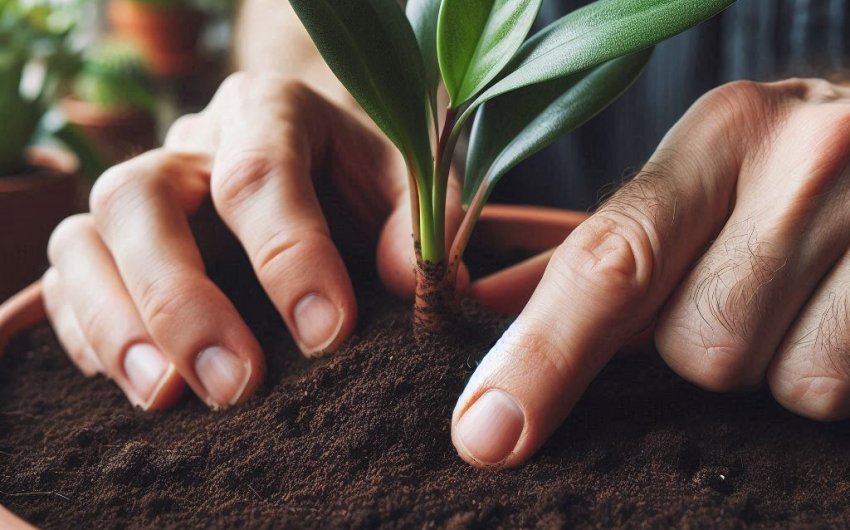
During winter, you should significantly reduce your watering frequency for most houseplants. This is because plants typically enter a period of reduced growth or dormancy due to lower light levels and cooler temperatures indoors. They simply use less water. Overwatering in winter is one of the most common causes of houseplant problems, leading to root rot, fungal issues, and pest infestations. Instead of watering on a fixed schedule, always check the soil moisture before watering. Allow the top few inches of soil to dry out completely for most plants, and even more for succulents and cacti.
The key change is to shift from a calendar-based watering routine to a needs-based approach. This means paying close attention to each plant's individual signals and the dryness of its potting mix. Cooler ambient temperatures, shorter daylight hours, and often drier air from heating systems all impact how much water your plants truly need. Adjusting your watering habits to reflect these environmental changes will help your plants stay healthy and prevent stress throughout the colder months.
Why do plants need less water in winter?
Plants need less water in winter mainly because of three big reasons: less light, cooler temperatures, and a natural slowdown in growth. During the spring and summer, plants get a lot of bright light, which helps them make food through a process called photosynthesis. Photosynthesis uses water, so when there's more light, plants use more water. In winter, days are shorter, and the sun is not as strong, even if your plants are indoors. This means less photosynthesis is happening, and plants don't "drink" as much water.
Also, many plants go into a period of dormancy or reduced growth in winter. Think of it like they're taking a long nap. When they're not actively growing new leaves, stems, or roots, their need for water goes way down. Cooler indoor temperatures also mean that water evaporates from the soil more slowly. All these factors combined mean that if you water your plants the same way you do in summer, they will quickly become overwatered, leading to serious problems like root rot.
What are the signs of overwatering in winter?
Spotting overwatering in winter is crucial because it's a very common mistake. The signs might seem a bit confusing at first, as some can look similar to underwatering, but they usually point to too much moisture. The most common signs include:
- Yellowing leaves: Often, the older, lower leaves will turn yellow first.
- Wilting: Even though the soil is wet, the plant looks droopy and sad. This happens because the roots are so waterlogged they can't take up oxygen or nutrients properly.
- Mushy stems or leaves: This is a clear sign of root rot spreading upwards into the plant.
- Foul smell from the soil: A rotting smell indicates decaying roots.
- Fungus gnats: These tiny flies are attracted to consistently damp soil. If you see them flying around your plants, it's a strong indicator of overwatering.
- Mold on the soil surface: White or green mold on top of the soil is another sign that the soil is staying too wet for too long.
If you see any of these signs, stop watering immediately and let the soil dry out significantly. Sometimes, repotting into fresh, dry soil might be necessary if the root rot is severe.
How do I check soil moisture before watering?
Checking soil moisture is the most important step in winter watering. Forget the calendar or a fixed schedule; always check the soil before you water. There are a few ways to do this:
- The Finger Test: This is the easiest and most common method. Stick your finger about 1 to 2 inches deep into the soil. For most plants, if it feels dry at that depth, it's time to water. For succulents and cacti, let the soil dry out even deeper, often all the way through the pot.
- Weight Test: Lift the pot. You'll notice that a pot feels much heavier when it's just been watered and much lighter when the soil is dry. Over time, you'll get a feel for the "dry weight" of your plants.
- Moisture Meter: For a more precise reading, you can use a plant moisture meter. Simply insert the probe into the soil and it will give you a reading from dry to wet. These are especially helpful for larger pots where the finger test might not reach deep enough, or for beginners learning to gauge soil moisture.
No matter which method you use, consistency is key. Check your plants every few days or once a week, but don't water unless the soil tells you it's dry enough.
What is root rot and how do I prevent it in winter?
Root rot is a serious disease that kills many houseplants, especially in winter. It happens when plant roots sit in waterlogged soil for too long. Roots need oxygen to survive, just like people do. When the soil is constantly wet, the air pockets in the soil fill up with water, cutting off the oxygen supply to the roots. This lack of oxygen causes the roots to essentially drown and begin to decay. Fungi and bacteria that thrive in wet, airless conditions then attack the weakened roots, making the problem worse.
To prevent root rot in winter, the most important thing is to avoid overwatering. This means:
- Check soil moisture thoroughly before each watering.
- Allow the top 1-2 inches of soil to dry out (or more for specific plants) between waterings.
- Ensure good drainage: Always use pots with drainage holes. If your decorative pot doesn't have holes, place a potted plant with holes inside it and remove the plant to water it.
- Empty saucers: Never let your plant sit in standing water in its saucer. Dump out any excess water about 15-30 minutes after watering.
- Use well-draining potting mix: A good potting mix should drain easily and not stay soggy. You might consider adding perlite or bark for better drainage if your soil holds too much water.
If you suspect root rot, you might need to unpot the plant, trim away any mushy, brown, or black roots, and repot it in fresh, dry soil.
How does humidity affect winter watering?
Humidity plays a surprising role in how often your plants need water during winter. While high humidity means plants might need less frequent watering, the reality for most indoor environments in winter is the opposite: very low humidity. Heating systems, like furnaces, strip moisture from the air, making indoor air much drier than what most tropical plants are used to.
When the air is dry, water evaporates more quickly from the plant's leaves through a process called transpiration, and also from the soil surface. This means that while plants are generally using less water from their roots due to dormancy, the dry air can still cause the soil to dry out faster than you might expect, especially for smaller pots.
However, the bigger concern with low humidity is typically plant stress, leading to crispy leaf tips, not necessarily faster water uptake by the roots. While dry air can slightly increase the rate of soil drying, the primary reason to reduce watering in winter remains the plant's reduced metabolic activity. Always check the soil, even if the air feels dry. Boosting humidity with a plant humidifier or pebble trays can help the plant itself, but it won't necessarily mean you need to water more often.
Should I use warmer water for my plants in winter?
Yes, it's generally a good idea to use lukewarm water for your plants in winter, rather than very cold water straight from the tap. While it might seem like a small detail, using cold water can shock your plants, especially tropical varieties that are sensitive to temperature changes.
When cold water hits the roots, it can cause the plant to temporarily shut down some of its metabolic processes, making it harder for the plant to absorb water and nutrients. It's like taking a cold shower when you're expecting a warm one! Lukewarm water is much gentler on the roots and helps the plant absorb water more efficiently without any stress. This is particularly important for plants that are already under stress from lower light and potentially lower temperatures indoors. Simply let your tap water sit for a little while to come to room temperature, or mix a bit of warm water with cold to get the right temperature.
What is bottom watering and is it good for winter?
Bottom watering is a method where you place your potted plant into a tray or basin filled with water, allowing the plant to soak up water from the bottom drainage holes upwards into the soil. This method is often recommended for plants that are sensitive to getting their leaves wet (like African violets) or for those that need very thorough, even watering.
Is it good for winter? It can be, but with caution. Bottom watering encourages the roots to grow downwards, reaching for the water, which can lead to a stronger root system. It also ensures the plant takes up only as much water as it needs, reducing the risk of overwatering the top layers. However, in winter, when plants use less water, the main challenge is ensuring the soil dries out enough between waterings. If you bottom water and the soil remains soggy for too long, you're still at risk of root rot.
If you choose to bottom water in winter, make sure you let the plant sit in the water for a shorter period than in summer (e.g., 15-30 minutes, or until the top soil is damp). And most importantly, always check the soil dryness with your finger or a moisture meter before putting it into the water bath. This method might be better suited for plants that dry out relatively quickly, even in winter.
Should I still water thoroughly in winter, even if less often?
Yes, when you do water in winter, you should still water thoroughly. The goal is not to give the plant less water overall during a watering session, but to water less often. When you water, you want to ensure that the entire root ball gets adequately moistened. Just giving a plant a small sip of water will only wet the top layer of soil, leaving the deeper roots dry and thirsty. This can lead to the plant trying to send roots only to the very top, which isn't healthy in the long run.
So, when you decide it's time to water after checking the soil, pour water slowly over the entire soil surface until you see it draining out of the bottom drainage holes. This ensures that the water reaches all parts of the root system. Always remember to empty the saucer after about 15-30 minutes to prevent the roots from sitting in standing water. Thorough watering promotes healthy root development and ensures the plant receives the moisture it needs to stay hydrated during its rest period.
How do different plant types affect winter watering?
The type of plant significantly affects its winter watering needs. Not all houseplants are the same!
- Succulents and Cacti: These are adapted to dry environments and store water in their leaves or stems. In winter, they need very little water. Allow their soil to dry out completely for an extended period, often weeks or even a month or more, before watering again. Some go completely dormant and might need no water at all.
- Tropical Plants: Many common houseplants like Philodendrons, Pothos, Monsteras, and Peace Lilies are tropical. They still appreciate some moisture but need less frequent watering in winter. Allow the top 1-2 inches of soil to dry out before watering.
- Ferns and Moisture-Loving Plants: Plants like ferns, calatheas, and some prayer plants prefer consistently moist (but not soggy) soil. While you'll still reduce frequency in winter, don't let them dry out completely. Keep an eye on their specific needs and aim for the soil to be just slightly damp.
- Dormant Plants: Some plants, like certain outdoor bulbs you might bring indoors, enter a true dormant state where they need little to no water for months. Research your specific plant to know if it has a dormant period.
Always remember to research the specific needs of your individual plants. A general rule applies to most, but the details vary.
What about fertilizing plants in winter in relation to watering?
In winter, you should almost always stop fertilizing your houseplants, or at least drastically reduce it. This is directly related to watering and the plant's growth cycle. Fertilizers provide nutrients that plants use when they are actively growing. In winter, as we've discussed, most plants enter a period of reduced growth or dormancy due to lower light and cooler temperatures.
If you fertilize a plant that isn't actively growing, it can't use those nutrients. Instead, the salts from the fertilizer will build up in the soil. This buildup of salts can "burn" the roots of the plant, causing damage and stress. It also contributes to the overall problem of keeping the soil unnecessarily moist, as the plant isn't consuming water (and nutrients dissolved in it) at its usual rate.
So, the rule of thumb is: no active growth, no fertilizer. Resume your regular fertilizing schedule in spring when you see new growth emerging and daylight hours begin to lengthen. Your plants will be much happier resting and conserving energy without the added stress of unneeded nutrients.
Can cool indoor temperatures affect winter watering needs?
Yes, cool indoor temperatures definitely affect your winter watering needs. When the ambient temperature around your plants is cooler, several things happen that reduce their water requirements:
- Slower Evaporation: Water evaporates from the soil surface much more slowly in cooler temperatures. This means the potting mix will stay wet for a longer period compared to warmer conditions.
- Reduced Transpiration: Plants "breathe" out water vapor through tiny pores in their leaves in a process called transpiration. This process speeds up in warmer temperatures and slows down in cooler ones. When transpiration is slower, the plant is using less water internally and doesn't need its roots to take up as much.
- Decreased Metabolism: Cooler temperatures signal to many plants that it's time to slow down their overall metabolic processes, including growth. Less growth means less water consumption.
If your indoor temperatures drop consistently below 65°F (18°C), you'll likely find yourself watering even less frequently than if your home stays warm. Always factor in the temperature of your home when checking the soil moisture. A slightly cooler room means a longer drying time for the soil.
How do I adapt my watering routine for specific plant locations?
Adapting your watering routine for specific plant locations within your home is important because microclimates can exist. Even within the same room, different spots can affect how quickly a plant uses water.
- Near Windows: Plants directly next to windows, especially south-facing ones, might receive more light and experience more temperature fluctuations. If it's a very sunny spot, the soil might dry out a bit faster. If it's a drafty window, the plant might get colder and need less water. Always feel the soil.
- Near Heating Vents/Radiators: Placing plants too close to heating vents or radiators can cause extremely dry, hot air to constantly blow on them. While this might dry out the foliage, it doesn't necessarily mean the soil needs more water. In fact, the plant might be stressed and use less water at its roots. Move plants away from direct blasts of hot air.
- In Shadier Corners: Plants in shadier spots will naturally use less water because of lower light levels. These plants will need significantly less frequent watering.
- In Humid Rooms (e.g., Bathroom): If you have a plant in a naturally more humid room, like a bathroom, the soil might dry out more slowly because less water is evaporating from the leaves.
The key is to observe each plant in its specific location. The soil moisture test is your best guide, as it accounts for all these environmental factors combined. Don't assume two identical plants in different spots will have the same watering needs.