
How do I overwinter tropical plants indoors?
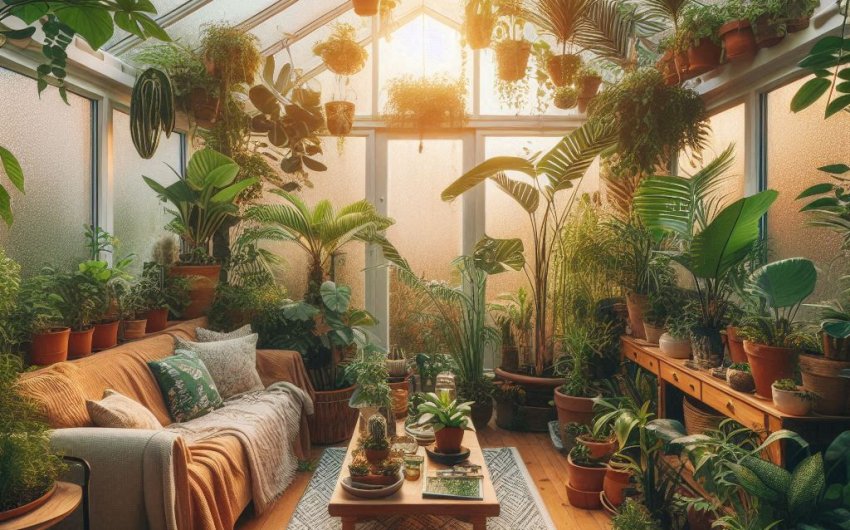
Overwintering tropical plants indoors involves a careful balance of light, humidity, temperature, and pest management to mimic their natural warm environments. The key is to gradually transition your plants from outdoors to indoors before temperatures drop consistently below 50°F (10°C). This allows them to adjust to lower light levels and reduced air circulation. Start by thoroughly inspecting each plant for pests and treating any infestations to prevent them from spreading inside your home. Once indoors, provide as much bright, indirect light as possible, supplementing with grow lights if natural light is insufficient. Reduce watering frequency, allowing the top few inches of soil to dry out between waterings, and cut back on fertilization. Maintain consistent temperatures and increased humidity to keep your tropical plants happy and healthy throughout the colder months.
When should I bring my tropical plants indoors for winter?
The ideal time to bring your tropical plants indoors is before nighttime temperatures consistently drop below 50°F (10°C). For many tropical plants, anything below this temperature can cause stress, yellowing leaves, and even damage. It's better to bring them in a little early rather than too late. Keep an eye on your local weather forecast as fall approaches. When the overnight lows start dipping into the mid-50s, it's a good sign it's time to start preparing your plants for their indoor stay. A gradual transition is always best if possible. For example, if you have a sheltered porch or an enclosed patio, you might move them there for a week or two before bringing them fully inside your heated home. This helps them adjust to lower light and less air circulation slowly.
How do I prepare my tropical plants for indoor overwintering?
Preparing your tropical plants for their indoor stay is crucial to prevent pests and stress. First, give each plant a thorough inspection. Look closely at the top and bottom of leaves, stems, and the soil surface for any signs of pests like aphids, spider mites, mealybugs, or scale. If you spot any, treat them before bringing the plants inside. You can use an insecticidal soap or a horticultural oil, making sure to follow the product directions. A good method is to hose down the plant gently with water, especially the undersides of leaves, to dislodge any hitchhikers. You can also repot plants if they are root-bound or the soil looks tired, using a fresh batch of Miracle-Gro Potting Mix. Trim back any dead, yellowing, or leggy growth to encourage new, healthier growth indoors. It's also a good idea to clean the pots and saucers to remove any dirt or debris that might harbor pests.
What are the light requirements for tropical plants indoors during winter?
Light is often the biggest challenge when overwintering tropical plants indoors. Most tropical plants are used to bright, direct or indirect sunlight for many hours a day. Indoors, especially during winter, natural light can be significantly lower. Place your tropical plants in the brightest spot available in your home, ideally near a south-facing or west-facing window. However, avoid direct, intense sunlight that can scorch leaves if they aren't used to it, especially if they were previously in shadier outdoor spots. If natural light isn't enough, you will need to supplement with grow lights. Full-spectrum LED grow lights, like the GE Grow Light LED Bulb, are excellent choices. They provide the necessary light spectrum for plant growth without excessive heat. Aim for 12-14 hours of supplemental light per day. Insufficient light can lead to leggy growth, pale leaves, and a general decline in plant health.
How do I manage watering for tropical plants indoors in winter?
Watering needs change significantly when tropical plants are moved indoors for winter. Due to lower light levels, cooler temperatures, and reduced growth, plants will use less water. Overwatering is one of the most common causes of indoor plant problems, leading to root rot. The best rule of thumb is to allow the top 1-2 inches of soil to dry out completely before watering again. You can check this by sticking your finger into the soil. When you do water, water thoroughly until you see water draining from the bottom of the pot. Always empty any standing water from the saucer to prevent roots from sitting in water. If you're unsure, it's generally better to underwater slightly than to overwater. You might also consider using a moisture meter to accurately gauge soil moisture levels. Remember that different plants have different needs, so observe your specific plants and adjust accordingly.
Should I fertilize tropical plants during the winter months?
Generally, you should drastically reduce or completely stop fertilizing tropical plants during the winter months. Most tropical plants enter a period of reduced growth or dormancy indoors due to lower light and cooler temperatures. During this time, they don't need many nutrients. Fertilizing a plant that isn't actively growing can lead to a buildup of salts in the soil, which can burn the roots and harm the plant. Resume fertilizing in spring when daylight hours lengthen and you see signs of new growth. If you absolutely feel the need to fertilize, use a very diluted solution (quarter strength) of a balanced liquid fertilizer, but only if the plant shows active growth. For most tropical plants, a break from fertilization is beneficial and allows them to rest.
How do I maintain humidity for tropical plants indoors?
Tropical plants naturally thrive in high humidity environments, which can be challenging to replicate indoors, especially with dry winter air from heating systems. Low humidity can lead to crispy leaf edges, brown tips, and increased susceptibility to pests like spider mites. There are several ways to boost humidity for your plants. One effective method is to use a plant humidifier near your plants. Pebble trays are another popular option: fill a shallow tray with pebbles and add water just below the top of the pebbles, then place your plant pots on top. As the water evaporates, it creates a more humid microclimate around the plant. Grouping plants together can also help, as plants release moisture into the air through transpiration, increasing local humidity. Misting leaves with water can provide a temporary humidity boost, but it's often not enough on its own and can sometimes encourage fungal issues if done incorrectly.
What is the ideal temperature range for overwintering tropical plants?
Most tropical plants prefer consistent warm temperatures, typically between 60°F (15°C) and 75°F (24°C). Avoid placing them in drafty areas near doors or windows that are opened frequently, or close to heating vents that can blast them with hot, dry air. Sudden temperature fluctuations can stress plants and make them more vulnerable to problems. While some tropical plants can tolerate slightly cooler temperatures (down to 55°F or 13°C) during their dormant period, maintaining a relatively stable environment is key. If your home gets very cold at night, consider moving more sensitive plants away from windows during the coldest hours. A consistent temperature without drastic swings will help your tropical plants conserve energy and stay healthy through the winter.
How do I prevent and manage pests on indoor tropical plants?
Pest prevention is paramount when overwintering tropical plants indoors. Pests like spider mites, mealybugs, scale, and aphids love the warm, dry indoor environment and can quickly spread from one plant to another. The initial inspection and treatment before bringing plants indoors are your first line of defense. Once inside, regular vigilance is key. Inspect your plants weekly, looking closely at the top and bottom of leaves, stems, and leaf axils. If you spot pests, isolate the affected plant immediately to prevent spread. For small infestations, you can often wipe them away with a cotton swab dipped in rubbing alcohol. For larger issues, consider using an insecticidal soap or a neem oil spray. Products like Bonide Neem Oil are effective organic options. Ensure good air circulation around your plants, as stagnant air can encourage pests. Healthy, well-cared-for plants are also more resistant to pest attacks.
Can all tropical plants be overwintered indoors?
While many tropical plants can be successfully overwintered indoors, not all are equally suited to it. Some, like hibiscus, bougainvillea, and certain citrus plants, adapt quite well to indoor conditions with proper care. Others, such as very large or extremely light-hungry specimens, might struggle unless you have a dedicated greenhouse or a very bright sunroom with significant supplemental lighting. Some plants might go dormant, shedding leaves, while others will maintain their foliage. It's important to research the specific needs of each tropical plant you own. For example, some tropical fruit trees might survive but won't fruit indoors without specific conditions. Understanding your plant's specific requirements will help you decide if indoor overwintering is feasible for that particular species.
What are common problems when overwintering tropical plants and how do I fix them?
Several common problems can arise when overwintering tropical plants indoors, but most can be fixed with careful observation and adjustment.
- Yellowing leaves: Often a sign of overwatering or insufficient light. Check soil moisture and adjust your watering schedule. Move the plant to a brighter location.
- Crispy, brown leaf tips: Typically indicates low humidity. Increase humidity around the plant using humidifiers or pebble trays.
- Leggy growth and small leaves: A clear sign of insufficient light. Supplement with grow lights to encourage more compact, healthy growth.
- Dropping leaves: Can be caused by sudden temperature changes, underwatering, or overwatering. Check your watering routine and ensure stable temperatures. Some tropical plants naturally drop leaves as they adjust to indoor conditions or enter a period of reduced growth.
- Pests: As mentioned, constant vigilance and prompt treatment with insecticidal soap or neem oil are essential.
Addressing these issues promptly can prevent further decline and help your plants thrive indoors.
How do I manage dormancy or reduced growth in tropical plants during winter?
Many tropical plants will naturally enter a period of reduced growth or semi-dormancy when moved indoors for winter due to lower light levels and cooler temperatures. This is a normal and healthy response. During this time, they require less water and absolutely no fertilizer. Don't be alarmed if your plant sheds a few leaves or seems to stop growing altogether. The key is to reduce stress by providing consistent, albeit reduced, care. Maintain stable temperatures and humidity as best as possible. Resist the urge to water more frequently if the plant looks sad; check the soil moisture first. Allow the plant to rest, and you'll typically see new growth emerge vigorously in spring as light levels increase and outdoor temperatures rise. Some plants, like hibiscus, might lose all their leaves but will bounce back.
When can I move my tropical plants back outdoors in spring?
The timing for moving your tropical plants back outdoors in spring is just as critical as bringing them in. Wait until all danger of frost has passed, and nighttime temperatures are consistently above 50°F (10°C). Depending on your climate, this could be late April, May, or even early June. A gradual acclimatization process, also known as "hardening off," is crucial. Don't just move them from indoors directly into full sun outdoors. Start by placing them in a sheltered, shady spot for a few days, gradually increasing their exposure to brighter light over one to two weeks. This prevents sunscald and leaf shock. During this transition, monitor weather forecasts closely for any unexpected cold snaps. Once they are fully hardened off, they can be moved to their preferred outdoor summer locations.