
Should I prune leggy growth on my indoor pothos?
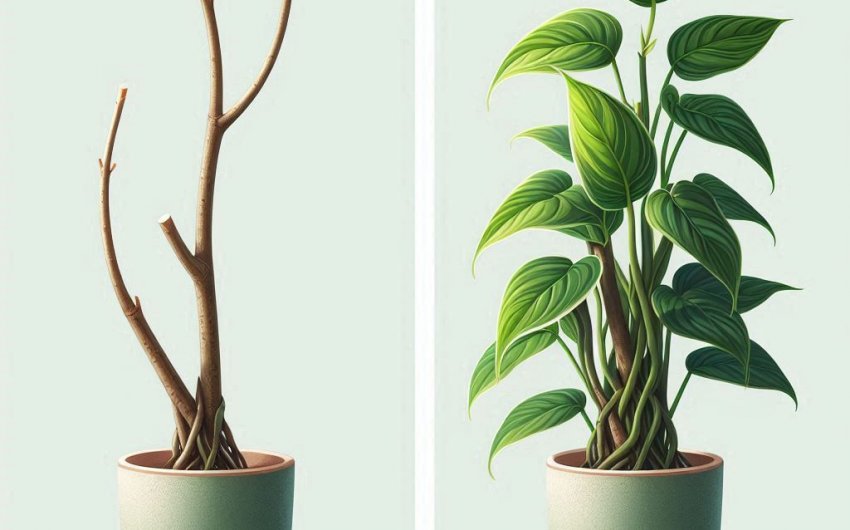
Yes, you absolutely should prune leggy growth on your indoor Pothos! Leggy growth is a very common issue with Pothos (Epipremnum aureum) and other vining houseplants, and it often indicates that the plant isn't receiving enough light. When a Pothos becomes leggy, its vines stretch out with long sections of bare stem between leaves, making the plant look sparse, straggly, and unhealthy rather than lush and full. Pruning is the best way to address this, transforming a scraggly plant into a vibrant, bushy specimen.
Pruning a leggy Pothos serves several key purposes. First, it directly combats the stretched-out appearance by removing the bare sections of vine. More importantly, pruning stimulates new growth. When you cut back a vine, you trigger the plant's natural response to produce new shoots from the nodes located below the cut. These new shoots will emerge with fresh, full foliage, making the plant appear much denser and more attractive. This process is often called encouraging "bushier growth" or "fuller growth."
Beyond aesthetics, pruning also promotes the overall health and vigor of your Pothos. By removing older, less efficient leggy growth, the plant can redirect its energy into developing stronger, healthier new leaves and stems. This can also help the plant absorb light more efficiently, as the new growth will be denser and closer to the light source. It's a simple, effective technique that is almost guaranteed to revitalize your Pothos and maintain its classic trailing beauty.
What causes leggy growth in Pothos?
Leggy growth in Pothos is a very common symptom, and it almost always points to one primary underlying issue: insufficient light. Understanding this cause is key to not only fixing existing leggy growth through pruning but also preventing it from happening again.
When a Pothos doesn't receive enough light, it instinctively tries to "reach" for a brighter spot. This leads to its vines stretching out excessively long, with noticeably increased distances between each leaf, which are known as nodes. The leaves themselves may also appear smaller and less vibrant than they would under optimal light conditions. The plant is essentially prioritizing stem elongation over leaf production in its desperate search for light, resulting in that sparse, strung-out, or "leggy" appearance.
While insufficient light is the main culprit, other factors can sometimes contribute or exacerbate the problem. Under-fertilization can, in some cases, slow down overall growth and lead to less robust foliage, making leggy tendencies more apparent. Similarly, very old or root-bound plants might show signs of general decline, including sparser growth. However, if your Pothos has long sections of bare stem between leaves, the first thing you should always assess is its light exposure. Moving the plant to a brighter location (but avoiding harsh, direct sunlight that can scorch the leaves) is crucial alongside pruning to ensure long-term health and prevent new leggy growth.
When is the best time to prune a leggy Pothos?
The best time to prune a leggy Pothos is during its active growing season. For most houseplants, including Pothos, this means spring and early summer. Pruning during this period ensures that the plant has ample energy, warmer temperatures, and increasing light levels to quickly recover from the prune and push out new growth.
When you prune a plant, you are essentially creating a "wound" and removing photosynthetic material. During the active growing season, the plant's metabolic rate is higher, and its resources are geared towards growth. This allows it to heal quickly, redirect energy to dormant nodes below the cut, and rapidly produce new shoots and leaves. The new growth that emerges will be fuller and healthier, contributing to a bushier plant.
While it's generally best to avoid heavy pruning during the dormant winter months or periods of low light, a light trim to remove a particularly unsightly leggy vine can be done if absolutely necessary. However, keep in mind that the plant will recover much slower, and new growth will be minimal until conditions improve. For significant shaping or to address extensive leggy growth, always aim for spring or early summer when your Pothos is most ready to burst forth with new, vigorous foliage.
How do I properly prune a Pothos for bushier growth?
Properly pruning a Pothos to encourage bushier growth is straightforward and incredibly effective. The key is to make your cuts in the right place to stimulate new growth from the plant's nodes.
First, gather your tools. You'll need a pair of sharp, clean pruning shears or scissors. Sterilizing your tools with rubbing alcohol before and after use helps prevent the spread of diseases. Next, identify the leggy vines you want to prune. Look for sections where there are long bare stems between leaves, or where the plant is simply too long for your desired shape.
Now, locate a node on the vine. A node is a small bump on the stem where a leaf, aerial root, or new shoot emerges. It's usually identifiable as the point where a leaf stem attaches to the main vine. To encourage bushier growth, make your cut about 1/4 to 1/2 inch above a node with a healthy leaf, or above a section where you want new growth to emerge. You can cut back as much of the leggy growth as you like, even removing up to two-thirds of a long vine, as long as you leave at least a few leaves and nodes on the remaining stem. This cut stimulates the dormant buds within that node to activate and produce new shoots, resulting in two or more new stems branching out from that point, making your plant much fuller. You can use reliable tools like Fiskars Micro-Tip Pruning Snips for precise cuts.
What happens after I prune a leggy Pothos?
After you prune a leggy Pothos, you'll initiate a fascinating and beneficial process of regrowth and revitalization. Understanding what to expect can help you anticipate the changes and continue to care for your plant effectively.
Immediately after the cut, the plant will seal off the "wound." The most exciting part is what happens next: the plant's energy, which was previously being sent all the way to the end of that long, leggy vine, will now be redirected. This redirected energy will activate the dormant buds in the nodes located just below where you made the cut. Within a few weeks to a month (depending on conditions like light and temperature), you should start to see new shoots emerging from these nodes. These new shoots will grow into fresh, leafy vines, making the plant appear much fuller and bushier around the area where you pruned.
The exact number of new shoots can vary, but often, two or more new stems will emerge from a single node, effectively doubling or tripling the density of the plant in that section. The new leaves on these shoots will typically be larger and healthier, assuming the plant is now receiving adequate light. The original leggy vine below the cut will remain, but new growth will cover up its bare appearance. This process not only improves the plant's aesthetics but also its overall health and ability to photosynthesize efficiently, as it will now have denser foliage closer to the light source. Continue to provide adequate light, water, and occasional fertilizer to support this new growth.
Can I propagate the pruned Pothos cuttings?
Yes, absolutely! One of the most wonderful bonuses of pruning leggy growth on your Pothos is that you can easily propagate the cuttings you remove. Pothos are famously easy to propagate, allowing you to create new plants for yourself, to give as gifts, or to plant back into the original pot to make it even fuller.
To propagate Pothos cuttings, ensure each cutting has at least 2-3 nodes (the bumps on the stem where leaves or roots emerge) and at least one or two leaves. You can cut the long leggy vines into smaller sections, making sure each section has a node. Remove any leaves that would be submerged in water or planting medium, as these can rot.
There are two main methods for Pothos propagation:
- Water Propagation: Place the cuttings in a glass or jar filled with room-temperature water, ensuring at least one node is submerged. Change the water every few days to keep it fresh. Within a few weeks, you should see white roots emerging from the nodes. Once the roots are a few inches long, you can plant the rooted cuttings into potting mix. A simple Mason Jar works perfectly for water propagation.
- Soil Propagation: Plant the cuttings directly into a well-draining potting mix (such as a DIY aroid mix or a blend of equal parts potting soil and perlite), ensuring at least one node is buried. Keep the soil consistently moist but not soggy, and place the pot in a warm, bright location. Roots will form in a few weeks, though you won't see them as easily as in water.
Both methods are highly successful. Propagating allows you to make the most of your pruning efforts and expand your plant collection.
Will pruning damage my Pothos?
No, when done correctly, pruning will not damage your Pothos; in fact, it's highly beneficial and a crucial part of routine houseplant care. Plants are incredibly resilient, and they are designed to respond positively to strategic trimming.
Think of pruning as a natural process. In the wild, plants lose branches or stems due to animals, wind, or natural decay. They have evolved mechanisms to heal from these "wounds" and redirect energy to new growth. When you prune a Pothos, you are tapping into this natural survival mechanism. As long as you use sharp, clean pruning shears or scissors to make clean cuts, and you prune during the active growing season, your plant will recover quickly and respond with renewed vigor. Dull tools can crush stems, making it harder for the plant to heal and potentially introducing diseases.
The only way pruning might "damage" a Pothos is if you cut off too much at once, leaving very few leaves (which are necessary for photosynthesis), or if you prune when the plant is already stressed (e.g., from severe underwatering, overwatering, or pest infestation). Even then, Pothos are incredibly forgiving. A healthy Pothos can handle significant pruning and will bounce back with fuller, healthier growth. It's a key tool in maintaining the plant's shape, size, and overall vitality, preventing it from becoming sparse and leggy.
How can I prevent my Pothos from becoming leggy again?
Preventing your Pothos from becoming leggy again after you've pruned it primarily involves addressing the root cause: insufficient light. While pruning fixes the existing problem, adjusting the plant's environment is crucial for long-term bushy growth.
The most important step is to move your Pothos to a brighter location. Pothos thrive in bright, indirect light. This means a spot near a window that receives plenty of light but is shielded from direct, harsh sun rays that can scorch their leaves. An east-facing window is often ideal, as it provides gentle morning sun. A few feet back from a south or west-facing window, or behind a sheer curtain, can also work well. Adequate light encourages shorter internodal spacing (the distance between leaves), leading to a denser, more compact plant.
Other factors can also help. Ensure your Pothos is receiving consistent and appropriate watering; avoid both overwatering (which can lead to root rot) and underwatering (which stresses the plant). Fertilize during the active growing season with a balanced houseplant fertilizer to provide the necessary nutrients for robust growth. Regularly rotating your plant can also help ensure all sides receive adequate light, preventing one side from stretching towards the light source. By combining pruning with optimal light conditions and good general care, you can largely prevent your Pothos from developing leggy growth in the future.
Does lighting affect Pothos growth habits?
Yes, lighting is arguably the single most influential factor affecting Pothos growth habits, particularly concerning the development of leggy growth. Understanding how light impacts their growth is fundamental to keeping your Pothos lush and full.
Pothos naturally thrive in the understory of tropical rainforests, where they receive bright, indirect light. They are adapted to climb and seek light. When grown indoors, if they are placed in a location with insufficient light, their growth habit changes dramatically. The plant perceives that it needs to "reach" for more light, so it puts more energy into elongating its stems (vines) rather than producing more leaves or shortening the space between leaves (nodes). This results in the classic leggy growth: long, sparse stems with leaves that are far apart and often smaller than normal. The plant is essentially stretching to find a brighter spot.
Conversely, when a Pothos receives optimal bright, indirect light, its growth habit becomes much more compact and bushy. The stems remain shorter, the distance between nodes decreases, and the leaves grow larger and more vibrant. Adequate light also fuels more efficient photosynthesis, leading to faster and healthier overall growth. Placing your Pothos in a location where it receives consistent bright, indirect light (such as near an east-facing window or a few feet away from a south or west-facing window) is the most effective way to encourage a full, dense appearance and prevent the development of leggy vines.
What if my Pothos is too big to prune all at once?
If your Pothos has become exceptionally large and leggy, don't feel overwhelmed by the prospect of pruning it all at once. You can certainly tackle the task gradually, especially if you're concerned about shocking the plant or removing too much foliage at once.
For a very large or extensively leggy Pothos, a staged pruning approach is often the best strategy. Instead of cutting back all the leggy vines at the same time, choose a few sections to prune during the active growing season. For example, you could prune one-third or half of the leggy vines in early spring. This allows the plant to recover and start producing new growth in those sections while the rest of the plant continues to photosynthesize. Once those areas show good signs of new, bushy growth, you can then proceed to prune the remaining leggy sections later in the spring or early summer.
This gradual approach minimizes stress on the plant and ensures it always has enough foliage to continue its vital functions. It also allows you to enjoy continuous new growth rather than a sudden, drastic change. Remember to always use sharp, clean pruning shears and make your cuts just above a node to encourage new branching. You can also strategically prune different vines to achieve a more balanced and aesthetically pleasing shape for your plant over time. This patient approach will still lead to a much fuller and healthier Pothos, just on a timeline that works better for you and your large plant.
How does Pothos root system relate to its leggy growth?
The Pothos root system is directly related to its leggy growth in a few key ways, as the roots are the foundation of the plant's overall health and ability to support its above-ground growth.
Firstly, a healthy, robust root system is essential for supporting dense, non-leggy foliage. When Pothos roots are thriving, they efficiently absorb water and nutrients from the soil. These resources are then transported throughout the plant, fueling photosynthesis and the production of new leaves and stems. If the root system is struggling (e.g., due to root rot from overwatering or being severely root-bound), it can't supply enough water and nutrients to the plant. This stress can manifest as weaker growth, smaller leaves, and sometimes contribute to a leggy appearance as the plant struggles to maintain foliage along its long vines.
Secondly, while leggy growth is primarily caused by insufficient light (forcing the plant to stretch for light), an unhealthy root system can exacerbate the problem. A plant with struggling roots won't have the energy reserves to push out strong, compact new growth, even if light conditions improve slightly. Conversely, when you prune a leggy Pothos, the energy redirected to new growth also benefits the root system. As new shoots develop, they demand more water and nutrients, which encourages the roots to grow and branch out, becoming more efficient. Ensuring your Pothos is in a well-draining potting mix and receiving appropriate watering is vital for maintaining a healthy root system that can support lush, non-leggy growth.
Can Pothos growth revert after pruning if light conditions don't change?
Yes, unfortunately, Pothos growth can revert to being leggy after pruning if light conditions don't change. Pruning is a fantastic tool for fixing existing leggy growth and stimulating new, bushier growth, but it doesn't solve the underlying cause if that cause is insufficient light.
Think of it this way: pruning is like cutting a plant's hair to make it look neater. But if the plant is stretching because it's still "hungry" for light, it will eventually start stretching again, even from the new growth. The new shoots that emerge after pruning might initially be fuller and more compact, but if the plant is left in the same low-light conditions that caused the legginess in the first place, those new vines will eventually begin to stretch out again, increasing the distance between leaves and leading to a renewed leggy appearance.
Therefore, to achieve long-term success and maintain a dense, full Pothos, pruning must be accompanied by an improvement in light conditions. After pruning, move your Pothos to a brighter spot where it receives plenty of bright, indirect light. This combination of pruning (to reset existing leggy vines) and improved light (to prevent future legginess) is the most effective strategy for keeping your Pothos consistently lush and vibrant.
Should I fertilize my Pothos after pruning leggy growth?
Yes, fertilizing your Pothos after pruning leggy growth can be highly beneficial, but it's important to do it correctly and at the right time. Pruning stimulates a flush of new growth, and that new growth requires energy and nutrients.
The ideal time to fertilize is usually a week or two after you've done the pruning, not immediately before or during. This gives the plant a little time to recover from the stress of being cut and to begin activating those dormant nodes. Once you start to see tiny new buds or shoots emerging from the cut areas, that's a great sign that the plant is ready for a nutrient boost.
Use a balanced liquid houseplant fertilizer (e.g., 20-20-20 or 10-10-10 NPK ratio) diluted to half strength. Pothos are not heavy feeders, and using a dilute solution reduces the risk of fertilizer burn. Fertilize during the active growing season (spring and summer) approximately every 2-4 weeks, or as per your chosen fertilizer's instructions for houseplants. During fall and winter, when growth naturally slows, reduce or stop fertilizing. The extra nutrients from a balanced fertilizer will support the vigorous development of the new, bushier growth and contribute to the overall health and vitality of your now-pruned Pothos.