
How do I clean large houseplant leaves naturally?
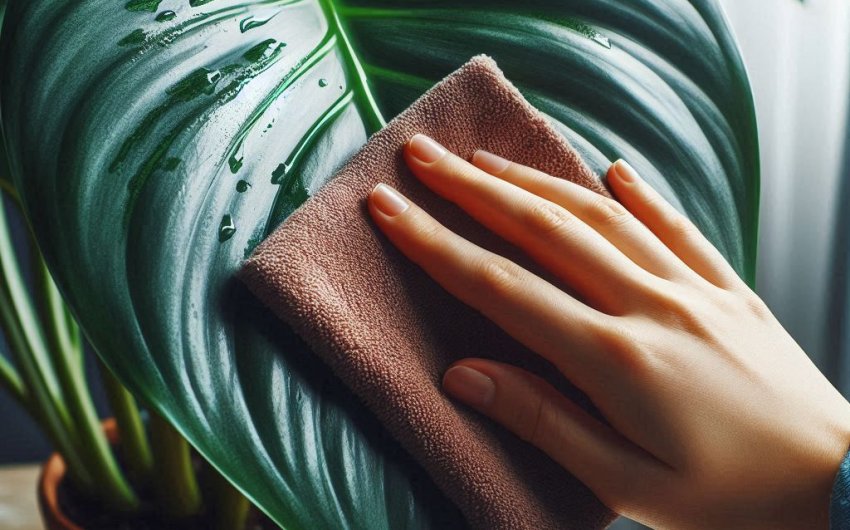
Cleaning large houseplant leaves naturally is an essential part of houseplant care that often gets overlooked. Over time, a thin layer of dust accumulates on the surface of leaves. While it might seem harmless, this dust buildup can actually hinder your plant's ability to perform photosynthesis efficiently. Photosynthesis is how plants convert light energy into chemical energy, essentially how they "eat." When dust blocks the light, the plant's food production slows down, leading to less vigorous growth and a dull, unhealthy appearance. Regularly cleaning leaves ensures maximum light absorption, allowing your plants to thrive.
The best and most natural way to clean houseplant leaves is surprisingly simple: with plain water and a soft cloth. Avoid using harsh chemicals, leaf shines, or oily substances, as these can clog the stomata (tiny pores on the leaves that allow for gas exchange and transpiration) and attract more dust in the long run. Natural methods are gentle on your plants and effective at removing the most common culprit for dirty leaves – household dust. This practice not only keeps your plants looking their best but also supports their vital physiological processes.
To begin, you'll need a soft, damp cloth (a microfiber cloth works wonderfully) and a bowl of room-temperature water. For very large leaves, you might even consider moving the plant to a sink or shower for a gentle rinse. The key is to be gentle, supportive, and thorough, ensuring both the top and underside of the leaves are free from accumulated debris. This regular cleaning routine is a simple yet impactful step towards fostering healthier houseplants.
Why is it important to clean houseplant leaves?
Cleaning houseplant leaves is far more than just an aesthetic chore; it's a critical component of proper plant care that directly impacts your plant's health and ability to thrive. There are several key reasons why regular leaf cleaning is so important for your indoor plants.
Firstly, and most importantly, clean leaves enhance photosynthesis. Plants "breathe" and absorb light through their leaves. A layer of dust acts like a blanket, blocking the light from reaching the chlorophyll (the green pigment responsible for capturing light energy) within the leaf cells. This significantly reduces the efficiency of photosynthesis, the process by which plants convert light, water, and carbon dioxide into sugars for energy. When photosynthesis is hindered, the plant's growth slows down, it becomes less vibrant, and its overall health declines. Regularly wiping off dust ensures maximum light exposure, allowing your plant to "eat" efficiently.
Secondly, clean leaves allow for better gas exchange and transpiration. Plants have tiny pores called stomata on their leaves, mostly on the underside, which are crucial for releasing oxygen and water vapor and taking in carbon dioxide. Dust buildup can clog these stomata, impairing the plant's ability to regulate water and exchange gases, which can stress the plant. Lastly, cleaning leaves provides an opportunity for early pest detection. As you wipe down each leaf, you're more likely to notice early signs of common houseplant pests like spider mites, mealybugs, or scale before they become a severe infestation. This early detection allows for quicker treatment and prevents widespread damage to your plant collection.
How often should I clean my houseplant leaves?
The frequency with which you should clean your houseplant leaves depends primarily on how quickly dust accumulates in your home and the environment your plants are in. There's no strict rule, but a general guideline can help you keep your plants pristine and healthy.
For most homes, a good frequency for cleaning houseplant leaves is once a month or every 4-6 weeks. In dustier environments, or if you live near a busy road or have pets that shed, you might find it beneficial to clean them every two weeks. Conversely, if your home is relatively dust-free, you might get away with cleaning every two months. The key is to visually inspect your plants regularly. If you can see a noticeable layer of dust on the leaves, it's time for a cleaning.
During warmer months when plants are actively growing, they are often metabolically more active and thus, photosynthesis is even more critical. This might be a good time to be more diligent with your leaf cleaning routine. In contrast, during the dormant winter months when light levels are lower and growth slows, you might slightly reduce the frequency, though cleaning is still beneficial. Ultimately, consistency is more important than rigid adherence to a schedule. Make leaf cleaning a regular part of your houseplant care routine, just like watering and fertilizing, to ensure your plants are always absorbing light efficiently and looking their best.
What natural materials can I use to clean leaves?
When it comes to cleaning large houseplant leaves naturally, the best materials are often the simplest and most accessible, avoiding harsh chemicals or anything that could leave a harmful residue.
The absolute best natural material for cleaning leaves is plain, room-temperature water. Water is effective at dissolving and rinsing away dust and grime without clogging stomata or leaving behind any sticky residue. Using room-temperature water is important because very cold water can shock the plant's foliage. For plants with especially large leaves (like Monstera deliciosa or Fiddle Leaf Figs), a gentle shower in a sink or bathroom can be an excellent way to rinse away accumulated dust.
Paired with water, a soft cloth or sponge is essential. Microfiber cloths are highly recommended because their fine fibers effectively trap dust and dirt without scratching delicate leaf surfaces. They are also highly absorbent. Alternatively, a soft cotton cloth, an old (clean) t-shirt, or even a soft makeup brush can work well for more delicate or textured leaves. For smaller plants, a soft, natural bristle paintbrush can be used to gently brush off dust without water. The goal is to use something gentle that won't abrade the leaf surface or push dirt further into its pores. Always ensure your cleaning material is clean and free of any cleaning product residue.
Should I use distilled water or tap water to clean leaves?
When cleaning houseplant leaves, the choice between distilled water and tap water can matter, especially for certain sensitive plants or if you have particularly hard tap water.
For most common, resilient houseplants, room-temperature tap water is perfectly fine for cleaning leaves. The amount of minerals or chlorine present in tap water is usually too low to cause any significant harm to the leaves when simply wiped or rinsed off. The benefit of cleaning far outweighs any minor mineral residue that might be left behind. However, if your tap water is very hard (meaning it has a high concentration of dissolved minerals like calcium and magnesium), you might notice a white, powdery residue or spots drying on the leaves after cleaning. This is just mineral residue and usually harmless, but it can detract from the plant's aesthetic appeal, especially on glossy-leaved plants.
For plants known to be sensitive to chemicals or hard water spots (like Calatheas, Prayer Plants, or African Violets), or if you simply want to ensure spotless leaves, using distilled water or filtered water is a better choice. These types of water are free of minerals and chlorine, so they won't leave any residue behind. Rainwater is also an excellent, natural, and mineral-free option if you collect it. Ultimately, the best choice depends on your water quality and your plant's specific sensitivity, but both options are effective for removing dust and grime. If using tap water and mineral spots bother you, a gentle buff with a dry, soft cloth after the leaves have dried can often remove them.
Can I use a shower to rinse large houseplant leaves?
Yes, absolutely! Using a shower or a kitchen sink spray nozzle is an excellent and highly effective way to clean large houseplant leaves, especially for plants that are too big or too numerous to wipe down individually. It mimics a natural rainfall and provides a thorough rinse.
Before bringing your plant into the shower, make sure the water temperature is lukewarm or room temperature. Avoid hot or very cold water, as extreme temperatures can shock the plant. Use a gentle spray setting, not a harsh direct stream, to avoid damaging delicate leaves. Place the plant in the tub or sink, and thoroughly rinse both the tops and undersides of all leaves. Make sure to get into crevices and along stems where dust and potential pests might hide.
This method is particularly effective for plants with dense foliage or those that accumulate a lot of dust. It also has the added benefit of boosting humidity, which many tropical houseplants appreciate. While rinsing, you can gently support larger leaves to prevent them from bending or breaking under the water pressure. After rinsing, allow the plant to drain completely in the tub or sink before moving it back to its spot. You can also gently shake off excess water. This prevents water from sitting in the cachepot or saucer, which could lead to root rot. A shower rinse every few weeks can keep your large plants looking their best and support their overall health.
What tools do I need for natural leaf cleaning?
For natural leaf cleaning of your houseplants, you don't need a lot of specialized tools. The process is intentionally simple, relying on gentle techniques and readily available items to effectively remove dust and grime without harming your plants.
The most essential tool is a soft cloth. A microfiber cloth is ideal because its tiny fibers are highly effective at picking up and trapping dust and dirt without scratching leaf surfaces. Its absorbency also helps in wiping away water cleanly. If you don't have a microfiber cloth, a clean, soft cotton cloth, an old (but clean) cotton t-shirt, or even a soft, lint-free paper towel can work. You'll want at least one or two cloths so you can rinse one out as you go. You can find packs of Amazon Basics Microfiber Cleaning Cloths which are perfect for this task.
Next, you'll need a bowl or bucket of room-temperature water. This is for wetting your cloth and rinsing it out as it gets dirty. For very large plants or those that need a full rinse, access to a sink with a sprayer or a shower is beneficial. For plants with smaller, textured, or numerous leaves that are hard to wipe, a soft-bristled paintbrush (like a clean, unused makeup brush or a soft artist's brush) can be useful for gently dusting away debris without water. Finally, for plants that have particularly sticky sap or residue, a small amount of diluted neem oil solution can be used on a cloth as an extra cleaning agent, as detailed in other sections.
How to clean very dusty or sticky houseplant leaves naturally?
For houseplant leaves that are exceptionally dusty or have a sticky residue (often from honeydew excreted by pests like aphids or mealybugs), plain water alone might not be enough. In these cases, you can gently escalate your natural cleaning approach.
For very dusty leaves, start with the regular method: a soft, damp cloth with room-temperature water. However, you might need to rinse your cloth more frequently and go over the leaves multiple times. For particularly heavy dust buildup, especially on plants with intricate leaf surfaces or in hard-to-reach areas, a gentle rinse in the shower can be incredibly effective. Allow the water to run over the leaves for a few minutes, gently supporting them, and then follow up with a soft wipe once the surface dust has softened.
For sticky leaves, which typically indicate a pest infestation, you'll need something more. A diluted solution of neem oil or a few drops of mild dish soap (like Dr. Bronner's Pure-Castile Liquid Soap - Unscented) mixed with room-temperature water can work wonders. Mix about 1 teaspoon of neem oil (or 1-2 drops of dish soap) per liter of water in a spray bottle. Spray the affected leaves thoroughly, making sure to cover both the top and underside. Let it sit for 5-10 minutes, then gently wipe the leaves clean with a soft, damp cloth. The neem oil or soap helps to break down the sticky honeydew and can also act as a mild deterrent for pests. Always test any new solution on a small, inconspicuous part of the plant first to ensure there's no adverse reaction. After cleaning, keep the plant out of direct sunlight until it's fully dry to prevent potential leaf burn.
Should I clean the top and bottom of the leaves?
Yes, it is highly recommended and truly beneficial to clean both the top and bottom of your houseplant leaves. While the top surface of the leaf might accumulate the most visible dust, the underside is equally, if not more, important for vital plant functions.
The reason the underside is so crucial is because this is where the majority of the stomata are located. Stomata are microscopic pores that open and close to regulate gas exchange (taking in carbon dioxide, releasing oxygen) and transpiration (releasing water vapor). If these tiny pores become clogged with dust, dirt, or pest residue (like honeydew), the plant's ability to "breathe" and regulate its water balance is severely compromised. This can lead to stress, reduced photosynthesis, and overall poor health.
Furthermore, many common houseplant pests, such as spider mites and mealybugs, often prefer to hide and feed on the underside of leaves because it offers more protection and can be more humid. By regularly wiping the bottom of the leaves, you not only ensure clear stomata but also provide an excellent opportunity for early pest detection. Even if you don't see visible dust on the bottom, wiping it down as part of your routine ensures these crucial functions are not impaired and helps you catch pest issues before they escalate. Always be gentle when supporting the leaf as you wipe, especially for delicate varieties.
Can natural leaf shine products be harmful?
While many commercial "leaf shine" products promise to make your houseplant leaves glossy and vibrant, most are not truly natural and can, in fact, be harmful to your plants in the long run. It's best to avoid them for the health of your houseplants.
Most conventional leaf shine products contain oils, waxes, or silicone-based ingredients. While they might give an immediate shiny appearance, they do so by coating the leaf surface. This coating can clog the stomata, the tiny pores on the leaves that are essential for gas exchange and transpiration (the release of water vapor). When stomata are blocked, the plant cannot effectively take in carbon dioxide or release oxygen and excess moisture, leading to inhibited photosynthesis and potential suffocation of the leaf. This stresses the plant and can lead to a decline in health.
Furthermore, the oily or sticky residue left by these products tends to attract and trap more dust and dirt over time, making your cleaning efforts less effective. They can also create an appealing environment for certain pests, as the sticky residue (like honeydew from pests) often does. Instead of relying on artificial shines, regular cleaning with plain water and a soft cloth will naturally reveal the plant's healthy, natural luster. A truly healthy, well-cared-for plant with clean leaves will shine on its own without the need for potentially harmful chemicals.
How to clean textured or fuzzy houseplant leaves?
Cleaning textured or fuzzy houseplant leaves requires a gentler approach than smooth, glossy ones, as water and wiping can damage their delicate surface or get trapped in their hairs. For these types of plants, dry cleaning methods are generally preferred.
For plants with fuzzy leaves like African Violets, Gloxinias, or some types of Begonias, using a damp cloth or direct water spray can cause spotting, browning, or even fungal issues if water gets trapped in the leaf hairs. Instead, opt for a soft-bristled brush to gently remove dust. A clean, soft artist's paintbrush, a clean makeup brush, or even a very soft toothbrush works well. Gently brush the dust off the leaves, always brushing outwards from the center of the leaf.
For plants with textured leaves (e.g., deeply ridged or corrugated surfaces), a damp cloth can still be used, but you'll need to be very gentle and meticulous to get into all the crevices. A soft cloth wrapped around your finger can help you reach into the grooves. For stubborn dirt in textured leaves, a gentle rinse under a lukewarm shower might be an option, but ensure adequate airflow afterwards to help the leaves dry thoroughly to prevent water spots or fungal growth. For all textured or fuzzy leaves, the key is extreme gentleness and ensuring the leaves are fully dry afterward to prevent problems.
Can cleaning leaves help prevent pests?
Yes, regular cleaning of houseplant leaves is an excellent and often overlooked method for preventing pests and helping to manage minor infestations. It serves as a frontline defense in your integrated pest management strategy.
Firstly, by physically wiping down the leaves, you are literally removing pest eggs, larvae, and adult insects that might be present. Many common houseplant pests, such as spider mites, mealybugs, and aphids, are small and often hide on the undersides of leaves or in leaf axils. Your regular cleaning routine forces you to closely inspect every part of the plant, allowing for early pest detection. Catching a small pest problem early makes it much easier to control before it escalates into a full-blown infestation that could harm your plant collection.
Secondly, clean leaves are less hospitable to pests. Dust buildup and sticky residues (like honeydew from aphids or scale) can provide a protective environment for pests, making them harder to spot and dislodge. A clean, smooth leaf surface makes it more difficult for pests to latch on and easier for you to wipe them away. The physical act of wiping also disrupts their life cycle and makes the plant less appealing. While cleaning alone may not eliminate a severe infestation, it is a crucial preventative measure and a key step in overall plant hygiene that significantly reduces the likelihood of pest problems.
What is the difference between cleaning and pruning leaves?
Cleaning leaves and pruning leaves are both important aspects of houseplant care, but they serve entirely different purposes and involve distinct actions. Understanding the difference is crucial for maintaining healthy and aesthetically pleasing plants.
Cleaning leaves involves the physical removal of dust, dirt, and debris from the leaf surfaces, as well as checking for pests. The primary goal of cleaning is to improve the plant's ability to photosynthesize efficiently by ensuring maximum light absorption, facilitate gas exchange, and prevent pest buildup. When you clean a leaf, you are preserving its existing structure and function. It's about maintaining the current health and cleanliness of the foliage. Tools for cleaning include a soft cloth, water, or a gentle brush.
Pruning leaves, on the other hand, involves the deliberate removal of entire leaves or parts of leaves (or stems and branches) from the plant. The main purposes of pruning are to remove dead, damaged, diseased, or yellowing foliage, to encourage bushier growth, to control the plant's size and shape, or to stimulate new growth. When you prune, you are actively changing the plant's structure and directing its energy. Tools for pruning include sharp, clean scissors or pruning shears (like Fiskars Micro-Tip Pruning Snips). While cleaning is a routine maintenance task for healthy leaves, pruning is a more intentional intervention aimed at shaping the plant or addressing specific health issues like dead or dying parts. Both are vital for a thriving houseplant, but they achieve different objectives.