
Can I use aquarium water to fertilize houseplants?
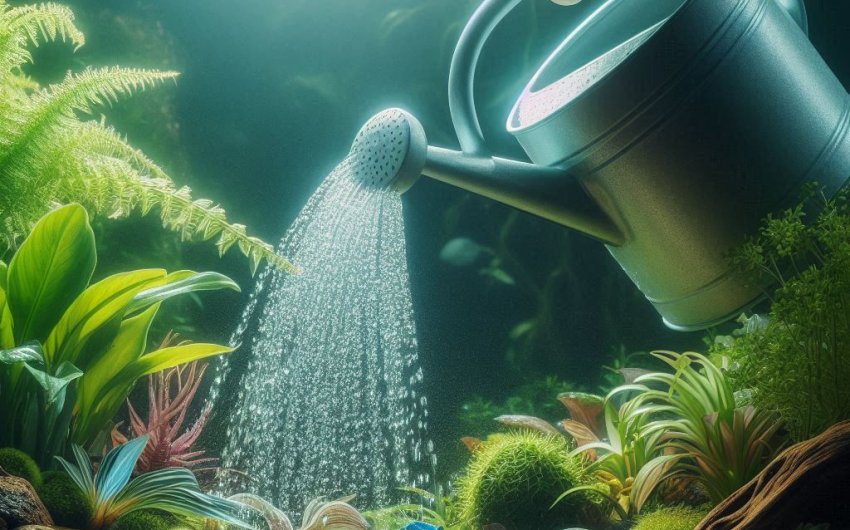
Yes, you can absolutely use aquarium water to fertilize your houseplants, and it's a practice highly recommended by many plant and aquarium enthusiasts! This technique, often called "aquaponics for houseplants" or simply "fish water fertilizer," is an excellent way to repurpose nutrient-rich water that would otherwise go down the drain during routine aquarium maintenance. Aquarium water is naturally infused with beneficial compounds that act as a gentle, organic fertilizer for your plants, promoting healthier growth and a vibrant appearance.
The primary reason aquarium water is so beneficial for houseplants is its content of nitrogen, phosphorus, and potassium (N-P-K), the three macronutrients essential for plant growth, along with various micronutrients. These nutrients come from fish waste, uneaten fish food, and decaying plant matter within the aquarium. Unlike synthetic fertilizers that can sometimes lead to salt buildup or chemical burn if over-applied, aquarium water provides a dilute and balanced nutrient solution, making it very gentle on your plants' root systems.
Using aquarium water is not only good for your plants but also an environmentally friendly practice, reducing water waste and the need for synthetic chemical fertilizers. It's a win-win situation, allowing you to create a sustainable loop between your aquatic and terrestrial ecosystems. This natural "liquid gold" can significantly enhance the health and vigor of a wide range of houseplants, from common Pothos and Philodendrons to more delicate ferns and Calatheas.
What nutrients are in aquarium water that benefit houseplants?
Aquarium water is a treasure trove of nutrients that are incredibly beneficial for houseplants, effectively acting as a natural, dilute fertilizer. The primary reason it's so potent is due to the biological processes occurring within a healthy aquarium ecosystem.
The most prominent nutrient found in aquarium water is nitrogen. This comes primarily from fish waste (ammonia) which is then converted by beneficial bacteria in the aquarium filter and substrate first into nitrites, and then into nitrates. Nitrates are a readily available form of nitrogen that plants can easily absorb through their roots. Nitrogen is crucial for lush, green, leafy growth, playing a key role in chlorophyll production and overall plant vigor.
Beyond nitrogen, aquarium water also contains varying amounts of phosphorus and potassium. Phosphorus is essential for root development, flowering, and fruit production, while potassium contributes to overall plant health, disease resistance, and water regulation. These macronutrients are supplemented by a spectrum of micronutrients such as iron, magnesium, calcium, and trace elements, which are released from uneaten food, decaying plant matter, and fish metabolism. Unlike many synthetic fertilizers that provide only N-P-K, aquarium water offers a more holistic and balanced nutrient profile that mimics a plant's natural environment, making it a complete and gentle food source for your houseplants.
Is aquarium water safe for all houseplants?
For the vast majority of houseplants, aquarium water is not only safe but highly beneficial. Its dilute, organic nature makes it much gentler than most synthetic fertilizers, reducing the risk of fertilizer burn or salt buildup. This makes it an excellent choice for a wide range of common indoor plants, including Pothos, Philodendrons, Monstera, Fiddle Leaf Figs, Calatheas, Peace Lilies, and many more.
However, there are a few considerations and exceptions to keep in mind to ensure safety for all your plants. The main concern is with the type of water itself. If you use saltwater aquarium water, it is absolutely NOT safe for houseplants. The high salt content will rapidly dehydrate and damage plant roots, leading to a quick decline and death. Always ensure you are using water from a freshwater aquarium.
Another consideration is the use of certain medications or chemical treatments in your aquarium. If you've recently treated your fish for diseases with strong chemicals or added specific algaecides, it's best to avoid using that water on your plants until several water changes have diluted the chemicals. Similarly, water from tanks heavily dosed with certain types of liquid fertilizers intended for aquarium plants, particularly those with very high iron content, should be used with caution and potentially diluted further for your houseplants. For standard freshwater aquarium water changes, where fish are healthy and no unusual chemicals have been added, the water is generally considered perfectly safe and beneficial for almost all houseplants.
How often can I use aquarium water on my plants?
One of the great advantages of using aquarium water is its gentle nature, which means you can use it quite frequently on your houseplants without the risk of over-fertilization that comes with concentrated chemical fertilizers. The frequency largely depends on your aquarium maintenance schedule and your plants' watering needs.
For most houseplants, you can replace their regular watering with aquarium water every time you perform a water change in your fish tank. For many aquarists, this means using aquarium water to hydrate their plants weekly or bi-weekly. This consistent, dilute feeding schedule provides a steady supply of nutrients, mimicking how plants would naturally receive nourishment in an ecosystem. Since the nutrient concentration in aquarium water is relatively low compared to commercial fertilizers, the risk of nutrient burn is minimal even with frequent application.
However, always pay attention to your plants and their specific needs. Some plants, like succulents or cacti, require less frequent watering overall and prefer their soil to dry out completely between waterings. For these, use aquarium water only when they are due for watering, and ensure good drainage. Very young seedlings or sensitive plants might benefit from even more dilute solutions initially. Conversely, large, fast-growing plants might appreciate every drop of aquarium water you can spare. As a general rule, replace your regular watering with aquarium water whenever your aquarium is due for a water change, and your plants are ready to be watered, aligning both schedules for maximum benefit.
What is the best way to collect aquarium water for houseplants?
Collecting aquarium water for your houseplants is a simple and straightforward process, typically integrated into your routine aquarium maintenance. The best way to collect it ensures you get the most nutrient-rich water safely and efficiently.
The ideal time to collect aquarium water is during your regular water change. This is when you are siphoning out old water from the tank anyway, and this water will contain the highest concentration of beneficial nutrients (like nitrates) that have accumulated since the last change. Use a clean aquarium siphon (such as Lee's Two Way Aquarium Gravel Vacuum) to draw water directly from the tank into a designated watering can or bucket.
It's best to avoid stirring up the substrate too much if you are just collecting water for plants, as this can make the water excessively cloudy with detritus, which isn't harmful but can look unsightly on your houseplant soil. Focus on siphoning from the middle levels of the water column. Ensure the watering can or bucket you use is clean and has never been used for harsh chemicals, soaps, or detergents, as residues can be harmful to both your fish and your plants. Once collected, the aquarium water is ready to be used immediately to water your houseplants just as you would with regular water. You can even use it for bottom watering if that's your preferred method.
Are there any risks to using aquarium water for houseplants?
While generally safe and highly beneficial, there are a few potential risks or considerations when using aquarium water to fertilize houseplants. Being aware of these can help you avoid any issues.
The most significant risk is using saltwater aquarium water. As mentioned, the high salinity is toxic to terrestrial plants and will cause rapid dehydration and death of plant roots. Always confirm you are using water from a freshwater aquarium.
Another potential risk comes from medications or harsh chemical treatments added to the aquarium. If your fish have been recently treated for diseases with copper-based medications, antibiotics, or strong algaecides, it's best to avoid using that water on your plants until several water changes have diluted the chemicals. These substances, while safe for fish in certain concentrations, could potentially harm houseplants. Similarly, be cautious if you heavily dose your aquarium with specific liquid fertilizers for aquatic plants, as some of these might contain concentrations of certain elements (like iron) that could be too high for some terrestrial plants.
Lastly, a minor consideration is the introduction of algae or very tiny pest organisms (like small snails or snail eggs) from the aquarium water to your houseplant soil. While generally not a major threat, if you're concerned, you can slightly filter the water through a fine mesh, but most healthy houseplant soil environments aren't conducive for widespread aquatic pest establishment. For the vast majority of normal, healthy freshwater aquarium water changes, the benefits far outweigh these minimal risks, making it a very safe and effective fertilizer.
Does the pH of aquarium water matter for houseplants?
The pH of aquarium water can certainly matter for houseplants, as plants have specific pH preferences for optimal nutrient absorption. pH measures how acidic or alkaline a substance is (0-7 acidic, 7 neutral, 7-14 alkaline). Most houseplants prefer a slightly acidic to neutral soil pH, typically ranging from 6.0 to 7.0.
Fortunately, most freshwater aquariums are maintained within a pH range that is generally suitable for houseplants. Many common fish (like tetras, guppies, platies) and aquatic plants thrive in a slightly acidic to neutral range (6.5-7.5), which aligns well with what most houseplants prefer. The pH of aquarium water is often buffered by the fish and biological processes, making it relatively stable and typically within the safe zone for plants.
However, if your aquarium has a very unusual or extreme pH (e.g., highly acidic for Discus fish, or highly alkaline for African Cichlids), it's worth checking if this aligns with your houseplant's preferences. For example, if your aquarium runs at a very high pH (8.0+), using that water might slowly increase the pH of your houseplant soil over time, potentially leading to nutrient lockout for some plants. You can test your aquarium water's pH using an aquarium test kit (like API Freshwater Master Test Kit). If your aquarium water pH is consistently outside the 6.0-7.5 range, and your houseplants are showing signs of nutrient deficiencies, you might consider alternating with filtered or rain water occasionally to help balance the soil pH. For the vast majority of home aquariums and houseplants, though, the pH will be compatible.
Can I use aquarium water for every watering?
For most houseplants, you absolutely can use aquarium water for every watering, or at least for every watering cycle that coincides with your aquarium's water change schedule. This is largely due to the dilute and balanced nature of the nutrients in aquarium water, which makes it a very gentle fertilizer.
Unlike concentrated synthetic fertilizers that often recommend application every 2-4 weeks to avoid nutrient burn or salt buildup, aquarium water provides a consistent, low-dose feeding. This steady supply of nitrogen, phosphorus, potassium, and micronutrients supports continuous, healthy growth without the risk of overwhelming the plant roots. Many experienced plant enthusiasts and aquarists exclusively use aquarium water for their houseplants and report excellent results, seeing robust foliage and vibrant colors.
However, it's always important to monitor your plants. If you notice any unusual leaf discoloration (like very dark green, almost black leaves, or browning tips) that might indicate excess nutrients, or if you see significant mineral buildup on the soil, you might consider occasionally flushing the soil with plain, filtered water or reducing the frequency slightly. For plants that are very slow growers or those in a dormant phase, they might not need as many nutrients, so adjusting the frequency based on their needs is always a good practice. But for active, growing houseplants, regular application of aquarium water is generally a very effective and safe long-term fertilization strategy.
Will aquarium water attract pests to my houseplants?
The concern that aquarium water might attract pests to your houseplants is understandable, but generally, it's a minimal risk and not a common problem. The types of organisms that thrive in aquatic environments are usually not well-suited to survive or reproduce in terrestrial soil environments.
The primary "pests" that might be a concern are fungus gnats, which are attracted to moist potting mix. However, aquarium water itself doesn't directly cause or attract fungus gnats. Fungus gnats are attracted to the moisture and organic matter in the soil, not specifically the nutrients from the aquarium. In fact, if you use aquarium water for bottom watering, you can actually help prevent fungus gnats by keeping the soil surface dry, which discourages them from laying eggs.
You might occasionally see small, harmless algae (like green water algae) or very tiny detritus worms transfer from the aquarium to the houseplant soil. However, these organisms are unlikely to establish a thriving population in a houseplant pot. The conditions are simply too different from an aquatic environment. Any existing algae or detritus will generally decompose in the soil and provide additional organic matter, or dry out. True terrestrial pests like spider mites, mealybugs, or aphids are not attracted to or carried by aquarium water. Therefore, you can use aquarium water with confidence, knowing it's unlikely to introduce undesirable pests to your cherished houseplants.
Do I still need to use regular fertilizer if I use aquarium water?
Whether you still need to use regular fertilizer when consistently using aquarium water depends on several factors, including the specific needs of your plants, the stocking and feeding regimen of your aquarium, and your plant growth goals.
For many common foliage houseplants and average growth, aquarium water can provide sufficient nutrients and eliminate the need for supplemental synthetic fertilizers. The nitrogen, phosphorus, and potassium (N-P-K) along with various micronutrients present in aquarium water are often enough to support healthy, steady growth for the majority of indoor plants. It’s a complete, albeit dilute, fertilizer.
However, there are situations where supplemental fertilization might still be beneficial:
- Heavy Feeders or Fast Growers: Large, rapidly growing plants like some Monstera or flowering plants (e.g., Peace Lilies in bloom) might deplete nutrients faster and could benefit from an occasional boost from a balanced liquid fertilizer.
- Specific Deficiencies: If your plants show specific signs of nutrient deficiencies (e.g., severe yellowing that doesn't resolve with aquarium water, or poor flowering), you might need to supplement with a targeted fertilizer.
- Lightly Stocked or Underfed Aquariums: If your aquarium has very few fish, or if you feed them sparingly, the nutrient concentration in the aquarium water might be lower.
- Flowering or Fruiting Plants: While aquarium water provides general nutrients, flowering plants may require higher ratios of phosphorus and potassium during their blooming cycle than what the fish water naturally provides.
In these cases, you might supplement with a half-strength dose of a balanced liquid houseplant fertilizer once a month or every other month, in addition to using aquarium water for regular watering. Consider aquarium water as your primary, gentle feeding source, and use commercial fertilizers as an occasional supplement if your plants show they need more.
Can I use water from a pond or outdoor fish tank?
Using water from an outdoor pond or outdoor fish tank to fertilize your houseplants comes with different considerations compared to indoor aquarium water. While it also contains beneficial nutrients from fish waste and organic matter, there are higher risks involved.
The main concern with pond water is the potential for introducing pests and pathogens that are more likely to thrive in an outdoor environment. Outdoor ponds can harbor a wider variety of insects, their larvae, algae, fungi, and bacteria that are not typically found or are less abundant in a controlled indoor aquarium. Introducing these to your indoor environment could lead to pest infestations (like mosquito larvae) or plant diseases that are difficult to eradicate indoors.
Furthermore, the chemical makeup of pond water can be less predictable. It might be subject to runoff from rain, contain fertilizers or pesticides from nearby gardening, or have extreme pH fluctuations. The presence of decaying leaves, algae blooms, or dead organisms can also drastically alter the water's composition, making it less reliably safe for sensitive houseplants.
Therefore, while pond water does contain nutrients, it's generally not recommended for indoor houseplants due to the higher risk of introducing unwanted organisms and unpredictable chemical content. Stick to water from controlled, indoor freshwater aquariums where you have a better understanding of the water quality and potential contaminants. If you do consider using it, thoroughly filter the water and perhaps only use it on outdoor container plants where the risk is lower.
Does the size of the aquarium matter for the quality of the water?
The size of the aquarium can indirectly affect the "quality" or, more accurately, the nutrient concentration of the water available for your houseplants. While all healthy freshwater aquariums produce beneficial nutrient-rich water, the volume of the tank and its inhabitants play a role.
In a larger aquarium, especially one that is well-established and moderately stocked with fish, the biological filtration system (beneficial bacteria converting fish waste) is usually more robust and stable. This leads to a consistent production of nitrates and other nutrients. A larger volume of water means that the nutrients produced by the fish are diluted across more water, resulting in a generally lower but very consistent concentration of nutrients per gallon. This makes the water very safe and gentle for houseplants, allowing for frequent application without risk of nutrient burn.
Conversely, a smaller aquarium with a similar stocking density might have a more concentrated level of nutrients in its water change effluent, simply because there's less water to dilute the waste products. While this means the water might be "richer" in nutrients per volume, it also means you might have less water available if you have many houseplants. More importantly, smaller tanks can sometimes have more fluctuating water parameters (like pH or ammonia/nitrite spikes if not properly maintained), so it's extra important that the small tank is healthy and stable before using its water on plants. Ultimately, as long as the aquarium is healthy and well-maintained, water from any size freshwater tank will be beneficial, but large tanks often provide a larger volume of consistently good-quality, dilute fertilizer.