
What’s the best way to bottom water houseplants?
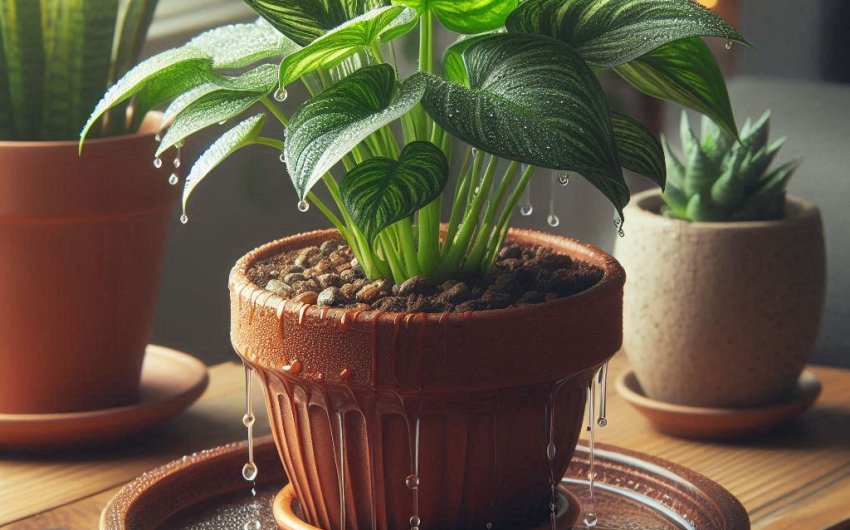
Bottom watering is a highly effective and often preferred method for hydrating many houseplants, especially those with sensitive foliage or those prone to issues like fungus gnats or root rot. Instead of pouring water directly onto the soil surface, with bottom watering, you allow the plant to soak up water from the bottom of its pot through its drainage holes. This method encourages the roots to grow downwards, seeking out the moisture, which leads to a stronger, more robust root system. It also ensures that the entire root ball is evenly moistened, preventing dry pockets that can occur with top watering, especially in compact or hydrophobic soils.
To bottom water your houseplant, you'll need a container larger than your plant's pot, such as a sink, basin, or saucer. Fill this container with a few inches of water, ideally room temperature or slightly warm water, as cold water can shock plant roots. Place your potted plant directly into this water, ensuring the drainage holes are submerged. The potting mix will then absorb water upwards through capillary action, drawing moisture into the root ball. It's a gentle process that rehydrates the soil thoroughly without disturbing the soil surface or washing away nutrients.
The duration of the soak depends on the plant's size, the type of potting mix, and how dry the soil is. Generally, most plants need to soak for 15-45 minutes. You'll know the plant is sufficiently hydrated when the top of the soil surface appears visibly damp. Once watered, lift the plant and allow any excess water to drain completely from the drainage holes before returning it to its cachepot or decorative saucer. This crucial draining step prevents the plant from sitting in stagnant water, which can still lead to root rot, even with bottom watering.
What are the benefits of bottom watering houseplants?
Bottom watering offers numerous benefits for the health and vitality of your houseplants, making it a preferred method for many plant enthusiasts. Understanding these advantages can help you decide if it's the right watering technique for your collection.
One of the primary benefits is the promotion of a stronger root system. When plants absorb water from the bottom, their roots are encouraged to grow downwards to reach the moisture. This leads to a deeper, more extensive root network, making the plant more stable and efficient at absorbing water and nutrients. In contrast, top watering often encourages shallower root growth, as the roots don't need to reach far for hydration.
Secondly, bottom watering helps to prevent common issues like fungus gnats and certain fungal diseases. Fungus gnats thrive in consistently wet soil surfaces. By keeping the top layer of soil relatively dry, bottom watering creates an unfavorable environment for these pests and their larvae, significantly reducing their presence. It also minimizes the risk of foliar fungal diseases (like powdery mildew) because the leaves remain dry during the watering process. Furthermore, it ensures thorough and even saturation of the potting mix, eliminating dry spots that can occur with top watering, especially in denser or compacted soils. This even hydration is crucial for the overall health and consistent growth of your houseplants.
Which houseplants are best for bottom watering?
Bottom watering is particularly beneficial for certain types of houseplants that have specific needs or are prone to particular issues with top watering. While many plants can benefit, some are especially well-suited to this method due to their foliage, growth habits, or sensitivity to moisture.
Plants with sensitive or fuzzy leaves are excellent candidates for bottom watering. Examples include African Violets, Calatheas, Prayer Plants, and Gloxinias. Their delicate or velvety leaves can develop spots, mildew, or rot if water sits on them for too long after top watering. Bottom watering allows the soil to absorb water without wetting the foliage, keeping the leaves pristine and healthy.
Secondly, plants that are prone to fungus gnats also benefit immensely. Fungus gnats lay their eggs in the top inch or two of moist soil. By keeping the soil surface drier with bottom watering, you discourage these pests from laying eggs and reduce existing populations. This is a great strategy for Pothos, Philodendrons, and many common foliage plants that can attract these pesky insects. Finally, plants that prefer consistent but not soggy moisture, especially those in terracotta pots, often thrive with bottom watering. It allows the potting mix to wick up just enough water, preventing both overwatering and underwatering, leading to a healthier root system.
How often should I bottom water my plants?
The frequency of bottom watering your houseplants depends on several factors, including the type of plant, the size of its pot, the kind of potting mix it's in, and your home's environmental conditions. There isn't a fixed schedule, as each plant and environment is unique. The best approach is to observe your plant and its soil carefully.
The golden rule for knowing when to water any houseplant, including when to bottom water, is to check the soil moisture. Stick your finger about 2-3 inches deep into the potting mix. If it feels dry at that depth, it's generally time to water. For most houseplants, you want the top few inches of soil to dry out between waterings to allow for proper aeration and prevent root rot.
For plants that prefer more consistent moisture (like Calatheas or ferns), you might bottom water slightly more frequently, allowing only the very top inch or so to dry out. For succulents or cacti, which require much drier conditions, you would let the soil dry out almost completely between waterings, and then bottom water less often. Larger pots hold moisture longer than smaller pots, and plants in terracotta pots tend to dry out faster than those in plastic or glazed ceramic pots. During warmer months or in dry climates, you'll likely water more often than in cooler, humid conditions. Always check the soil first, rather than sticking to a rigid schedule, to ensure your plant gets water when it truly needs it.
What type of water is best for bottom watering?
The type of water you use for bottom watering your houseplants can significantly impact their long-term health. Just as plants are sensitive to the minerals and chemicals in the soil, they can also be affected by what's in their water supply.
Room temperature water is generally considered the best choice for bottom watering. Using very cold water can shock the plant's roots, especially for tropical species. Allowing tap water to sit out for at least 24 hours can help to dissipate chlorine, which can be harmful to some sensitive plants over time. If your tap water is particularly hard (high in minerals like calcium and magnesium), you might notice a white crust building up on the rim of your pots or on the soil surface over time. This mineral buildup can sometimes affect soil pH and nutrient absorption.
For plants that are very sensitive to mineral buildup or chemicals, such as Calatheas, ferns, and carnivorous plants, distilled water or rainwater are ideal. These types of water are free of minerals and chemicals, providing a pure source of hydration. If using distilled water or reverse osmosis water exclusively, remember that these waters lack minerals, so you'll need to ensure your fertilization routine adequately supplies all necessary nutrients to your plant. While municipal tap water is often fine for many resilient houseplants, considering filtered, distilled, or rainwater for your more delicate varieties can contribute significantly to their health and prevent issues related to water quality. You can find large containers of Purified Drinking Water if rainwater collection isn't an option.
Can bottom watering prevent fungus gnats?
Yes, bottom watering can be a very effective strategy for helping to prevent fungus gnats and managing existing infestations. This method addresses one of the key conditions that fungus gnats need to thrive: consistently moist soil surfaces.
Fungus gnats are tiny, mosquito-like insects that are a common nuisance for houseplant owners. The adult gnats are mostly harmless, but their larvae, which look like tiny clear or white worms, feed on decaying organic matter in the soil and, sometimes, on delicate plant roots. They lay their eggs in the top inch or two of moist potting mix. If the soil surface remains consistently wet from top watering, it provides an ideal breeding ground for these pests.
By contrast, bottom watering allows the plant to absorb water from below, leaving the top layer of soil relatively dry. This dry upper layer creates an inhospitable environment for fungus gnat adults looking to lay eggs, and it also dries out existing eggs and larvae, preventing them from developing. While bottom watering isn't a magical cure for a severe infestation (you might need additional treatments like sticky traps or Bacillus thuringiensis israelensis (BTI), such as Summit Mosquito Dunks), it is a powerful preventative measure and a great way to manage fungus gnat populations over time. Consistently keeping the soil surface dry is a major step in breaking their life cycle.
Does bottom watering cause mineral buildup?
Yes, bottom watering can contribute to mineral buildup in the potting mix over time, especially if you are using tap water with a high mineral content (often referred to as "hard water"). While bottom watering has many advantages, this is one of its potential drawbacks that needs to be managed.
When you bottom water, the water is absorbed upwards into the soil through capillary action. As the water evaporates from the soil surface, it leaves behind any dissolved minerals. Unlike top watering, where excess water (and some dissolved minerals) drains out of the bottom of the pot, bottom watering keeps these minerals within the potting mix. Over many watering cycles, these minerals can accumulate, forming a visible white or brownish crust on the soil surface or around the rim of the pot.
This mineral buildup can eventually cause problems for your houseplant. High concentrations of minerals can raise the soil pH, making it harder for the plant to absorb essential nutrients. They can also lead to fertilizer salt burn on the roots, hindering nutrient and water uptake. To counteract this, it's recommended to top water your plants occasionally, perhaps once every 3-4 bottom watering cycles. When you top water thoroughly, allowing water to drain freely from the bottom, it helps to flush out accumulated salts and minerals from the potting mix, essentially giving the soil a "rinse." Using distilled or rainwater for bottom watering can also significantly reduce or eliminate mineral buildup.
How long should I let my plant soak when bottom watering?
The duration for which you should let your plant soak when bottom watering is not fixed and varies based on several factors, including the plant type, the potting mix it's in, and how dry the soil currently is. However, there's a good general rule of thumb and a clear indicator that will tell you when your plant has had enough to drink.
Generally, most houseplants in average potting mix will need to soak for 15 to 45 minutes. For a plant that is extremely dry or in a terracotta pot (which wicks away moisture faster), it might need closer to the 45-minute mark, or even up to an hour for very large, thirsty plants. Smaller pots or plants in plastic pots that don't dry out as quickly might be done in 15-20 minutes.
The most reliable way to know when your plant has absorbed enough water is to observe the soil surface. When the top layer of the potting mix appears visibly damp, it means that the water has wicked all the way up through the root ball. At this point, the plant is thoroughly hydrated. Once you see the top soil become moist, it's time to remove the plant from the water. Leaving it to soak for much longer than this can lead to overwatering and root rot, even with bottom watering, as the soil can become overly saturated if left submerged for an excessive period. Always allow any excess water to drain completely from the drainage holes before placing the plant back.
Can I bottom water all my houseplants?
While bottom watering is a highly effective and beneficial method for many houseplants, it's not suitable for every single plant in your collection. Understanding which plants thrive with this method and which might struggle is important for maintaining a healthy indoor garden.
As discussed, plants with sensitive foliage (like African Violets, Calatheas) and those prone to fungus gnats (many Aroids) are excellent candidates. Plants that prefer a consistently moist but not soggy root ball also do very well. This method is also great for newly repotted plants, as it helps settle the potting mix around the roots gently.
However, there are a few exceptions. Succulents and cacti, for example, generally prefer their soil to dry out almost completely between waterings, and they are extremely susceptible to root rot if left in moist conditions for too long. While you can technically bottom water them, you must be very quick about it, allowing for only minimal moisture uptake, and then ensuring they fully dry out for an extended period. For these types of plants, top watering, being careful not to overwater, might be more intuitive for beginners. Also, some very large plants or those in unusually dense potting mixes might struggle to wick up enough water effectively from the bottom, or it might take an impractically long time to fully hydrate them. For the vast majority of common foliage houseplants though, bottom watering is a safe and beneficial practice.
What type of pot is best for bottom watering?
The type of pot your houseplant is in plays a significant role in the effectiveness of bottom watering. Ideally, any pot used for bottom watering must have drainage holes at the bottom. Without these holes, water cannot be wicked up into the potting mix, rendering the method impossible.
Terracotta pots are exceptionally well-suited for bottom watering. Their porous nature allows water to be absorbed not just through the drainage holes but also directly through the sides of the pot. This property also means that terracotta pots promote excellent aeration of the soil and help to prevent overwatering by allowing moisture to evaporate more quickly from the pot's surface. However, this also means plants in terracotta pots will dry out faster and might need more frequent bottom watering. You can find various sizes of Terracotta Pots with Drainage Holes easily.
Plastic pots and glazed ceramic pots also work perfectly fine for bottom watering, as long as they have drainage holes. While they don't absorb water through their sides like terracotta, the drainage holes are sufficient for capillary action to occur. Plants in plastic or glazed ceramic pots will tend to retain moisture for longer periods compared to terracotta, so you might need to adjust your bottom watering frequency accordingly. Ultimately, as long as the pot has proper drainage holes that can be submerged, it can be successfully used for bottom watering.
How do I know if my plant is getting enough water with bottom watering?
Determining if your plant is getting enough water with bottom watering is crucial for preventing both underwatering and overwatering. Fortunately, there are clear signs to look for that indicate your plant has received sufficient hydration.
The most reliable indicator is the soil surface. As the potting mix wicks up water from the bottom, the moisture will gradually travel upwards. You'll know your plant has received enough water when the entire top layer of soil becomes visibly damp. This shows that the water has saturated the entire root ball, from bottom to top. At this point, remove the plant from the water. If the top soil doesn't appear damp after 30-60 minutes, your potting mix might be too dense, or the plant might be severely root-bound, hindering the capillary action.
Another way to check is by feeling the weight of the pot. A fully hydrated pot will feel significantly heavier than a dry one. Over time, you'll develop a sense for the weight of your watered pots. While the plant is soaking, you can also gently press down on the soil surface to feel for moisture. After removing the plant from the water, it's absolutely vital to allow any excess water to drain completely from the drainage holes for at least 15-30 minutes before placing it back into a cachepot or on a saucer. This prevents the plant from sitting in stagnant water, which can still lead to root rot even after effective bottom watering.
What are the potential drawbacks of bottom watering?
While bottom watering offers many benefits, it's important to be aware of its potential drawbacks so you can manage them effectively and maintain the overall health of your houseplants.
The main drawback, as mentioned, is the buildup of mineral salts in the potting mix. Because water evaporates from the soil surface and from the plant's leaves (transpiration), minerals dissolved in the water are left behind in the soil. Unlike top watering, where some of these minerals are flushed out with the draining water, bottom watering tends to concentrate them within the pot. Over time, this can lead to a white or crusty residue on the soil and pot rim, and can potentially harm plant roots or affect nutrient availability by altering soil pH. To counteract this, it's recommended to occasionally top water your plants thoroughly (every 3-4 bottom watering cycles) to flush out these accumulated salts.
Another potential issue is that bottom watering does not actively flush out pest larvae (like those of fungus gnats or mealybugs) or disease spores from the very top layer of the soil if they are present there. While it helps prevent new fungus gnats by keeping the surface dry, it won't wash away any existing ones. Additionally, if the potting mix is extremely compacted or very old, bottom watering might not effectively hydrate the entire root ball if the capillary action is severely impeded. In such cases, a good thorough top water or even repotting might be necessary. Lastly, some people find bottom watering to be more time-consuming or inconvenient if they have many plants or very large plants that require big basins.
How do I switch my houseplants from top watering to bottom watering?
Switching your houseplants from top watering to bottom watering is a straightforward process, but it requires a slight adjustment in your routine and keen observation of your plants. The transition is usually smooth, and most plants adapt well.
First, ensure your plant is in a pot with drainage holes. If it's in a cachepot without holes, you'll need to move it to a pot that allows for drainage. Next, wait until your plant is ready for its next watering, meaning the top few inches of soil are dry. You'll then follow the steps for bottom watering: place the pot in a larger container with a few inches of room temperature water, ensuring the drainage holes are submerged.
Allow the plant to soak until the top of the soil surface becomes visibly damp, which usually takes 15-45 minutes. Once fully hydrated, remove the plant from the water and let any excess water drain completely from the drainage holes for at least 15-30 minutes before returning it to its spot. Over the next few weeks, pay close attention to your plant. The soil might take a little longer to dry out between waterings with bottom watering initially, as it saturates more thoroughly. Adjust your watering frequency by checking the soil moisture regularly. Remember to occasionally top water to flush out any mineral buildup. This simple switch can lead to healthier root systems, fewer pests, and happier houseplants in the long run.