
How do I create a DIY aroid potting mix?
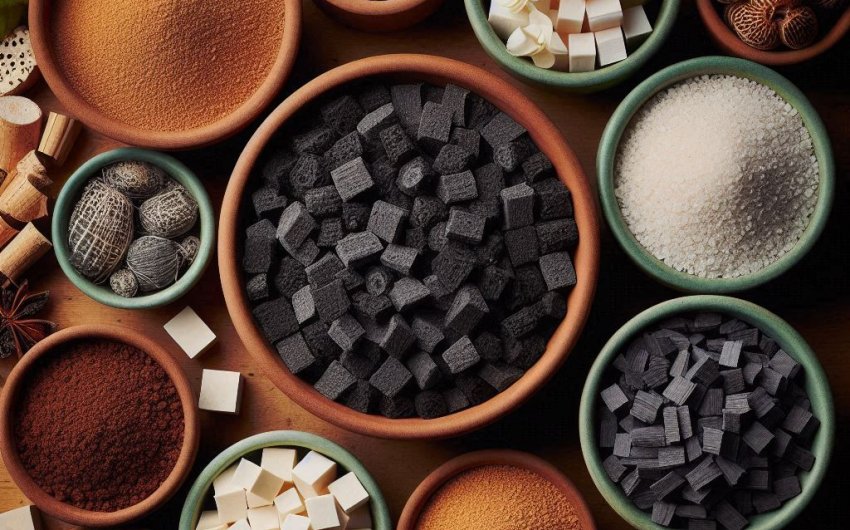
Creating a DIY aroid potting mix is a fantastic way to provide your beloved Aroids—like Monstera, Philodendron, Pothos, Anthurium, and Syngonium—with the ideal growing environment. These plants, native to tropical rainforests, thrive in conditions that regular potting soil simply can't match. The goal of a custom aroid mix is to mimic their natural habitat: a substrate that is incredibly well-draining, highly aerated, yet still retains enough moisture to keep their roots hydrated. This balance is key to preventing common issues like root rot, while encouraging robust growth and healthy foliage.
The basic principle behind a successful aroid blend is to move away from dense, water-retentive soils and towards a chunky, airy mix. This means incorporating a variety of ingredients that provide different benefits. You'll need a base material for moisture retention, like coco coir or peat moss. Then, you'll add chunky amendments that create vital air pockets and promote rapid drainage, such as perlite, orchid bark, and pumice. The combination of these components ensures that excess water can escape freely, preventing the roots from sitting in stagnant conditions, which is the primary cause of root rot in Aroids.
By crafting your own aroid soil, you gain complete control over the quality and ratios of ingredients, allowing you to tailor the mix precisely to your specific plants and growing conditions. This approach not only supports healthier root systems but also leads to more vibrant and thriving Aroids. It's a cost-effective and rewarding way to ensure your tropical beauties receive exactly what they need to flourish, mimicking the loose, organic-rich soil found clinging to trees or among leaf litter on the jungle floor.
What are the essential ingredients for a DIY aroid potting mix?
To create an effective DIY aroid potting mix, you need to select ingredients that work together to provide excellent drainage, superior aeration, and appropriate moisture retention. Think of it as building a balanced ecosystem for your plant's root system. The essential components generally fall into two categories: those that hold moisture and those that provide structure and allow for airflow. Understanding the role of each ingredient is key to mixing a perfect blend for your Aroids.
First, you'll need a primary base material that offers good moisture retention while still allowing for air circulation. Coco coir is widely considered one of the best options for this. It's a sustainable byproduct of coconut processing, and it excels at absorbing water while remaining light and fluffy. It also offers a neutral pH, which is beneficial for most Aroids. Alternatively, peat moss can be used, though it's less sustainable and naturally more acidic. Either way, this base forms the bulk of your mix, providing the foundation for water and nutrient uptake. You can find compressed Mother Earth Coco Coir which expands significantly when hydrated.
Next, it's crucial to add ingredients that improve drainage and aeration. These are the "chunky" components that prevent compaction and allow oxygen to reach the roots. Orchid bark (specifically bark fines, which are smaller pieces) is excellent for this. It provides structure, improves airflow, and decomposes slowly, releasing some nutrients over time. Perlite is another must-have. It's a lightweight, porous volcanic rock that creates air pockets and aids in quick water drainage. Similarly, pumice, a denser volcanic rock, serves the same purpose and is less prone to floating than perlite. The combination of these materials ensures that your aroid mix remains open and airy, preventing root rot and promoting robust root growth.
Why is drainage so critical for Aroid potting mixes?
Drainage is the single most critical factor for aroid potting mixes because the vast majority of Aroids are highly susceptible to root rot. In their natural rainforest habitats, many Aroids are epiphytic or hemi-epiphytic, meaning they grow on trees or among decaying organic matter, not in dense, heavy soil. This means their roots are accustomed to constant air circulation and quickly draining water. When these plants are grown in pots with soil that doesn't drain well, their roots become waterlogged, leading to a cascade of problems.
When the potting mix is waterlogged, oxygen is pushed out of the soil. Roots need oxygen to breathe, just like leaves. Without oxygen, the root cells begin to die, and the anaerobic (oxygen-free) environment becomes a breeding ground for harmful bacteria and fungi that cause root rot. This disease literally turns the roots into a mushy, brown mess, making them unable to absorb water and nutrients. Even if the plant appears to be getting enough water, the dying roots cannot transport it, leading to symptoms like wilting, yellowing leaves, and ultimately, plant death.
Therefore, creating an aroid potting mix with exceptional drainage is not just beneficial, it's absolutely essential for the plant's survival. The mix must allow excess water to flow through rapidly, preventing it from sitting around the root system. Ingredients like perlite, pumice, and orchid bark are fundamental because they create the necessary pore space and channels for water to exit the pot quickly. A well-draining mix ensures that fresh air can constantly circulate around the roots, providing the oxygen they need to function optimally and absorb moisture and nutrients effectively.
How does aeration improve aroid root health?
Aeration goes hand-in-hand with drainage and is incredibly important for the overall root health of Aroids. While drainage refers to water moving through the soil, aeration refers to the presence of air pockets within the potting mix. These air pockets are vital because they provide oxygen directly to the root system. Just like any other living part of a plant, roots respire, meaning they take in oxygen and release carbon dioxide. This process is essential for their growth, function, and ability to absorb water and nutrients from the soil.
In a dense or compacted soil, there are very few air pockets. When you water, these limited spaces quickly fill with water, further reducing the oxygen available to the roots. This is where root rot begins. By contrast, a well-aerated aroid mix is full of pore spaces that remain open even after watering. This allows for constant air exchange, ensuring a continuous supply of oxygen to the root cells. Oxygenated roots are healthy, functional roots that can efficiently absorb everything the plant needs to thrive.
Ingredients like perlite, pumice, and chunky orchid bark are crucial for achieving superior aeration in your DIY aroid potting mix. These materials don't hold much water themselves, but their irregular shapes and porous structures create a multitude of tiny air pockets throughout the soil. They prevent the other, finer components (like coco coir) from compacting too much, maintaining a loose and open structure. This constant airflow around the root system is what mimics the natural conditions Aroids experience in their arboreal or loose jungle floor environments, promoting strong, robust root growth and preventing suffocation.
What is the ideal moisture retention for aroid soil?
While drainage and aeration are critical for preventing root rot, moisture retention is equally important for the health of Aroids. These plants originate from humid, tropical environments where the air is consistently moist, and the soil, while well-draining, never dries out completely. The ideal aroid potting mix must strike a delicate balance: allowing excess water to drain away quickly, but retaining enough moisture to keep the root system consistently damp, not soggy, between waterings.
If an aroid mix drains too quickly and retains insufficient moisture, the plant will experience drought stress. This can lead to symptoms like crispy, browning leaf edges or tips, wilting, and overall lack of vigor. The plant will also require much more frequent watering, which can be inconvenient and still lead to periods of dryness if you're not constantly vigilant. Aroids prefer a consistent level of moisture, without wild fluctuations between soaking wet and bone dry.
Ingredients like coco coir and peat moss are essential for achieving the right level of moisture retention in your DIY aroid potting mix. Both materials are excellent at absorbing and holding water within their fibers, releasing it slowly to the plant's roots as needed. Coco coir, in particular, acts like a sponge, capable of holding a significant amount of water while still allowing for plenty of air space around its particles. This ensures that even as the mix drains, there's a reservoir of moisture available to the roots. When combined with the chunky, well-draining materials, these moisture-retentive components create a perfect growing medium that provides consistent hydration without the risk of overwatering or root rot.
What is the best ratio for a DIY aroid potting mix?
Creating the best ratio for a DIY aroid potting mix depends somewhat on your specific Aroid species and your growing environment, but a general guideline will set you up for success. The key is to remember the balance: drainage and aeration must outweigh pure moisture retention. A good starting point for a versatile aroid mix that suits most Monstera, Philodendron, Pothos, and Syngonium varieties involves three main types of ingredients.
A widely recommended basic aroid mix ratio is:
- 1 part coco coir (or peat moss): This forms the base and provides moisture retention.
- 1 part orchid bark (or bark fines): This adds significant chunkiness for drainage and aeration.
- 1 part perlite (or pumice): This ensures excellent airflow and further improves drainage.
So, for example, if you're making a batch, you could use 2 cups of Mother Earth Coco Coir, 2 cups of Orchiata Orchid Bark, and 2 cups of Hoffman Horticultural Perlite. This 1:1:1 ratio is a fantastic starting point.
However, you can adjust this ratio based on your needs. For Aroids that prefer even more airflow (like certain Anthurium species or very thirsty Monsteras), you might increase the bark and perlite/pumice to a 1:2:1 or even 1:1:2 ratio (coco coir:bark:perlite). If you live in a very dry climate and struggle with mixes drying out too fast, you might slightly increase the coco coir component to a 2:1:1 ratio, but always be cautious not to compromise drainage. Always mix thoroughly to ensure an even distribution of ingredients. The best way to know if your ratio is good is to water it: water should flow through quickly, within seconds, from the drainage holes.
Can I add worm castings to my DIY aroid mix?
Yes, absolutely! Adding worm castings to your DIY aroid mix is an excellent idea and highly recommended for several reasons. Worm castings are essentially worm manure, a rich, organic amendment produced by earthworms. They are a natural and gentle source of nutrients, beneficial microbes, and trace minerals that can significantly boost the health and vigor of your Aroids.
One of the primary benefits of worm castings is their nutrient content. They provide a slow-release form of essential nutrients like nitrogen, phosphorus, and potassium, as well as crucial micronutrients such as iron, calcium, and magnesium. Unlike synthetic fertilizers that can sometimes burn roots if over-applied, worm castings release their nutrients gradually, providing a steady and gentle supply that is perfect for sensitive aroid roots. This steady nutrient supply supports strong leaf growth, vibrant coloration, and overall plant resilience.
Beyond nutrients, worm castings are teeming with beneficial microorganisms. These microbes play a vital role in breaking down organic matter in the potting mix, making nutrients more available to the plant. They also help to suppress harmful pathogens and improve soil structure, enhancing both aeration and moisture retention in a balanced way. When adding worm castings, a small amount goes a long way. Aim for about 5-10% of your total aroid mix volume. For example, if you're mixing 6 cups of your base aroid mix (coco coir, bark, perlite), add about 0.5 to 1 cup of Wiggle Worm Soil Builder Earthworm Castings. Mix them thoroughly with the other ingredients to ensure even distribution throughout the blend.
What about activated charcoal in aroid potting mixes?
Adding activated charcoal to your DIY aroid potting mix is a beneficial, though optional, step that can further enhance the health and longevity of your plants. While not strictly essential for basic function, activated charcoal offers several unique advantages, particularly for sensitive plants like Aroids that thrive in clean and well-draining environments.
One of the main benefits of activated charcoal is its ability to absorb impurities and toxins from the soil and water. It's highly porous, with a vast internal surface area, allowing it to bind to harmful chemicals, heavy metals, and even some odors. This can be especially helpful if you're using tap water that contains chlorine or other chemicals, or if you've accidentally over-fertilized. By removing these impurities, activated charcoal helps to create a cleaner and healthier environment for your aroid roots, preventing the buildup of substances that could otherwise stress the plant.
Another advantage is its contribution to drainage and aeration. Although not as significant as perlite or orchid bark, the porous nature of activated charcoal does help to create some air pockets within the mix. It also resists decomposition, contributing to the long-term structural integrity of the potting mix. Furthermore, activated charcoal can help to prevent bacterial and fungal growth, which can be a common issue in overly moist potting mixes, further protecting your Aroids from root rot. When adding activated charcoal to your mix, use horticultural-grade charcoal, not charcoal briquettes used for grilling. Aim for about 5% of your total mix. You can find bags of Bonide Horticultural Charcoal specifically designed for plants. Mix it thoroughly with your other components to distribute it evenly.
How do I prepare coco coir for my aroid mix?
If you're using coco coir for your DIY aroid potting mix, it's crucial to prepare it correctly before incorporating it into your blend. Most coco coir is sold in compressed bricks or dehydrated bags, and it needs to be properly hydrated and often rinsed to be optimal for plant use. Skipping this step can lead to issues with your potting mix's moisture retention and potential salt buildup.
The first step is to rehydrate the coco coir. If you have a compressed brick, place it in a large bucket or tub. Add warm water gradually, following the instructions on the package. The coco coir will absorb the water and expand significantly, turning into a fluffy, fibrous material. It's usually best to add water slowly and mix it in, rather than drenching it all at once, to ensure even hydration. Once it's fully expanded, it should be uniformly moist, but not soaking wet.
The second, and often overlooked, step is to rinse the coco coir. Many commercially produced coco coir products, especially those not specifically labeled as "low EC" (Electrical Conductivity), can contain residual salts from the coconut processing. These salts can be harmful to plant roots, especially for sensitive Aroids. To rinse, place the hydrated coco coir in a colander or mesh bag and run fresh water through it until the water runs clear. You can also let it sit in a bucket of fresh water for a few hours, then drain and repeat the process a couple of times. This leaching process helps remove excess salts, making the coco coir safer and more beneficial for your aroid mix. After rinsing, allow the coco coir to drain excess water, leaving it moist but not waterlogged, before mixing it with your other ingredients.
What is the difference between perlite and pumice, and which is better for aroids?
Both perlite and pumice are excellent inorganic amendments for aroid potting mixes, primarily used to improve drainage and aeration. They are both lightweight, porous volcanic rocks, but they have subtle differences in their properties that might make one slightly preferable depending on your specific needs or personal preference. Understanding these differences can help you refine your DIY aroid mix.
Perlite is created by heating volcanic glass to high temperatures, causing it to expand and become extremely lightweight and airy. It looks like small white popcorn-like pieces. Its primary benefit is its ability to create numerous air pockets within the soil, significantly boosting aeration and ensuring rapid drainage. Perlite also helps to prevent soil compaction. However, it can be very dusty, and because it's so lightweight, it has a tendency to float to the top of the potting mix when watered, which can be a minor annoyance for some growers.
Pumice, on the other hand, is a naturally occurring volcanic rock that is slightly denser and heavier than perlite. It typically comes in greyish, gritty pieces. Like perlite, it's highly porous and excellent for improving drainage and aeration, creating vital air spaces for aroid roots. Because it's heavier, pumice is less likely to float to the surface of the soil when watered. It also tends to retain a little more moisture than perlite due to its slightly finer pore structure, which can be beneficial in very dry environments or for plants that prefer consistent moisture without being waterlogged. Neither is definitively "better" for Aroids; both are highly effective. Many growers use one or the other, or even a mix of both, to achieve the desired drainage and aeration properties. Both are widely available, for example, Growth Science Pumice is a popular choice.
How does the type of orchid bark affect the aroid mix?
The type of orchid bark you use in your DIY aroid potting mix can significantly impact the mix's drainage, aeration, and longevity. Not all orchid bark is created equal, and choosing the right kind is important for creating the optimal environment for your Aroids. The primary considerations are the size of the bark pieces and their source.
For aroid mixes, you generally want small to medium-sized orchid bark fines rather than large chunks. Large, chunky pieces are excellent for epiphytic orchids that need very rapid drainage and lots of air around their roots, but for potted Aroids, smaller fines integrate better with the other components (like coco coir and perlite) to create a more cohesive yet still very well-draining and aerated mix. Too-large pieces can create too much space, leading to uneven moisture distribution. Look for bark specifically labeled as "fines" or "small grade."
The source and quality of the orchid bark also matter. Fir bark (often sold as "orchid bark") is very common and works well. Some premium options, like Orchiata bark (from New Zealand Pinus radiata), are known for their exceptional quality and consistency. Orchiata is specifically processed to have a rough outer surface, which increases its surface area for water and nutrient absorption, and it's also very durable, decomposing slowly. Regardless of the type, ensure the bark is clean and free of pests or excessive dust. The bark's role is to provide stable structure, improve aeration, and enhance drainage by preventing the finer particles from compacting. It also offers some organic matter that slowly breaks down, contributing to the long-term health of your aroid mix.
When should I repot my Aroid into a new DIY mix?
Knowing when to repot your Aroid into a new DIY mix is crucial for maintaining its health and promoting continuous growth. Repotting isn't just about giving your plant more space; it's also about refreshing the potting mix, which degrades over time, losing its crucial drainage and aeration properties. There are several key signs that indicate it's time for a soil refresh.
The most obvious sign is when your Aroid becomes root-bound. This means the roots have filled the entire pot, often circling around the bottom or even growing out of the drainage holes. If you gently unpot your plant and see a dense mass of roots with very little soil, it's definitely time to move to a slightly larger pot with fresh DIY aroid mix. When roots are too confined, they can't effectively absorb water and nutrients, leading to stunted growth and other issues.
Even if your plant isn't severely root-bound, the potting mix itself can signal that it's degraded. Over time, organic components like coco coir and bark will break down, leading to soil compaction. This reduces aeration and drainage, which are vital for Aroids. If your soil starts to smell sour or moldy, feels dense and soggy, or if water sits on the surface for a long time before slowly draining, these are strong indicators that the mix has broken down. Another sign is a white or brownish crust on the soil surface, which indicates a buildup of mineral salts from water and fertilizers. Generally, repotting Aroids every 1-2 years is a good proactive measure to ensure they always have fresh, ideal potting mix conditions. Always repot during the active growing season (spring or early summer) to minimize stress on the plant.
Can I use this DIY aroid mix for other houseplants?
Yes, absolutely! While this DIY aroid potting mix is specifically formulated to meet the unique needs of Aroids, its characteristics—excellent drainage, superior aeration, and balanced moisture retention—make it suitable for a wide range of other tropical houseplants. Many popular indoor plants share similar preferences for a light, airy, and well-draining growing medium that mimics their native jungle environments.
Plants that would greatly benefit from an aroid-like mix include many members of the Marantaceae family (like Calatheas and Prayer Plants), various ferns (especially those that prefer good drainage like Bird's Nest Ferns), and other tropical foliage plants that are susceptible to root rot in dense, water-retentive soils. Basically, if your plant prefers consistently moist but not soggy soil and suffers from yellowing leaves or wilting when in regular potting mix, a chunky aroid blend is likely to be a significant improvement.
However, there's a caveat: some plants prefer slightly different conditions. For example, succulents and cacti need extremely fast drainage and very low moisture retention, so an aroid mix might still hold too much water for them. On the other hand, moisture-loving plants like Peace Lilies might prefer a mix with slightly more coco coir for increased moisture retention than a typical aroid mix, though still far more drainage than standard potting soil. The beauty of knowing how to make a DIY aroid potting mix is that you can adjust the ratios slightly to suit the individual needs of various plants, providing tailored care and ensuring all your houseplants thrive. It's a versatile foundation for any tropical plant collection.
What are the signs my Aroid needs new soil or a repot?
Recognizing the signs that your Aroid needs new soil or a repot is key to maintaining its health and vigor. Beyond the general 1-2 year repotting schedule, your plant will give you specific signals when its potting mix is no longer suitable or when it has outgrown its current container. Ignoring these signs can lead to stunted growth, nutrient deficiencies, and even root rot.
One of the most common signs is root visibility. If you see roots growing out of the drainage holes at the bottom of the pot, or if they are circling densely around the inside of the pot when you gently lift the plant, your Aroid is root-bound. This means the plant has run out of space for its root system to grow, and the existing soil volume is insufficient to provide enough water and nutrients.
Another critical indicator relates to the soil condition itself. If your potting mix becomes dense and compacted, it loses its vital aeration and drainage properties. You might notice that water sits on the surface for a long time before slowly draining, or that the soil dries out incredibly quickly, becoming hydrophobic (repelling water). A musty or sour smell coming from the soil is also a red flag, indicating anaerobic conditions and potential root rot. Furthermore, a significant build-up of mineral salts—a white or yellowish crust on the soil surface or pot rim—signals that the soil needs to be refreshed to prevent root burn and nutrient lockout. If your Aroid shows signs of general decline, such as stunted growth, yellowing leaves, or wilting despite consistent watering and proper humidity, an old or degraded potting mix is often a primary culprit. Addressing these signs by repotting into fresh DIY aroid mix will give your plant a new lease on life.