
What kind of soil do calatheas need?
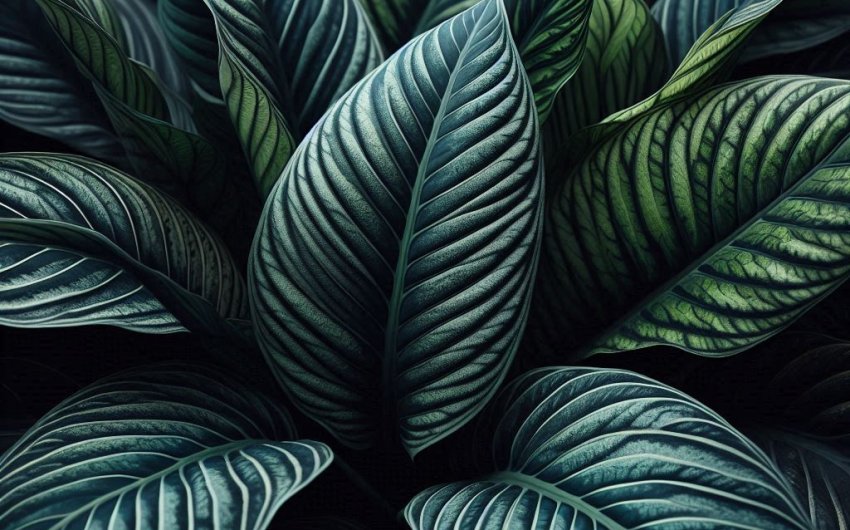
Calatheas, known for their stunning foliage and unique leaf movements, thrive in a specific type of potting mix that mimics their natural jungle habitat. The ideal soil for a healthy Calathea is one that provides excellent drainage while also retaining adequate moisture. This balance is crucial because Calatheas prefer consistently damp, but not soggy, conditions. A mix that is too dense will lead to waterlogged soil, which can quickly cause root rot, a common killer of these beautiful plants. Conversely, a mix that dries out too quickly will stress the plant, leading to brown leaf edges and a generally unhappy appearance. Therefore, choosing the right Calathea soil blend is paramount for their long-term health and vibrant growth.
The best soil for Calatheas is typically a loamy, well-aerated blend rich in organic matter. It needs to allow excess water to escape freely, preventing the roots from sitting in stagnant water. At the same time, it must hold enough moisture to keep the root ball consistently moist between waterings. This delicate balance is achieved by combining ingredients that offer both porosity and moisture retention. Understanding the specific needs of these plants concerning their growing medium is the first step towards successfully cultivating them indoors. Without the right soil, even perfect watering and humidity will not yield a thriving Calathea.
To create an optimal environment for your Calathea, you’ll want a potting mix that contains a mix of components that contribute to both drainage and moisture retention. Common ingredients include peat moss or coco coir for moisture retention, perlite or pumice for aeration and drainage, and some bark chips or compost for added organic matter and structure. The goal is to provide a light, fluffy, and well-draining yet moisture-retentive substrate that allows the roots to breathe and absorb nutrients effectively. This specialized blend is key to preventing common Calathea problems and promoting lush, vibrant foliage.
What is the best potting mix for Calatheas?
The best potting mix for Calatheas is a carefully balanced blend designed to mimic the rich, well-draining yet consistently moist conditions found in their native tropical rainforests. It's not a one-size-fits-all solution, but rather a combination of ingredients that work together to provide optimal root health and plant vigor. A good Calathea soil mix should be light, airy, and rich in organic matter. This structure ensures that roots have access to oxygen, preventing suffocation and root rot, which are common issues when the soil is too dense or compacted. The ideal mix allows for swift water drainage while simultaneously retaining enough moisture to keep the roots hydrated.
A highly recommended homemade Calathea potting mix often consists of a base of peat moss or coco coir, mixed with materials that improve drainage and aeration. Peat moss is excellent for retaining moisture and providing a slightly acidic environment, which Calatheas appreciate. However, for a more sustainable option, coco coir is an equally effective substitute, offering similar moisture retention properties and aeration. To this base, you should add perlite or pumice at about 25-30% of the total volume. These volcanic rocks are lightweight and porous, creating air pockets within the soil that prevent compaction and allow excess water to drain away quickly.
Additionally, incorporating a component like orchid bark or small pine bark fines can further enhance drainage and provide beneficial organic matter that breaks down slowly over time. About 10-20% bark in the mix adds coarse material, preventing the soil from becoming too compact and improving airflow around the roots. Some growers also add a small amount of worm castings or compost to provide slow-release nutrients and enhance microbial activity, contributing to a healthier root system. An excellent pre-made option that embodies these characteristics is FoxFarm Ocean Forest Potting Soil, which, when amended with additional perlite and bark, can be ideal for Calatheas.
Why is drainage so important for Calathea soil?
Drainage is arguably the most critical factor for Calathea soil because these plants are highly susceptible to root rot. In their natural habitat, Calatheas grow in forest floors where the soil is constantly moist but never waterlogged due to the loose, porous nature of the jungle substrate and frequent rainfall that quickly drains through the layers of organic matter. When grown in pots, if the soil doesn't drain well, water accumulates around the roots, depriving them of oxygen. This lack of oxygen creates an anaerobic environment, which encourages the growth of harmful bacteria and fungi that cause root rot, leading to a rapid decline in plant health and often death.
Imagine the roots of your Calathea needing to "breathe" just like the leaves do. Good drainage ensures that fresh air can circulate through the potting mix, providing the necessary oxygen to the root cells. Without adequate oxygen, the roots cannot efficiently absorb water and nutrients, even if they are plentiful in the soil. This leads to symptoms such as yellowing leaves, wilting, and stunted growth, which are often mistaken for underwatering but are actually signs of root distress due to excessive moisture. The roots effectively drown in waterlogged conditions, losing their ability to function.
To ensure proper drainage, the potting mix must be amended with components that create structure and porosity. Ingredients like perlite, pumice, coarse sand (though less common for Calatheas), and orchid bark are essential for this purpose. These materials create air pockets and pathways for water to flow through quickly, preventing it from pooling at the bottom of the pot. Using a pot with drainage holes is equally vital; even the best soil mix won't save a Calathea if excess water has no escape route. When watering, you should see water flowing freely from the bottom of the pot, indicating that the soil is draining effectively.
How does moisture retention affect Calathea health?
While drainage is crucial for preventing root rot, moisture retention is equally vital for Calathea health because these plants prefer consistently moist conditions. In their native tropical environments, Calatheas experience high humidity and consistent moisture in the soil, but not saturation. Their leaves are prone to browning on the edges and tips if the soil dries out too much between waterings. This browning is a common sign of underwatering or insufficient humidity, both of which stress the plant and impair its ability to photosynthesize effectively. Therefore, the ideal potting mix must be able to hold onto moisture without becoming waterlogged.
The ability of the soil to retain moisture directly impacts how frequently you need to water your Calathea. A mix that drains too quickly and holds very little moisture will require constant watering, which can be inconvenient and still lead to periods of dryness if you're not vigilant. Conversely, a mix that holds moisture for too long, without adequate drainage, will lead to the dreaded root rot. The goal is a soil that allows you to water thoroughly, knowing that the plant will have access to consistent moisture for several days, without its roots sitting in stagnant water. This balance is key to preventing both drought stress and overwatering issues.
Ingredients that contribute to excellent moisture retention in Calathea soil include peat moss, coco coir, and to a lesser extent, compost or worm castings. Peat moss is renowned for its ability to absorb and hold many times its weight in water, releasing it slowly to the plant's roots. Coco coir, a sustainable alternative to peat, offers similar benefits, acting like a sponge to store water while also providing good aeration. These materials prevent the potting mix from drying out too rapidly, providing a consistent supply of hydration to the plant without causing saturation. A well-balanced mix ensures your Calathea receives the steady moisture it craves for lush, vibrant growth.
What organic materials are best for Calathea soil?
Incorporating the right organic materials into Calathea soil is essential for providing nutrients, improving soil structure, and enhancing both moisture retention and drainage. These materials decompose slowly over time, releasing vital nutrients to the plant and supporting a healthy microbial ecosystem within the potting mix. The best organic components for Calatheas mimic the rich, decaying plant matter found on the floor of tropical forests, providing a steady supply of what the plant needs.
One of the most widely used and effective organic materials is peat moss or its sustainable alternative, coco coir. Both are excellent for retaining moisture and providing a slightly acidic environment, which Calatheas prefer. Peat moss is highly absorbent, holding water and nutrients and releasing them gradually. However, due to environmental concerns regarding peat harvesting, coco coir has become a popular and more sustainable choice. It offers similar moisture retention and aeration properties and often has a neutral to slightly acidic pH, making it suitable for Calatheas. You can find quality coco coir bricks or bags, such as Hydrofarm Coco Coir, that expand significantly when hydrated.
Another beneficial organic material is orchid bark or small pine bark fines. These provide excellent long-term structure to the potting mix, preventing it from compacting over time. As they slowly break down, they release minor amounts of nutrients and contribute to the organic matter content. Bark chips also improve drainage and aeration, creating crucial air pockets that allow the roots to breathe. Finally, adding a small amount of worm castings or high-quality compost can provide a slow-release source of nutrients, improve soil fertility, and introduce beneficial microbes to the root zone, promoting overall plant health and vigor.
What inorganic materials should be used in Calathea soil?
Inorganic materials are crucial components in Calathea soil because they provide essential structure, improve drainage, and enhance aeration without breaking down over time. Unlike organic materials, which decompose, inorganic additives maintain their form and function, ensuring that the potting mix remains light and well-draining for an extended period. These materials are vital for preventing soil compaction and creating an environment where Calathea roots can thrive without suffocating.
The most common and effective inorganic material used in Calathea potting mixes is perlite. Perlite is a lightweight, porous volcanic glass that significantly improves aeration and drainage. Its irregular shape creates air pockets throughout the soil, preventing compaction and allowing oxygen to reach the roots. It also helps to hold a small amount of moisture on its surface while ensuring excess water drains away quickly. Adding about 25-30% perlite to your soil mix is a good starting point for Calatheas. You can find large bags of Hoffman Horticultural Perlite which is widely available and effective.
Another excellent inorganic option is pumice. Similar to perlite, pumice is a lightweight, porous volcanic rock that improves drainage and aeration. It tends to be denser than perlite and retains slightly more moisture, making it a good choice for those who might underwater slightly. Pumice is also less prone to floating to the top of the pot after watering, a minor issue sometimes observed with perlite. Both perlite and pumice contribute to the long-term structural integrity of the potting mix, ensuring consistent drainage and aeration over time, which is paramount for the health of sensitive Calathea roots.
Can I use regular potting soil for Calatheas?
No, using regular potting soil for Calatheas is generally not recommended and can lead to significant problems for your plant. While it might seem convenient, standard all-purpose potting mixes are often too dense and retain too much moisture for the specific needs of Calatheas. These soils are typically formulated for a wide range of common houseplants that can tolerate varying moisture levels and denser conditions, but Calatheas are far more particular about their root environment.
Regular potting soil often lacks the necessary aeration and drainage that Calatheas require. Because it's designed to hold water for longer periods, it can easily become waterlogged around the sensitive Calathea roots. This excessive moisture deprives the roots of oxygen, creating an anaerobic environment that is a breeding ground for harmful fungi and bacteria, ultimately leading to root rot. Symptoms like yellowing leaves, wilting, and a general decline in plant health are strong indicators that your Calathea is struggling with an inappropriate soil mix.
To successfully grow a Calathea, you must either purchase a specialized Aroid mix or Calathea-specific potting mix or amend a regular potting soil heavily. If you must use regular potting soil, you would need to add a significant amount of perlite, pumice, or orchid bark—at least 30-50% by volume—to improve its drainage and aeration capabilities. Without these amendments, your Calathea is highly likely to suffer from overwatering issues and root problems, making it difficult to keep the plant thriving. Investing in or creating the correct soil blend is a small effort that yields significant returns in Calathea health.
How often should I repot my Calathea based on soil condition?
Repotting your Calathea isn't just about giving it more space; it's also crucially about refreshing the soil condition. Over time, even the best potting mix will degrade. Organic materials like peat moss and coco coir break down, leading to soil compaction and a reduction in drainage and aeration. This breakdown can also lead to a build-up of mineral salts from fertilizers and tap water, which can negatively impact Calathea root health. Therefore, repotting approximately every 1-2 years is a good general guideline to ensure your Calathea always has access to fresh, well-structured potting mix.
You should consider repotting sooner if you notice specific signs related to soil degradation. If your potting mix starts to smell sour or musty, or if it feels dense and squishy rather than light and airy, it's a strong indicator that the soil has broken down and is no longer providing adequate drainage and aeration. Another sign is if water sits on the surface for a long time before slowly seeping in, or if it flows straight through without being absorbed, indicating either extreme compaction or the soil becoming hydrophobic (repelling water). These issues can lead to root rot or inconsistent moisture, both detrimental to Calatheas.
Furthermore, if you notice a significant accumulation of white or brownish crust on the surface of the soil or around the rim of the pot, it's a sign of mineral salt buildup. These salts can burn Calathea roots and inhibit nutrient uptake. Even if your Calathea isn't root-bound, refreshing the soil by repotting into a fresh batch of Calathea-specific potting mix will revitalize the plant and provide a healthier growing environment. Always repot during the active growing season (spring or early summer) to minimize stress on the plant.
What are the signs of poor soil drainage in Calatheas?
Recognizing the signs of poor soil drainage in Calatheas is critical for early intervention and saving your plant. Because Calatheas are so sensitive to overwatering and root rot, paying attention to how your plant reacts to its potting mix can make all the difference. The symptoms of poor drainage often mimic those of underwatering or nutrient deficiencies, so it's important to understand the underlying cause.
One of the most common and tell-tale signs of poor soil drainage is yellowing leaves, particularly the lower ones. This chlorosis occurs because the waterlogged roots are unable to absorb nutrients effectively, even if they are present in the soil. The leaves may also appear limp or wilted, despite the soil feeling wet. This is because the roots, suffering from a lack of oxygen, cannot transport water to the foliage efficiently, leading to a condition similar to drought stress, ironically caused by too much water. You might also notice a general lack of vigor and stunted growth in the plant.
Another strong indicator is the smell of the soil. If your potting mix has a foul, sour, or musty odor, it’s a clear sign of anaerobic conditions and root rot. This smell is caused by harmful bacteria thriving in oxygen-deprived, stagnant water. Furthermore, if water consistently sits on the surface of the soil for a long time after watering, or if it takes an excessively long time for the potting mix to dry out between waterings, your drainage is almost certainly insufficient. In severe cases, the stem base may become soft and mushy, and you might even see the roots turning black and mushy if you carefully inspect them. If you observe any of these symptoms, immediate action, which often involves repotting into a better-draining Calathea soil, is necessary.
How does soil pH affect Calatheas?
Soil pH plays a significant role in the overall health of Calatheas because it directly influences the availability of nutrients to the plant's roots. pH is a measure of how acidic or alkaline the soil is, on a scale from 0 to 14. A pH of 7 is neutral, anything below 7 is acidic, and anything above 7 is alkaline. Calatheas, being tropical plants, generally prefer a slightly acidic to neutral soil pH, ideally ranging from 6.0 to 7.0. This range allows them to efficiently absorb essential macronutrients like nitrogen, phosphorus, and potassium, as well as micronutrients such as iron, manganese, and zinc.
When the soil pH deviates too far from this optimal range, certain nutrients can become "locked up" or unavailable to the plant, even if they are present in the potting mix. For example, if the soil becomes too alkaline (high pH), nutrients like iron can become less soluble, leading to iron deficiency, which often manifests as yellowing leaves with green veins (interveinal chlorosis). Conversely, if the soil becomes too acidic (low pH), other nutrients might become less available. Maintaining the correct pH ensures that the plant's root system can access the full spectrum of nutrients it needs for vibrant growth and healthy foliage.
Many common potting mix ingredients naturally contribute to the ideal pH for Calatheas. Peat moss is naturally acidic, helping to lower the pH slightly. Coco coir is typically pH neutral or slightly acidic. If you are using tap water with a high pH, or if you've been using fertilizers that can alter soil pH over time, you might need to adjust. However, for most home growers, using a high-quality Calathea-specific potting mix or a custom blend with peat or coco coir should naturally provide the correct pH environment. You can use a simple soil pH test kit if you suspect pH issues, but visible signs of nutrient deficiency are often the first clue.
Are there specialized Calathea potting mixes available?
Yes, absolutely! As Calatheas have grown in popularity, several companies have developed specialized Calathea potting mixes that aim to provide the ideal growing environment for these particular plants. These pre-formulated mixes take the guesswork out of blending your own and are designed to meet the specific needs of Calatheas, particularly concerning drainage and moisture retention. They are an excellent option for beginners or those who prefer convenience.
These specialized mixes typically contain a blend of ingredients that ensure excellent aeration and drainage while still retaining adequate moisture. You’ll often find components like peat moss or coco coir for moisture retention, perlite or pumice for drainage and aeration, and sometimes orchid bark or other chunky organic materials to prevent compaction and provide structure. Some may also include a small amount of worm castings or a gentle slow-release fertilizer to kickstart healthy growth. The goal is to replicate the loose, well-draining yet consistently moist conditions of their natural rainforest habitat.
While these specialized mixes can be a bit more expensive than general-purpose potting soils, the investment is often worthwhile for the health and longevity of your Calathea. They significantly reduce the risk of common problems like root rot and inconsistent watering, which can plague these sensitive plants. When purchasing, look for terms like "Aroid mix," "tropical plant mix," or specifically "Calathea potting mix" on the packaging. Brands like Sol Soils Tropical Mix or similar boutique blends are often excellent choices that cater to the unique requirements of Calatheas and other moisture-loving tropical plants.