
Exotic Houseplants to Add a Unique Touch to Your Home Decor
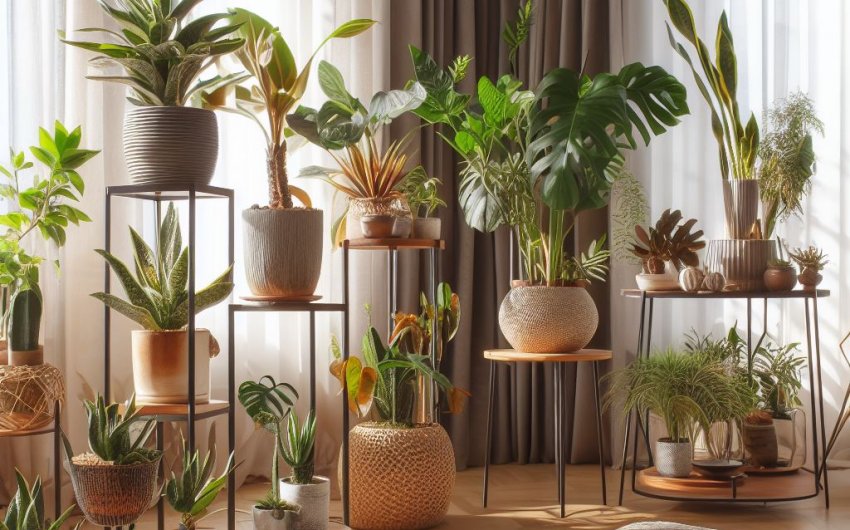
Exotic houseplants can add a truly unique touch to your home decor by introducing unusual leaf shapes, vibrant and unexpected colors, captivating textures, or dramatic growth habits that draw immediate attention. These plants often evoke a sense of the wild, distant tropics, transforming ordinary spaces into extraordinary botanical showcases.
What makes a houseplant "exotic" for home decor?
A houseplant earns the title "exotic" not just by being rare, but by possessing striking visual characteristics that set it apart from typical indoor greenery. It's often native to distant tropical or subtropical regions, boasting features that are unusual, dramatic, or exceptionally vibrant. These plants become focal points, sparking conversation and adding a sophisticated, adventurous flair to any room.
What characteristics define an exotic houseplant?
- Unique foliage: Unusual leaf shapes (deeply lobed, fenestrated, highly textured), colors (deep purples, metallic sheens, vibrant variegation), or patterns (stripes, spots, veining).
- Dramatic growth habit: Cascading vines, architectural upright forms, or aerial roots.
- Uncommon flowers: Unusual flower shapes, sizes, or vibrant colors that differ from typical blooms.
- Rare or uncommon availability: Plants that are not found in every big box store, adding to their allure.
- Native to specific tropical/subtropical regions: Their origins often dictate their unique adaptations and aesthetic.
What are some exotic houseplants with striking foliage?
Many of the most captivating exotic houseplants are celebrated for their incredible leaves, offering a kaleidoscope of colors, textures, and shapes that redefine indoor greenery.
1. Calathea (Prayer Plant Family) (Calathea spp.)
Calatheas are renowned for their strikingly patterned leaves, which can feature intricate stripes, spots, and contrasting colors like purple, pink, and deep green. Their leaves often have vibrant undersides and "pray" (fold up) at night.
- Why it's exotic: Complex leaf patterns, movement, often vibrant colors.
- Care needs: Bright, indirect light; consistently moist soil; very high humidity.
- Key benefit: Living art, pet-safe. A Calathea 'Musaica' plant offers a unique geometric pattern.
2. Alocasia (Elephant Ear) (Alocasia spp.)
Alocasias are known for their dramatic, large, often arrow-shaped or heart-shaped leaves that can have deep veins, metallic sheens, or striking dark colors. Some varieties feature unique textures or contrasting stems.
- Why it's exotic: Bold, architectural leaves; dramatic sizes and textures.
- Care needs: Bright, indirect light; consistently moist soil (but not soggy); high humidity.
- Key benefit: Creates a strong tropical statement.
- Pet safety: Toxic.
3. Monstera (e.g., Deliciosa, Adansonii) (Monstera spp.)
Monsteras are iconic for their large, often deeply lobed and fenestrated (holey) leaves, which give them a wild, jungle-like appearance. They are vigorous climbers that develop dramatic aerial roots.
- Why it's exotic: Unique "holey" leaves, large size, strong climbing habit.
- Care needs: Bright, indirect light; water when the top 1-2 inches of soil are dry; high humidity.
- Key benefit: Adds a bold, architectural, and lush tropical feel.
- Pet safety: Toxic.
4. Philodendron (e.g., Pink Princess, Gloriosum, Verrucosum) (Philodendron spp.)
While Heartleaf Philodendrons are common, many other Philodendron species offer truly exotic foliage, from velvet textures to vibrant pink variegation.
- Why it's exotic: Velvety leaves, prominent veining, rare variegation (e.g., 'Pink Princess' with its bubblegum pink spots).
- Care needs: Bright, indirect light; water when top 1-2 inches of soil are dry; high humidity. A Philodendron 'Pink Princess' is a highly prized exotic plant.
- Pet safety: Toxic.
5. Stromanthe 'Triostar' (Stromanthe sanguinea)
This stunning plant, related to Calatheas, features brilliant pink, green, and cream variegation on the upper leaf surfaces, contrasted with a deep purple underside.
- Why it's exotic: Exceptionally vibrant and colorful foliage, unique leaf patterns.
- Care needs: Bright, indirect light; consistently moist soil; very high humidity.
- Key benefit: Provides a dramatic splash of color.
- Pet safety: Non-toxic.
What exotic houseplants offer unusual forms or textures?
Some exotic houseplants captivate with their distinctive shapes, unique textures, or peculiar growth habits, making them intriguing focal points.
6. String of Hearts (Ceropegia woodii)
The String of Hearts is a delicate succulent vine with small, heart-shaped leaves often variegated with silver and purple, trailing on thin stems like a waterfall.
- Why it's exotic: Tiny, perfectly heart-shaped leaves; delicate, ethereal trailing habit.
- Care needs: Bright, indirect light; water only when completely dry; excellent drainage.
- Key benefit: Charming, unique form, perfect for hanging baskets.
- Pet safety: Non-toxic.
7. Hoya (Wax Plant) (Hoya spp.)
Hoyas are slow-growing, succulent-like vines with thick, waxy leaves that can be smooth, variegated, or even curly (e.g., Hoya 'Compacta'). They produce clusters of fragrant, star-shaped flowers.
- Why it's exotic: Unique succulent foliage, often fragrant waxy flowers; some cultivars have highly textured or crinkled leaves.
- Care needs: Bright, indirect light; allow soil to dry out between waterings; appreciates humidity.
- Key benefit: Low maintenance once established, beautiful flowers.
- Pet safety: Non-toxic.
8. Dischidia (e.g., Million Hearts, Oiantha) (Dischidia spp.)
Closely related to Hoyas, Dischidias are epiphytic succulents with a wide variety of small, often round, oval, or heart-shaped leaves, creating delicate trailing forms. Dischidia ruscifolia ('Million Hearts') is a popular example.
- Why it's exotic: Unique succulent forms, often delicate appearance, interesting foliage (some have "pouch" leaves).
- Care needs: Bright, indirect light; allow soil to dry out between waterings; high humidity.
- Key benefit: Delicate and fascinating trailing plants.
- Pet safety: Generally considered non-toxic.
What exotic houseplants offer dramatic blooms?
While many houseplants are grown for foliage, some exotic species deliver stunning, unusual flowers that add an unexpected burst of color and drama to your indoor space.
9. Bat Flower (Tacca chantrieri)
The Bat Flower is a truly unique and dramatic plant known for its striking, almost black, bat-shaped flowers with long, whisker-like bracts that hang below.
- Why it's exotic: Unmistakable, eerie, and visually arresting black flowers.
- Care needs: Bright, indirect light; consistently moist soil; very high humidity; warm temperatures.
- Key benefit: Unparalleled floral drama.
- Pet safety: Non-toxic.
10. Medinilla Magnifica (Medinilla magnifica)
The Medinilla Magnifica (Philippine Orchid) is a showstopper known for its magnificent clusters of vibrant pink flowers, enclosed by large, papery bracts, that hang gracefully from its stems.
- Why it's exotic: Absolutely stunning, large, pendulous flower clusters.
- Care needs: Bright, indirect light; consistently moist soil (but not soggy); high humidity; warm temperatures.
- Key benefit: Provides incredible floral spectacle.
- Pet safety: Non-toxic.
How do you integrate exotic houseplants into your home decor?
Integrating exotic houseplants into your home decor is about more than just placing them in a corner; it's about making them a deliberate part of your interior design, creating focal points and enhancing the overall ambiance.
How do you use exotic plants as focal points?
- Strategic placement: Position larger, more dramatic exotic plants (like a large Monstera or Alocasia) in prominent locations where they can draw the eye, such as a corner, near an entryway, or beside a statement piece of furniture.
- Highlight unique features: Use lighting (e.g., a small spotlight or uplight) to emphasize the unique leaf shapes, textures, or colors of your exotic plant.
- Contrast: Place a dark-leaved Alocasia against a light wall, or a vibrant Calathea on a minimalist stand to make its patterns pop.
What kind of planters and stands work well for exotic plants?
- Textured or minimalist pots: Choose planters that complement the plant without competing with its exotic beauty. Textured ceramics, concrete, or clean-lined minimalist pots work well.
- Elevated stands: Use plant stands to raise plants to eye level or to allow trailing vines to cascade gracefully. A mid-century modern plant stand can complement many exotic plants.
- Hanging baskets: Ideal for trailing varieties like String of Hearts or Dischidia.
- Moss poles or trellises: Provide support for climbing aroids (Monsteras, Philodendrons) to encourage larger, more mature foliage.
What are the general care tips for exotic houseplants?
While each exotic houseplant has its unique needs, many share common requirements due to their tropical origins. Adhering to these general care guidelines will set you up for success.
What are key light and water considerations?
- Light: Most exotic houseplants thrive in bright, indirect light. Avoid harsh direct sun unless specified (e.g., some succulents).
- Watering: Allow the top 1-2 inches of soil to dry out between waterings for most. Succulents prefer to dry out completely. Overwatering is a common killer. Always use pots with drainage holes. A soil moisture meter can help.
How do you manage humidity and temperature for exotic plants?
- Humidity: Most exotic houseplants absolutely demand high humidity (60%+). Use a room humidifier, pebble trays, or group plants.
- Temperature: Maintain warm, consistent indoor temperatures between 65-85°F (18-29°C). Avoid cold drafts or extreme fluctuations.
What about fertilizing and potting mix?
- Potting mix: Use a high-quality, well-draining, airy potting mix rich in organic matter. Many aroids benefit from chunky mixes with orchid bark, perlite, and coco coir.
- Fertilizing: Fertilize sparingly during the active growing season (spring and summer) with a diluted, balanced liquid houseplant fertilizer. Reduce or stop in fall/winter.
Exotic houseplants offer a captivating way to add a unique touch to your home decor, transforming spaces with their stunning foliage, unusual forms, and vibrant blooms. By carefully selecting plants that resonate with your aesthetic and diligently providing the specific environmental conditions that mimic their tropical origins, you can cultivate a truly extraordinary indoor collection that serves as a beautiful and dynamic focal point in your home.