
Creating a Mini Tropical Oasis: Best Houseplants for Humidity and Moisture
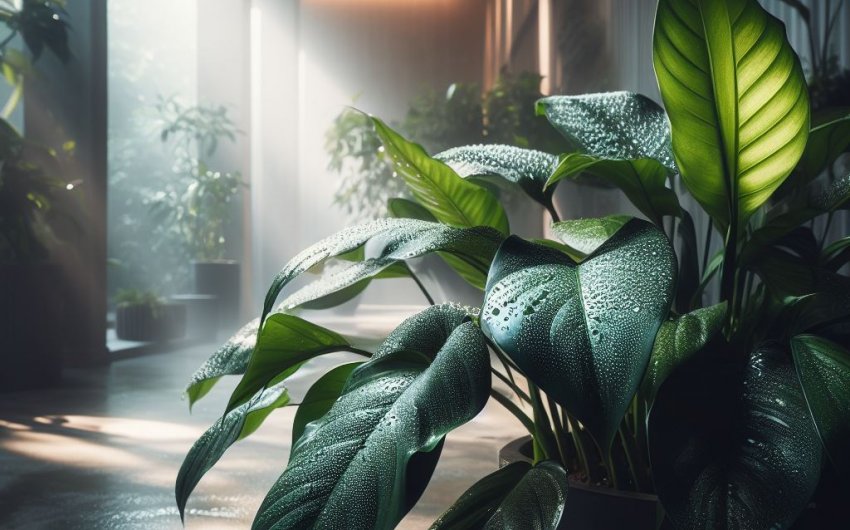
To create a mini tropical oasis, select houseplants that thrive in high humidity and consistently moist soil, mimicking their native rainforest environments. Focus on plants with lush foliage, vibrant colors, and striking textures that flourish in warm, damp conditions, transforming your indoor space into a verdant, refreshing haven.
Why are humidity and moisture so vital for tropical houseplants?
Humidity and moisture are not just preferred but absolutely vital for tropical houseplants because these conditions replicate their natural habitat in rainforests and other equatorial regions. In their native environments, these plants experience high ambient humidity, frequent rainfall, and consistently damp soil. Failing to provide similar conditions indoors is the leading cause of stress, decline, and browning leaves for many tropical species.
What is the difference between humidity and soil moisture?
- Humidity: Refers to the amount of moisture (water vapor) in the air. High humidity means the air is saturated with water, reducing the rate at which plants lose water through their leaves (transpiration).
- Soil Moisture: Refers to the amount of water present in the potting medium. It's crucial for root hydration and nutrient uptake.
Both are essential and interconnected for tropical plants. High humidity reduces transpiration, meaning plants lose less water through their leaves and thus may not dry out their soil as quickly.
What happens to tropical plants in dry, low-humidity environments?
When tropical plants are placed in dry, low-humidity environments (common in heated or air-conditioned homes), they experience significant stress:
- Increased transpiration: Plants lose water much faster through their leaves, often exceeding the rate at which their roots can absorb it.
- Crispy, brown leaf edges/tips: The most common symptom, as the leaf cells dry out and die.
- Stunted growth: The plant expends more energy trying to conserve water rather than growing.
- Increased pest susceptibility: Dry, stressed plants are more vulnerable to pests like spider mites.
- Flower/bud drop: Developing flowers and buds may drop prematurely.
What are some of the best houseplants for high humidity and moisture?
Creating a mini tropical oasis means choosing plants that naturally revel in damp, humid conditions. These species boast lush foliage and can transform a room into a verdant escape.
1. Ferns (e.g., Boston Fern, Maidenhair Fern, Bird's Nest Fern)
Ferns are quintessential tropical plants that absolutely demand high humidity and consistently moist soil. Their delicate, often feathery fronds quickly show signs of distress (browning tips) if conditions are too dry.
- Care: Bright, indirect light; consistently moist soil; very high humidity.
- Key benefit: Lush, textural foliage. Many ferns, like Boston ferns, are pet-safe.
- Humidity needs: Essential.
2. Calatheas (Calathea spp.) & Prayer Plants (Maranta leuconeura)
These plants from the Marantaceae family are famous for their stunning, often highly patterned and colorful leaves that "pray" (fold up) at night. They are very sensitive to dry air and inconsistent watering.
- Care: Bright, indirect light; consistently moist soil; very high humidity.
- Key benefit: Exquisite foliage, unique leaf movement.
- Humidity needs: Essential for preventing crispy leaf edges.
3. Alocasia (Elephant Ear) (Alocasia spp.)
Alocasias are known for their dramatic, often glossy, and sometimes metallic leaves that can grow quite large. They love warmth, humidity, and consistent moisture.
- Care: Bright, indirect light; consistently moist soil (but not soggy); high humidity.
- Key benefit: Bold, architectural foliage creates a strong tropical statement.
- Humidity needs: Essential.
4. Philodendrons (e.g., Heartleaf, Brasil, Micans) (Philodendron spp.)
Most Philodendron varieties, especially the vining types, thrive in high humidity and appreciate consistent moisture. They are generally forgiving, making them great for beginners seeking a tropical feel.
- Care: Low to bright indirect light; water when the top 1-2 inches of soil are dry; appreciates high humidity.
- Key benefit: Versatile, often trailing, lush foliage.
- Humidity needs: Highly beneficial.
5. Monstera (e.g., Deliciosa, Adansonii) (Monstera spp.)
Monsteras are iconic tropical plants with large, often fenestrated (holey) leaves. They love to climb in their natural habitat, requiring high humidity for aerial root development and strong growth.
- Care: Bright, indirect light; water when the top 1-2 inches of soil are dry; high humidity.
- Key benefit: Striking, architectural leaves. Monstera plants are trending.
- Humidity needs: Highly beneficial for fenestrations.
6. Stromanthe (Stromanthe sanguinea 'Triostar')
Related to Calatheas and Marantas, the Stromanthe 'Triostar' is famed for its vibrant pink, green, and cream variegated leaves with deep purple undersides. It is highly sensitive to dry air.
- Care: Bright, indirect light; consistently moist soil; very high humidity.
- Key benefit: Uniquely colorful foliage, offers dramatic visual appeal.
- Humidity needs: Essential for vibrant color and healthy leaves.
How do you increase humidity for tropical houseplants indoors?
Since most homes have much lower humidity than a rainforest, actively increasing ambient humidity is crucial for the health and appearance of your tropical houseplants.
What are the most effective methods to boost humidity?
- Humidifier: Using a room humidifier is by far the most effective and consistent way to raise humidity levels in an entire room or a plant-dedicated zone. A plant room humidifier can make a significant difference.
- Pebble trays: Place your potted plants on trays filled with a layer of pebbles and water. As the water evaporates, it creates a localized pocket of humidity around the plants. Ensure the bottom of the pot does not sit in standing water.
- Grouping plants: Clustering several plants together creates a microclimate where the collective transpiration from all the plants naturally increases the humidity in their immediate vicinity.
- Terrariums or cloches: For smaller, highly humidity-sensitive plants, enclosing them in a terrarium, cloche, or even a clear plastic bag can create a sealed, high-humidity environment.
- Location choice: Bathrooms and kitchens often have naturally higher humidity levels due to water use, making them ideal spots for tropical plants.
Is misting effective for humidity?
Misting plant foliage provides a very temporary and localized increase in humidity. While it might feel good for a moment, the water evaporates quickly. It's generally not an effective long-term solution for significantly raising ambient humidity, and if done too frequently, can sometimes encourage fungal issues if leaves remain wet for too long without adequate air circulation.
How do you maintain consistent soil moisture for tropical plants?
Maintaining consistently moist soil for tropical plants is key, but it's a delicate balance. "Consistently moist" does not mean soggy or waterlogged, which can lead to root rot.
What is the "moist but not soggy" rule?
The rule for most tropical plants is to keep the soil consistently moist, but allow the top inch or two to dry out slightly between waterings. This ensures roots always have access to water while also getting essential oxygen.
- Check soil: Use the finger test (stick your finger 1-2 inches into the soil) or a soil moisture meter to determine when to water.
- Water thoroughly: When you do water, soak the entire root ball until water drains from the bottom of the pot. Empty any standing water from the saucer.
- Avoid extremes: Don't let the soil dry out completely and then drench it, as this can stress the plant.
What kind of potting mix is best for moisture-loving tropicals?
Use a high-quality, well-draining potting mix that is rich in organic matter. While it needs to retain moisture, it also needs to prevent compaction and allow oxygen to reach the roots.
- Ingredients: A good mix might include standard potting soil, perlite or orchid bark for drainage and aeration, and coco coir or sphagnum moss for moisture retention.
- Avoid dense soil: Do not use garden soil, which is too heavy and will compact in pots.
What is the ideal light and temperature for a tropical oasis?
Light and temperature are equally important environmental factors that contribute to the success of your tropical oasis, influencing plant growth, color, and overall health.
How much light do tropical houseplants need?
Most tropical houseplants thrive in bright, indirect light. This means a location near a window where they receive plenty of ambient light but are shielded from direct, intense sun rays, which can scorch their delicate foliage.
- East-facing windows: Often ideal, providing gentle morning sun.
- North-facing windows: Good for lower-light tropicals.
- South/West-facing windows: Require sheer curtains or plants set back a few feet to diffuse intense afternoon sun.
What is the ideal temperature range for tropical plants?
Tropical plants prefer warm, consistent temperatures, typically between 65-85°F (18-29°C). They are sensitive to cold and dislike sudden temperature fluctuations.
- Avoid drafts: Keep plants away from cold drafts from windows or doors in winter.
- Avoid heat sources: Don't place them directly next to heating vents or radiators, which can dry out the air.
What are common problems when creating a tropical oasis?
Even with the best intentions, some common problems can arise when trying to maintain a high-humidity, consistently moist environment for tropical plants.
Why are my tropical plant's leaves turning brown and crispy?
Brown, crispy leaf edges or tips are the most common symptom of low humidity or underwatering.
- Solution: Increase ambient humidity (humidifier, pebble trays). Adjust watering frequency to ensure soil stays consistently moist, allowing the top inch or two to dry, but not completely drying out.
Why are my tropical plant's leaves turning yellow or mushy?
Yellowing or mushy leaves, often accompanied by stunted growth, are classic signs of overwatering or poor drainage, leading to root rot.
- Solution: Reduce watering frequency. Ensure the pot has drainage holes and is in a well-draining potting mix. Check for root rot; repot if necessary after trimming any mushy roots.
What about pests in a humid environment?
While high humidity can deter spider mites, consistently wet conditions with poor air circulation can encourage some pests and diseases.
- Fungus gnats: Thrive in consistently wet topsoil. Use yellow sticky traps and allow the top inch of soil to dry.
- Fungal leaf spots: Can occur if foliage remains wet for too long without good airflow.
- Solution: Ensure good air circulation (space plants, occasionally prune). Water at the soil level to keep foliage dry.
Creating a mini tropical oasis involves carefully selecting houseplants that naturally thrive in high humidity and consistently moist soil. By diligently providing these specific environmental conditions—ample indirect light, warm temperatures, and effective humidity management—you can cultivate a lush, vibrant indoor garden that brings the refreshing beauty and tranquility of the tropics directly into your home.