
The Best Hanging and Trailing Houseplants for Vertical Greenery
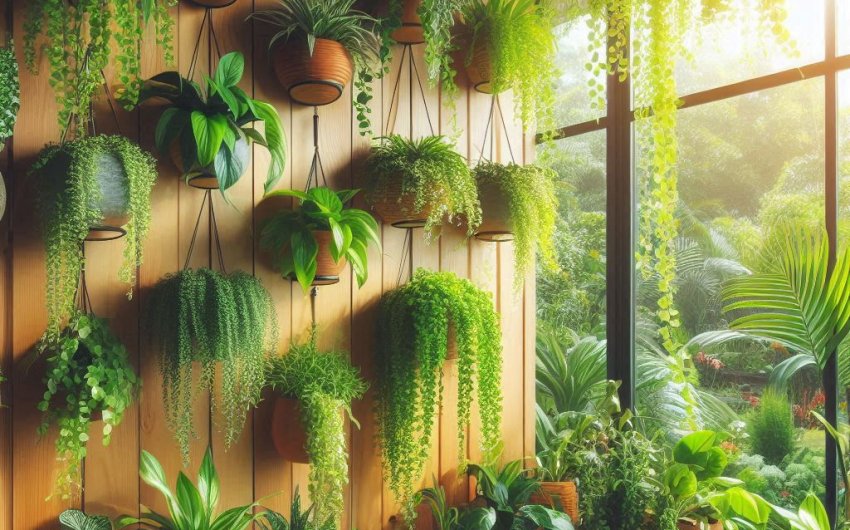
The best hanging and trailing houseplants for vertical greenery are those with cascading vines, adaptable care requirements, and attractive foliage, allowing them to gracefully spill from elevated positions and transform your indoor space. These plants not only maximize vertical space but also add lushness and a dynamic, living aesthetic to any room.
Why are hanging and trailing houseplants perfect for vertical greenery?
Hanging and trailing houseplants are ideal for vertical greenery because they leverage unused overhead space, creating dynamic visual interest that draws the eye upward. Unlike upright plants that primarily occupy horizontal surfaces, these cascading beauties soften architectural lines, add lushness to blank walls, and transform any room into a vibrant, living oasis, even in smaller spaces.
How do trailing plants enhance indoor aesthetics?
- Maximizing space: They allow you to add plants to areas like corners, above bookshelves, or in windows where floor or shelf space is limited.
- Softening lines: Cascading foliage softens the hard edges of walls, furniture, and windows, creating a more organic and inviting feel.
- Creating visual interest: The movement and flow of trailing vines add a dynamic element to décor, breaking up monotony.
- Adding depth: They can create layers of greenery, making a room feel fuller and more textured.
- Biophilic design: They bring nature's beauty indoors, tapping into our innate human connection to natural environments.
What makes a good hanging or trailing houseplant?
Not all vining plants make ideal hanging or trailing houseplants. The best choices combine attractive aesthetics with resilience and growth habits that truly shine when elevated.
What characteristics should you look for in trailing plants?
- Graceful cascade: Long, flexible stems that naturally drape downwards.
- Attractive foliage: Interesting leaf shapes, colors, or variegation that look good from below.
- Adaptable light needs: Tolerant of various indoor light conditions.
- Manageable growth: Not too fast-growing that they quickly overwhelm a space, but fast enough to create impact.
- Easy care: Forgiving of occasional neglect.
- Good rooting ability: Often easy to propagate from cuttings to fill out pots or create new plants.
What are some of the best classic hanging houseplants for beginners?
These tried-and-true favorites are incredibly forgiving, beautiful, and readily available, making them perfect for anyone starting their vertical greenery journey.
1. Pothos (Epipremnum aureum)
The Pothos, or Devil's Ivy, is arguably the most popular and easiest trailing houseplant. Its heart-shaped leaves come in various shades of green and variegation (e.g., 'Marble Queen', 'Neon', 'N'Joy').
- Care: Low to bright indirect light; water when the top 1-2 inches of soil are dry.
- Key benefit: Extremely adaptable, very easy to propagate, fast-growing. Pothos plants are a vertical greenery staple.
- Pet safety: Mildly toxic.
2. Philodendron (Philodendron hederaceum - Heartleaf Philodendron)
The Heartleaf Philodendron is similar to Pothos but often has darker, glossier green, perfectly heart-shaped leaves. It's equally easy to care for and incredibly elegant.
- Care: Low to bright indirect light; water when the top 1-2 inches of soil are dry.
- Key benefit: Resilient, classic look, excellent for low-light situations.
- Pet safety: Mildly toxic.
3. Spider Plant (Chlorophytum comosum)
Spider Plants are known for their arching, variegated foliage and the charming "spiderettes" or plantlets that dangle from the mother plant.
- Care: Bright, indirect light is ideal, but tolerates lower light; water when the top inch of soil is dry.
- Key benefit: Non-toxic, easy to propagate from plantlets, air purifier.
- Pet safety: Non-toxic.
4. English Ivy (Hedera helix)
English Ivy is a classic trailing plant with lobed leaves, often used outdoors but also excellent indoors. Many cultivars offer diverse leaf shapes and variegation.
- Care: Medium to bright indirect light; keep soil consistently moist but not soggy; appreciates humidity.
- Key benefit: Classic, elegant look, versatile.
- Pet safety: Toxic.
What are some stunning, slightly more unique hanging houseplants?
For those looking to expand beyond the classics, these plants offer distinctive foliage and textures that make a big statement when trailing.
5. String of Pearls (Senecio rowleyanus)
The String of Pearls is a unique succulent with delicate, bead-like leaves that trail beautifully, resembling strands of green pearls.
- Care: Bright, indirect light (can tolerate some direct morning sun); water thoroughly only when the soil is completely dry (very susceptible to overwatering).
- Key benefit: Distinctive succulent texture, excellent for high, bright spots.
- Pet safety: Toxic.
6. Hoya (Wax Plant) (Hoya carnosa and others)
Hoyas are slow-growing, succulent-like vines with thick, waxy leaves and often fragrant, star-shaped flowers. Many varieties offer beautiful variegation.
- Care: Bright, indirect light; allow soil to dry out between waterings; appreciates humidity.
- Key benefit: Unique flowers, attractive succulent foliage, low maintenance once established. A Hoya plant in a hanging basket is a treasure.
- Pet safety: Non-toxic.
7. Tradescantia (Wandering Jew/Dude) (Tradescantia spp.)
Tradescantias are fast-growing, vibrant trailing plants known for their colorful foliage, often variegated with purples, pinks, and greens (e.g., 'Nanouk', 'Zebrina', 'Fluminensis').
- Care: Bright, indirect light for best color; keep soil consistently moist; appreciates humidity.
- Key benefit: Extremely colorful, fast-growing, easy to propagate.
- Pet safety: Mildly toxic.
8. Ferns (e.g., Boston Fern, Kimberly Queen Fern)
Many Ferns make excellent hanging plants, offering lush, feathery texture and a classic, natural aesthetic. Boston Ferns (Nephrolepis exaltata) and Kimberly Queen Ferns (Nephrolepis obliterata) are particularly popular.
- Care: Medium to bright indirect light; high humidity; consistently moist soil.
- Key benefit: Classic, lush foliage, non-toxic (many varieties).
- Pet safety: Many true ferns (including Boston and Kimberly Queen) are non-toxic.
What are modern and rare hanging houseplants for collectors?
For the more adventurous plant parent or collector, these hanging and trailing plants offer unusual beauty and a touch of rarity, creating truly unique vertical displays.
9. String of Hearts (Ceropegia woodii)
The String of Hearts is a delicate succulent vine with small, heart-shaped leaves often variegated with silver and purple, trailing on thin stems.
- Care: Bright, indirect light; water only when completely dry; excellent drainage.
- Key benefit: Charming heart-shaped leaves, unique aesthetic. A String of Hearts plant is a delightful addition.
- Pet safety: Non-toxic.
10. Dischidia (e.g., Dischidia ruscifolia - Million Hearts, Dischidia nummularia - Button Orchid)
Dischidias are unique epiphytic succulents related to Hoyas, featuring small, often round or heart-shaped leaves that trail beautifully. 'Million Hearts' has tiny heart-shaped leaves in profusion, while 'Button Orchid' has round, coin-like leaves.
- Care: Bright, indirect light; allow soil to dry out between waterings (they are succulents); high humidity.
- Key benefit: Unique succulent forms, delicate appearance, interesting foliage.
- Pet safety: Generally considered non-toxic.
How do you effectively display hanging and trailing houseplants?
The way you display your hanging and trailing houseplants can dramatically impact their visual appeal and how well they integrate into your home décor. Creative placement enhances their natural beauty.
What are popular display methods for vertical greenery?
- Hanging baskets: The most obvious choice, allowing vines to cascade freely. Use macrame hangers, wire baskets, or ceramic pots with drainage.
- High shelves or bookcases: Let vines spill over the edges, creating a natural green curtain.
- Wall planters: Mount planters directly onto walls to create a living art installation.
- Plant stands with height: Elevate pots to allow for graceful trailing.
- Trellises or moss poles: For plants that can also climb, provide a moss pole for climbing plants to encourage larger, more mature leaves as they grow upwards, then allow some vines to trail.
- Window sills (high): For plants that enjoy brighter light.
How do you choose the right hanger or planter?
- Drainage: Always ensure your hanging planter has drainage holes to prevent root rot. If using a decorative planter without holes, keep the plant in a nursery pot inside it, and remove to water.
- Material: Consider ceramic, terracotta, woven macrame, or plastic depending on your aesthetic and the plant's moisture needs.
- Weight: Be mindful of the combined weight of the pot, soil, and plant, especially for ceiling hooks.
- Style: Match the planter and hanger to your home décor and the plant's aesthetic.
What general care tips ensure healthy hanging houseplants?
Even though hanging and trailing houseplants are known for their adaptability, consistent basic care is essential for their long-term health and impressive cascading growth.
What are key watering and light tips for hanging plants?
- Watering: Hanging plants tend to dry out faster than plants on shelves due to increased air circulation around the pot. Check soil moisture frequently. Water thoroughly until water drains from the bottom, then allow excess to drain completely. A soil moisture meter is especially useful.
- Light: Ensure plants receive adequate light in their elevated positions. Overhead lights might not reach lower trailing vines. Rotate plants periodically to ensure even growth and light exposure.
How do you fertilize and prune hanging plants?
- Fertilizing: Fertilize sparingly during the active growing season (spring and summer) with a diluted, balanced liquid houseplant fertilizer. Too much fertilizer can lead to leggy, weak growth.
- Pruning: Regularly pinch back or prune long, leggy vines to encourage bushier growth and maintain a fuller appearance in the pot. You can often propagate these cuttings to create new plants or fill out the existing pot. Use clean, sharp pruning shears.
What other considerations are important?
- Humidity: Many trailing tropical plants appreciate higher humidity. Misting or using a humidifier can be beneficial.
- Pest inspection: Regularly check all parts of the plant, especially the undersides of leaves, as hanging plants can sometimes be harder to inspect.
The best hanging and trailing houseplants offer an unparalleled way to introduce vertical greenery, transforming any room with cascading beauty and vibrant life. By choosing varieties with attractive foliage and manageable care requirements, and then effectively displaying and nurturing them with consistent watering, light, and pruning, you can create stunning botanical displays that maximize your space and bring the lushness of nature indoors.