
Repotting 101: When and How to Give Your Houseplants a New Home
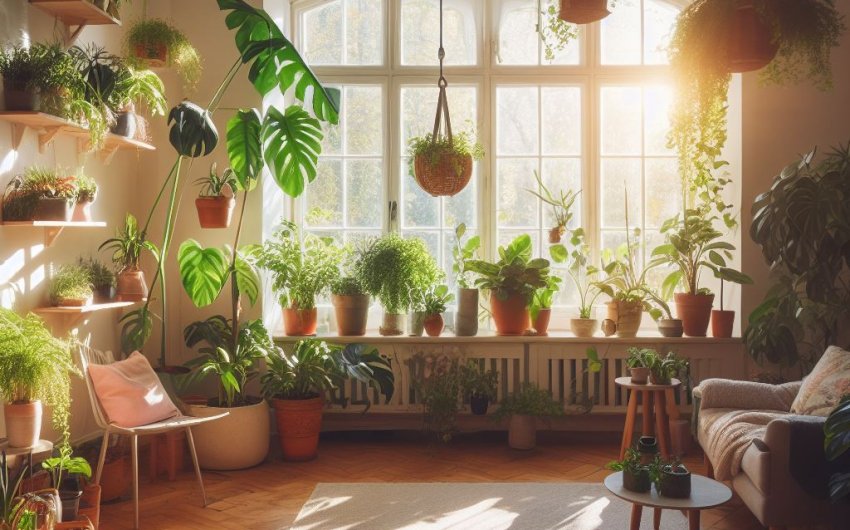
Repotting 101 for houseplants involves understanding when a plant needs a new home based on visible cues and then executing the process correctly to minimize transplant shock and promote healthy growth. The ideal time is typically in spring or early summer during active growth, and the "how" focuses on gentle handling, choosing the right pot size, and using fresh, appropriate potting mix.
Why is repotting necessary for houseplant health?
Repotting is a vital maintenance task for most houseplants, crucial for their long-term health and continued growth. Plants in pots are in a confined environment, and over time, they will outgrow their space, deplete soil nutrients, and accumulate salts. Repotting addresses these issues, giving the plant a fresh start.
What are the main reasons houseplants need repotting?
- Root-bound: The most common reason. Roots have filled the entire pot, circling tightly, and leaving little room for soil or new growth.
- Depleted nutrients: Over time, plants absorb the available nutrients from the potting mix, and even with fertilization, the mix itself loses its nutritional value.
- Soil degradation: Potting mix breaks down over time, losing its airy texture and becoming compacted, which can hinder drainage and oxygen flow to the roots.
- Salt accumulation: Minerals from tap water and fertilizers can build up in the potting mix, becoming toxic to roots.
- Improved aesthetics: Sometimes, a plant simply looks better in a new, larger pot that better suits its size.
What happens if you don't repot a root-bound plant?
If a houseplant becomes severely root-bound and isn't repotted, its growth will eventually stunt, and its overall health will decline.
- Stunted growth: Roots have nowhere to expand, limiting the plant's ability to take up water and nutrients, thus slowing top growth.
- Nutrient deficiency: Even with fertilizer, the plant struggles to absorb what it needs from the exhausted soil.
- Poor water absorption: The dense root ball can become difficult to hydrate effectively, or conversely, can retain too much water and lead to rot.
- Increased stress: A root-bound plant is more susceptible to pests and diseases.
- Yellowing leaves/leaf drop: As the plant struggles, it may shed older leaves.
When is the best time to repot houseplants?
Timing is crucial when repotting to minimize stress on your houseplant and ensure it recovers quickly. Repotting during its active growth phase gives the plant the best chance to adapt to its new home.
What is the ideal season for repotting most houseplants?
The ideal time to repot most houseplants is in spring or early summer. This is when most plants are emerging from winter dormancy and entering their most vigorous growth phase. Repotting at this time allows the plant to quickly establish new roots in its larger space and replenish its energy.
Are there times you should avoid repotting?
Yes, generally avoid repotting:
- Late fall or winter: Most plants are slowing down or dormant, making them less able to recover from the stress of repotting.
- When a plant is stressed: If a plant is currently struggling with pests, disease, or extreme environmental conditions, adding the stress of repotting can be detrimental. Address the existing problem first.
- When a plant is actively flowering: Repotting can cause flower and bud drop. Wait until flowering has finished.
How do you know when a houseplant needs a new home?
Observing your houseplant for specific visual cues is the most reliable way to determine if it's ready for a new pot. Don't repot just because a calendar says so.
What are the clear signs a plant is root-bound?
- Roots growing out of drainage holes: This is the most obvious sign.
- Roots visible on the soil surface: Roots may start to push up through the top of the potting mix.
- Water runs straight through: When you water, it drains almost immediately, indicating the pot is mostly roots and little soil to retain moisture.
- Plant is top-heavy and tips easily: The sheer mass of foliage outweighs the confined root ball.
- Stunted growth: Despite good care, the plant is not growing new leaves or expanding.
- Yellowing lower leaves or premature leaf drop: The plant is struggling to absorb enough nutrients and sheds older foliage.
- The plant dries out very quickly: Needing water much more frequently than usual.
When should you consider refreshing soil without increasing pot size?
Sometimes, a plant doesn't necessarily need a larger pot, but its potting mix is degraded, or salts have accumulated. In this case, you can refresh the soil without upsizing the pot. This involves removing the plant, gently shaking off old soil, trimming outer roots, and repotting into the same size pot with fresh potting mix. This is also called "root pruning."
What essential tools and materials do you need for repotting?
Having all your tools and materials ready before you start will make the repotting process smoother and less stressful for both you and your plant.
What tools are essential for repotting?
- New pot: 1-2 inches larger in diameter (or same size for soil refreshing). Choose a pot with drainage holes.
- Fresh potting mix: Appropriate for your plant type (all-purpose, succulent, orchid, aroid, etc.).
- Clean pruners or scissors: Disinfect them with rubbing alcohol or a bleach solution to prevent disease spread. Small plant pruning shears are ideal.
- Newspaper or tarp: To protect your work surface.
- Watering can: For post-repotting hydration.
- Gloves (optional): To keep hands clean.
- Chopstick or small stick: For gently tamping down soil.
How do you choose the right pot for repotting?
- Size: Generally, choose a new pot that is only 1-2 inches larger in diameter than the current pot. Going too large can lead to overwatering, as the excess soil retains too much moisture for the roots to absorb.
- Drainage holes: Absolutely essential! Never use a pot without drainage holes.
- Material:
- Terracotta/Unglazed ceramic: Porous, allows soil to dry out faster. Good for plants prone to rot.
- Plastic/Glazed ceramic: Non-porous, retains moisture for longer.
- Self-watering pots: Can be useful but require careful monitoring to avoid constant saturation.
What are the step-by-step instructions for repotting a houseplant?
Following these steps carefully will minimize transplant shock and help your houseplant settle quickly into its new home.
1. Prepare your workspace and plant:
- Gather materials: Have everything ready (new pot, potting mix, tools, water).
- Protect surface: Lay down newspaper or a tarp.
- Water plant: Water the plant thoroughly a day or two before repotting. This makes the root ball easier to remove and reduces shock.
2. Remove the plant from its old pot:
- Invert: Gently invert the pot, supporting the plant's base with your hand.
- Tap/Slide: Tap the rim of the pot on your work surface or gently squeeze flexible plastic pots to loosen the root ball.
- Pull gently: Carefully slide the plant out of its pot. If it's stuck, you may need to run a thin knife around the inside edge of the pot. Never pull the plant by its stem or leaves.
3. Inspect and prepare the root ball:
- Untangle roots: Gently tease apart any circling or matted roots, especially at the bottom and sides of the root ball. This encourages them to grow outwards into the new soil.
- Trim roots (if needed): If the plant is severely root-bound, you can prune off about 1/4 to 1/3 of the outer, circling roots with clean shears. This stimulates new root growth. Remove any mushy, black, or smelly (rotted) roots.
- Remove old soil: Gently shake off some of the old, depleted potting mix, especially from the top and sides, without excessively disturbing the root ball.
4. Repot the plant:
- Add fresh soil to new pot: Add a layer of fresh, appropriate potting mix to the bottom of the new pot. The amount depends on how high the plant will sit.
- Position the plant: Place the plant in the center of the new pot. Ensure the top of the root ball (where the stems emerge) is at the same level relative to the pot's rim as it was in the old pot, leaving about 1 inch of space between the soil surface and the rim for watering.
- Backfill with soil: Fill around the roots with fresh potting mix, gently tamping it down to eliminate large air pockets. Do not press too hard; you want the soil to remain airy.
- Water thoroughly: Water the repotted plant deeply until water drains from the bottom. This helps settle the new soil.
5. Post-repotting care:
- Initial recovery: Place the repotted plant in a spot with bright, indirect light (its usual preference) and relatively stable temperatures.
- Avoid immediate fertilization: Do not fertilize for at least 4-6 weeks after repotting to allow the plant to recover from the stress.
- Monitor watering: The plant's watering needs may change temporarily. Check soil moisture frequently. A soil moisture meter can be helpful here.
What are common repotting mistakes and how to avoid them?
Even experienced gardeners can make repotting mistakes. Being aware of these pitfalls can help you ensure a successful transition for your houseplants.
What are frequent repotting errors?
- Repotting too often: Many plants prefer to be slightly root-bound. Repotting too frequently can stress the plant unnecessarily.
- Choosing too large a pot: This is a very common mistake. An oversized pot holds too much excess soil, which retains too much moisture, leading to overwatering and root rot.
- Using the wrong potting mix: Using garden soil or an inappropriate mix (e.g., dense soil for a succulent) will lead to drainage issues and plant decline.
- Not watering before repotting: Makes it harder to remove the plant and can increase transplant shock.
- Damaging roots excessively: While some root teasing is good, being too rough can harm the plant.
- Cutting the root ball flush with the pot: This often removes too many crucial roots.
- Not providing drainage holes: A guaranteed path to root rot.
- Fertilizing immediately after repotting: Adds stress to an already stressed plant.
How do you deal with transplant shock after repotting?
Transplant shock is a temporary period of stress a plant experiences after repotting, often manifesting as wilting, yellowing, or leaf drop.
- Prevention: Follow proper repotting techniques, water correctly before and after, and avoid unnecessary repotting.
- Treatment:
- Provide bright, indirect light: Don't put the stressed plant in intense direct sun.
- Maintain humidity: High humidity can help reduce water loss from leaves.
- Monitor watering: Check soil moisture carefully; don't overwater.
- Be patient: Most plants recover from transplant shock within a few weeks.
Repotting 101 for houseplants demystifies a crucial aspect of indoor plant care. By learning when to recognize the signs your plant needs a new home and following careful step-by-step instructions for selecting the right pot, preparing the root ball, and post-repotting care, you can ensure a smooth transition. This understanding empowers you to provide your houseplants with fresh soil, room to grow, and renewed vitality, allowing them to continue thriving as cherished members of your indoor jungle.