
The Science of Houseplant Lighting: Matching Plants with Their Perfect Light
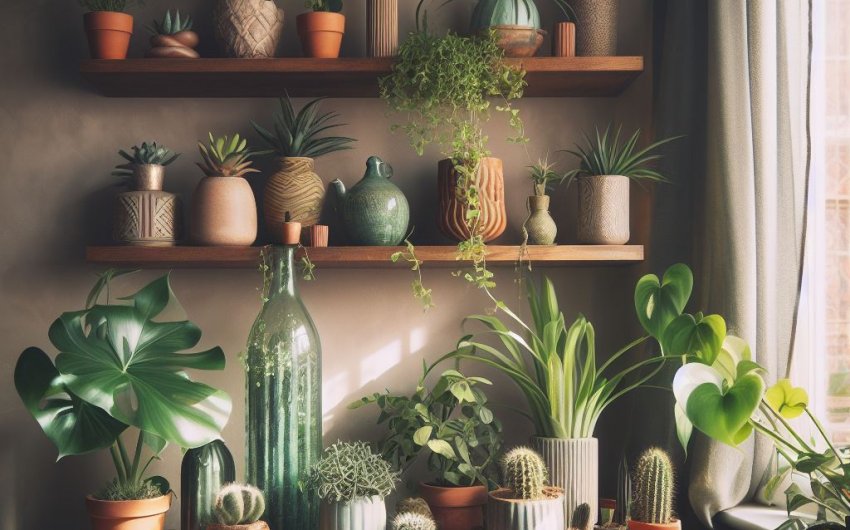
The science of houseplant lighting involves understanding how light intensity, duration, and spectrum impact photosynthesis and plant growth, and then matching these factors to each plant's specific needs, often dictated by its natural habitat. Providing the perfect light is crucial for vibrant foliage, robust growth, and successful flowering in your indoor green companions.
Why is light the most critical factor for houseplant health?
Light is undeniably the most critical factor for houseplant health because it is the primary energy source for photosynthesis. Photosynthesis is the fundamental process by which plants convert light energy, carbon dioxide, and water into sugars (their food) and oxygen. Without adequate or appropriate light, a plant cannot produce enough energy to grow, flower, or even sustain itself, leading to decline and eventual death.
What is photosynthesis, and why does it rely on light?
Photosynthesis is the biochemical process carried out by green plants, algae, and some bacteria, where light energy is converted into chemical energy (sugars). Chlorophyll, the green pigment in plant leaves, absorbs light, which then powers a series of reactions to synthesize glucose. This sugar is the plant's food, providing the energy for all its metabolic processes, from root growth to new leaf development and flowering. Without light, photosynthesis stops, and the plant essentially starves.
How does insufficient light harm houseplants?
Insufficient light is a common cause of houseplant problems. When a plant doesn't receive enough light:
- Reduced photosynthesis: It can't produce enough food to support itself.
- Leggy growth: Stems become elongated, weak, and sparse as the plant "stretches" desperately towards a light source.
- Small, pale leaves: New leaves are often smaller, lighter in color, and less vibrant.
- Lack of flowering: Flowering plants won't produce blooms.
- Increased susceptibility to pests/diseases: Stressed plants are weaker and more vulnerable.
- Eventual decline: Chronic low light will eventually lead to the plant's death.
How do you measure and understand light intensity for houseplants?
Light intensity refers to the brightness or strength of the light, which is a major determinant of how much energy a plant can capture. Understanding how to assess light intensity in your home is crucial for matching plants to their ideal spots.
What units measure light intensity for plants?
While complex light meters measure in PPFD (Photosynthetic Photon Flux Density), for home gardeners, simpler units and visual cues are often used:
- Foot-candles (FC) or Lux: Traditional measurements of light brightness.
- Visual categories: More commonly used in houseplant care (low, medium, bright indirect, direct).
- Grow light metrics: PAR (Photosynthetically Active Radiation) is a more accurate measure for grow lights, focusing on the spectrum plants use.
What are the general categories of light intensity for houseplants?
- Low Light (50-250 FC):
- Description: Areas far from windows, north-facing windows (especially in winter), or corners of a room. Only enough light to read comfortably.
- Plants: ZZ Plant, Snake Plant, Cast Iron Plant.
- Characteristics: Growth is very slow; variegation may disappear.
- Medium/Bright Indirect Light (250-1,000 FC):
- Description: North or east-facing windows, west or south-facing windows set back a few feet or diffused by sheer curtains. The plant is well-lit but no direct sun rays touch the leaves.
- Plants: Pothos, Philodendrons, Prayer Plants, Calatheas, Peace Lilies, Spider Plants.
- Characteristics: Ideal for most common houseplants; encourages good growth and maintains variegation.
- Direct Sun/High Light (1,000+ FC):
- Description: Unobstructed south or west-facing windows, or outdoor exposure. Direct sun rays hitting the plant for several hours.
- Plants: Cacti, most succulents, Aloe Vera, many flowering plants (Geraniums, Hibiscus).
- Characteristics: Essential for sun-lovers, can scorch shade-loving plants.
How do windows affect light intensity?
The direction and size of your windows significantly impact light intensity and duration:
- North-facing: Provides gentle, consistent indirect light. Good for low to medium light plants.
- East-facing: Receives gentle morning sun. Ideal for bright indirect light plants.
- West-facing: Gets intense afternoon sun. Can be too strong for many plants; requires set-back or sheer curtains for bright indirect light.
- South-facing: Receives the strongest, most prolonged direct light. Best for sun-loving plants; requires heavy diffusion or set-back for most others.
What is light duration, and why is it important for houseplants?
Light duration refers to the number of hours a plant receives light in a 24-hour cycle. This is also known as photoperiod. It's crucial because plants have internal clocks and physiological responses (like flowering) that are triggered by the length of day and night.
How does photoperiod affect plant growth and flowering?
- Photosynthesis time: Longer light duration means more hours for photosynthesis, leading to more energy production and faster growth (up to a point).
- Flowering triggers: Some plants are:
- Short-day plants: Flower when day length is shorter (e.g., Christmas Cactus, Poinsettia).
- Long-day plants: Flower when day length is longer.
- Day-neutral plants: Flower regardless of day length.
- Dormancy: Reduced light duration in fall/winter signals many plants to enter a period of dormancy or slower growth.
How do you supplement light duration for houseplants?
In regions with short winter days or in low-light indoor spaces, grow lights are essential for extending light duration. Using an LED plant grow light for 12-16 hours a day can maintain growth and keep plants healthy through winter. A timer is useful for consistency.
What is light spectrum, and how does it influence houseplants?
Light spectrum refers to the different colors (wavelengths) of light. While all visible light is important for plants, specific wavelengths play different roles in photosynthesis and plant development.
What colors of light are most important for plants?
- Blue light (400-500 nm): Important for vegetative growth (leaves and stems), chlorophyll production, and regulating stomatal opening. It promotes compact, bushy growth.
- Red light (600-700 nm): Essential for flowering, fruiting, stem elongation, and seed germination.
- Green light (500-600 nm): While mostly reflected (which is why plants appear green), recent research suggests green light is also utilized by plants, particularly in dense canopies.
- Full spectrum: Mimics natural sunlight, providing a balance of all necessary wavelengths.
How do grow lights deliver different light spectra?
Traditional grow lights (fluorescent, HID) had specific spectrum limitations. Modern LED grow lights, however, can be engineered to provide:
- Full spectrum: Emitting a balanced range of light that appears white or slightly pinkish.
- Red/Blue dominant: Often used for specific growth stages, though a full spectrum is generally better for overall plant health indoors.
- Tunable spectrum: Some advanced LEDs allow you to adjust the specific wavelengths, tailoring light to different plant needs. You can find full spectrum grow light bulbs that fit standard fixtures.
How do you match houseplants with their perfect light conditions?
Matching your houseplants to their perfect light conditions is a process of observation, understanding, and adaptation. It involves recognizing the plant's natural habitat and its current needs.
What are clues from a plant's natural habitat?
- Rainforest understory: Plants from dense tropical forests (most philodendrons, pothos, prayer plants) prefer bright, indirect light, as they are used to filtered sun.
- Desert/Arid regions: Succulents and cacti thrive in direct, intense sunlight, mimicking their open, sunny habitats.
- Temperate forests: Some plants (ferns) might prefer shadier, dappled light.
What are the visible signs a plant needs more light?
- Leggy, stretched growth: Long stems with sparse leaves.
- Smaller new leaves: New growth is consistently smaller than older leaves.
- Fading variegation: Variegated plants lose their distinct patterns and become greener.
- Stunted growth: Overall lack of vigor.
- No flowers: Flowering plants fail to bloom.
- Leaves turning yellow and dropping: Especially lower leaves, as the plant sacrifices them to conserve energy.
What are the visible signs a plant is getting too much light?
- Leaf scorch: Yellow, brown, crispy, or bleached patches directly on the leaves.
- Faded color: Overall pale or washed-out appearance of leaves.
- Wilting: Especially during the brightest parts of the day, as the plant struggles with water loss.
- Reddish/purple tinge: Some plants develop a reddish or purple hue on leaves as a stress response to excessive light.
How do you troubleshoot common light-related problems?
Troubleshooting light issues involves observing your plants closely and making gradual adjustments to their environment.
How do you fix leggy growth due to low light?
- Move to brighter light: Gradually relocate the plant to a spot with more appropriate light intensity.
- Prune: Cut back leggy stems to encourage bushier growth from the base. You can often propagate these cuttings to create new, fuller plants.
- Add grow lights: Supplement with full spectrum LED grow lights.
How do you fix leaf scorch from too much light?
- Move to less intense light: Relocate the plant to a shadier spot or farther away from a bright window.
- Provide diffusion: Use a sheer curtain to diffuse direct sunlight.
- Trim damaged leaves: Remove severely scorched leaves for aesthetics, as they won't recover.
What about seasonal light changes for houseplants?
- Winter: During winter, natural light intensity and duration decrease significantly. You may need to move plants closer to windows or supplement with grow lights.
- Summer: In summer, light can be more intense. South- and west-facing windows might need sheer curtains to prevent scorch. Consider moving some plants outdoors to a shaded patio if appropriate for their care.
The science of houseplant lighting is a fascinating interplay of intensity, duration, and spectrum, all converging to fuel the vital process of photosynthesis. By diligently observing your plants, understanding their unique needs rooted in their natural habitats, and making thoughtful adjustments to their light environment (whether natural or supplemented with quality grow lights), you can truly match each plant with its perfect light, ensuring a thriving, vibrant indoor jungle.