
Troubleshooting Common Houseplant Pests and Diseases
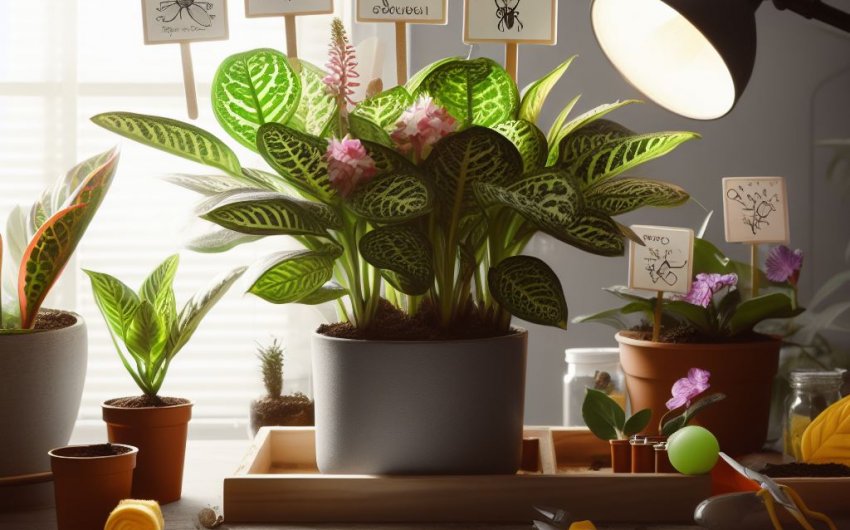
Troubleshooting common houseplant pests and diseases requires vigilant inspection, prompt identification of the issue, and targeted intervention to prevent spread and save your plants. Most problems stem from environmental stressors or poor cultural practices, making prevention and early action crucial for maintaining healthy indoor greenery.
Why is early detection critical for houseplant pests and diseases?
Early detection is paramount when dealing with houseplant pests and diseases because it significantly increases your chances of successful treatment and prevents widespread infestations or infections. Many problems start small and are easily managed if caught early, but can quickly spiral out of control, jeopardizing your entire plant collection.
What are the benefits of catching problems early?
- Easier treatment: Small pest populations are simpler to eradicate with less aggressive methods (e.g., wiping with a cloth) compared to large infestations.
- Prevents spread: Isolating an affected plant quickly limits the chances of pests or diseases jumping to nearby healthy plants.
- Less plant damage: Treating early minimizes the stress and damage to the affected plant, aiding in its recovery.
- Reduced chemical use: Early intervention often allows for organic or manual methods, reducing the need for harsher chemical pesticides.
How often should you inspect your houseplants?
Make it a habit to inspect your houseplants thoroughly at least once a week.
- Check all surfaces: Look at the top and undersides of leaves, along stems, in leaf axils (where leaves meet stems), and on the soil surface.
- Examine new plants: Always quarantine new plants for 2-4 weeks in a separate room before introducing them to your collection to prevent bringing in pests.
- Look for subtle signs: Don't just look for bugs; watch for changes in leaf color, texture, unusual stickiness, or stunted growth.
What are the most common houseplant pests and how do you identify them?
Several common insect pests frequently bother houseplants. Knowing what to look for and where they hide is the first step in effective troubleshooting.
1. Aphids
- Description: Small (1-3 mm), soft-bodied insects, often green, black, white, or red. They cluster on new growth, leaf undersides, and flower buds.
- Damage: Suck sap, causing distorted or yellowed leaves, stunted growth, and secrete sticky honeydew (leading to sooty mold).
- Identification: Visible clusters of tiny insects, sticky residue on leaves/surfaces below, sooty mold.
2. Mealybugs
- Description: Oval-shaped, soft-bodied insects covered in white, cottony, waxy filaments. They hide in leaf axils, on stems, and on leaf undersides.
- Damage: Suck sap, causing stunted growth, yellowing leaves, and significant honeydew production.
- Identification: White, cottony masses resembling lint, sticky residue, slow-moving insects.
3. Spider Mites
- Description: Tiny (less than 1 mm), often reddish-brown or yellowish arachnids. Very hard to see with the naked eye.
- Damage: Suck plant cells, causing tiny yellow or white stippling (dots) on leaves, dusty appearance, and fine webbing on leaf undersides or between stems, especially in dry conditions.
- Identification: Stippling, fine webbing, red dots (mites) moving when wiped with a white paper towel.
4. Scale Insects
- Description: Small (1-5 mm), immobile, oval-shaped bumps that appear brown, black, or white. They attach firmly to stems and leaves, often blending in.
- Damage: Suck sap, causing yellowing leaves, stunted growth, and honeydew production.
- Identification: Hard, shell-like bumps that don't easily wipe off.
5. Fungus Gnats
- Description: Small, dark, mosquito-like flying insects that hover around the soil surface. Their larvae (tiny clear-white worms with black heads) live in the soil.
- Damage: Larvae feed on decaying organic matter and sometimes delicate roots, especially on seedlings or weak plants. Adults are mostly a nuisance.
- Identification: Flying gnats around the plant/soil, presence of larvae in soggy soil.
How do you effectively treat common houseplant pests?
Effective pest treatment often involves a combination of manual removal, cultural changes, and targeted, less toxic sprays. Persistence and consistency are key.
What are immediate steps for pest control?
- Isolate: Immediately move the infested plant away from all other houseplants to prevent spread.
- Manual removal:
- Wipe/Spray: For light infestations, wipe leaves (top and bottom) with a damp cloth or spray with a strong stream of water (for sturdy plants).
- Alcohol swab: For mealybugs and scale, dab them directly with a cotton swab dipped in 70% isopropyl rubbing alcohol. The alcohol dissolves their waxy coating.
- Hand-pick: For larger visible pests.
What organic and less toxic treatments are effective?
- Insecticidal soap: Works by suffocating soft-bodied insects like aphids, mealybugs, and spider mites. Mix according to instructions or use a ready-to-use organic insecticidal soap spray. Spray thoroughly, covering all plant surfaces (top and bottom of leaves, stems). Repeat every 5-7 days for several weeks.
- Neem oil: A natural botanical insecticide/repellent that disrupts insect feeding and reproduction. Mix neem oil concentrate with water and a few drops of mild soap. Apply as a foliar spray. Repeat every 7-10 days.
- Horticultural oil: A refined petroleum product that suffocates insects. Use a light horticultural oil (safe for indoor use) and follow instructions.
- Sticky traps: Yellow sticky traps are excellent for monitoring and catching adult flying pests like fungus gnats, thrips, and whiteflies.
- Beneficial insects: For fungus gnats, predatory nematodes can be applied to the soil.
When should you consider stronger chemical pesticides?
Stronger chemical pesticides should be a last resort for houseplants. Many are not safe for indoor use, and others can harm sensitive plants or humans/pets. If you must use one, ensure it's labeled for indoor use and for your specific plant and pest, follow all instructions precisely, and ensure good ventilation.
What are the most common houseplant diseases and how do you identify them?
Houseplant diseases are primarily caused by fungi or bacteria and are almost always a result of environmental stressors, particularly overwatering and poor air circulation.
1. Root Rot
- Description: A fungal or bacterial infection of the roots, caused by prolonged waterlogging.
- Symptoms: Yellowing, wilting leaves (even if soil is wet), stunted growth, mushy stems, unpleasant odor from the soil, black or brown mushy roots.
- Identification: Plant looks "thirsty" but soil is wet. Upon inspection, roots are soft and discolored.
2. Powdery Mildew
- Description: A fungal disease appearing as white, powdery patches on leaves and stems.
- Symptoms: White, flour-like spots, distorted new growth, yellowing leaves, slowed growth.
- Identification: Visible white powdery film, usually on upper leaf surfaces.
- Conditions: Favored by high humidity and poor air circulation.
3. Leaf Spot Diseases
- Description: Various fungal or bacterial infections that cause distinct spots on leaves.
- Symptoms: Small, discolored spots (black, brown, yellow, red), often with a halo, that enlarge and merge.
- Identification: Discolored spots on leaves.
- Conditions: Often caused by too much moisture on leaves, poor air circulation, or high humidity.
4. Sooty Mold
- Description: A black, sooty, superficial fungal growth that covers leaves and stems.
- Symptoms: Black, velvety coating.
- Identification: Visible black film that can be wiped off.
- Conditions: Always a secondary problem, caused by honeydew (sticky excretions) from sap-sucking pests like aphids, mealybugs, or scale.
How do you prevent and treat common houseplant diseases?
Prevention through good cultural practices is by far the most effective way to combat houseplant diseases. Once a disease takes hold, treatment often involves improving conditions and sometimes using fungicides.
What are the best preventative measures for houseplant diseases?
- Proper watering: This is the #1 prevention strategy for root rot and many fungal diseases. Allow soil to dry appropriately between waterings. Use pots with drainage holes. Avoid leaving standing water. A soil moisture meter can be your best friend.
- Good air circulation: Space plants adequately, prune dense foliage, and ensure good air movement to prevent stagnant, humid conditions that encourage fungal growth.
- Appropriate light: Healthy plants in their preferred light conditions are more resilient.
- Sterile potting mix: Use fresh, sterile houseplant potting mix when repotting.
- Cleanliness: Regularly wipe dust from leaves. Remove dead or yellowing leaves promptly. Sterilize pruning shears between uses, especially if cutting diseased plants.
- Humidity management: While some tropical plants need high humidity, ensure good airflow to prevent fungal issues.
How do you treat common houseplant diseases?
- Root Rot:
- Stop watering: Immediately cease watering.
- Inspect roots: Gently remove the plant from its pot. Examine roots.
- Trim rotted roots: Using sterile shears, cut away all mushy, black, or smelly roots back to healthy, firm tissue.
- Repot: Repot into fresh, dry, well-draining potting mix in a clean pot (or sanitized old pot).
- Adjust watering: Change watering habits.
- Powdery Mildew/Leaf Spot:
- Prune affected leaves: Remove and discard heavily infected leaves to reduce spore count.
- Improve conditions: Increase air circulation, reduce humidity if possible, and ensure proper light.
- Fungicides: Apply an organic fungicide such as neem oil spray or a copper-based fungicide, following instructions.
- Sooty Mold: This is a symptom, not the primary disease. Treat the underlying sap-sucking pests (aphids, mealybugs, scale) that are producing honeydew. Once pests are gone, the sooty mold will eventually flake off or can be gently wiped clean.
Troubleshooting common houseplant pests and diseases is an essential skill for any plant parent. By establishing a routine of vigilant inspection, understanding the symptoms and causes of common issues, and applying targeted, consistent treatments, you can proactively protect your green companions. Remember, a healthy plant with good cultural care is always the best defense against pests and diseases, ensuring your indoor garden remains vibrant and thriving.