
Pet-Friendly Houseplants: Keeping Your Furry Friends Safe and Happy
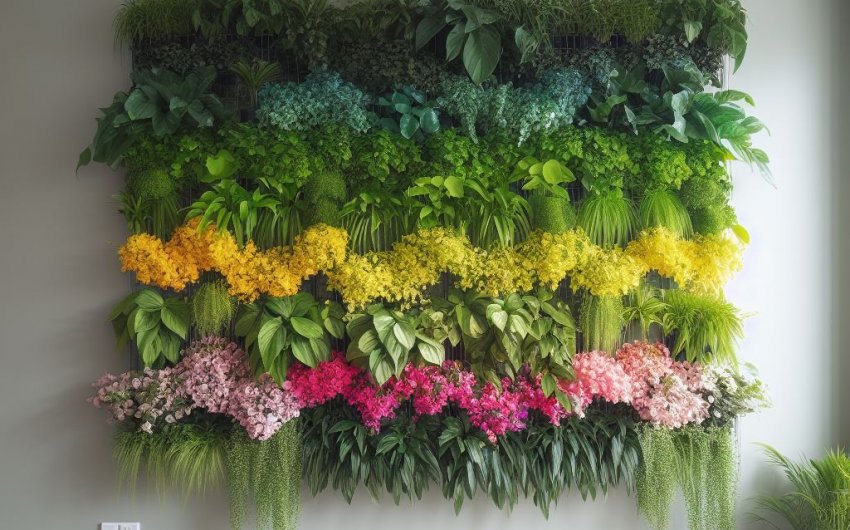
When choosing pet-friendly houseplants, it's crucial to select varieties that are non-toxic to cats and dogs to keep your furry friends safe and happy. Focus on plants known for their beauty and ease of care, ensuring they won't cause harm if nibbled or ingested by curious pets.
Why is it so important to choose pet-friendly houseplants?
Choosing pet-friendly houseplants is paramount for any pet owner who also loves greenery. Many common and beautiful houseplants contain compounds that can be toxic to cats and dogs, ranging from mild stomach upset to severe illness or even death. Pets, especially curious puppies and kittens, are naturally inclined to chew, play with, or ingest plants, making it essential to prioritize their safety by stocking your home with non-toxic options.
How do pets interact with houseplants?
Pets interact with houseplants in various ways, often driven by instinct or curiosity:
- Chewing/Nibbling: Dogs and cats might chew on leaves out of boredom, play, or to relieve an upset stomach (like cats eating grass).
- Playing: Dangling vines or rustling leaves can be irresistible toys.
- Digging: Some pets enjoy digging in pots, especially if the soil is loose or they're looking for a comfortable spot.
- Drinking from saucers: Standing water in saucers can be appealing.
What are the risks of toxic houseplants for pets?
The risks associated with toxic houseplants vary widely depending on the plant species, the amount ingested, and the pet's size and sensitivity.
- Mild irritation: Oral irritation, vomiting, diarrhea, skin rash.
- Moderate symptoms: Drooling, difficulty swallowing, lethargy, loss of appetite.
- Severe symptoms: Kidney failure, liver damage, cardiac arrest, seizures, respiratory distress, or even death.
If you suspect your pet has ingested a toxic plant, contact your veterinarian or a pet poison control center immediately.
What are the top categories of pet-safe houseplants?
To simplify choosing pet-friendly houseplants, it's helpful to know which broad plant families or types generally offer safe options. This can guide your selection process and give you peace of mind.
What common foliage plants are safe for pets?
Many popular and visually appealing foliage plants are excellent choices for homes with pets:
- Prayer Plant (Marantaceae family): Includes Prayer Plant (Maranta leuconeura), Calathea, Stromanthe. Known for their vibrant, patterned leaves that move throughout the day.
- Peperomia: A diverse genus with many varieties, from trailing to upright, thick-leaved to delicate. All are non-toxic.
- Friendship Plant (Pilea involucrata): A small, bushy plant with deeply textured leaves.
- Polka Dot Plant (Hypoestes phyllostachya): Colorful spotted leaves, though sometimes causes mild digestive upset in large quantities.
- Baby Tears (Soleirolia soleirolii): A delicate, low-growing plant with tiny leaves, great for terrariums or as a filler.
What flowering plants are safe for pets?
Bringing color into your home is still possible with these pet-safe flowering options:
- *African Violet (Saintpaulia spp.):* Classic, easy-to-grow houseplants with beautiful, velvety flowers.
- *Christmas Cactus (Schlumbergera spp.):* A popular holiday bloomer with segmented stems and vibrant flowers.
- Orchids (Phalaenopsis spp.): Most common orchid varieties are non-toxic.
Are there any pet-safe succulents and herbs?
Yes, you can also enjoy succulents and fresh herbs without worry:
- Haworthia: Small, architectural succulents with various forms.
- Gasteria: Similar to Haworthia, with thick, fleshy leaves.
- Most culinary herbs: Basil, Rosemary, Thyme, Sage, Parsley, Cilantro. A small indoor herb garden kit can be pet-friendly.
- Boston Fern (Nephrolepis exaltata): Lush, feathery fronds, and generally safe.
What are 10 specific examples of popular pet-friendly houseplants?
Here is a list of 10 excellent, popular, and relatively easy-to-care-for houseplants that are widely considered safe for both cats and dogs, as verified by reputable sources like the ASPCA.
1. Spider Plant (Chlorophytum comosum)
- Why it's safe: Non-toxic.
- Care needs: Bright, indirect light; water when the top inch of soil is dry. Easy to propagate from "spiderettes."
- Key benefit: Air purifier, charming cascading plantlets.
2. Prayer Plant (Maranta leuconeura)
- Why it's safe: Non-toxic.
- Care needs: Bright, indirect light; keep soil consistently moist (but not soggy); high humidity.
- Key benefit: Stunning patterned leaves that fold up at night, creating movement.
3. Boston Fern (Nephrolepis exaltata)
- Why it's safe: Non-toxic.
- Care needs: Medium to bright indirect light; high humidity; consistently moist soil.
- Key benefit: Lush, feathery foliage adds a classic touch.
4. Areca Palm (Dypsis lutescens)
- Why it's safe: Non-toxic.
- Care needs: Bright, indirect light; keep soil consistently moist; high humidity.
- Key benefit: Adds a tropical, airy feel and can grow quite large.
5. Christmas Cactus (Schlumbergera spp.)
- Why it's safe: Non-toxic.
- Care needs: Bright, indirect light; water when the top 1-2 inches of soil are dry; needs specific light/dark cycles to bloom.
- Key benefit: Beautiful seasonal blooms, easy care succulent. You can find pet-safe Christmas cacti online.
6. African Violet (Saintpaulia spp.)
- Why it's safe: Non-toxic.
- Care needs: Bright, indirect light; water from the bottom to avoid getting leaves wet; high humidity; consistent warmth.
- Key benefit: Easy to grow, charming, prolific blooms in various colors.
7. Haworthia (Haworthia spp.)
- Why it's safe: Non-toxic.
- Care needs: Bright, indirect light (can tolerate some direct sun); water thoroughly only when soil is completely dry.
- Key benefit: Unique architectural succulent, very low maintenance.
8. Money Tree (Pachira aquatica)
- Why it's safe: Non-toxic.
- Care needs: Bright, indirect light; water when the top 1-2 inches of soil are dry; appreciates humidity.
- Key benefit: Braided trunk and palm-like leaves add a striking element; often associated with good luck.
9. Polka Dot Plant (Hypoestes phyllostachya)
- Why it's safe: Non-toxic, but ingestion in large quantities may cause mild digestive upset (vomiting, diarrhea).
- Care needs: Bright, indirect light; consistently moist soil; high humidity; pinch back for bushiness.
- Key benefit: Brightly spotted leaves add a pop of color (pink, white, red).
10. Orchid (Phalaenopsis spp. - Moth Orchid)
- Why it's safe: Non-toxic.
- Care needs: Bright, indirect light; water when potting mix is dry (often weekly); high humidity.
- Key benefit: Elegant, long-lasting blooms bring sophistication.
How do you safely introduce houseplants into a pet's environment?
Even with non-toxic plants, it's wise to introduce them carefully and observe your pet's behavior. Pets can still show individual sensitivities, or simply make a mess.
What steps should you take when bringing a new plant home?
- Quarantine: Keep new plants away from pets for a few days to a week. This also allows you to check for pests.
- Observe your pet: Place the plant in its intended spot and observe your pet's reaction. Are they curious? Do they try to nibble?
- Provide alternatives: Offer pet-safe alternatives, like a pot of cat grass (Dactylis glomerata) for cats, or engaging toys for dogs, to redirect their attention away from houseplants. You can buy pet grass seed to grow.
- Gradual exposure: Don't suddenly fill your home with many new plants. Add them gradually.
How can you deter pets from chewing on plants?
- Bitter sprays: Apply a non-toxic, bitter-tasting spray specifically designed to deter pets from chewing on plants.
- Physical barriers: Use decorative cages, plant stands, or place plants on high shelves/hanging baskets out of reach.
- Rough textures: Surround the base of the plant with uncomfortable textures like pinecones, aluminum foil, or decorative rocks to deter digging and chewing.
- Training: Consistent training with "leave it" commands can be effective for dogs.
What should you do if your pet ingests a toxic houseplant?
Despite your best efforts, accidents can happen. Knowing what to do immediately if your pet ingests a potentially toxic plant is crucial for their well-being.
What are the immediate steps to take?
- Stay calm: Panicking won't help your pet.
- Identify the plant: If possible, determine what plant your pet ate and roughly how much. Take a photo of the plant and any chewed parts.
- Contact a professional:
- Your veterinarian: Call your vet immediately. They can provide initial advice and prepare for your arrival if a visit is necessary.
- Pet Poison Control Center: Have the phone numbers for animal poison control services (like ASPCA Animal Poison Control Center or Pet Poison Helpline) readily available. These services can identify specific plant toxicities and recommend immediate actions. (Note: A consultation fee may apply).
- Do NOT induce vomiting: Unless specifically instructed by a vet or poison control. Inducing vomiting can sometimes cause more harm.
- Bring evidence: If you visit the vet, bring a sample of the plant your pet ingested.
How do you ensure ongoing safety with houseplants and pets?
Maintaining a pet-safe home with houseplants is an ongoing commitment. Regular checks and thoughtful placement are key to preventing issues.
What are good long-term safety practices?
- Regular review: Periodically review your plant collection and any new additions for toxicity. The ASPCA website is an excellent resource for a comprehensive list of toxic and non-toxic plants.
- Secure placement: Continue to place plants out of reach whenever possible, especially for tempting trailing varieties. Use high shelves, hanging planters, or terrariums.
- Monitor plant health: Healthy plants are less likely to shed tempting leaves or attract pests that might draw your pet's attention.
- Clean up fallen leaves: Promptly remove any fallen leaves, flowers, or berries from toxic plants before your pet can get to them.
- Avoid pesticides: If you must treat a houseplant for pests, use pet-safe, natural options like neem oil spray or insecticidal soap, and keep the plant away from pets until dry.
Choosing pet-friendly houseplants is a loving and responsible decision that allows you to enjoy the beauty of green indoors while keeping your furry companions safe and happy. By carefully selecting non-toxic varieties, understanding their care, and implementing safe placement strategies, you can create a harmonious environment where both your plants and pets can thrive side-by-side.