
A Guide to Watering Houseplants: Understanding Their Unique Needs
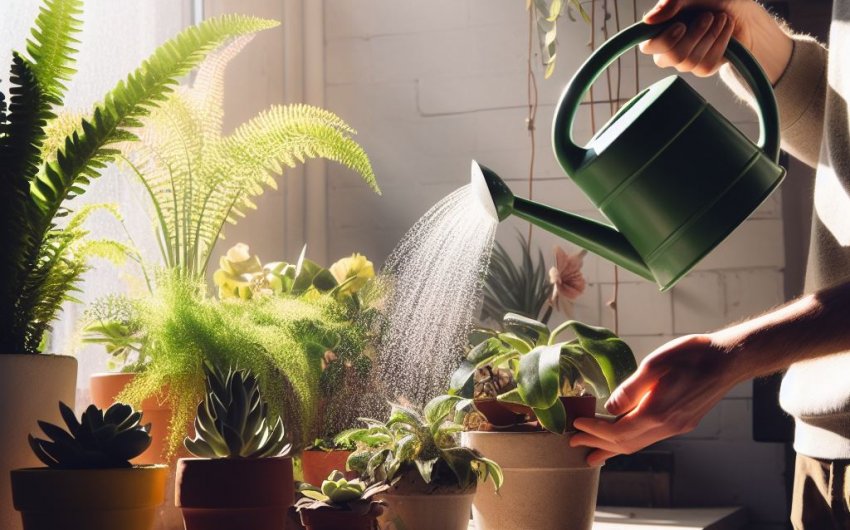
To effectively water houseplants, it's crucial to understand their unique needs, recognizing that "overwatering" is usually about frequency and drainage, not just volume. Focus on checking soil moisture, providing thorough saturation when needed, ensuring proper drainage, and tailoring your approach to specific plant types and environmental conditions.
Why is understanding unique watering needs so crucial for houseplants?
Understanding the unique watering needs of your houseplants is the single most important factor for their survival and thriving. "Overwatering" is often cited as the leading cause of houseplant death, but it's rarely about giving too much water at once. Instead, it's about watering too frequently or having inadequate drainage, leading to soggy soil that suffocates roots. Each plant's native environment dictates its specific requirements, from desert succulents to tropical bog plants.
What happens to plant roots in overwatered soil?
When soil remains constantly wet and saturated due to overwatering or poor drainage, it creates an anaerobic (oxygen-deprived) environment around the roots. Plant roots, like all living tissues, need oxygen to function. In waterlogged conditions, they essentially "drown," leading to:
- Root rot: The roots start to decay and turn mushy or black.
- Inability to absorb water/nutrients: Even if the plant is sitting in water, its damaged roots cannot take it up, leading to symptoms of underwatering (wilting, yellowing).
- Plant decline and death: Eventually, the entire plant will succumb if root rot is not addressed.
How does proper watering promote overall plant health?
Correct watering ensures that roots receive a balanced supply of moisture and oxygen, allowing them to:
- Efficiently absorb water: Which is vital for hydration, photosynthesis, and maintaining turgor (firmness).
- Effectively take up nutrients: Water acts as a transporter for dissolved nutrients from the soil to the rest of the plant.
- Resist disease: Healthy, unstressed roots and plants are generally more resilient against pests and diseases.
How do you know when to water your houseplants?
Knowing when to water is more important than sticking to a rigid schedule. Your plants and their potting mix will give you clear signals that they need a drink.
What is the "finger test" for soil moisture?
The finger test is the most reliable and widely used method for checking soil moisture.
- Insert finger: Stick your finger about 1-2 inches deep into the potting mix. For larger pots or deeper roots, go a bit deeper.
- Feel for moisture:
- If it feels dry: It's likely time to water.
- If it feels moist/damp: Wait a few more days and check again.
- If it feels wet/soggy: Definitely do not water; assess for potential overwatering issues.
What other indicators suggest a plant needs water?
- Pot weight: Lift the pot. A dry pot will feel noticeably lighter than a recently watered one. This method is particularly useful once you've gained some experience.
- Drooping/Wilting leaves: Many plants will visibly droop, wilt, or show signs of thirst before severe damage occurs. They typically perk up quickly after watering.
- Dry potting mix: The top surface of the potting mix may look visibly dry and lighter in color. For some plants, the soil may even pull away slightly from the edge of the pot.
- Soil moisture meter: A soil moisture meter can provide accurate readings, especially helpful for beginner gardeners or for plants that don't show obvious signs of thirst.
What is the best way to water houseplants?
Once you've determined your houseplant needs water, the method of application is important to ensure thorough hydration without creating problems.
How do you water from the top (most common method)?
- Water slowly and thoroughly: Pour water evenly over the entire surface of the potting mix, allowing it to soak in gradually.
- Continue until drainage: Keep watering until you see water freely draining from the bottom of the pot. This ensures the entire root ball is saturated.
- Empty saucer: Allow the pot to sit in its saucer for 15-30 minutes to collect excess water, then empty any standing water. Leaving a pot sitting in water can lead to root rot.
What is bottom watering, and when is it useful?
Bottom watering involves letting the plant absorb water from the bottom up, through the drainage holes.
- Method: Place the potted plant (with drainage holes) into a larger container or basin filled with 1-2 inches of water. Let it sit for 20-30 minutes, or until the top of the soil feels moist.
- Benefits: Encourages deeper root growth, prevents fungal gnats (as the topsoil stays drier), and is good for plants that dislike wet foliage.
- Limitations: Periodically flush from the top to prevent salt buildup.
What about watering specific plant types?
- Succulents/Cacti: Water thoroughly, then allow the soil to completely dry out for an extended period before watering again. They are very prone to rot.
- Moisture-loving plants: Plants like ferns, calatheas, and some tropical foliage plants prefer consistently moist soil, meaning the top inch may dry, but deeper soil should remain damp. They may need more frequent watering.
- Aroids (Philodendrons, Pothos): Allow the top 1-2 inches to dry out.
Why is drainage crucial for healthy houseplants?
Proper drainage is perhaps the most fundamental requirement for successful houseplant watering. Without it, even the most careful watering can lead to plant problems.
Why do pots need drainage holes?
Drainage holes at the bottom of a pot are absolutely essential. They allow excess water to escape, preventing the potting mix from becoming waterlogged. Without drainage holes, water accumulates at the bottom, creating an anaerobic environment that suffocates roots and leads to root rot. Always choose pots with drainage holes, or drill them yourself.
Does a layer of gravel at the bottom of a pot improve drainage?
No, adding a layer of gravel, broken pottery, or bark at the bottom of a pot does NOT improve drainage and can actually make matters worse. This creates a "perched water table," where water accumulates just above the gravel layer, keeping the soil above it soggy and susceptible to root rot. It's better to simply use a good quality, well-draining potting mix throughout the pot.
What kind of potting mix ensures good drainage?
Use a high-quality, well-draining potting mix specific to your plant type.
- General houseplants: Use an all-purpose houseplant potting mix amended with perlite or orchid bark for extra aeration.
- Succulents/Cacti: Use a specialized cactus and succulent potting mix that is very gritty and fast-draining.
- Aroids (Philodendrons, Monsteras): Prefer chunky mixes with orchid bark, perlite, and coco coir to mimic their epiphytic nature.
What type of water should you use for houseplants?
The quality of water you use for your houseplants can sometimes be a factor in their health, especially for sensitive species.
Is tap water generally safe for houseplants?
For most common houseplants, tap water is generally acceptable. However, some tap water contains:
- Chlorine and chloramines: Can be removed by letting water sit out for 24-48 hours.
- Fluoride: Some plants (e.g., Dracaenas, Spider Plants, Prayer Plants) are sensitive to fluoride and can develop brown tips. Fluoride cannot be removed by letting water sit out.
- Hard water (minerals): High mineral content can lead to salt buildup in the soil over time, causing white crust on pot edges or brown leaf tips.
What are better water options for sensitive plants?
- Distilled water: Pure, mineral-free water, ideal for very sensitive plants or those prone to salt buildup.
- Rainwater: Collected directly from the sky, it's naturally soft and free of chlorine/minerals. Using a rain barrel can be a sustainable option.
- Filtered water: Water passed through a carbon filter can remove chlorine and some impurities, but usually not all minerals.
How do you flush accumulated salts from potting mix?
For potted plants watered with tap water, it's a good practice to flush the soil every few months. Water the plant deeply until water freely drains, then let it sit for about 30 minutes, and then water again deeply, allowing plenty of water to run through. This helps dissolve and wash away accumulated mineral salts.
How do environmental factors impact watering frequency?
The immediate environment of your houseplant plays a significant role in how quickly its soil dries out and, consequently, how often it needs water. These factors are constantly changing, making a rigid watering schedule impractical.
How does light intensity affect watering needs?
- Bright light: Plants in brighter light photosynthesize more, transpire more water, and their soil dries out faster. They will need more frequent watering.
- Low light: Plants in low light photosynthesize less, transpire less, and their soil stays moist for longer. They will need less frequent watering and are more prone to overwatering.
How do temperature and humidity affect watering?
- High temperatures: Increase evaporation from the soil and transpiration from the leaves, leading to faster drying and more frequent watering.
- Low temperatures: Slow down evaporation and plant activity, meaning less frequent watering is needed.
- Low humidity: Accelerates evaporation from leaves and soil, requiring more frequent watering.
- High humidity: Reduces evaporation, so plants may need less frequent watering.
Does pot size and material matter for watering?
- Pot size: Smaller pots dry out much faster than larger pots.
- Pot material:
- Terracotta/Unglazed ceramic: Porous, allows water to evaporate through the sides, leading to faster drying. Good for plants prone to rot.
- Plastic/Glazed ceramic: Non-porous, retains moisture for longer.
What are common watering mistakes and how to avoid them?
Even with the best intentions, houseplant enthusiasts can make common watering mistakes. Recognizing and correcting these is key to healthy plants.
What are the most frequent watering errors?
- Watering on a schedule, not by need: The single biggest mistake. Always check the soil first.
- Shallow watering: Only watering the surface, which encourages shallow root growth and leaves deeper roots dry. Always water deeply.
- Ignoring drainage: Using pots without holes or leaving standing water in saucers.
- Using cold water: Can shock sensitive roots; use room-temperature water.
- Forgetting about dormancy: Reducing watering is crucial during a plant's dormant period (usually fall/winter).
How do you recover an overwatered houseplant?
- Stop watering immediately: Do not water again until the soil has thoroughly dried out.
- Improve drainage/airflow: If possible, gently aerate the soil with a chopstick. Remove any standing water.
- Repot (if severe): If the plant is showing severe signs of root rot (mushy stems, foul smell), carefully remove it from the pot, trim away any rotted (mushy, black) roots with sterile shears, and repot into fresh, dry, well-draining potting mix.
- Monitor: Provide bright, indirect light and wait patiently for signs of recovery.
How do you revive an underwatered houseplant?
- Water thoroughly: Place the potted plant in a sink or basin and water slowly and deeply until water drains freely from the bottom. Let it sit for 30-60 minutes to fully rehydrate.
- Bottom watering: Alternatively, soak the pot in a basin of water for 30-60 minutes to allow the soil to fully absorb moisture.
- Trim crispy leaves: Once the plant has recovered, you can trim off any completely crispy or brown leaves for aesthetics.
- Adjust schedule: Re-evaluate your watering frequency to prevent future underwatering.
A guide to watering houseplants correctly is ultimately a guide to attentive, individualized care. By deeply understanding the unique needs of each plant, diligently checking soil moisture, providing thorough hydration, and ensuring impeccable drainage, you can overcome common watering challenges and cultivate a thriving indoor oasis where all your green companions flourish.