
Houseplants and Mental Health: The Calming Benefits of Green Indoors
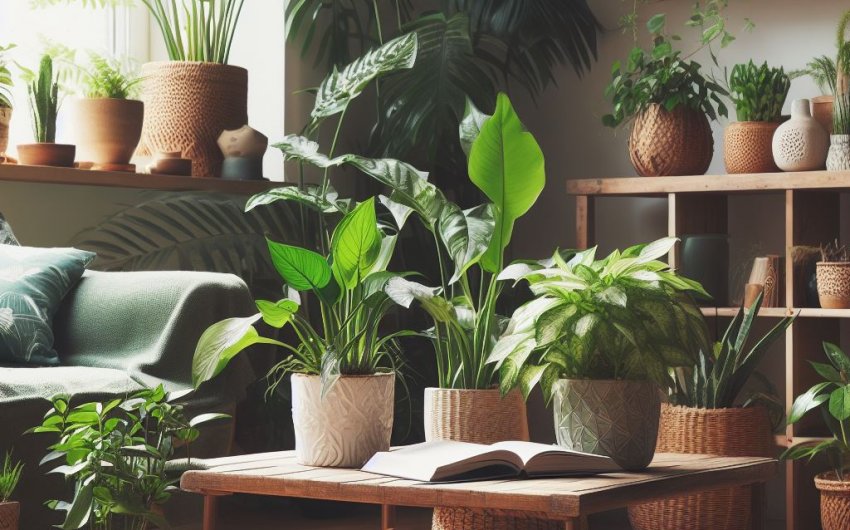
Houseplants positively impact mental health by offering numerous calming benefits, including reducing stress, improving focus, boosting mood, and fostering a sense of purpose and connection to nature. Their presence creates a tranquil, refreshing indoor environment that supports overall psychological well-being.
How do houseplants reduce stress and anxiety?
One of the most widely recognized benefits of houseplants for mental health is their remarkable ability to reduce stress and anxiety. The mere presence of greenery, combined with the act of caring for plants, taps into deep-seated human needs for nature, often referred to as biophilia. This connection helps calm the nervous system and promote a sense of well-being.
What is "biophilia" and its connection to houseplants?
Biophilia is the innate human tendency to connect with nature and other living systems. It suggests that humans have an evolutionary affinity for nature, and that exposure to natural elements is essential for our physical and mental health. Houseplants satisfy this biophilic need, bringing a piece of the natural world indoors, which can be particularly beneficial for those living in urban environments with limited outdoor green spaces. This connection helps to reduce feelings of isolation and re-establish a sense of calm.
How does caring for plants reduce stress?
The act of caring for houseplants is a form of mindfulness. It provides a gentle, repetitive task that requires focus and attention, pulling your mind away from stressors.
- Routine and responsibility: Establishing a routine for watering, fertilizing, and inspecting plants can provide a sense of structure and responsibility, which can be comforting.
- Nurturing effect: Watching plants grow and thrive under your care can be incredibly rewarding and instill a sense of accomplishment, boosting self-esteem.
- Sensory engagement: The visual appeal of green foliage, the earthy smell of soil, and the tactile experience of touching leaves can engage your senses in a calming way.
Can houseplants improve focus and productivity?
Beyond stress reduction, houseplants have been shown to enhance cognitive functions, including focus and productivity. Their presence can transform a workspace or living area into a more stimulating yet serene environment, conducive to concentration.
How do plants help with concentration?
Studies have indicated that working or studying in spaces with plants can lead to improved concentration and reduced distraction. This might be due to several factors:
- Micro-breaks: The presence of plants can encourage brief, restorative "micro-breaks" for the eyes and mind, allowing for a quick mental reset without disengaging from work completely.
- Reduced noise: While not a significant sound absorber, plants can subtly dampen ambient noise, creating a slightly quieter environment.
- Visual interest: The natural patterns and textures of plants can be gently stimulating without being overwhelming, providing a focal point for the eyes when a break from a screen is needed.
Do houseplants boost creativity and problem-solving?
Anecdotal evidence and some research suggest that exposure to green spaces, and by extension, green indoors, can foster creativity and problem-solving abilities. The calming effect of nature may put the mind in a more relaxed state, allowing for free-flowing thoughts and innovative solutions. A more positive and less stressed mental state is inherently more conducive to creative thinking.
How do houseplants boost mood and fight depression?
Houseplants have a profound ability to uplift spirits and positively impact mood, acting as natural mood enhancers. This can be particularly beneficial in combating feelings of loneliness, sadness, and even symptoms of depression.
How does contact with nature affect mood?
Spending time in nature, whether outdoors or with indoor plants, has a well-documented positive impact on mood. This is linked to:
- Reduced negative emotions: Exposure to green environments can decrease feelings of anger, fear, and sadness.
- Increased positive emotions: Promotes feelings of joy, contentment, and well-being.
- Vitamin D synthesis: While houseplants don't directly provide Vitamin D, the act of tending to them by a sunny window can indirectly encourage exposure to natural light, which aids in Vitamin D production (important for mood regulation).
Can houseplants help combat loneliness and isolation?
For many, houseplants become a form of companionship. Caring for a living thing can alleviate feelings of loneliness and provide a sense of connection, especially for individuals living alone. The responsibility of nurturing a plant can fill a void and provide a non-judgmental entity to interact with, offering comfort and a quiet presence.
What is the role of air purification in mental well-being?
While the direct impact of houseplants on indoor air quality is often debated and depends on numerous factors (plant size, number of plants, room volume), the perception and subtle benefits of improved air quality can still contribute to a sense of well-being.
How do houseplants naturally filter indoor air?
Plants absorb carbon dioxide for photosynthesis and release oxygen. Some studies, most notably NASA's Clean Air Study, found that certain plants can also absorb volatile organic compounds (VOCs) like benzene, formaldehyde, and trichloroethylene from the air through their leaves and roots. However, the effectiveness in a typical home environment requires a large number of plants.
How does perceived air quality affect mood and health?
Even if the measurable impact on air quality is subtle, the perception of cleaner, fresher air can significantly contribute to mental well-being. Knowing that plants are actively working to improve the air can reduce anxiety about indoor pollutants and foster a sense of a healthier living environment. The oxygen released by plants also contributes to a feeling of freshness.
What plants are known for their calming and air-purifying benefits?
While nearly any houseplant can offer mental health benefits, some are particularly noted for their calming presence, ease of care, and potential air-purifying qualities.
What are some calming houseplants for mental health?
- Lavender (Lavandula) (Potted): Known for its calming fragrance, which can reduce stress and promote sleep.
- Peace Lily (Spathiphyllum): Elegant, easy to care for, and an effective air purifier. Its graceful form is inherently calming. You can find peace lilies online.
- Snake Plant (Sansevieria trifasciata): Low maintenance and a good air purifier, providing a calming presence without demanding much attention.
- Pothos (Epipremnum aureum): Easy to grow, trailing vines create a lush, natural feel. Very forgiving.
- Aloe Vera (Aloe barbadensis miller): Known for its medicinal properties, its presence can also evoke a sense of well-being and natural healing.
What houseplants are touted for air purification?
Based on studies, the following are often cited as good air purifiers:
| Plant Name | Key Air Pollutants Absorbed | Ease of Care |
|---|---|---|
| Snake Plant | Benzene, Formaldehyde, Trichloroethylene, Xylene, Toluene | Very Easy |
| Peace Lily | Formaldehyde, Benzene, Carbon Monoxide, Trichloroethylene, Xylene | Easy |
| Pothos | Formaldehyde, Benzene, Carbon Monoxide, Xylene, Toluene | Very Easy |
| Spider Plant | Formaldehyde, Xylene, Toluene, Carbon Monoxide | Easy |
| Chinese Evergreen | Formaldehyde, Benzene | Easy |
| Dracaena | Benzene, Formaldehyde, Trichloroethylene, Xylene, Toluene | Medium |
How does green space indoors encourage a sense of purpose?
Beyond passive benefits, the active engagement with houseplants can foster a strong sense of purpose and accomplishment, which is vital for mental health. Nurturing a living thing connects us to something larger than ourselves.
How does gardening (even indoors) instill purpose?
- Responsibility: Taking on the responsibility for another living being provides structure and a daily or weekly task.
- Goal setting: Watching a plant grow, flower, or propagate provides small, achievable goals and celebrates success.
- Learning and mastery: Researching plant care, troubleshooting issues, and seeing positive results builds confidence and a sense of mastery.
- Connection to life cycle: Observing the plant's life cycle – from a small cutting to a thriving plant – can be grounding and reflective of life's natural rhythms.
Can houseplants be a form of therapy?
Yes, gardening, including indoor plant care, is increasingly recognized as a form of horticultural therapy. This therapeutic approach uses plants and gardening activities to improve mental and physical well-being. It can:
- Reduce symptoms of depression and anxiety: Providing a positive distraction and a sense of achievement.
- Improve social interaction: Through plant groups, sharing cuttings, or discussing plants.
- Enhance motor skills: Physical tasks involved in plant care.
- Boost self-esteem: Success in nurturing plants.
What is the connection between houseplants and sleep quality?
A tranquil environment is crucial for good sleep, and houseplants can contribute to creating such a space, subtly influencing sleep quality through improved atmosphere and perceived freshness.
How do plants help create a calming bedroom environment?
- Visual tranquility: The color green is known to be calming and restful, helping to soothe the mind before sleep.
- Improved air quality (perception): A bedroom with plants might feel fresher and cleaner, contributing to a sense of ease.
- Humidity regulation: Some plants can subtly increase humidity, which might benefit respiratory comfort for some individuals.
- Subtle fragrance: Certain plants (like jasmine or gardenia, if well-tolerated) can release soothing scents that aid relaxation.
What are good bedroom plants for sleep?
- Snake Plant: Releases oxygen at night, unlike most plants, and requires minimal care.
- Peace Lily: Beautiful and a good air purifier, contributing to a fresh feel.
- Lavender (potted): Its fragrance is widely associated with relaxation and sleep. A potted lavender plant can bring its calming aroma indoors.
- Aloe Vera: Easy to care for and also releases oxygen at night.
- Valerian: Can be grown indoors, known for its sleep-inducing properties (though scent can be strong).
Houseplants profoundly impact mental health, offering a range of calming benefits that transform indoor spaces into havens of well-being. From reducing stress and improving focus to boosting mood and fostering a vital sense of purpose and connection to the natural world, the simple act of integrating and caring for green indoors is a powerful, accessible form of therapy for a healthier mind.